The Peril of the Present: Navigating the Labyrinth of Memory in the Digital Age
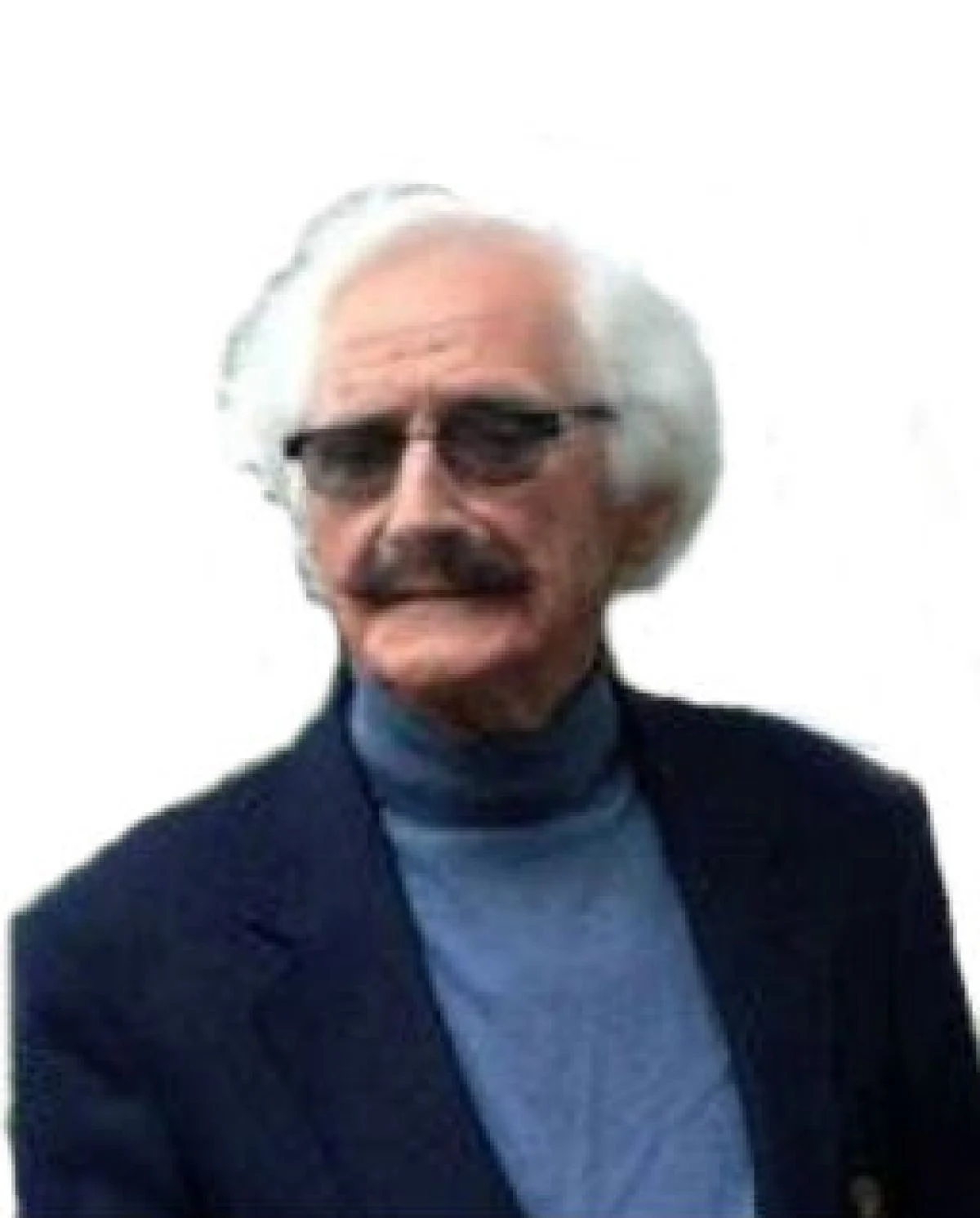
As the human consciousness matures, a critical juncture arises: the delicate balance between cherishing the past and embracing the unfolding present. For a 94-year-old observer, this introspection takes on a profound urgency, highlighting a growing disconnect exacerbated by the relentless march of technology. This article delves into the psychological mechanisms of memory and contemplation, exploring their vital role in shaping individual identity and the potential pitfalls of becoming ensnared in past narratives, particularly in our increasingly digitized world.
The Architect of Self: Memory and Contemplation in Shaping Identity
At its core, human consciousness is a dynamic interplay between experiencing the present and processing the past. Reminiscence and contemplation are not mere passive acts; they are the very engines that forge our memories and, consequently, our sense of self. These cognitive processes allow us to retain the echoes of events and, crucially, to understand their impact on our evolving being. As life’s tapestry unfolds, these reflections weave together, imbuing our existence with meaning and purpose.
However, as the author, on the cusp of his 94th birthday, poignantly observes, the older one becomes, the greater the temptation to allow these internalized narratives to dominate one’s present outlook. This tendency, a natural consequence of accumulating life experiences, risks diminishing the vibrancy and significance of current realities. The allure of the past, with its familiar landscapes of memories, dreams, and reflections, can become a powerful siren song, drawing consciousness away from the immediate, tangible world. This can manifest as a "Been There; Seen This; Done That" attitude, a form of mental disengagement that prioritizes past encounters over present engagement.
This internal landscape, however, is only one facet of our conscious experience. Our individuality is sculpted by a dualistic functioning of consciousness. On one level, we are sensory beings, directly responding to the factual happenings of the external world. This immediate, visceral engagement with reality provides the raw material for our understanding. On a second, reflective level, we process the significance of these external events, integrating them into our internal awareness to add layers of meaning and purpose to our existence. The author emphasizes that maintaining both these functions – the outward-directed sensory engagement and the inward-reflective evaluation – is paramount, regardless of age, for achieving a profound level of self-realization. This dynamic interplay, bridging the worlds of time and space with the world of the mind, is what some psychologists have termed "individuation," the ultimate developmental goal of human life.
Echoes from the Past: Literary Forewarnings of Present Obsession
The struggle to remain anchored in the present is not a novel concern. Centuries ago, esteemed thinkers grappled with this very human tendency. The renowned English lexicographer and author, Samuel Johnson, offered a stark observation: "No mind is much employed upon the present; recollection and anticipation fill up almost all our moments." This sentiment suggests a pervasive human inclination to dwell on what has been or what might be, often at the expense of engaging with the immediate reality.
Echoing this sentiment, the poet-philosopher John Dryden penned a verse that champions the individual who can fully inhabit their present moment:
"Happy the man, and happy he alone,
He who can call today his own;
He who, secure within, can say,
Tomorrow do thy worst, for I have lived today."
Dryden’s words encapsulate an ideal state of being – one where contentment is found not in the accumulation of past glories or anxieties about the future, but in the full, secure embrace of the present day. This ideal highlights the importance of a balanced consciousness, one that can both reflect and engage, appreciate the past without being enslaved by it, and anticipate the future without succumbing to its uncertainties.
The Digital Deluge: Technology’s Erosion of Present Engagement
The author posits that contemporary human life, particularly with the advent of pervasive computer technology, is actively disrupting this delicate equilibrium. The rich, multi-sensory experiences of daily life and tangible physical happenings are increasingly mediated through screens. Instead of direct, hands-on interaction that imprints the senses with meaning and significance, we are presented with abstract visual representations. This "abstract way to live," while offering convenience and access to vast amounts of information, risks a profound detachment from the physical world.
This digital mediation, the author fears, may ultimately undermine the very goal of personal individuation. By reducing lived experience to on-screen phenomena, we may lose the capacity to grapple with fundamental existential questions: "Who am I?" and "Why am I in this journey of life?" The direct, often messy, and deeply embodied engagement with the world that fosters self-discovery and a profound understanding of one’s place within it is being supplanted by a more detached, observational mode.
A Prophetic Warning: The Human Condition in the Electronic Age
The author’s concerns are not merely speculative musings. Drawing from his own past writings, specifically a book titled What the Hell Are the Neurons Up To?, he recalls a prescient paragraph that foretells a potential future where humanity, increasingly reliant on and captivated by technology, risks becoming "automatons."
He warns: "If the time should ever come, as the Electronic Age progresses and we become more and more its victims (automatons in our own right), pursuing a totally extroverted life, we may reach the stage when the word human will no longer qualify the word being." This stark pronouncement suggests a future where the defining characteristics of humanity – our capacity for empathy, wonder, and moral reasoning – could be eroded by an overemphasis on external engagement and a detachment from our inner lives.
In this hypothetical future, Charles Darwin’s profound observation about the significance of moral senses would resonate with chilling accuracy: "the moral senses of wonder and conscience are the most important and noble of all human attributes, and that to be without them renders us more akin to the lower animals." The author suggests that the uncritical embrace of technology and a relentless pursuit of external stimulation could lead us to a state where these essential human qualities wither, rendering us something less than fully human.
Conclusion: Reclaiming the Present for a Fuller Self
The author’s reflections, born from nearly a century of lived experience and a keen observation of our evolving world, serve as a critical call to action. While memory and contemplation are indispensable tools for building our identities and understanding our place in the world, they must not become gilded cages that trap us in the past. The increasing abstraction of our lives, driven by technological advancements, poses a significant threat to our capacity for genuine self-realization.
To truly achieve individuation, we must actively cultivate a balanced consciousness – one that embraces the richness of sensory experience, engages deeply with the present moment, and fosters the reflective capacity to imbue these experiences with meaning. This requires a conscious effort to resist the siren call of digital distraction and to reconnect with the tangible world, with its inherent complexities and profound opportunities for growth. By actively participating in life, both externally and internally, we can ensure that the journey of human existence remains one of profound discovery, vibrant engagement, and ultimately, a deeply realized self. The challenge, as articulated by this wise observer, is to ensure that in our pursuit of progress, we do not inadvertently diminish the very essence of what it means to be human.