
The Enigmatic Dance of Life: Navigating Destiny, Chance, and the Human Spirit
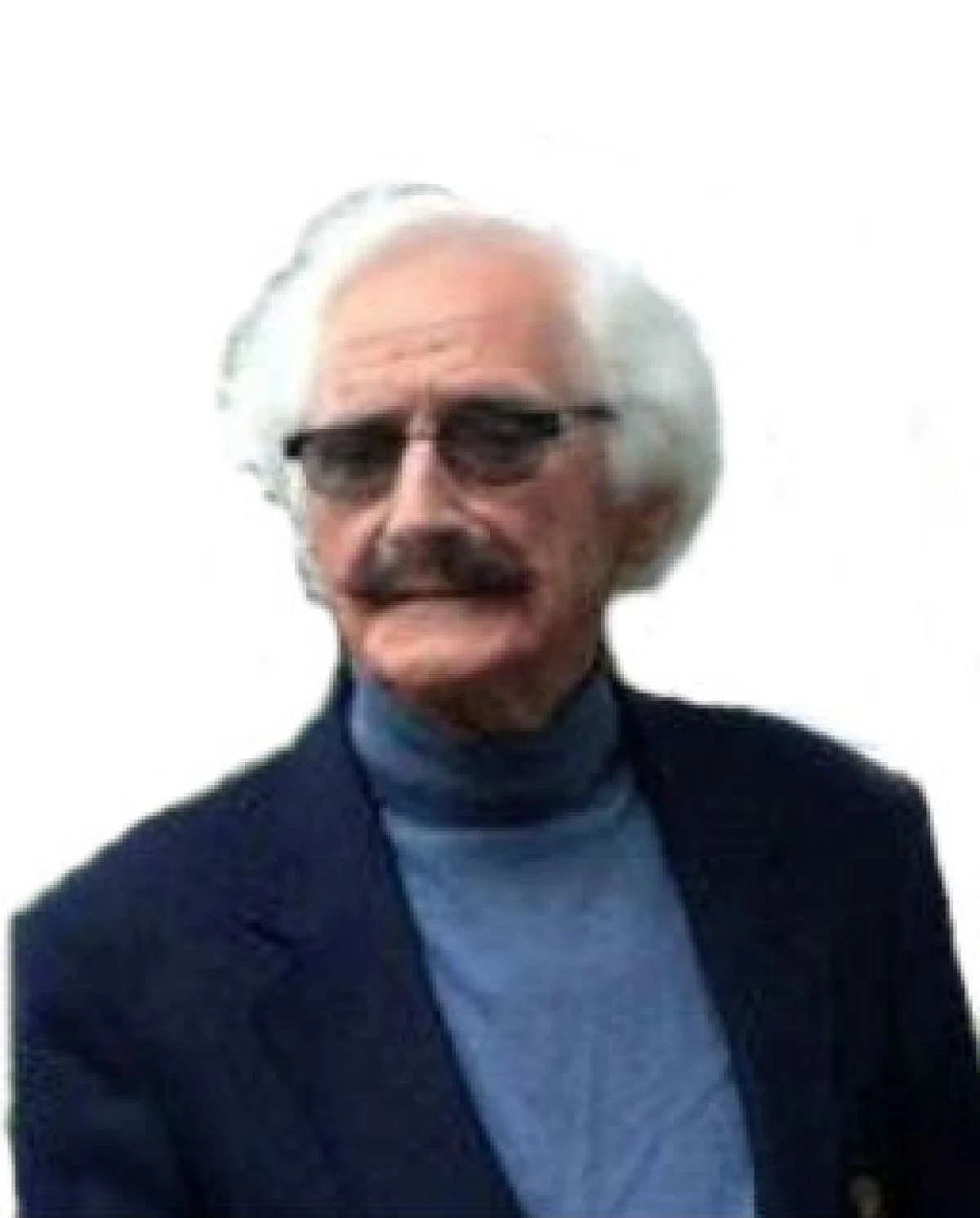
A profound human inquiry into the forces shaping our existence, sparked by a chance encounter and an age-old question.
The fundamental question of human existence – what is our purpose, and to what end do we strive? – has echoed through millennia, a constant companion to our conscious awareness of mortality. This deeply ingrained existential query was recently brought into sharp focus for this author during a seemingly mundane encounter with a fellow dog walker. As our canine companions engaged in their customary rituals, a philosophical discussion emerged, delving into the very fabric of our lives and the forces that seemingly orchestrate our journeys. The conversation, ignited by the simple yet profound realization of our ultimate end, led to an exploration of whether our lives are meticulously planned, guided by an unseen hand, or largely the product of capricious chance.
The Genesis of Inquiry: A Philosophical Encounter
The dog walker, a man of evident thoughtfulness, posed a question that has troubled humanity since the dawn of self-awareness: "Why are we here?" This age-old riddle, often whispered in moments of quiet contemplation or shouted in the face of adversity, carries the weight of our inherent drive to understand our place in the cosmos. In a moment of intellectual improvisation, seeking to unpack the complexity of the query, I turned the question back to him: "Do you believe we are, in essence, in training throughout our lives for some ultimate destiny that lies beyond death? A destiny that can only be conceptualized in terms of a spiritual existence?"
His response was hesitant, yet revealing. He confessed uncertainty about a definitive spiritual afterlife, but he did acknowledge a persistent inner prompting, a "lurking persuasion" at the back of his mind, to act with integrity and to avoid causing harm. This internal compass, he recognized, represented the powerful moral guidance of conscience, a force that often stands in stark opposition to the ego-driven desires and fleeting sensory gratifications that characterize the rhythm of everyday life. This internal dialogue, so common yet so rarely articulated, highlights the inherent tension between our primal urges and our capacity for ethical reasoning, a fundamental aspect of the human psyche.
The Unfolding Conversation: Embracing the Unprepared
As the skies opened and rain began to fall, signaling the abrupt end to our philosophical exchange, it became clear that the depth of the topic at hand demanded more than a hurried sidewalk discussion. The psychological implications of this inner judgmental response to life’s events, the very essence of our moral framework, were too significant to be addressed in passing. I promised to ponder his insights and offer further reflections the next time our paths, and those of our dogs, serendipitously crossed.
The truth was, I felt profoundly unprepared to articulate the complexities of a subject that had, for a significant portion of my own life, been a dominant theme in my internal dialogues. The introspective journey of self-examination, particularly in the latter half of life, has been a constant exploration of the interplay between preordained forces and individual agency. The question of whether a resistless, preordained power, which we often label as destiny, dictates both the unfolding events of our lives and the subsequent choices we make, has been a recurring motif in my personal philosophical musings.
The Dual Nature of Self: Biological Impulses and Spiritual Aspirations
My lifelong philosophical bent, particularly pronounced in the latter stages of life, has led me to incessantly ponder the extent to which our lives are shaped by predetermined pathways versus the sheer happenstance of circumstance. It is a challenging exercise to disentangle the threads of planned trajectories from those that appear to have materialized by mere chance. While I could readily recall major life plans, meticulously crafted through rational deliberation and accompanied by careful consideration of potential outcomes, recalling instances where I relinquished control and embraced the unpredictable embrace of luck or chance proved far more elusive.
This introspective wrestling has led me to a crucial realization: any meaningful discussion of personal destiny must incorporate another fundamental aspect of human being – the intuitive influence of what is often referred to as the human spirit. This metaphysical force, I propose, is the wellspring of our awareness of ultimate moral good, the driving impetus behind our moral reasoning and ethical aspirations. In essence, we navigate our existence as a product of two intertwined selves: a biological self, driven by primal instincts and influenced by the external world, and a spiritual self, guided by a deeper, transcendent wisdom.
It is my contention that our existential biological side is significantly shaped by the vagaries of chance and luck. These are the external forces, often beyond our direct control, that present us with opportunities and challenges. Conversely, our spiritual side, the realm of the human spirit, points towards the influence of a transcendent force. For millennia, this force has been conceptualized and described as the soul, a guiding entity responsible for our ultimate destiny, the overarching purpose that transcends our individual experiences.
A Conundrum of Existence: The Case of World War II
The abstract nature of these concepts can often feel detached from the tangible realities of life. However, a deeply personal experience from my own past serves as a potent illustration of this complex interplay between chance, destiny, and the human spirit. During World War II, I served in the Royal Air Force. The brutal realities of aerial warfare meant that Bomber Command, in particular, suffered catastrophic losses, with approximately 65% of aircraft and crews never returning.
In 1942, the Air Ministry introduced a mandatory color vision test for aircrews. By a twist of fate, I failed this test. This seemingly minor event, a simple physiological assessment, had profound consequences. I was consequently removed from flying duties. This single instance, a confluence of a routine medical examination and a biological characteristic, meant that I was spared the overwhelming odds and, ultimately, survived the war.
Luck or Destiny? The Unanswered Question
This personal anecdote, while specific, encapsulates the broader human predicament. Was my survival a matter of sheer, unadulterated luck? Or was it a preordained step on a path designed for me, a testament to a destiny that had already been charted? The answer, as is often the case with life’s most profound questions, remains elusive. It is a conundrum that underscores the intricate tapestry of our existence, woven from threads of chance encounters, personal choices, and perhaps, the guiding hand of something far greater than ourselves.
The exploration of destiny, chance, and the human spirit is not a mere academic exercise. It is a fundamental aspect of the human condition, a continuous quest to understand the forces that shape our lives and imbue them with meaning. The conversation with the dog walker, seemingly spontaneous, served as a potent reminder that these questions are not confined to philosophical texts or solitary introspection; they arise organically in the shared experiences of everyday life, prompting us to reflect on the profound mysteries that lie at the heart of our existence. As we continue to navigate the labyrinth of life, the interplay of these forces will undoubtedly continue to shape our journeys, leaving us to ponder, with each passing sunrise and sunset, the ever-present question: are we the authors of our fate, or merely players in a cosmic drama? The answer, it seems, is as elusive and as captivating as the human spirit itself.


Leave a Comment