
The Ephemeral Tapestry: Analyzing Amanda Baeza’s ‘Wisps’ and the Evolution of Modern Graphic Poetics
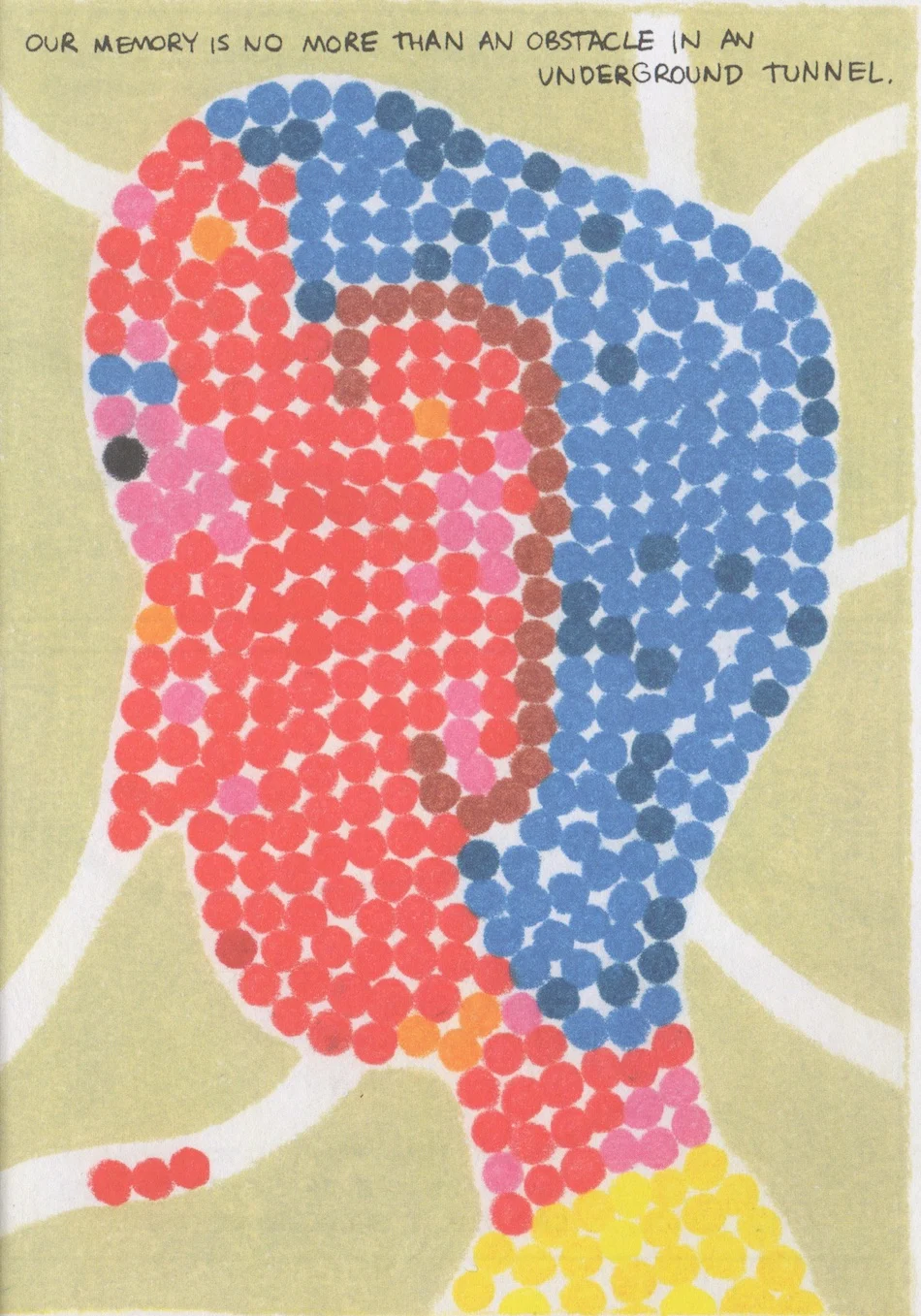
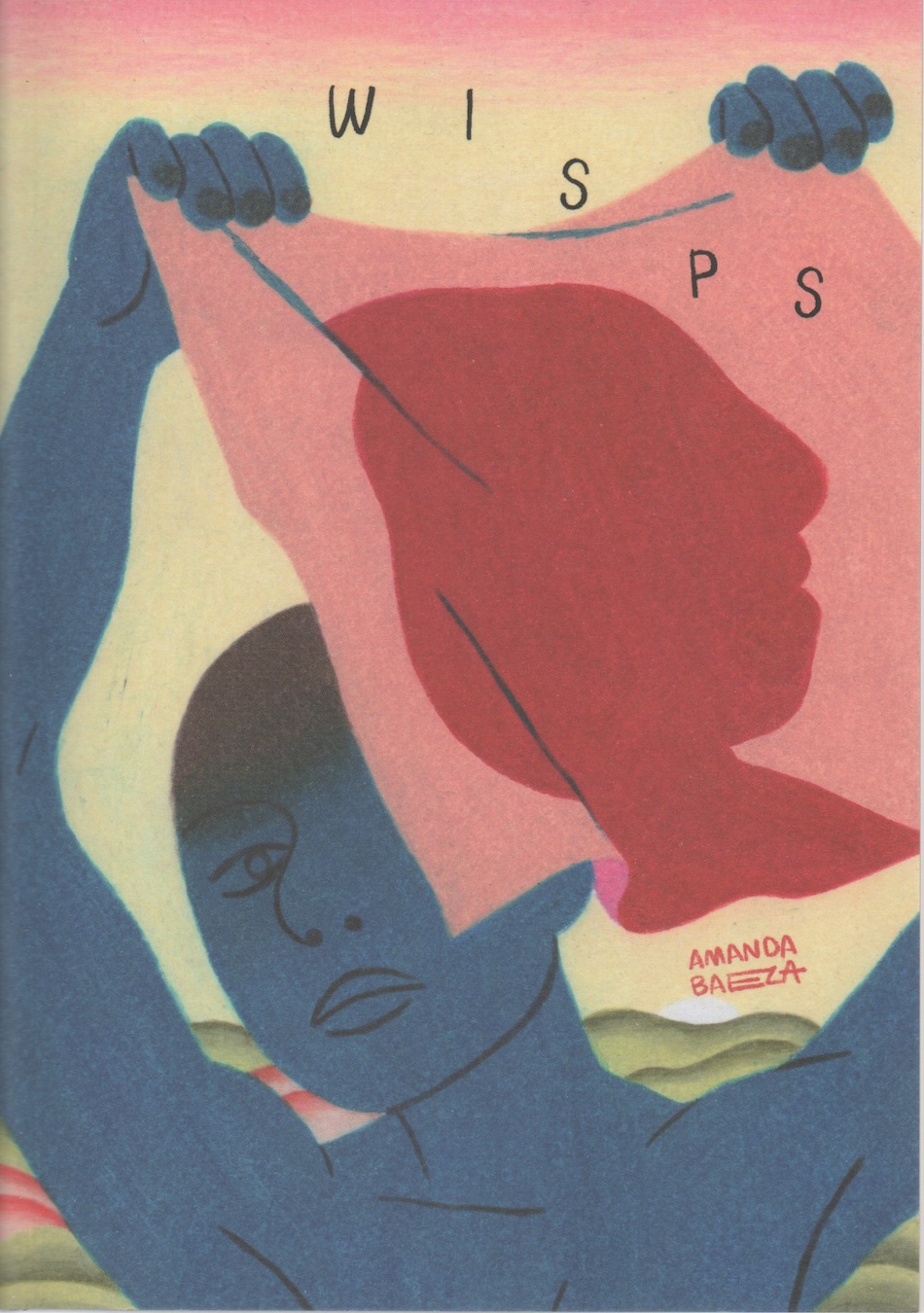
The landscape of contemporary independent comics is often defined by its tension between narrative tradition and avant-garde experimentation. Few artists navigate this boundary with as much fluid grace as Amanda Baeza. With the release of her latest collection, Wisps, published by the esteemed Latvian press kuš!, Baeza reaffirms her position as a central figure in the "Kus Mono" series—a line of books dedicated to showcasing the singular visions of international auteurs. Following her 2017 debut collection Brume, Wisps arrives as a sophisticated evolution of her craft, blending textile-inspired aesthetics with a profound, often moral, urgency.
Main Facts: The Release of ‘Wisps’ and the kuš! Legacy
Published in the spring of 2026, Wisps marks a significant milestone for both the artist and her publisher. kuš!, based in Riga, Latvia, has long been a vanguard for the "mini-comic" format, typically releasing small, quarter-sized anthologies that serve as a global crossroads for experimental cartooning. However, their "Kus Mono" line—of which Wisps is a cornerstone—allows for a more expansive exploration. These books offer larger dimensions and higher production values, providing artists like Baeza the physical space required for their visual metaphors to breathe.
Amanda Baeza, a Chilean-born artist currently residing in Portugal, brings a multicultural perspective to the collection. Wisps is not a singular graphic novel but a curated anthology of short stories that vary wildly in visual style, yet remain tethered by a shared philosophical core. The book is structured into four distinct sections, each introduced by imagery reminiscent of laundry hung on a line—a recurring motif of domesticity, environmental consciousness, and the "drying" of ideas in the sun.
The collection has been noted by critics for its departure from traditional "storyboard" comics. Instead of prioritizing rigid character designs and linear plot progression, Baeza utilizes what can be described as "graphic poetics"—a mode of storytelling where the pleasure is derived from the revelation of visual metaphors rather than the resolution of a character’s arc.
Chronology: From ‘Brume’ to the Present Day
To understand the impact of Wisps, one must look back at Baeza’s trajectory over the last decade. Her 2017 collection, Brume, established her as a stylistic chameleon. Like her contemporary Roman Muradov, Baeza demonstrated an early ability to shift her aesthetic language to suit the emotional temperature of a specific story.
- 2017: Publication of Brume. This work introduced Baeza’s interest in "color fields" and abstraction, moving away from the "holding line" traditional to Western comics.
- 2018–2021: A period of prolific contribution to international anthologies and editorial illustration. During these years, Baeza refined her use of color as a narrative tool, drawing comparisons to the "Nobrow" aesthetic—a movement characterized by high-concept illustration and a bridge between fine art and commercial design.
- 2021: The creation of "The Scene," a graphite-toned story included in Wisps. This piece marked a temporary departure from her signature jewel tones, focusing instead on the "democracy of the photocopier" and the social connectivity of the underground comics scene.
- 2026: The publication of Wisps. This collection synthesizes her previous experiments into a cohesive whole, addressing global crises, personal identity, and the very nature of artistic creation.
Supporting Data: Visual Language and Thematic Depth
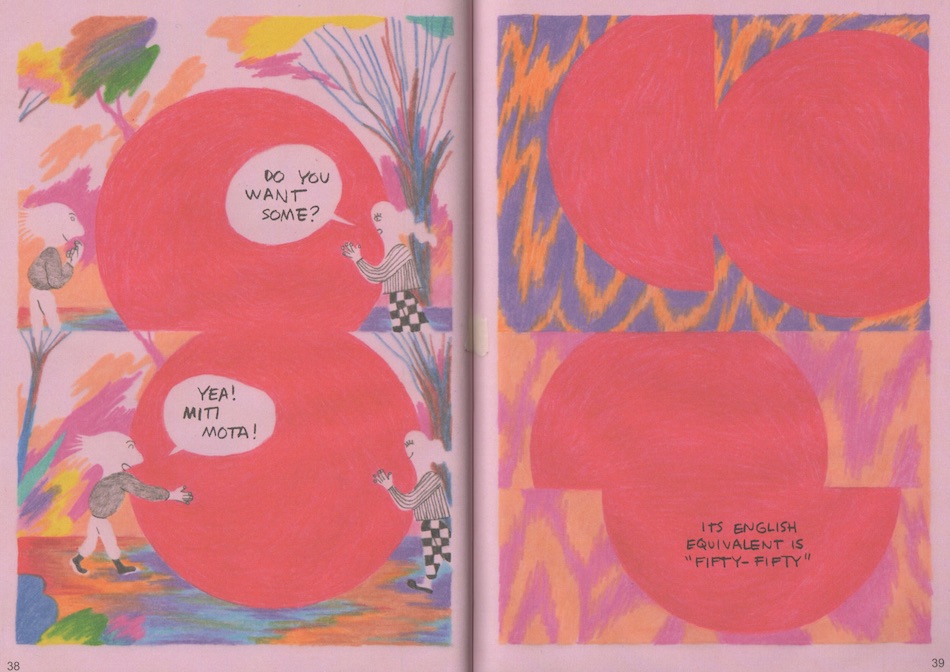
The technical brilliance of Wisps lies in Baeza’s use of color and composition. The reviewer Brian Nicholson notes that her work often resembles textiles—stitching together "tapestries from the shapes of shreds." This is not merely an aesthetic choice; it is a narrative strategy.
The Emotional Temperature of Color
Baeza utilizes color to register physiological shifts in her characters. In the story "Not From Here, Not From There," which explores the anxieties of the outsider and the immigrant, Baeza’s line work turns a vibrant, alarming red. This visual shift mimics a cortisol spike or the flushing of skin during a moment of panic. By abandoning a naturalistic palette in favor of an emotional one, she forces the reader to experience the "blood beating faster through the heart" of the page.
Poetic Monologue vs. Narrative Interaction
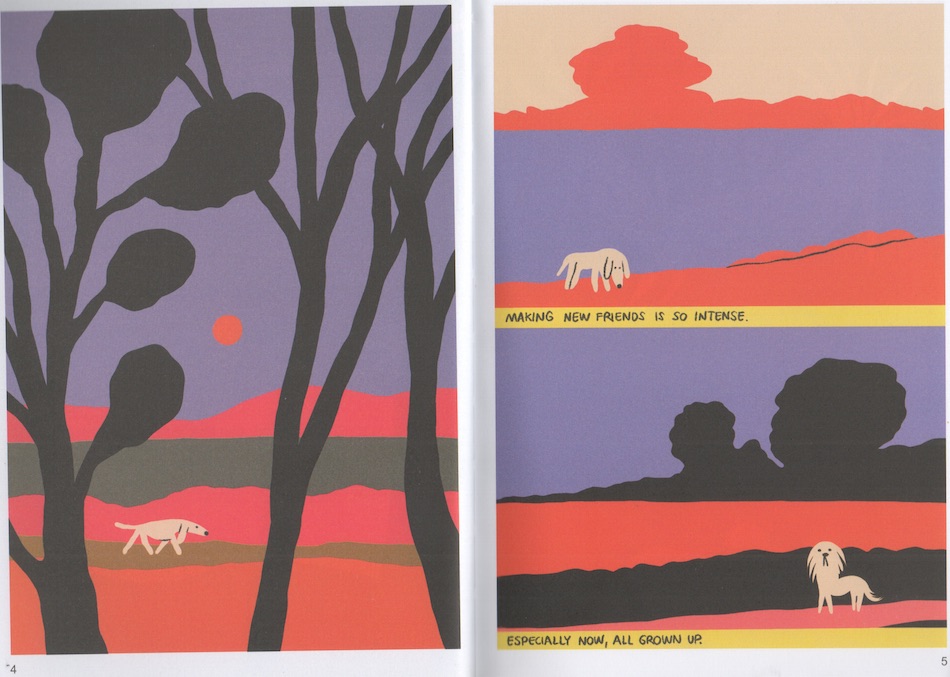
Unlike the works of Anna Haifisch or Aisha Franz—who often rely on the deadpan interactions of specific, recurring characters—Baeza’s writing favors the poetic monologue. In the opening story of Wisps, the reader is initially greeted by charming depictions of dogs. However, as the prose unfurls, it becomes clear that the dogs are a vessel for a deeper commentary on human behavior and societal structures. The "suddenness" of her stories, which some might find slight, is a deliberate engagement with the "ephemeral"—a theme echoed in the book’s title.
Moral Urgency and Political Commentary
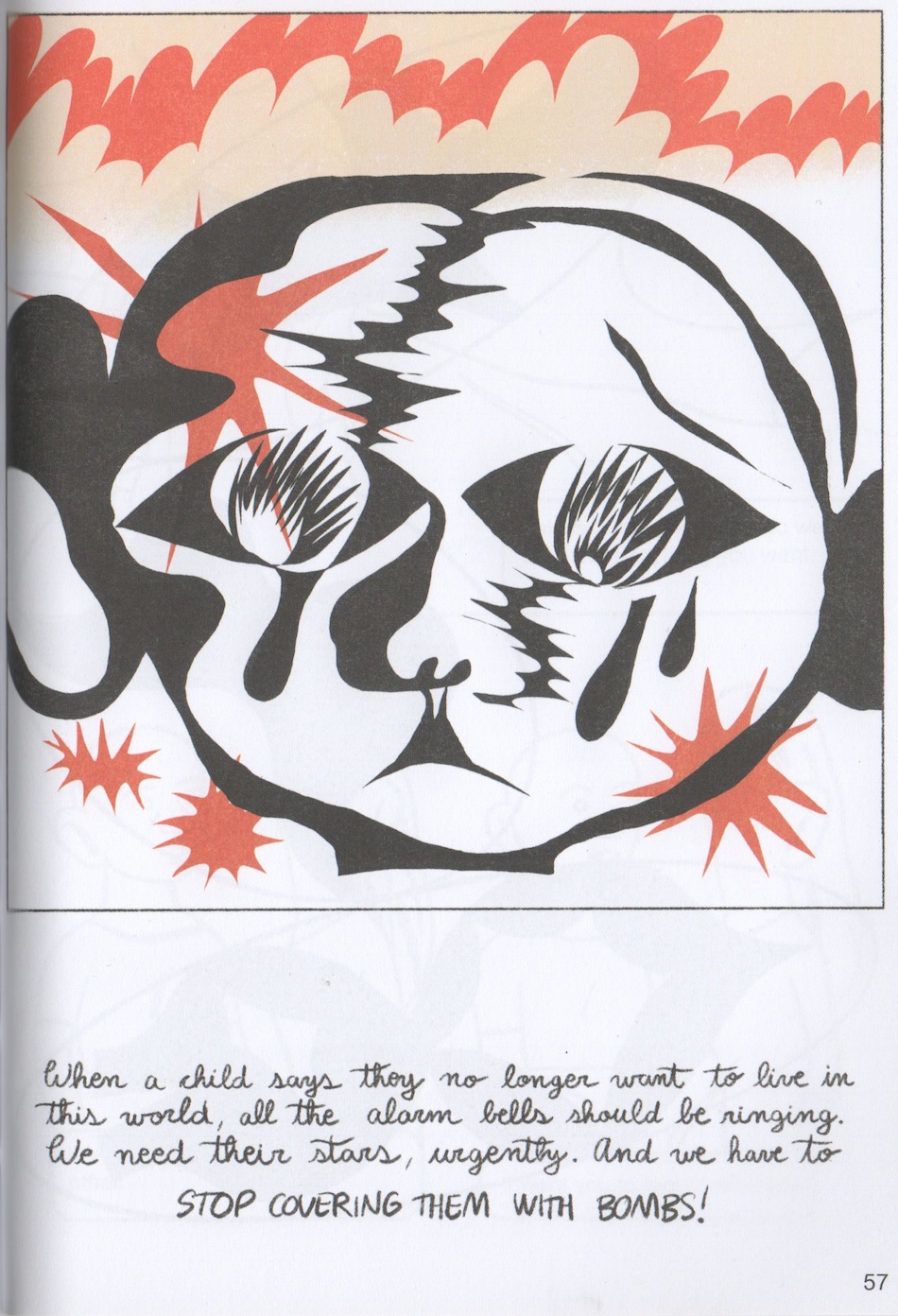
Despite the "candy-colored" exterior of much of her work, Baeza does not shy away from harrowing subject matter. One of the most striking pieces in the collection addresses the conflict in Palestine and the tragic deaths of children. Here, Baeza’s style shifts again; the depiction of a child’s face as the light leaves their eyes recalls the darker, inkier work of Noel Freibert. By placing such heavy themes within a "children’s-book" aesthetic, Baeza creates a jarring contrast that amplifies the moral weight of the imagery.
Official Responses and Critical Reception
The critical reception of Wisps within the comics community has been overwhelmingly positive, though it acknowledges the challenging nature of her work. The Comics Journal has highlighted her "ability to shift styles from one piece to another" as a defining strength, suggesting that her work exists in a "larger tradition of editorial illustration."
Critics have noted that Baeza’s Chilean heritage and her life in Portugal provide a unique lens through which she views the world. While she was born in 1990—the year Augusto Pinochet stepped down—the "mysterious pursuer" in her stories suggests a generational trauma or a lingering fear of authority that transcends specific historical dates.
Furthermore, the environmental themes in Wisps have been lauded for their subtlety. The story "Clothes," which envisions a post-human Earth where fashion remains as a ghostly affect, has been described by environmental critics as a "rending of the hole we are creating," using the metaphor of fabric to discuss ecological complicity.
Implications: The Future of Folkcraft in the Digital Age
The release of Wisps carries significant implications for the future of the medium. Baeza’s work suggests a move toward "comics as folkcraft." In an era dominated by digital perfection and the "storyboard" style of major publishers, Baeza’s emphasis on the "democracy of photocopiers" and the tactile nature of "line-drying" ideas offers a different path forward.
1. The Democratization of the Medium
By including grayscale works like "The Scene," Baeza reminds the industry that comics are fundamentally a tool for connection. The "jewel-toned colors" of high-end publishing are beautiful, but the "graphite-toned" reality of zines and self-publishing is where the heart of the community often beats. Wisps serves as a bridge between these two worlds.
2. Formal Play as a Survival Tactic
Baeza proves that "seriousness of subject does not preclude or forbid a sense of formal play." In her work, beauty is not a distraction from pain but a way to engage with it. This perspective is vital for a new generation of artists who are navigating global crises; it suggests that the "brightly colored clothes worn to a summertime protest" are just as functional as they are aesthetic.
3. The Ephemeral as a Permanent Record
The title Wisps suggests something that might blow away, yet the impact of the collection is lasting. Baeza’s work implies that the most "insubstantial" moments—a shared look, a piece of fabric, a poetic thought—are the very things that define the human experience. As comics continue to evolve into a respected form of high art, Baeza’s insistence on the ephemeral ensures that the medium does not lose its soul to clinical perfection.
In conclusion, Wisps is more than just a collection of short stories; it is a manifesto for a new kind of visual literacy. Amanda Baeza has successfully woven together the disparate threads of political activism, environmental anxiety, and pure aesthetic joy into a tapestry that is as durable as it is delicate. Through the support of kuš!, she has provided a blueprint for how the graphic medium can remain both a personal badge of identity and a universal signal to those "who might feel the same way."


Leave a Comment