The Evolution of Full-Stack Venture Capital: FGV Capital Launches $35 Million Fund II to Bridge the Gap Between Advisory and Investment
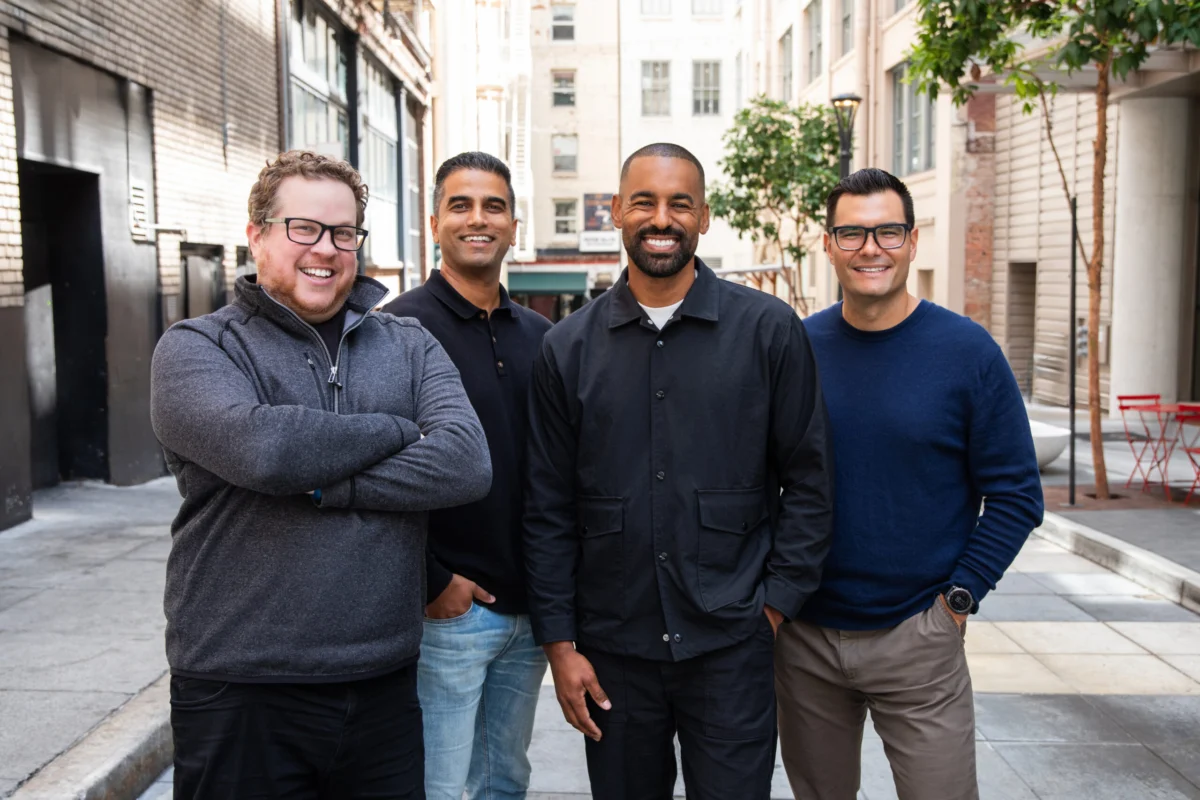
In an era where "value-add" has become a ubiquitous, yet often hollow, catchphrase in the venture capital industry, FGV Capital is seeking to redefine the term through a structural transformation. On Tuesday, the firm—formerly known as Fiat Ventures—announced a comprehensive rebranding and the successful closing of its second fund, a $35 million vehicle dedicated to the intersection of fintech and broader industrial sectors.
By unifying its renowned growth consultancy, Fiat Growth, with its investment arm under the singular FGV Capital banner, the firm is betting that a "full-stack" model is the key to navigating a tightening venture market. This strategic consolidation aims to provide a seamless pipeline of go-to-market (GTM) expertise, executive networking, and institutional capital to early-stage founders.
Main Facts: A Unified Vision for Fintech’s Future
The core of the announcement centers on the launch of FGV Capital Fund II, a $35 million fund that follows the firm’s inaugural $25 million vehicle. While the fund size remains focused and disciplined, the structural changes surrounding it are significant.
The Strategic Rebrand
The transition from Fiat Ventures to FGV Capital is more than a cosmetic update. It represents the formal integration of the firm’s two primary engines:
- The Consultancy (formerly Fiat Growth): A dedicated advisory business that assists startups with scaling, business development, and GTM strategies.
- The Venture Arm: A capital-deployment vehicle that targets early-stage fintech and "fintech-adjacent" companies.
Investment Thesis and Scope
Fund II is specifically designed to target the "convergence" of fintech with other massive verticals. General Partners Marcos Fernandez and Drew Glover have identified several key areas of focus:
- Artificial Intelligence (AI): Enhancing financial decision-making and operational efficiency.
- Healthcare: Navigating the complex world of medical payments, insurance, and billing.
- Commerce: Streamlining the transactional layers of modern retail and B2B trade.
The fund intends to write checks ranging from $1 million to $1.5 million, with a goal of backing at least 25 companies over the next two years. Demonstrating early momentum, the firm has already deployed capital into 13 companies from this new fund.
High-Profile Backing
In a difficult fundraising environment for emerging managers, FGV Capital has secured a robust roster of Limited Partners (LPs). These include:
- Bank of America
- MassMutual
- Reinsurance Group of America (RGA)
These LPs were selected not merely for their capital but for their ability to act as strategic partners, providing guidance and potential pilot opportunities for FGV’s portfolio companies.
Chronology: From Advisory Roots to Venture Powerhouse
The journey to FGV Capital began not with a fund, but with a service. Understanding the firm’s evolution is essential to understanding why they have chosen this integrated model.
2018–2020: The Consultancy Era
Before the firm was a venture capital player, it operated as Fiat Growth. During this period, Fernandez and Glover built a reputation for helping fintech startups solve the most difficult part of the business: distribution. By acting as a fractional growth team for high-potential startups, they gained an "under-the-hood" look at the operational health of dozens of companies. This period allowed them to build a massive network of industry executives and potential corporate partners.
2021: Launch of Fund I
Recognizing that their advisory work was generating proprietary deal flow and deep insights, the duo launched Fiat Ventures Fund I. The $25 million vehicle was a response to founders asking their advisors to also participate on their cap tables. Fund I allowed the team to back approximately 40 companies, including notable names like Wagmo (pet insurance) and Possible Finance (consumer lending).
2022–2023: The 18-Month Fundraising Journey
The fundraising process for Fund II took approximately 18 months, reflecting the broader "funding winter" that has gripped the VC industry. During this time, the GPs refined their pitch, moving away from being seen as a "consultancy with a side fund" to a "full-stack venture firm." They spent this period vetting LPs who understood the value of the consultancy ecosystem.
2024: The Birth of FGV Capital
The announcement this Tuesday marks the culmination of this evolution. By retiring the "Fiat Growth" and "Fiat Ventures" monikers in favor of FGV Capital, the firm has signaled to the market that its advisory services and its capital are now part of a singular, symbiotic value proposition.
Supporting Data: The "Full-Stack" Flywheel by the Numbers
The efficacy of FGV Capital’s model is backed by its historical performance and its specific deployment strategy.
Portfolio Strength
To date, the firm has backed roughly 40 companies across its first fund and the early stages of its second. This diverse portfolio spans various sub-sectors of fintech:
- Wagmo: Disrupting the pet insurance space by focusing on wellness and accessible care.
- Possible Finance: Providing credit-building loans to underserved populations, leveraging data to move beyond traditional FICO scores.
Deployment Velocity
With 13 companies already funded out of the 25-company target for Fund II, FGV Capital is maintaining a steady deployment pace. The $1M–$1.5M check size positions them as a significant participant in Seed and Series A rounds, often providing the "bridge" between initial capital and large-scale institutional rounds.
The LP Value Loop
The firm’s strategy involves more than just investing LP money. According to the GPs, FGV Capital operates a specific program to help the portfolio companies of their LPs (like MassMutual or Bank of America) scale. This creates a "triple-win" scenario:
- Startups get access to massive corporate partners.
- LPs get access to cutting-edge technology and innovation to modernize their own operations.
- FGV Capital secures better returns by de-risking their investments through these strategic partnerships.
Official Responses: Insights from the General Partners
Marcos Fernandez and Drew Glover have been vocal about the necessity of this rebranding, emphasizing that the venture capital landscape has shifted from a "capital-first" to a "service-first" industry.
On the Decision to Combine Brands
Drew Glover explained that the decision was driven by the feedback loop between their consultancy clients and their investment targets. "Combining the growth consultancy with the venture firm has already helped us win spots on startups’ cap tables," Glover told TechCrunch. "Founders realize they could access the advisory network, too, if they take money from FGV."
On Maintaining Integrity and Independence
One of the primary concerns with a combined model is the potential for bias—investing in companies simply because they are consultancy clients, or vice versa. Glover was quick to address this, noting that the consultancy and the investment vehicle operate as separate entities.
"The goal is to use the broader FGV infrastructure to give our investment team better information and deeper context, not influence the outcome," Glover stated. He emphasized that "clear processes" are in place to ensure that business relationships do not cloud investment judgment.
On the "Full-Stack" Ecosystem
Marcos Fernandez described the firm’s philosophy as an ecosystem of compounding value. "That’s where the full-stack model becomes powerful," Fernandez said. "Companies we invest in can become clients we help scale. Companies we work with can become investments. LPs can become customers or partners to the portfolio. The different parts of the ecosystem can create value for one another while still operating independently."
He concluded with a clear mission statement: "The goal is to build an ecosystem where capital, distribution, and relationships compound and where founders and investors have more ways to win together."
Implications: A New Blueprint for Emerging Managers?
The launch of FGV Capital Fund II and the formalization of its integrated model arrive at a critical juncture for the venture capital industry. The implications of this move extend beyond a single firm’s rebranding.
The Death of "Generalist" Capital
As the market for early-stage fintech matures, the "spray and pray" method of investing is losing favor. FGV Capital’s focus on the intersection of fintech with AI and Healthcare suggests that the most successful future funds will be those that possess deep domain expertise and the ability to navigate complex regulatory and technical landscapes.
The Rise of the "Platform" VC
For years, Tier-1 firms like Andreessen Horowitz (a16z) have dominated by building massive internal "platform" teams to help startups with hiring, marketing, and sales. FGV Capital is effectively democratizing this model for the $35 million fund level. By leveraging a pre-existing consultancy, they are providing "Tier-1 platform services" to Seed-stage companies that might otherwise be overlooked by the giant firms.
LP Expectations in a Tight Market
The fact that FGV Capital successfully raised $35 million from institutional giants like Bank of America during a downturn suggests that LPs are no longer satisfied with mere financial reports. They want exposure to innovation that can impact their own bottom lines. FGV’s model of connecting LPs with startups for partnership opportunities is likely to become a prerequisite for emerging managers looking to attract institutional capital in the future.
Strategic De-Risking
By working with companies through their consultancy before (or alongside) investing, FGV Capital gains a level of due diligence that is impossible to achieve through standard pitch decks and data rooms. They see the "unfiltered" version of a startup’s operations. This "try before you buy" approach could lead to significantly lower failure rates in the portfolio, providing a more stable return profile for their LPs.
In summary, FGV Capital’s rebranding and new fund represent a sophisticated evolution in the venture capital world. By blurring the lines between "service provider" and "investor," Fernandez and Glover are attempting to build a resilient, self-sustaining engine of growth that can thrive even when the broader market remains volatile. As Fund II begins its deployment phase, the industry will be watching closely to see if this "full-stack" approach becomes the new gold standard for emerging managers.