The Evolution of Spatial Cinema: ‘Starclash’ Bridges the Gap Between Animation and Virtual Reality
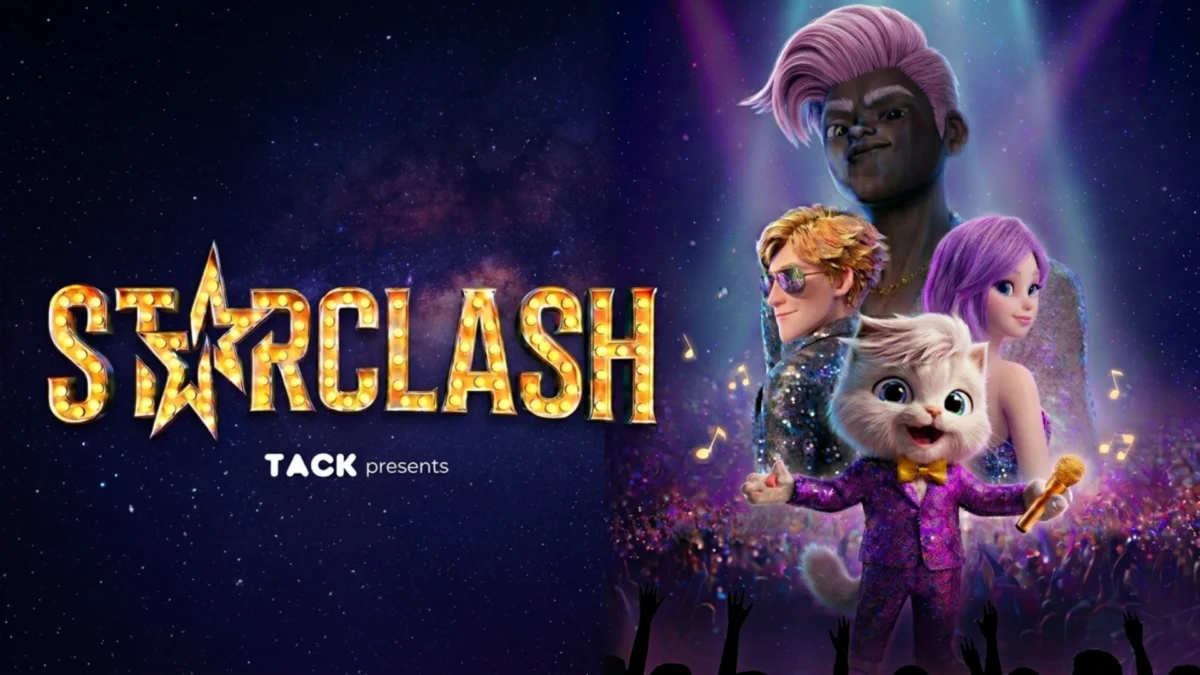
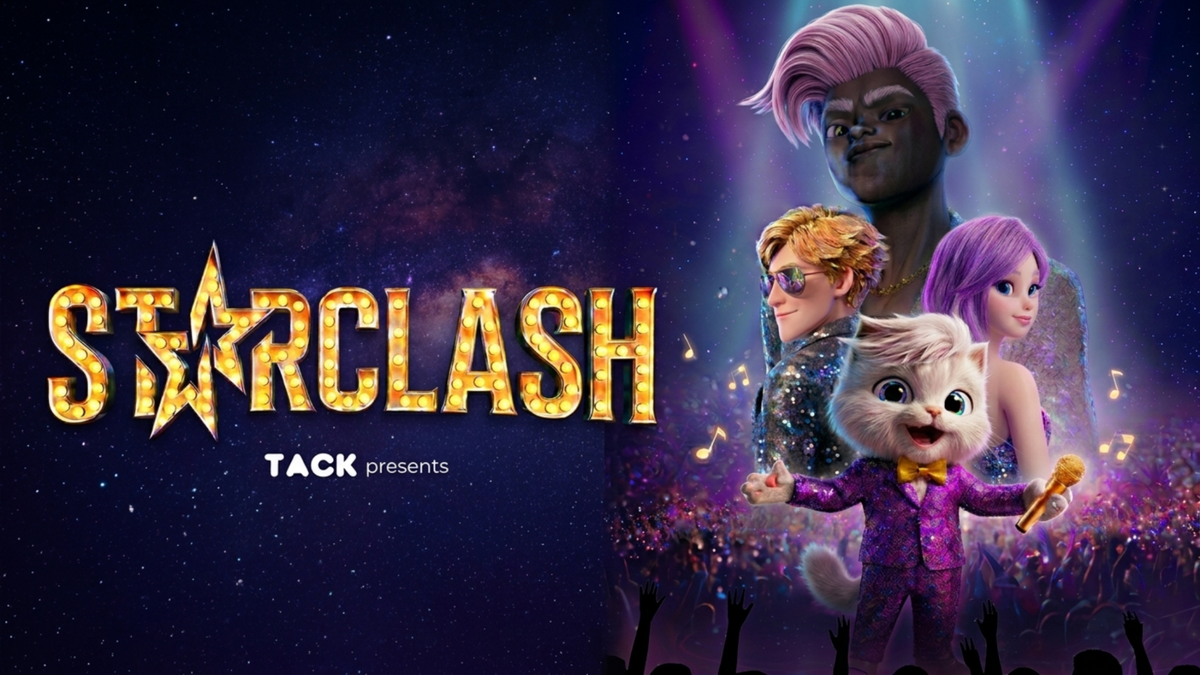
The landscape of digital entertainment is undergoing a seismic shift as the boundaries between traditional cinema and interactive gaming continue to blur. At the forefront of this transformation is Starclash, a newly released 33-minute immersive animated experience that marks a significant milestone for spatial storytelling. Available now on the Apple Vision Pro and Meta Quest platforms, Starclash does not merely ask the audience to watch a story unfold; it demands that they inhabit it.
Developed by Tack Entertainment, a boutique creative studio operating out of the dual hubs of Hollywood and Tokyo, Starclash represents a sophisticated fusion of Western narrative structure and Eastern visual sensibilities. Directed by Jack Yoshida, the project serves as a litmus test for the commercial viability of "first-person embodiment" in the growing market of high-end VR headsets.
Main Facts: A New Paradigm in First-Person Narrative
Starclash is an animated film designed specifically for the medium of spatial computing. Unlike traditional VR games that rely on complex mechanics or 360-degree videos that offer limited perspective, Starclash utilizes a "first-person embodiment" model. The viewer is cast as the protagonist, Jack, an aspiring performer whose journey toward stardom provides the emotional backbone of the experience.
The Core Experience
The experience is designed to be consumed in a single 33-minute sitting. This duration is intentional, mirroring the length of a prestige television episode or a short feature film, making it accessible to a general audience rather than just hardcore gamers. The project is optimized for a seated experience, recognizing that the primary audience for spatial cinema often prefers comfort and immersion over physical exertion.
Interaction and Accessibility
One of the most notable technical achievements of Starclash is its "no-controller" interface. On the Apple Vision Pro, the experience leverages the device’s advanced hand-and-eye tracking, while on the Meta Quest, it utilizes optical hand tracking. This removal of hardware barriers allows the viewer to feel more connected to the virtual world, as they use their natural movements to interact with the environment and navigate the narrative beats.
Distribution and Pricing
Tack Entertainment has opted for a "freemium" distribution model. The app is available as a free download on both the Apple App Store and the Meta Horizon Store, offering a preview of the initial scenes. To unlock the full 33-minute narrative, users must complete a one-time in-app purchase of $14.99. This pricing strategy reflects the premium nature of the content, positioning it as a high-quality digital event rather than a disposable mobile app.
Chronology: The Rise, Fall, and Redemption of Jack
The narrative of Starclash follows a classic "hero’s journey" arc, reimagined for a medium where the audience feels every triumph and setback personally. By placing the viewer inside Jack’s perspective, the emotional stakes of the plot are significantly heightened.
The Sabotage (The Inciting Incident)
The story begins at the height of Jack’s early career. The viewer, as Jack, participates in the high-stakes "Star Clash finals," a global talent competition. However, the moment of potential victory is cut short by a dark act of betrayal. Jack’s primary rival, a character named Adrian, poisons him with a rare toxin. This event doesn’t just end Jack’s night; it effectively ends his career.
The Lost Years
In a dramatic narrative jump, the film reveals that the toxin caused Jack to fall into a state of physical and vocal paralysis. He loses five years of his life—a period during which Adrian seizes the spotlight and becomes the world’s leading superstar. This "time skip" serves to create a profound sense of loss for the viewer, who wakes up in a world that has moved on without them.
The Path to Star Valley
Upon waking, Jack discovers that his voice—the tool of his trade and his primary means of expression—is gone. The plot is set in motion by the announcement of a "Star Clash Remake" reunion show, scheduled to take place in just one month. To reclaim his life and his dignity, Jack must travel to the mystical "Star Valley," a location designed with lush, immersive visuals meant to facilitate his healing.
The Return to the Stage
The final act of the experience focuses on Jack’s rehabilitation and his eventual return to the stage. Guided by the philosophical advice of his father—to "be the star the world needs"—the protagonist must overcome internal trauma and external rivalry to deliver a final, show-stopping performance.
Supporting Data: Technical Specifications and Studio Pedigree
The development of Starclash required a sophisticated understanding of both the Apple and Meta ecosystems, which, despite their similarities, offer different hardware capabilities.
Cross-Platform Optimization
- Apple Vision Pro: On Apple’s $3,500 "spatial computer," Starclash takes advantage of the high-resolution Micro-OLED displays to deliver crisp, vibrant colors and deep blacks. The spatial audio engine is utilized to ensure that Jack’s performances feel as though they are happening in a physical acoustic space.
- Meta Quest 3/Pro: For the Meta audience, the focus was on performance optimization. The stylized animation allowed the developers to maintain a high frame rate on mobile chipsets without sacrificing the cinematic feel of the film.
The Hollywood-Tokyo Synergy
Tack Entertainment’s unique structure is reflected in the film’s aesthetic. The character designs lean toward a modern, "global" animation style—reminiscent of high-end Western features but infused with the expressive kineticism found in Japanese anime. Director Jack Yoshida’s vision was to create a "universal story" that transcends cultural barriers, focusing on the universal human themes of ambition and resilience.
Narrative Length and Engagement
Research into VR usage suggests that 30 to 40 minutes is the "sweet spot" for narrative immersion. Longer experiences often lead to "VR fatigue," while shorter ones feel like tech demos. By hitting the 33-minute mark, Starclash provides a complete emotional journey that fits within the current comfort levels of VR hardware users.
Official Responses: The Creative Philosophy of Tack Entertainment
In press releases and statements following the launch, Tack Entertainment has emphasized that Starclash is more than just a movie; it is a prototype for the future of entertainment.
"We wanted to remove the ‘glass wall’ between the viewer and the screen," said a spokesperson for Tack Entertainment. "In Starclash, you aren’t watching Jack’s struggle; you are struggling alongside him. When he loses his voice, the silence feels heavy to the user. When he finally performs, the applause is directed at you."
Director Jack Yoshida has spoken about the importance of the "seated experience" and the "no-controller" philosophy. "The goal was to make the technology invisible. If you have to think about which button to press, the immersion is broken. By using hand tracking and a seated perspective, we allow the viewer to focus entirely on the emotional and visual journey."
Industry analysts have noted that the $14.99 price point is a bold move in a market where many narrative experiences are free or significantly cheaper. However, Tack Entertainment argues that the cost is justified by the production values and the depth of the immersion. "We are producing content that rivals the quality of major animation studios. To sustain this level of artistry in the spatial medium, we believe in a fair value exchange with our audience."
Implications: What ‘Starclash’ Means for the Future of VR
The release of Starclash comes at a pivotal moment for the VR/AR industry. As Apple and Meta compete for dominance, the "killer app" for these devices remains elusive. While gaming has traditionally been the primary driver of VR adoption, Starclash suggests that "spatial cinema" could be the next major frontier.
The Shift from "Playing" to "Being"
Starclash moves away from the traditional gaming tropes of "winning" or "losing." Instead, it focuses on "being." This shift could attract an older or more diverse demographic to VR—people who are not interested in high-intensity gaming but are willing to pay for premium, immersive storytelling.
The Threat to Traditional Media
As spatial computing devices become more affordable and comfortable, the demand for content like Starclash is expected to grow. If a viewer can have a front-row seat at a Broadway-style performance or be the lead in an animated epic for $15, traditional 2D streaming services may eventually face stiff competition for "prestige" entertainment hours.
A Blueprint for Independent Studios
Tack Entertainment has demonstrated that a focused, independent studio can produce high-quality, cross-platform content that rivals the output of larger corporations. By leveraging the specific strengths of the Apple Vision Pro and Meta Quest, they have created a blueprint for how narrative content can be distributed in the spatial era.
In conclusion, Starclash is more than a 33-minute animated film; it is an experiment in empathy and embodiment. By allowing users to step into the shoes of Jack, Tack Entertainment has provided a glimpse into a future where we don’t just go to the movies—we live them. Whether this "freemium" model for spatial cinema will succeed in the long term remains to be seen, but for now, Starclash stands as a vibrant, emotional, and technically impressive testament to the power of the medium.