The Evercade Nexus: A Nostalgic Beacon in a Troubled Gaming Landscape
In an era where the gaming landscape is increasingly defined by prohibitive hardware costs, the ephemeral nature of digital ownership, and the looming specter of server shutdowns, a yearning for simpler, more tangible gaming experiences has taken hold. This sentiment is amplified by the escalating price of essential components, such as RAM, pushing coveted consoles further out of reach for many enthusiasts. Even established giants like Sony have faced criticism for decisions that diminish the permanence of physical media, leaving gamers questioning the long-term accessibility of their digital libraries. Amidst this backdrop of uncertainty and rising costs, retro gaming offers a comforting sanctuary, a portal to a time when gaming felt more personal and less beholden to the whims of corporate decisions.
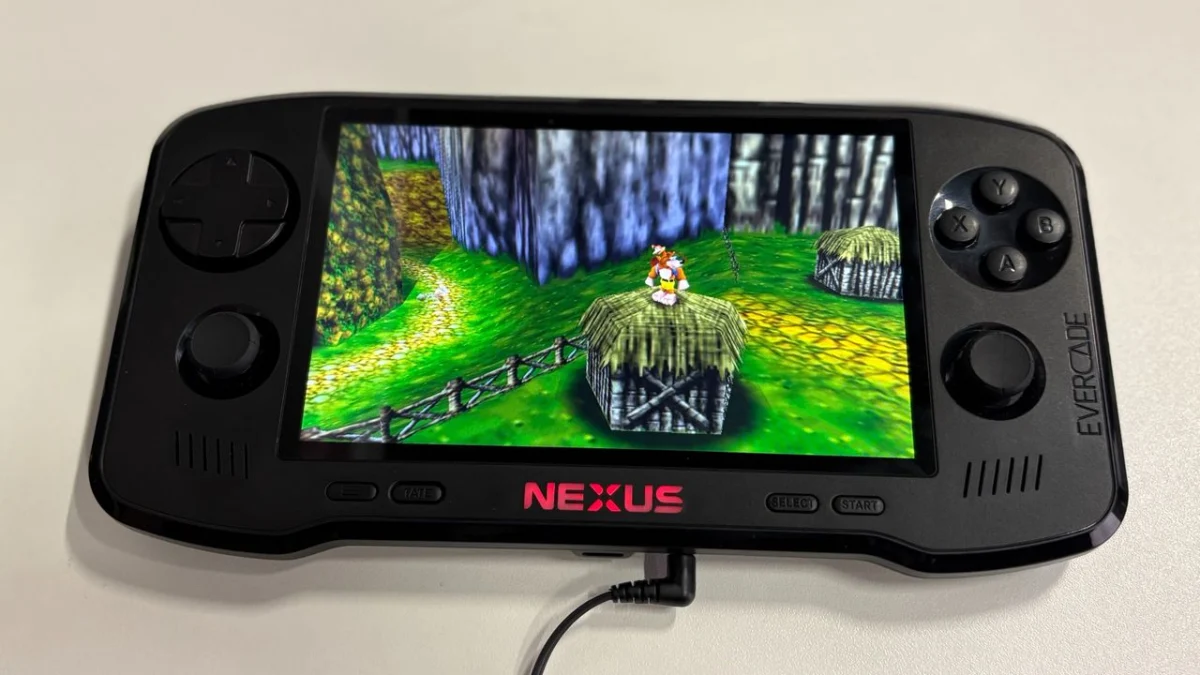
It is within this context that the Evercade Nexus emerges, a compelling new piece of hardware poised to reignite excitement for a tangible connection to gaming’s past. Unveiled at Gamescom 2026, this latest offering from UK-based Blaze Entertainment represents a significant evolution in their line of retro gaming consoles, meticulously designed to recapture the magic of yesteryear while embracing select modern conveniences.
The Evercade Philosophy: A Curated and Tangible Retro Experience
Unlike many contemporary retro handhelds that rely on user-provided emulators and a sometimes ethically ambiguous approach to game acquisition, the Evercade ecosystem champions a distinct philosophy. Its foundation lies in a meticulously curated library of officially licensed games, presented on physical cartridges. These cartridges boast a distinctive, gently curved design that seamlessly integrates with the handheld’s form factor, fostering a sense of unity and deliberate design. This tactile approach ensures that each game feels like a treasured artifact, rather than a mere digital file.
The significance of official licensing cannot be overstated. It guarantees that the games played are not only legally obtained but also, in many cases, optimized for the hardware. While some titles utilize emulation, a growing number are custom-built for the Evercade platform, offering a purer and more authentic experience. With a catalog already exceeding 80 cartridges, encompassing a vast spectrum of gaming history – from pioneering console titles to arcade classics and beloved home computer games – the Evercade Nexus is poised to solidify its place among the elite retro handhelds available on the market.
A Leap Forward: The Nexus and the Dawn of 3D Gaming
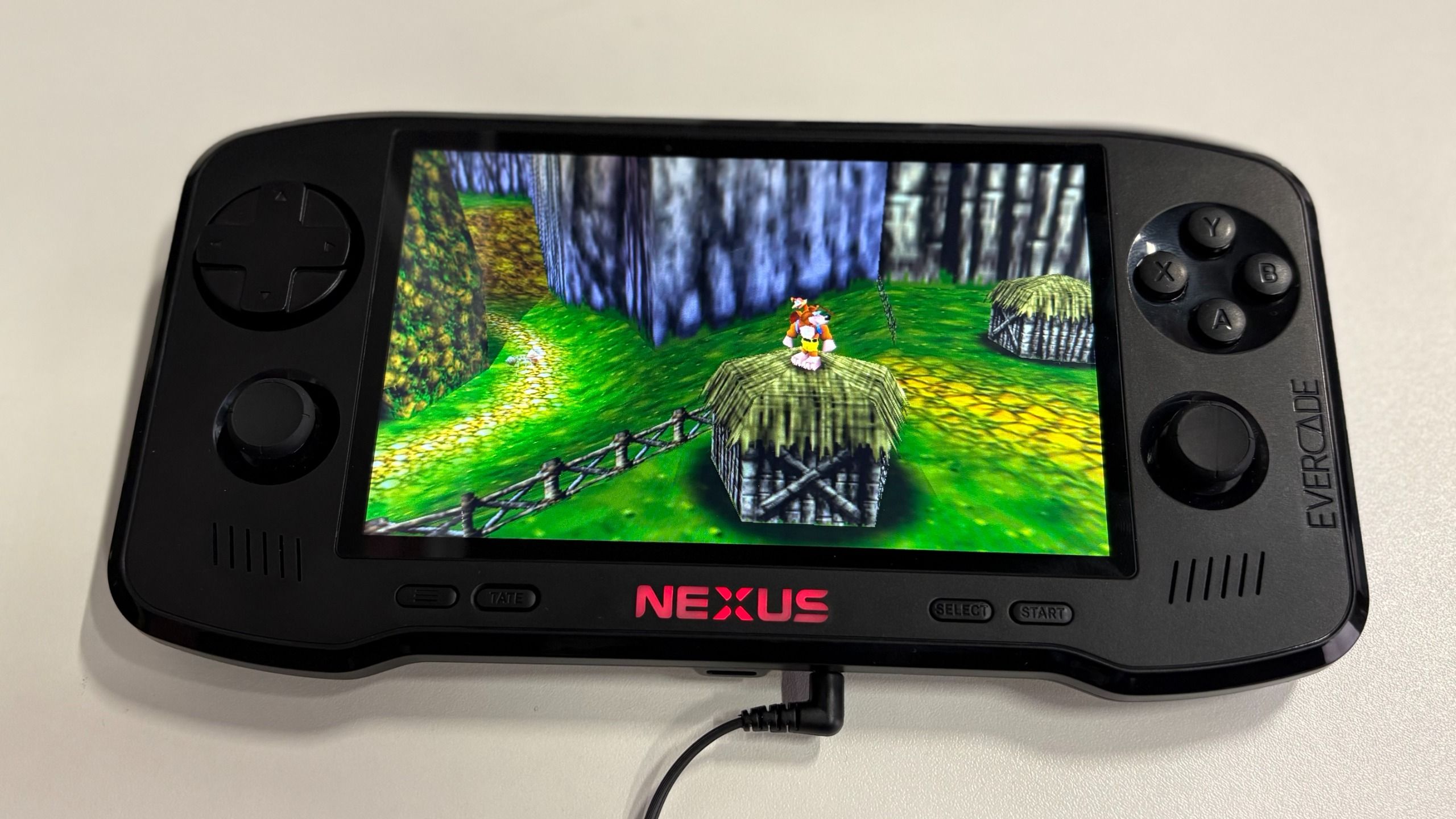
While Evercade’s initial offerings predominantly focused on the golden age of 8-bit and 16-bit gaming, the platform has undergone its own accelerated evolution, mirroring the progression of console generations. The Evercade Nexus marks a pivotal moment in this journey, signaling a clear embrace of the early 3D gaming era. This ambition is immediately evident in the inclusion of twin analog sticks, a crucial addition for navigating the burgeoning complexities of three-dimensional worlds.
Further underscoring this shift, the Nexus launches bundled with a cartridge featuring two seminal 3D platformers from the Nintendo 64 era: Banjo-Kazooie and Banjo-Tooie. This is a significant coup for Blaze Entertainment, bringing beloved titles that defined a generation of gaming to a dedicated retro platform.
Addressing the Display Dilemma: Widescreen and Native Ports
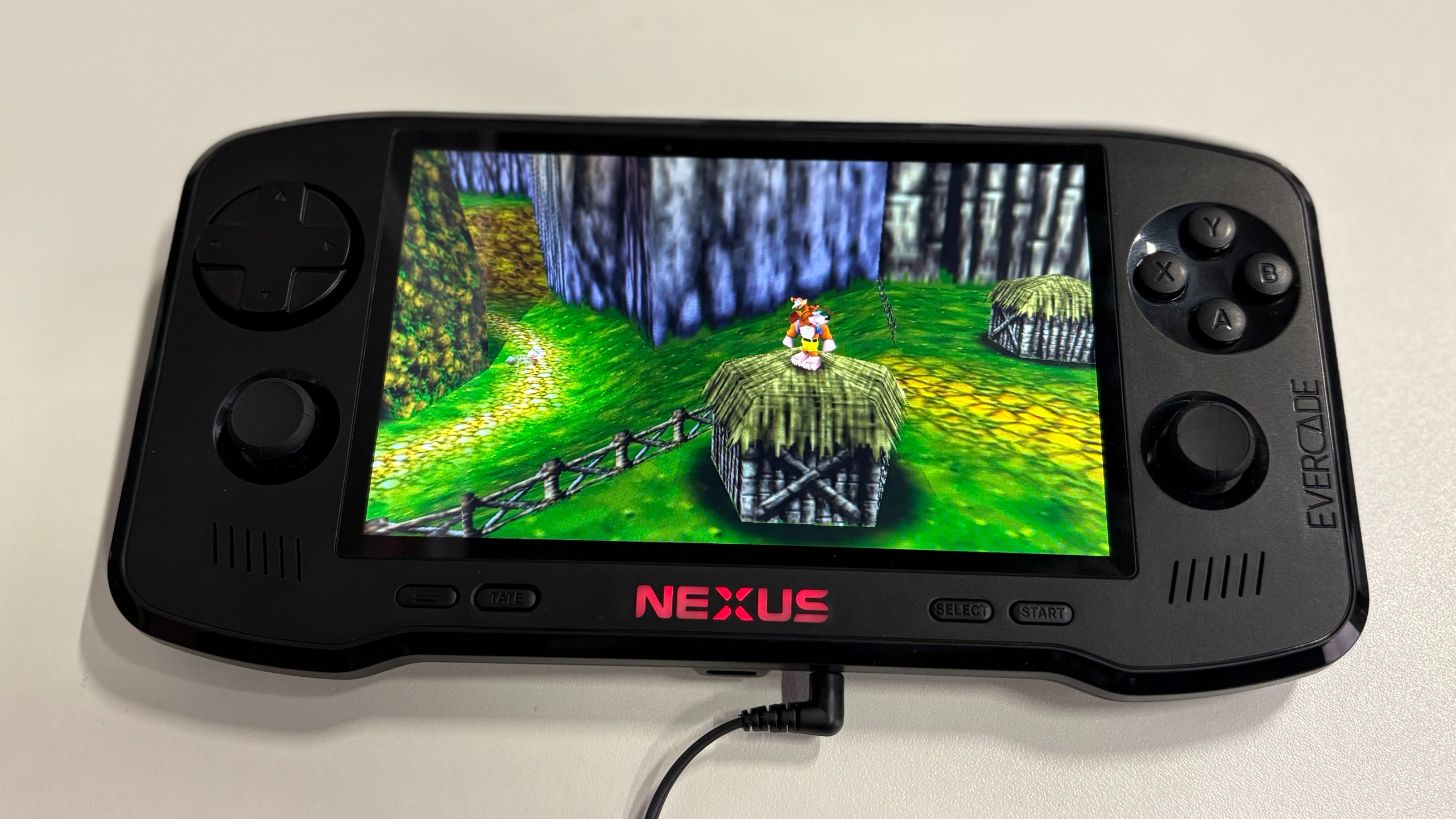
A common point of contention with retro handhelds is the prevalence of 16:9 displays attempting to accommodate games originally designed for the 4:3 aspect ratio. However, the inclusion of Banjo-Kazooie and Banjo-Tooie on the Nexus sidesteps this issue with remarkable ingenuity. These are not emulated versions; instead, they are native ports derived from Microsoft’s Rare Replay collection. This means they are expertly optimized for widescreen presentation, a significant visual upgrade from their original format. Moreover, players can now leverage the right analog stick for camera control, a modern convenience that profoundly enhances the gameplay experience in these 3D environments.
A Superior Visual Experience: The Nexus’s Enhanced Display
The Evercade Nexus boasts a larger 5.89-inch IPS display with a resolution of 840×512. This represents a considerable upgrade over the 4.3-inch 800×480 screen found on its predecessor, the Evercade EXP. The increased screen real estate provides a more immersive and detailed viewing experience, particularly for the 3D graphics of titles like the bundled Banjo games. While some might have wished for an OLED panel, Blaze Entertainment’s commitment to maintaining an affordable price point of £169.99 / $199.99 remains a strong selling point. The IPS screen, while not OLED, offers excellent brightness and color reproduction, ensuring a pleasing visual fidelity for a wide range of retro titles.
Built for Longevity: Resisting Market Volatility
In an industry frequently disrupted by supply chain issues and component shortages, the Evercade Nexus is engineered with a degree of foresight. Its modest yet functional internal memory ensures that the handheld is less susceptible to the unpredictable market fluctuations that have driven up the costs of other modern gaming devices. This focus on stability and accessibility is a welcome counterpoint to the often precarious nature of hardware acquisition in the current climate.
Enhanced Playability: Tate Mode and Symmetrical Controls
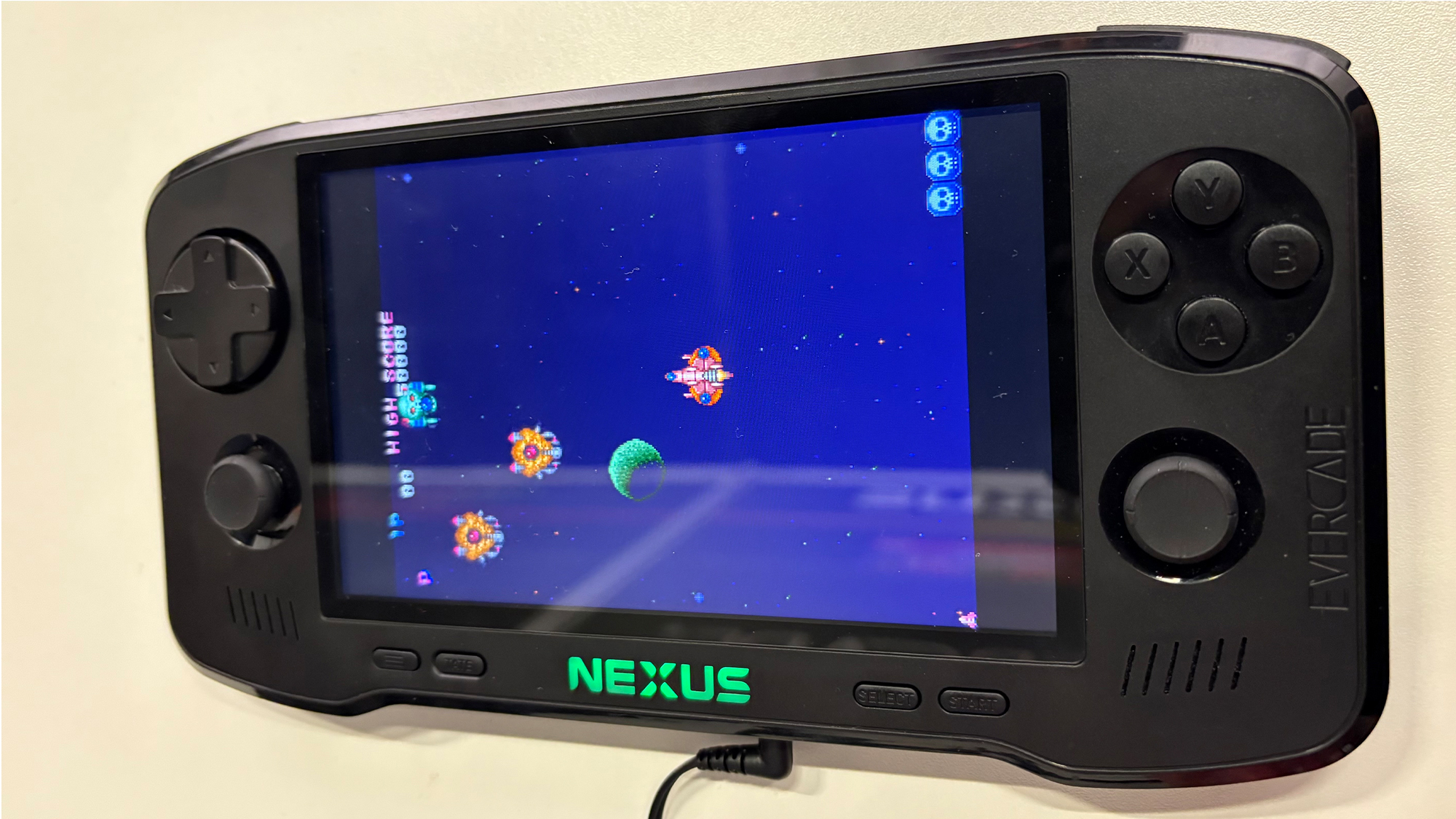
For aficionados of classic vertical scrolling shooters, the Evercade Nexus offers an improved "Tate mode." This feature allows users to flip the console on its side for an intended vertical orientation, offering a more immersive experience for games like those found in the Toaplan collection. While Tate mode was present on the EXP, its implementation on the Nexus is more streamlined, requiring no extra button presses to engage. The symmetrical layout of the twin analog sticks also contributes to this enhanced playability, providing a comfortable and intuitive control scheme for various game genres.
EverSync: A Novel Approach to Handheld Multiplayer
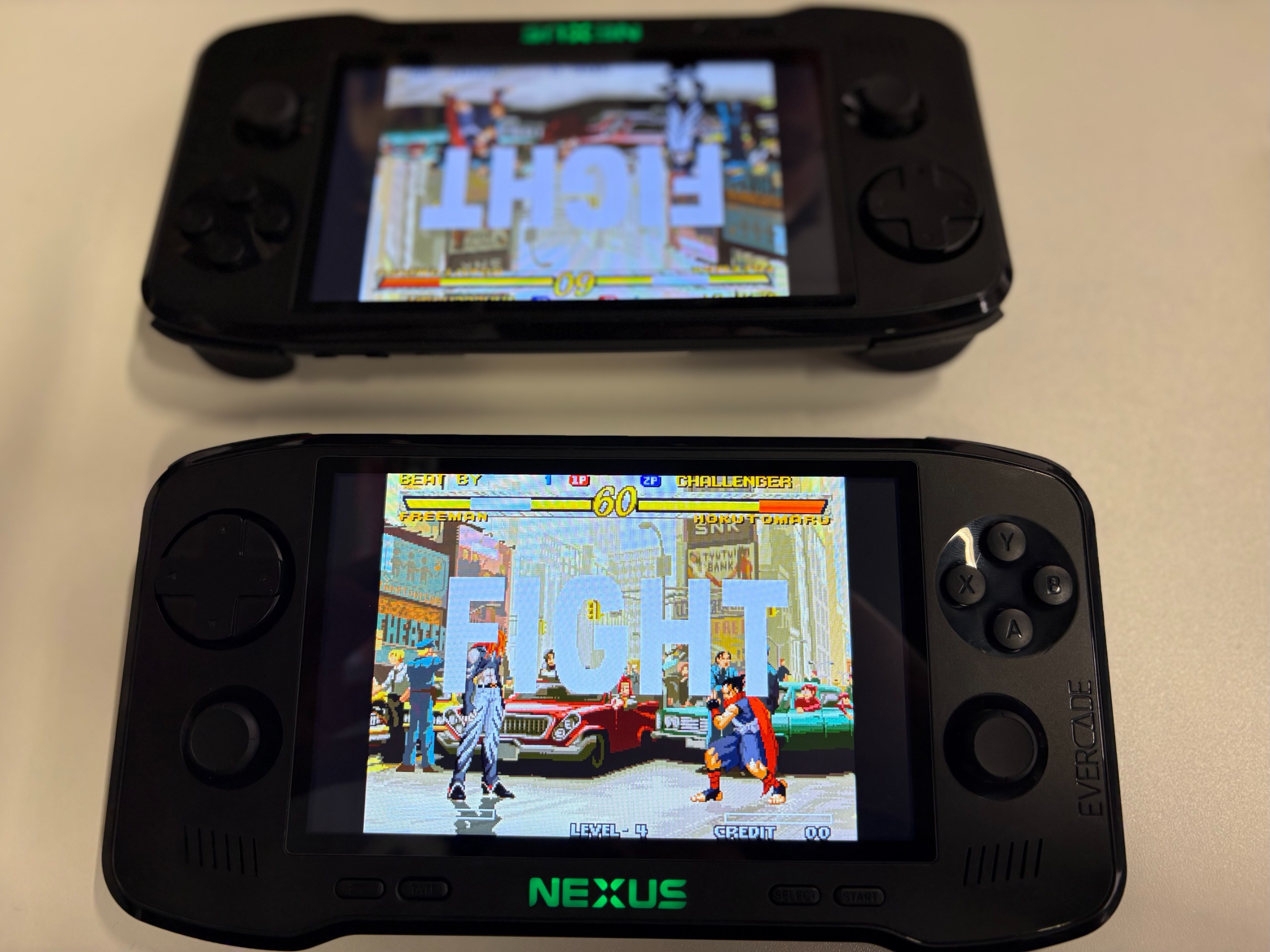
A standout exclusive feature for the Nexus at launch is "EverSync." This innovative system functions similarly to Nintendo’s Switch’s local GameShare feature, enabling multiplayer gaming between two Nexus owners where only the host needs to possess the game cartridge. During testing, this feature exhibited some minor inconsistencies, particularly when attempting to play a fast-paced competitive fighting game like Garou: Mark of the Wolves. While the dedicated Evercade VS home console, designed for TV connectivity, remains the premier choice for robust multiplayer experiences, EverSync presents an intriguing and potentially cost-effective option for impromptu local multiplayer sessions on the go.
Modern Touches, Retro Soul: Connectivity and Customization
Beyond its core retro gaming focus, the Evercade Nexus incorporates several modern conveniences. It supports wireless headphones, offering a more liberated gaming experience. Furthermore, it features Wi-Fi 6, primarily utilized for receiving console updates and firmware enhancements, ensuring the device remains optimized over time.
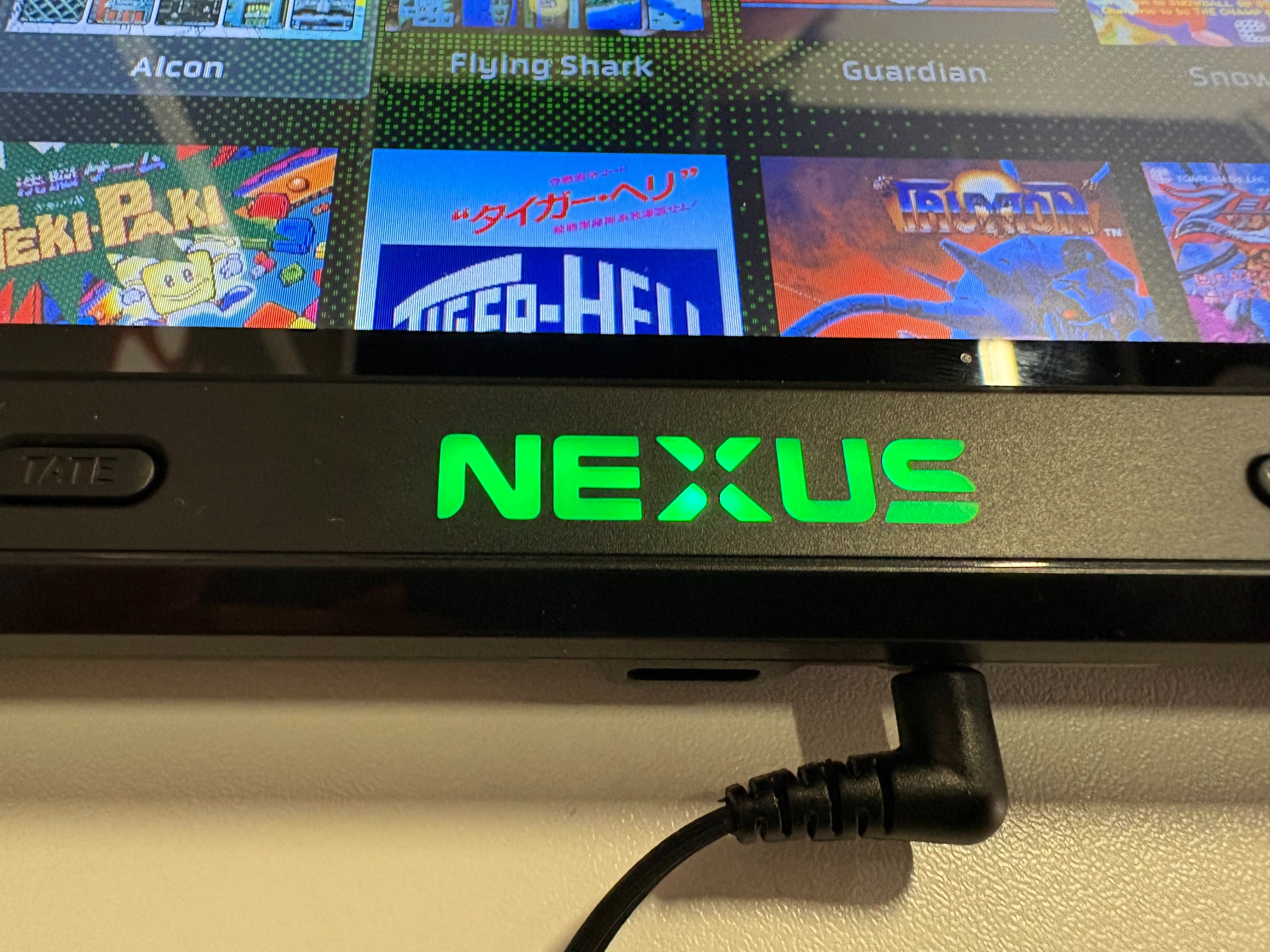
The inclusion of RGB lighting on the Nexus, while a nod to modern aesthetic trends, is a more subjective addition. For some, it might be seen as a welcome touch of personalization, while others, perhaps with a more curmudgeonly disposition towards excessive ornamentation, may find it a superfluous gimmick. Fortunately, the RGB lighting is confined to the Nexus logo and is easily adjustable or disableable through the device’s settings menu, allowing users to tailor the experience to their preferences.
The Software Question: Expanding the 3D Library
While the bundled Banjo games and the upcoming Doom Collection provide a strong launchpad, the long-term success of the Evercade Nexus hinges on Blaze Entertainment’s ability to secure licenses for a diverse range of 3D titles. The question remains: what other 3D releases can realistically be brought to the platform? The console is backward compatible with all existing Evercade cartridges, offering an enhanced experience for those titles. However, the allure of the Nexus lies in its capacity to deliver new, compelling 3D gaming experiences.
Without the presence of iconic titles like Super Mario 64, the future of the Nexus’s 3D library remains a subject of speculation. Will Blaze focus on further titles from the Rare Replay collection, or will they delve into more obscure, yet equally beloved, gems from the 32-bit and 64-bit eras? The potential for rediscovering forgotten classics and introducing them to a new generation of gamers is immense, and it is this curated approach to software that will ultimately define the Nexus’s legacy.
A Defiant Balm in a Volatile Market
In a gaming landscape where both PC and retro hardware are charting increasingly unsustainable trajectories, leading to the baffling emergence of four-figure handhelds, the Evercade Nexus stands as a defiant balm. It offers a tangible connection to a simpler era of gaming, where the joy of play was intrinsically linked to the physical act of holding the controller and inserting a cartridge. It represents a deliberate counter-movement against the ephemeral nature of digital ownership and the ever-present threat of obsolescence.
The Evercade Nexus is set to launch on October 30th, priced at £169.99 / $199.99, and will include the Banjo-Kazooie Double Pack. For those seeking a genuine, curated, and affordably priced gateway to the rich history of video games, the Nexus presents a compelling and timely proposition. It’s a testament to the enduring appeal of retro gaming, offering a tangible and deeply satisfying experience in a digital world that often feels increasingly out of our hands.