
The Jameson Raid: A Catalyst for War in Imperial Southern Africa
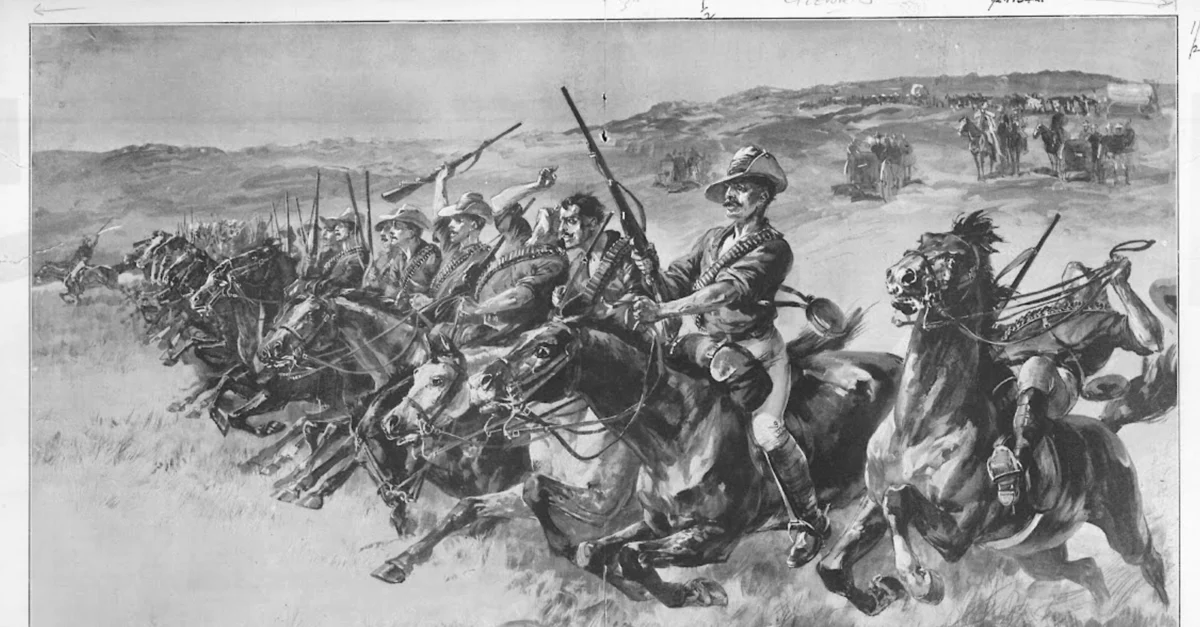
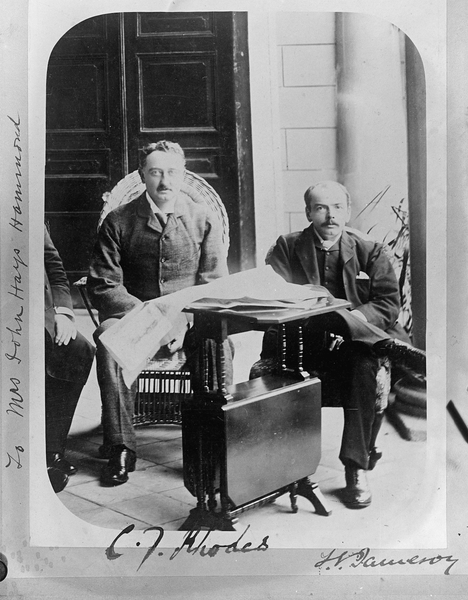
Johannesburg, Transvaal – In the closing days of December 1895, an audacious, unsanctioned military incursion into the independent Boer Republic of Transvaal dramatically escalated tensions across Southern Africa, setting the stage for one of the British Empire’s most contentious conflicts. Known as the Jameson Raid, this ill-fated attempt to seize control of the gold-rich republic was masterminded by the formidable millionaire imperialist Cecil Rhodes. Designed to trigger an internal uprising among disgruntled British expatriates, the raid spectacularly failed, unraveling a web of intrigue, discrediting its orchestrators, and ultimately pushing Britain and the Boer republics towards the brink of the Second Anglo-Boer War (1899-1902).
Main Facts: A Daring Imperial Gambit Gone Awry
The Jameson Raid was an unofficial and ultimately disastrous attempt by a British-led force to overthrow the government of the South African Republic (Transvaal) in December 1895. Orchestrated by Cecil Rhodes, then Prime Minister of the Cape Colony and a titan of British imperialism, the plan hinged on a small armed column, led by Dr. Leander Starr Jameson, invading Transvaal with the expectation that it would spark a widespread rebellion among the "Uitlanders" – primarily British and other European immigrant workers in the gold mining hub of Johannesburg. These Uitlanders, despite forming a significant portion of the population and generating much of Transvaal’s wealth, were denied full citizenship rights by the conservative Boer government under President Paul Kruger.
Rhodes’s motivations were a potent mix of economic interest, imperial ambition, and a desire to consolidate British control over Southern Africa, particularly the fabulously wealthy Witwatersrand goldfields. He envisioned a united South Africa under the British flag, an ambition fiercely resisted by the independent-minded Boers. The raid, however, was a total failure. The anticipated Uitlander uprising never materialized, and Jameson’s force, numbering between 500 and 600 men, was swiftly intercepted and decisively defeated by Boer commandos. The fiasco exposed the machinations of powerful figures like Rhodes, led to international condemnation, and profoundly deepened the mutual suspicion and animosity between the British and the Boers, transforming a simmering rivalry into an inevitable path towards full-scale war.
Chronology: From Colonial Footholds to the Brink of Conflict
The roots of the Jameson Raid lie deep in the history of European settlement and imperial expansion in Southern Africa.
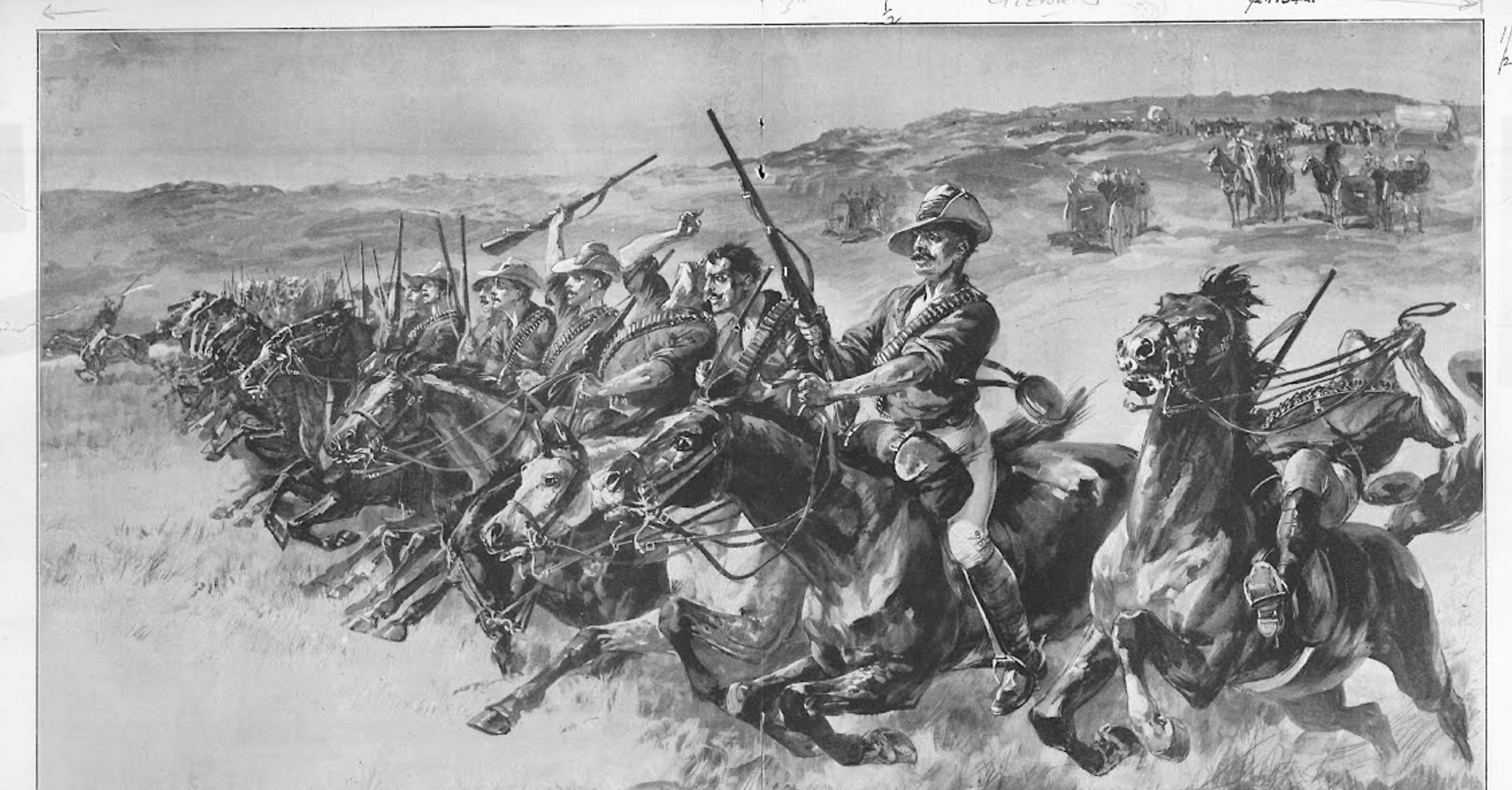
- 1806: Great Britain establishes the Cape Colony, seizing it from the Dutch. The Cape of Good Hope serves as a crucial strategic stopover for ships traversing routes to British India and other Asian possessions, solidifying British interest in the region.
- 1830s: The Great Trek: Discontented with British rule, particularly the abolition of slavery and increasing land pressures, over 14,000 Boers (descendants of Dutch and French settlers, meaning "farmers") migrate inland from the Cape Colony. These "Voortrekkers" seek new lands where they can preserve their independent way of life and cultural identity, speaking Afrikaans.
- 1843: Britain founds another colony, Natal, on the southeastern coast, further expanding its presence.
- 1852-1854: Birth of the Boer Republics: From their newly settled territories, the Boers establish two independent republics: Transvaal (officially the South African Republic) in 1852 and the Orange Free State in 1854. These republics embody the Boer desire for self-governance, free from British imperial oversight.
- 1867: Diamonds at Kimberley: The discovery of vast diamond deposits at Kimberley in Griqualand irrevocably alters the economic and political landscape of Southern Africa. This "mineral revolution" sparks a rush of prospectors and significantly increases British interest in controlling the region’s resources.
- 1871-1894: British Imperial Expansion Accelerates: Following the diamond discovery, Britain embarks on a steady and aggressive expansion. Griqualand is annexed as a Crown Colony in 1871. The powerful Zulu Kingdom is defeated in 1879, with Zululand becoming a Crown Colony in 1887. Other territories like Basutoland (1884), Bechuanaland (1885), Swaziland (1893), and Pondoland (1894) are brought under British protection or direct control, forming a patchwork of colonial holdings surrounding the Boer republics.
- 1880-1881: The First Anglo-Boer War: British attempts to annex Transvaal in 1877, under the pretext of defending against African tribal attacks, lead to armed resistance. The Boers, fighting for their independence, achieve a notable victory in this relatively small-scale conflict, forcing Britain to recognize Transvaal’s self-governance, albeit with some British suzerainty. This war serves as a stark warning of the Boers’ determination.
- 1886: Gold at Witwatersrand: The discovery of immense gold deposits on the Witwatersrand reef in Transvaal eclipses all previous mineral finds. This makes Transvaal the wealthiest and most strategically important territory in Southern Africa, attracting a massive influx of immigrants and intensifying British imperial lust. Johannesburg rapidly grows into a bustling, cosmopolitan city, transforming the agrarian Boer republic into an economic powerhouse.
- 1890: Cecil Rhodes Becomes Prime Minister: Cecil Rhodes, already a hugely successful diamond magnate and fervent advocate of British imperial expansion, becomes Prime Minister of the Cape Colony. His "Cape to Cairo" vision drives his ambition to unite Southern Africa under British rule, making the independent Boer republics an intolerable obstacle.
- Mid-1890s: Uitlander Grievances Deepen: The rapid influx of "Uitlanders" (Outsiders), primarily British, to the Witwatersrand goldfields creates a demographic imbalance in Transvaal. The Boer government, led by President Paul Kruger, implements discriminatory laws, including a 14-year residency requirement for voting, denying these tax-paying, military-serving immigrants political rights. This disenfranchisement becomes a key grievance exploited by Rhodes and the mine magnates.
- December 29, 1895: The Raid Begins: After months of secret planning and coordination with a conspiratorial Uitlander Reform Committee in Johannesburg, Dr. Leander Starr Jameson, leading a force of 500-600 British South Africa Company (BSAC) police and volunteers, crosses into Transvaal from Bechuanaland. The plan is to reach Johannesburg in three days and trigger an Uitlander uprising.
- January 1, 1896: Defeat at Doornkop: The raid is quickly detected by Boer intelligence. Jameson’s column, exhausted and low on ammunition, is intercepted by a superior Boer commando force under General Piet Cronjé near Krugersdorp. After a brief but intense skirmish, Jameson and his men are surrounded and forced to surrender at Doornkop.
- Immediate Aftermath: Jameson and his officers are arrested and eventually imprisoned. Rhodes is forced to resign as Prime Minister of the Cape Colony and director of the BSAC. The British government disowns the raid, but international outrage, particularly from Germany (the "Kruger Telegram"), highlights Britain’s imperial overreach.
- 1897-1905: Alfred Milner’s Role: Alfred Milner, appointed British High Commissioner for South Africa, actively exacerbates Anglo-Boer relations, manipulating public opinion and obstructing diplomatic solutions.
- October 1899: Second Anglo-Boer War: The Jameson Raid, having irreparably damaged trust and intensified militarization on both sides, directly contributes to the outbreak of the Second Anglo-Boer War, a brutal and costly conflict that would redefine the region.
Supporting Data: The Economic Engine and Political Frictions
The context of the Jameson Raid is inextricably linked to the immense wealth generated by Southern Africa’s mineral discoveries and the resulting socio-political dynamics.
The Economic Prize:
The discovery of diamonds in 1867 and, more significantly, gold in 1886 transformed Southern Africa from a relatively modest agrarian region into a global economic hotspot. The Witwatersrand goldfields, in particular, were not just rich; they were unprecedented. By 1899, British investments in Transvaal alone totalled over £350 million, with a staggering two-thirds of the Witwatersrand mines owned by British shareholders. This colossal financial stake underscored the British government’s, and especially figures like Rhodes’s, profound interest in controlling Transvaal.
The mine magnates, often referred to as the "Randlords" by the British or the "Gold Bugs" by Transvaal President Paul Kruger, were an influential group that included figures like Julius Wernher, Barney Barnato, Alfred Beit, and Cecil Rhodes. Their immense wealth from both diamond mines in Kimberley and the gold mines of Witwatersrand gave them significant political leverage.
The Uitlander Grievance:
The gold rush led to a dramatic demographic shift. By the mid-1890s, Johannesburg’s population swelled to 100,000, largely composed of "Uitlanders" – white immigrants from Britain, Europe, and beyond. Despite their economic contribution and often possessing specialized skills vital to the deep-level mining operations, the conservative Boer volksraad (legislature) systematically denied them political rights. A particularly contentious law stipulated that white immigrants could only vote after 14 years of residency, effectively disenfranchising the majority and ensuring Boer political dominance. These Uitlanders were, however, obliged to pay taxes and perform military service for the Transvaal government, fueling widespread resentment.
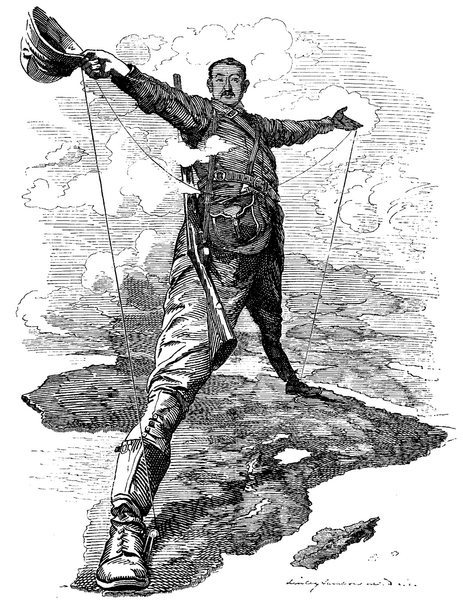
As the historian M. Corey noted of Rhodes, he was "convinced of the racial superiority of Europeans, he dispossessed vast numbers of black Africans and contributed to generations of racial conflict in southern Africa" (378). This imperialist mindset extended to the Uitlanders, whom Rhodes saw as natural allies in his quest to bring Transvaal under British control, and whose grievances he readily exploited.
Economic Policies and Discontent:
Beyond political disenfranchisement, the Randlords and Uitlanders had several economic bones of contention with Kruger’s government:
- Alcohol Policy: Mine owners argued that rampant alcohol consumption, which they claimed incapacitated 15-25% of their Black labourers, severely hampered productivity. Their calls for prohibition were largely ignored until 1896 and even then, poorly enforced.
- Tax Laws: The Transvaal government’s tax structure disproportionately affected the deeper, more capital-intensive mines favored by the Randlords, compared to the shallower operations of smaller prospectors.
- Monopolies: The government’s control over the railways and the dynamite supply (crucial for mining) led to inflated costs, making gold extraction from the region’s low-grade ore an already expensive endeavor even pricier. These monopolies were seen as graft and an impediment to efficient business by the mine owners.
The Military Disparity:
Jameson’s raiding force, though small, was relatively well-equipped for its time. Comprising 500-600 cavalry, including experienced BSAC policemen, they were armed with the new Lee-Metford magazine rifles, eight Maxim machine guns, and three artillery pieces. This reflected the modern military technology available to the British colonial forces. However, the element of surprise was crucial for such a small force, and its loss proved fatal against the highly mobile and defensively prepared Boer commandos, who, though initially less technologically advanced, were superb horsemen and marksmen, deeply familiar with the terrain.
Official Responses: Disavowal, Inquiry, and Escalation
The immediate aftermath of the Jameson Raid was characterized by a scramble for damage control, official inquiries, and a sharp increase in international diplomatic tensions.
British Disavowal and Inquiry:
Upon news of the raid’s failure, the British Crown swiftly disowned the action. Queen Victoria and the British government publicly condemned Jameson’s unauthorized incursion, largely to maintain plausible deniability and avoid international censure for what was clearly an act of aggression against an independent state. Two official inquiries were launched: one in the Cape Colony and another in London. These inquiries, while ultimately holding Jameson and Rhodes accountable, were criticized for not fully exposing the extent of official complicity or foreknowledge within certain British circles.
Rhodes’s Fall from Grace (and Jameson’s Resilience):
Cecil Rhodes, caught in the web of his own making, faced severe consequences. When the full extent of his involvement emerged, he was compelled to resign as Prime Minister of the Cape Colony and as director of the British South Africa Company (BSAC) in 1896. His reputation, once soaring as an architect of empire, was seriously tarnished.
Dr. Leander Starr Jameson, the raid’s military leader, was arrested and subsequently imprisoned in England. He was charged under the Foreign Enlistment Act for enlisting in a foreign army, receiving a sentence of 15 months. Remarkably, this setback did not permanently derail his political career. Displaying an extraordinary resilience, Jameson was elected Prime Minister of the Cape Colony in 1904, just eight years after his ignominious defeat. This demonstrated a segment of the British public’s continued admiration for imperial adventurers, or perhaps a pragmatic acceptance of his leadership qualities despite the earlier misstep.
The "Kruger Telegram":
One of the most significant immediate international responses came from Kaiser Wilhelm II of Germany. He sent a congratulatory telegram to President Paul Kruger, praising him for successfully repelling the raid without needing the help of "friendly powers." This "Kruger Telegram" was a diplomatic bombshell, widely interpreted in Britain as a hostile act and a challenge to British imperial supremacy in Southern Africa. It inflamed Anglo-German relations and underscored Britain’s isolation on the international stage regarding its colonial ambitions.
Boer Fortification:
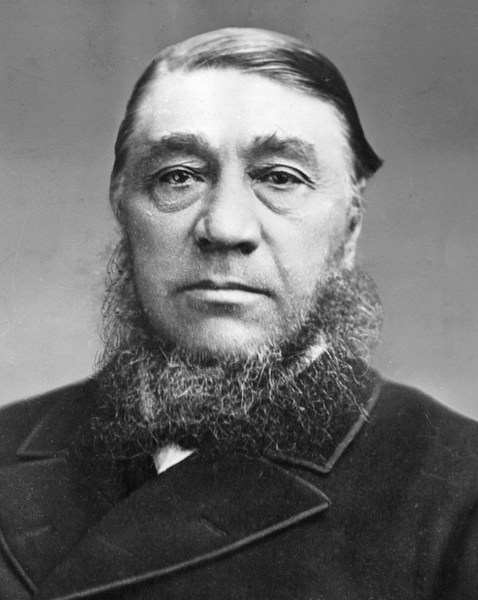
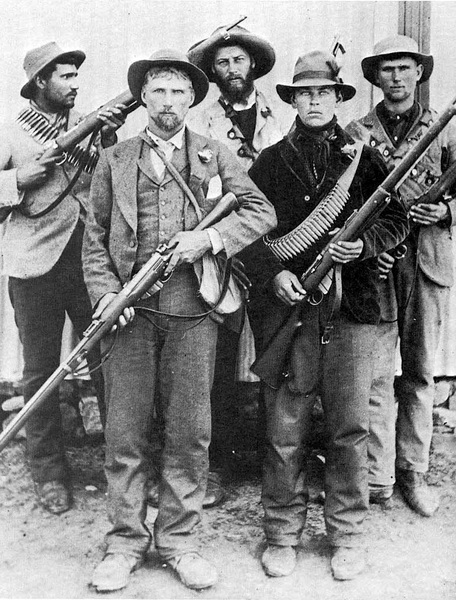
The raid served as a stark confirmation of the Boers’ deepest suspicions regarding British imperial intentions. The Transvaal government, under President Kruger, wasted no time in quadrupling its military budget. Within four years of the raid, Kruger had equipped his commandos with 80,000 of the latest German Mauser rifles and a staggering 80 million rounds of ammunition. He also solidified a defensive alliance with the Orange Free State, recognizing the existential threat posed by British expansionism.
Implications: The Inevitable Path to War and Lasting Legacy
The Jameson Raid proved to be a pivotal moment, irrevocably altering the trajectory of Southern African history and accelerating the countdown to a larger, more devastating conflict. As Jan Smuts, future Prime Minister of South Africa, succinctly put it: "The Jameson Raid was the real declaration of war in the Anglo-Boer conflict" (Fremont-Barnes, 22).
Shattered Trust and Escalating Tensions:
The raid utterly shattered any remaining semblance of trust between the British and the Boer republics. The Boers viewed it as conclusive proof of British perfidy and a direct assault on their sovereignty. This deep-seated suspicion made diplomatic solutions increasingly difficult, if not impossible.
Alfred Milner’s Role:
While Colonial Secretary Joseph Chamberlain is often blamed for stoking hostile relations with the Boers, there is little concrete evidence of his direct instigation. However, Alfred Milner, appointed British High Commissioner in South Africa between 1897 and 1905, played a far more direct and incendiary role. As historian S.C. Smith observes, Milner "manipulated the press in both South Africa and Britain" (90), deliberately fostering a climate of opinion that made compromise untenable. His actions, such as abruptly cutting short the Bloemfontein Conference in June 1899 (intended to address Uitlander rights), further "shattered Boer confidence in British good faith" (Smith, 90). Milner’s uncompromising stance and aggressive push for British dominance left the Boers with little alternative but armed resistance.
The Second Anglo-Boer War (1899-1902):
The raid’s direct legacy was the Second Anglo-Boer War, a conflict far larger and more brutal than its predecessor. Fueled by imperial ambition, economic greed, and deep-seated cultural and political animosities, the war was devastating. Britain, despite its overwhelming numerical and technological superiority, faced tenacious Boer guerrilla resistance. The British response, including the notorious scorched-earth tactics and the establishment of civilian concentration camps where tens of thousands of Boer women and children perished, severely tarnished Britain’s international reputation.
Union of South Africa and Apartheid’s Seeds:
Britain eventually won the war in 1902, absorbing the two Boer Republics into its empire. In 1910, the British colonies and the former Boer republics were united to form the Union of South Africa. While this achieved Rhodes’s dream of a unified South Africa under British suzerainty, the legacy of the Anglo-Boer Wars, and the racial ideologies that underpinned British imperialism and Boer nationalism, continued to fester. The policies of segregation and discrimination against the Black African majority, which were already evident in the Uitlander issue, would ultimately evolve into the system of Apartheid, casting a long, dark shadow over the nation’s future.
The Jameson Raid, a desperate gamble by an imperialist visionary, failed in its immediate objective but succeeded in irrevocably altering the course of Southern African history. It was a clear demonstration of the ruthless lengths to which imperial powers would go to secure economic advantage and political dominance, leaving a legacy of conflict and division that would resonate for generations.

Leave a Comment