The Fabric of the Uncanny: How SoHo’s Furry Puppet Studio and the Henson Lineage Redefine Surrealism
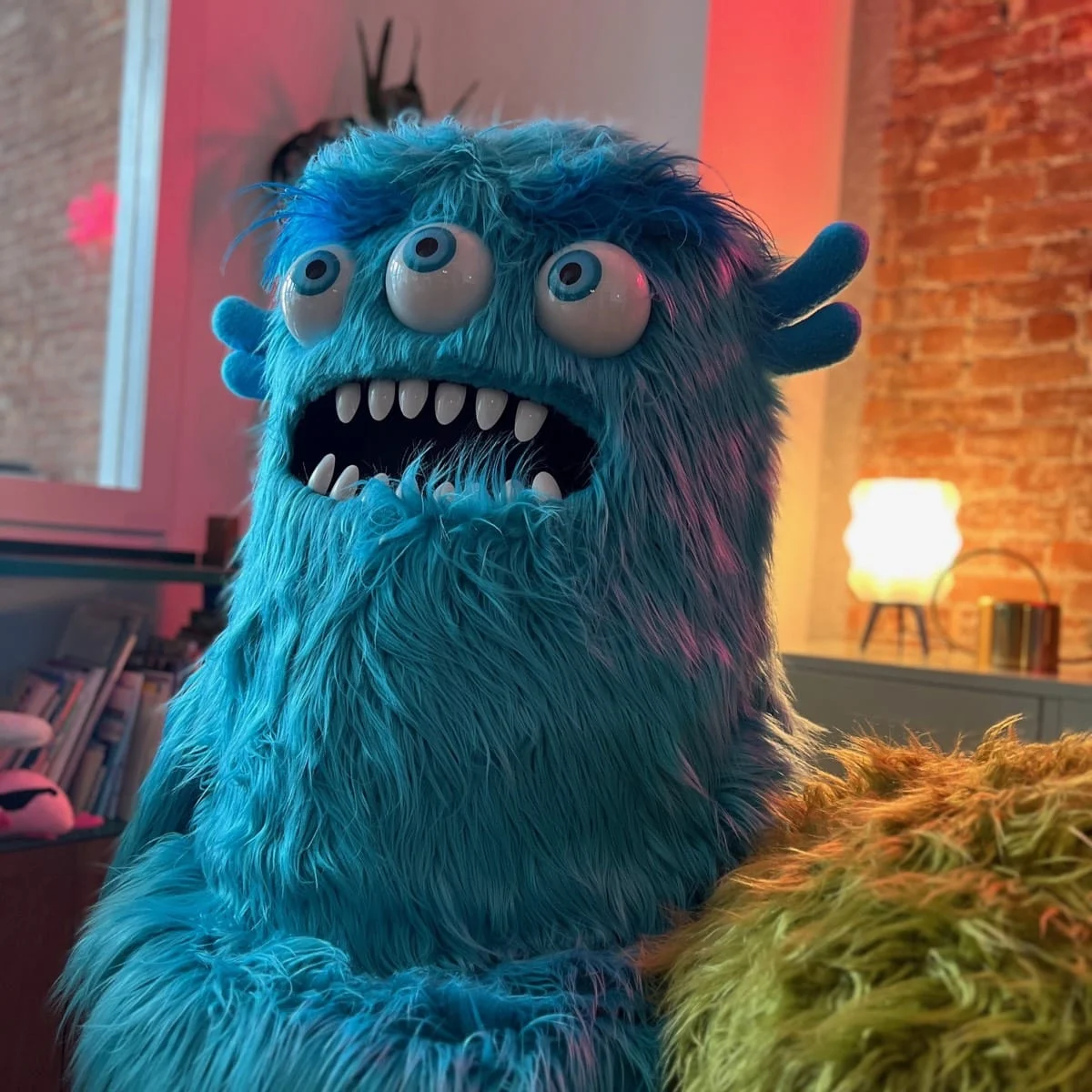
In an era increasingly dominated by pixels and generative algorithms, a small studio in SoHo is proving that the most profound disruptions of reality are still carved by hand. Furry Puppet Studio, a design house nestled in the heart of Manhattan’s historic arts district, has emerged as a cornerstone of modern tactile surrealism. While the public often associates puppetry with the safe confines of children’s television, the work emerging from this studio—and the lineage it inherits from Jim Henson and Big Nazo—suggests that the medium is, and always has been, an avant-garde instrument designed to navigate the "uncanny valley."
Main Facts: The Modern Surrealist Workshop
Furry Puppet Studio describes its output with a deceptive simplicity: "We do pretty unusual work." However, for curators and critics of surreal art, the studio’s catalog represents a sophisticated continuation of the Surrealist Manifesto. The studio specializes in custom, hand-built creatures that bridge the gap between the mundane and the marvelous.
Their portfolio includes high-profile collaborations that have permeated global pop culture. Notable works include:
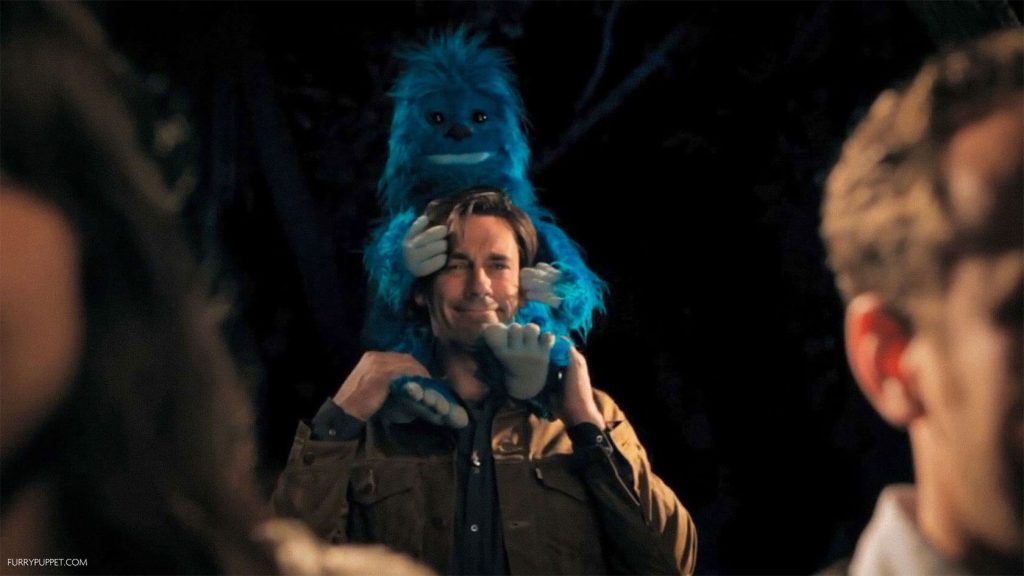
- The Blue Yeti: Created for a Herman Düne music video featuring Jon Hamm, this creature embodies the surrealist trope of the "unremarkable marvelous"—a mythical beast standing on a roadside, treated as a common hitchhiker.
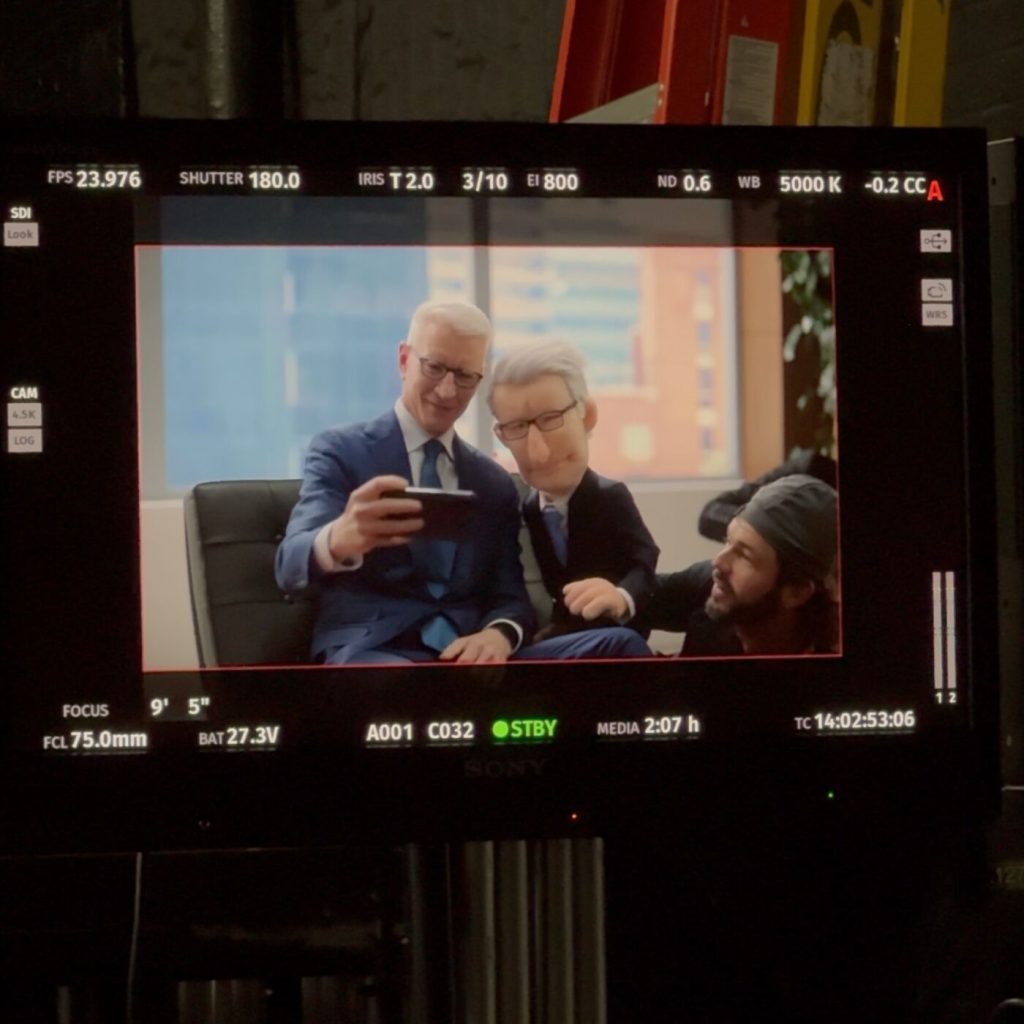
- The Doppelgänger Project: For CNN’s New Year’s Eve broadcast, the studio produced hyper-realistic puppet doubles of hosts Anderson Cooper and Andy Cohen, tapping into the Freudian concept of the unheimlich (the uncanny).
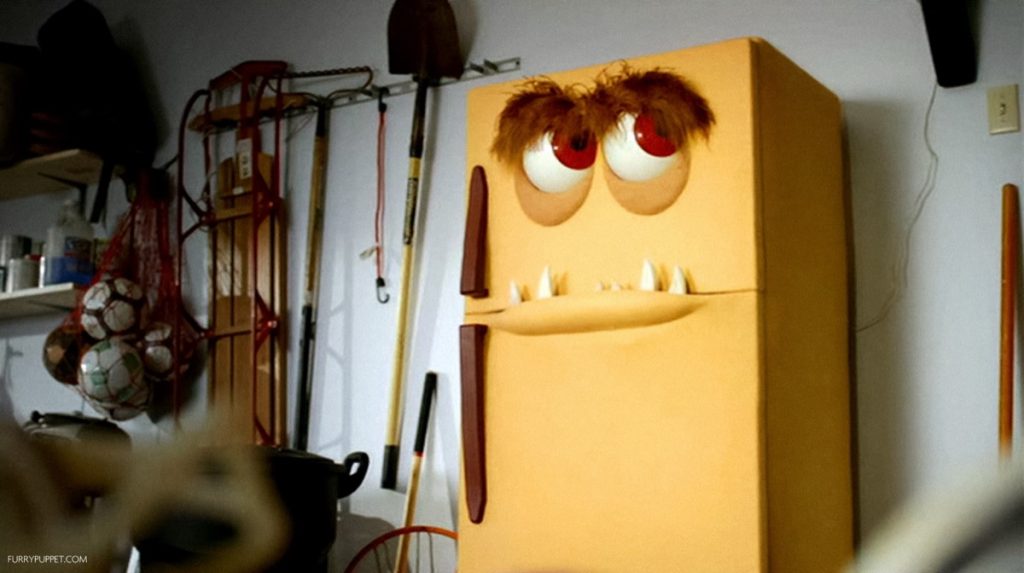
- The Animated Object: A recurring theme in the studio’s work involves giving sentience to appliances, such as a refrigerator with heavy eyelids and bushy brows, echoing the work of René Magritte and Meret Oppenheim.
- The "WTF" Marionettes: For Missy Elliott and Pharrell Williams’ music video "WTF (Where They From)," the studio engineered marionettes with internal mechanics that allowed professional street dancers to "drive" them, blending hip-hop culture with traditional puppetry.
The studio operates on a philosophy that puppetry is not about "cuteness" but about the "impossible." By placing a being that has no right to exist in front of a viewer and convincing them of its vitality, the studio achieves the primary goal of surrealism: the subversion of the rational world.

Chronology: The Evolution of the Tactile Avant-Garde
To understand the significance of Furry Puppet Studio, one must trace the chronological development of puppetry as an experimental art form.
1965: Henson’s Experimental Roots
The lineage begins not with Sesame Street, but with Jim Henson’s 1965 short film Time Piece. This nine-minute, dialogue-free experimental work was nominated for an Academy Award and screened at the Museum of Modern Art. It utilized associative logic—a man in a hospital bed, a cowboy shooting the Mona Lisa, and rhythmic, percussive editing—to explore the subconscious. This established the puppet maker as a legitimate member of the avant-garde, a reputation Henson maintained through darker projects like The Dark Crystal (1982).
1986: The Birth of Big Nazo
In the mid-1980s, the movement shifted toward public spaces. Erminio Pinque, a RISD-trained illustrator, founded Big Nazo in Providence. Pinque’s mission was to create a "puppet show without a stage." By deploying nine-foot foam insects and aliens into street parades and festivals, Big Nazo practiced "surrealism as public ambush." This era introduced the concept of "automatism" to puppetry—the belief that the accidents occurring during live, chaotic interactions with the public held more artistic truth than a scripted performance.
The 2000s: The Buchman Era
Zack Buchman founded Furry Puppet Studio with an "outsider’s perspective," having bypassed formal collegiate training in the craft. Buchman’s approach brought a high-fashion, high-tech aesthetic to the Henson tradition. By establishing a base in SoHo, Buchman positioned puppetry alongside the high art galleries of New York, focusing on the technical perfection of the "uncanny" rather than mere theatricality.
Supporting Data: The Anatomy of the Impossible
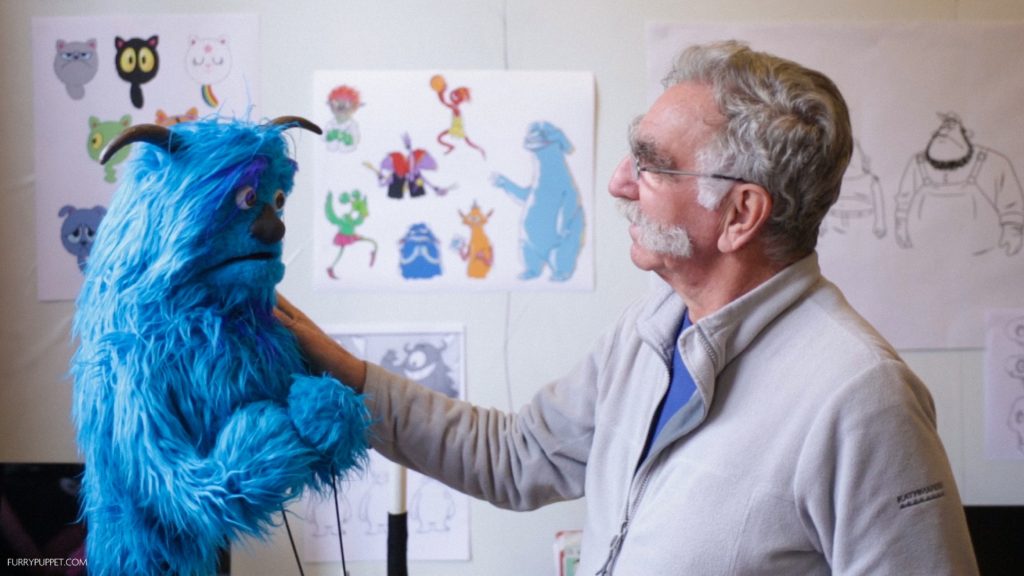
The effectiveness of these surreal creations is rooted in a rigorous, highly specialized fabrication process. Unlike digital effects, which rely on light simulation, the studio relies on physical mass and proprietary materials.
The Material Science of "Dream Fleece"
The studio manufactures its own fabric, dubbed "dream fleece." This material is engineered to hide seams and absorb light in a way that mimics biological skin or fur, preventing the "plastic" look that often breaks the illusion of life.
The "No Undo" Method
Every creature begins as a solid block of industrial foam. The studio’s lead carvers—whom Buchman likens to a "real-life Edward Scissorhands"—sculpt the forms by hand using blades. This method allows for no "undo" function; every cut is a permanent decision. This high-stakes craftsmanship imbues the finished product with a level of intentionality and "weight" that digital renders often lack.
The Team Composition
The studio’s multidisciplinary team is a testament to the complexity of the craft:
- Mechanical Engineers: Responsible for the skeletal structures and animatronics that allow for nuanced movement.
- Polly Smith: A legendary costume designer and the co-inventor of the sports bra, Smith brings an expert understanding of how fabrics move with the human body, essential for wearable "mascot" style puppets like the shaggy green creature worn by Matt Damon on Jimmy Kimmel Live.
- The Hinge of the Eye: Buchman identifies the placement of the eyes as the "hinge" of the entire process. A fractional shift in the pupil’s position can change a puppet’s expression from suspicious to approachable. This is the moment fabrication becomes "presence."
Official Responses: Philosophies of the Makers
The leaders of this movement view their work through a lens of psychological impact rather than mere entertainment.
Zack Buchman emphasizes the "click" of belief. "The goal is the instant disbelief clicks off," Buchman has stated. "When your brain stops hunting for the rods and simply accepts that what it is seeing is alive." For Buchman, this is not a technical note for a puppeteer; it is the fundamental project of surrealism—to force the viewer to accept a new reality.
Erminio Pinque of Big Nazo echoes this sentiment, focusing on the power of the "wonderful failure." Pinque believes that the "accidents" and "good juxtapositions" found when a foam creature enters a space it doesn’t belong are where true art happens. He describes his process as being "free to fail wonderfully," a philosophy that aligns with the Surrealist faith in the subconscious.
Critics of the medium often point to the "Uncanny Valley"—a term coined by roboticist Masahiro Mori in 1970 to describe the revulsion humans feel toward things that look almost human but not quite. However, the artists at Furry Puppet Studio lean into this valley. They argue that by masterfully navigating this discomfort, they can evoke a stronger emotional response than something purely "cute" or purely "realistic."
Implications: The Physicality of Belief in a Digital Age
The continued success and relevance of Furry Puppet Studio have significant implications for the future of visual media and art.
1. The Resistance to the Digital Monoculture
As CGI and AI-generated imagery become the default for "impossible" visuals, the demand for tactile, physical objects is rising. There is a "secret ingredient" to physical puppetry: weight. A viewer’s brain can subconsciously detect the way gravity acts on a foam limb or how light interacts with real fleece. This physical presence creates a level of trust between the viewer and the image that digital media struggles to replicate.
2. Puppetry as a Tool for the Avant-Garde
The studio’s work proves that the puppet is not a relic of the past but a versatile tool for the modern avant-garde. By integrating puppets into music videos for artists like Missy Elliott and Apple’s global advertising campaigns, the medium is being used to explore themes of identity, the double, and the nature of reality.
3. The Survival of SoHo’s Artistic Identity
The existence of a high-end fabrication shop on Broadway in SoHo is a symbolic victory for the neighborhood’s artistic roots. In an area increasingly dominated by luxury retail, Furry Puppet Studio maintains the tradition of the "artist’s loft," where raw materials are transformed into dream-like objects.
4. Educational and Cognitive Value
The "uncanny" work of these studios provides a roadmap for anyone working in creature design, whether for film, gaming, or robotics. By studying how a hand-carved block of foam can be made to "breathe," creators can learn the precise psychological triggers that lead to human empathy and belief.
In conclusion, Furry Puppet Studio is not merely a vendor of props; it is a laboratory for the surreal. By standing on the shoulders of Henson and Pinque, Zack Buchman and his team are ensuring that the "marvelous" continues to erupt into our ordinary lives. Whether it is a lovelorn yeti or a talking refrigerator, these creations remind us that the most convincing lies are the ones we can hold in our hands.