The Fintech Consolidation of the Decade: Inside Stripe and Advent’s Pursuit of PayPal
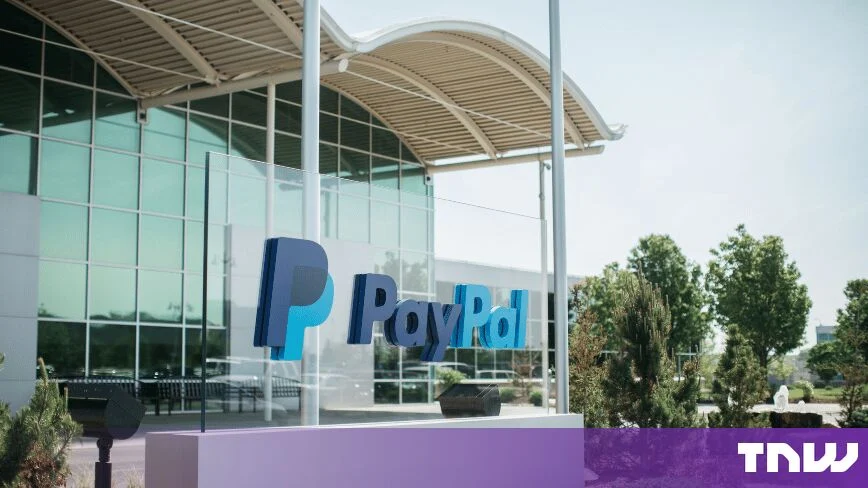
The global financial technology landscape is on the precipice of its most significant transformation since the dawn of digital payments. Following a series of high-stakes negotiations and strategic maneuvers, the potential acquisition of PayPal by Stripe and private equity powerhouse Advent International has shifted from a speculative rumor to a structured dialogue. What began as a rejected $53 billion bid in July has evolved into a sophisticated negotiation that could redefine how $3.7 trillion in annual transaction volume is managed across the globe.
Main Facts: A Paradigm Shift in Digital Finance
The core of the current development lies in a fundamental change in framing. While initial reports suggested PayPal was the target of a hostile or unsolicited approach, recent disclosures from The Wall Street Journal indicate that PayPal is now actively "in talks" to sell itself. This distinction suggests that the PayPal board, led by CEO Enrique Lores, has moved past the defensive posture of mid-summer and is now seeking an optimal exit or partnership strategy.
The proposed deal involves a consortium led by Stripe—the dual-headquartered (San Francisco and Dublin) payment processing giant—and Advent International, one of the world’s largest private equity firms. The initial offer, presented in July, was pegged at $60.50 per share. While the PayPal board initially deemed this "inadequate," the two sides have remained at the negotiating table, signaling that a deal is not a matter of "if," but of "how much."
If finalized, the merger would create a fintech behemoth with unprecedented vertical integration. Stripe currently processes approximately $1.9 trillion annually, primarily serving the merchant side of the ecosystem. PayPal, along with its subsidiary Venmo, commands the consumer side with over 440 million active accounts. Together, the combined entity would oversee nearly $4 trillion in annual flow, effectively owning both the infrastructure used by businesses and the digital wallets used by consumers.
Chronology: From Rejection to Negotiation
The timeline of this potential merger reveals a calculated dance between a company seeking to reclaim its lost valuation and a suitor sensing a generational opportunity.
- July 15, 2024: News first breaks of a $60.50 per share offer from Stripe and Advent International. The bid, valued at over $53 billion, was backed by roughly $50 billion in committed bank financing.
- July 17, 2024: The PayPal board of directors formally rejects the offer, labeling it "too low" and "insufficient" to reflect the company’s long-term intrinsic value. Despite the rejection, PayPal shares surged 19% to $56.60, indicating strong investor appetite for a deal.
- Late July 2024: PayPal releases its second-quarter earnings, reporting a "beat" on expectations. Simultaneously, Cantor Fitzgerald issues a $70 price target for the stock. CEO Enrique Lores publicly states that the company remains open to any proposal that offers "superior value" to shareholders.
- August 5, 2024: Mergermarket publishes a critical regulatory assessment, highlighting the antitrust hurdles and the structural implications of a "two-sided" market dominance.
- August 14, 2024: The Wall Street Journal reports that talks have intensified. The narrative shifts from PayPal "fielding an offer" to PayPal "in talks to sell itself."
- Late August 2024: Market analysts begin pricing in a potential deal in the $65–$72 range, as negotiations continue behind closed doors.
Supporting Data: The Economic Logic of a $3.7 Trillion Merger
The scale of this transaction is best understood through the lens of volume and market positioning. Stripe’s core strength is its merchant-facing API, which has become the "financial plumbing" of the internet. However, Stripe has historically remained reliant on the rails provided by legacy giants like Visa and Mastercard.
The Volume Powerhouse
By acquiring PayPal, Stripe gains immediate access to a closed-loop ecosystem.
- Stripe Merchant Volume: ~$1.9 Trillion
- PayPal/Venmo Consumer Volume: ~$1.8 Trillion
- Combined Reach: $3.7 Trillion
This combined volume would allow Stripe to bypass traditional credit card networks for a significant portion of its transactions. If a merchant uses Stripe and a consumer pays with a PayPal wallet, the transaction can be settled internally, drastically reducing the interchange fees paid to external banks and card networks.
The Valuation Gap
PayPal’s willingness to negotiate is driven by its dramatic fall from grace. At its pandemic-era peak, the company was a market darling, but it has since shed approximately $320 billion in market capitalization. When Stripe’s proposal arrived, PayPal was trading near historic lows. Despite a solid Q2 revenue of $8.68 billion (up 5%) and net income of $1.1 billion, the market has been skeptical of PayPal’s ability to innovate in an increasingly crowded field.
Strategic Diversification
Stripe’s recent $10 billion move for OpenRouter, an AI model marketplace, provides a clue to its broader strategy. Stripe is no longer just a "payments company"; it is positioning itself as the intermediary for "agentic commerce." As John Collison, Stripe’s co-founder, has noted, the future of the internet involves AI agents making purchases on behalf of humans. Owning the wallet (PayPal) and the checkout (Stripe) is essential for capturing value in an automated economy.
Official Responses and Market Sentiment
As is standard in high-stakes M&A, official communication has been tightly controlled.
- PayPal: The company has declined to comment on specific negotiations, pointing instead to its public filings and the CEO’s previous statements regarding "superior value."
- Stripe: A spokesperson for Stripe reiterated the company’s long-standing policy: "We do not comment on rumors or speculation."
- Advent International: The private equity firm has remained silent, though sources suggest they are the primary architects of the $50 billion financing package.
- Investor Reaction: The market has viewed the talks as a sign of progress. On the day the WSJ report landed, PayPal shares rose 1.8%, holding onto the gains made during the initial July surge. Investors appear convinced that even if this specific deal fails, PayPal is now "in play" for an eventual acquisition.
Implications: Regulatory Hurdles and the Future of Fintech
While the financial logic of the deal is sound, the regulatory path is fraught with complexity. The merger represents a classic antitrust challenge: the vertical integration of two dominant players who control different ends of the same transaction.
The Antitrust "Two-Sided" Challenge
George Paul, an antitrust partner at White & Case, succinctly framed the issue: the deal "combines two sides of the digital payment player market." Regulatory bodies such as the Federal Trade Commission (FTC) or the Department of Justice (DOJ) will likely scrutinize how this integration affects competition. If one company owns the infrastructure merchants use and the wallets consumers pay from, do they have the power to freeze out other payment methods?
The Data Question
A combined Stripe-PayPal would possess an unprecedented dataset. They would see what a merchant sells, who the buyer is, and the buyer’s entire spending history across other merchants. This level of insight into consumer identity and spending behavior could trigger privacy concerns and "gatekeeper" designations under new digital market regulations in both the US and the EU.
Potential Divestitures: The Fate of Braintree
To gain clearance, the consortium may be forced to offer "remedies" on day one. Analysts point to two likely candidates for divestiture:
- Venmo: While a crown jewel, its consumer-to-consumer focus might be seen as less "anti-competitive" than the merchant side.
- Braintree: This is the most consequential piece. Braintree is PayPal’s unbranded merchant processing arm—the direct competitor to Stripe’s core business. Many experts believe that for the deal to pass, Stripe cannot keep Braintree. If the final deal announcement excludes Braintree, it will be a clear sign that the lawyers have already conceded to antitrust pressure.
The European Factor
The deal’s international footprint cannot be ignored. Stripe operates via an Irish entity (Stripe Technology Europe Limited), while PayPal operates a Luxembourg-licensed bank. European regulators are notoriously more aggressive than their American counterparts regarding "Big Tech" consolidation. A business handling $3.7 trillion will almost certainly trigger a Phase II investigation by the European Commission, a process that could take years and mandate strict interoperability requirements.
Conclusion: What to Watch For
As the coming weeks unfold, three factors will determine the success of this historic merger. First is the Final Number: If the price moves toward $70, it will be seen as a victory for PayPal’s board. Second is the Day-One Remedy: If the announcement includes a plan to sell Braintree, it suggests a smoother path to regulatory approval. Finally, the Inclusion of Crypto: PayPal’s significant investment in stablecoins and crypto-checkout products could be the "hidden prize" for Stripe as it builds its agentic commerce stack.
If Stripe and Advent succeed, they will not just have bought a company; they will have captured the very rails upon which the future of global commerce will run. For PayPal, a company founded by the "Mafia" of Thiel and Musk, this merger may represent the final chapter of its independent existence—a return to its roots as a technology-first disruptor, albeit under new management.