
The Forgotten Guardians: Analyzing the Rise and Fade of the Superhero Television Fringe
Introduction: The Paradox of Abundance in Superhero Media
For nearly two decades, the superhero genre enjoyed a cultural hegemony unparalleled in modern entertainment history. From the inception of the Marvel Cinematic Universe (MCU) in 2008 to the record-breaking release of Avengers: Endgame in 2019, caped crusaders were the primary currency of global box offices. However, this era of dominance eventually birthed its own nemesis: "superhero fatigue."
The decline of the genre’s momentum was not caused by a lack of quality, but rather by an overwhelming abundance. As the "Streaming Wars" intensified, major networks and platforms flooded the market with narrative components, making it increasingly difficult for audiences to track interconnected franchises. In this hyper-saturated landscape, the loudest and most expensive projects often overshadowed more experimental, nuanced, or avant-garde works. Consequently, several of the most innovative superhero programs were relegated to the margins, eventually fading from the cultural conversation.
This report examines ten of the best superhero television series that, despite their critical merit and creative ambition, are no longer discussed by the mainstream public.
The Chronology of Lost Icons: From Animation to Avant-Garde
The history of forgotten superhero television can be categorized into three distinct waves: the experimental animation era of the early 2010s, the satirical deconstructions of the mid-2010s, and the high-budget streaming casualties of the late 2010s.
The Animated Vanguard (2011–2014)
During the early 2010s, Cartoon Network served as a laboratory for high-concept superhero storytelling that deviated from the standard "monster of the week" format.
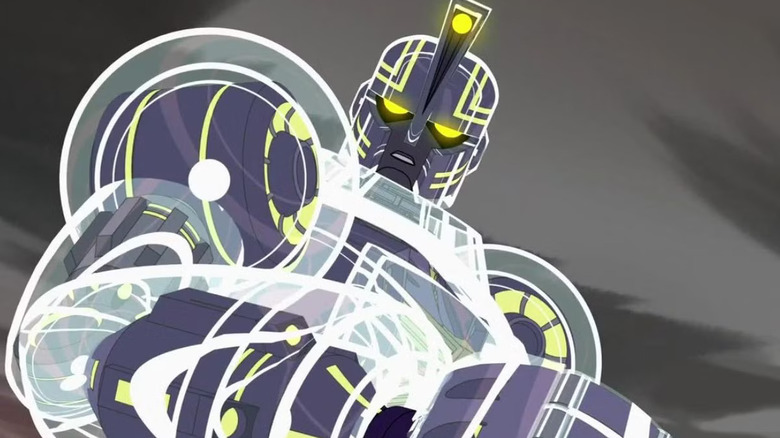
- Sym-Bionic Titan (2011): Created by animation icon Genndy Tartakovsky (Samurai Jack, Primal), this series blended mecha-anime tropes with high school drama. It followed three alien refugees who could combine into a singular "Titan" to defend Earth. Despite its sophisticated visual style and strong ratings, it was cancelled after 20 episodes.
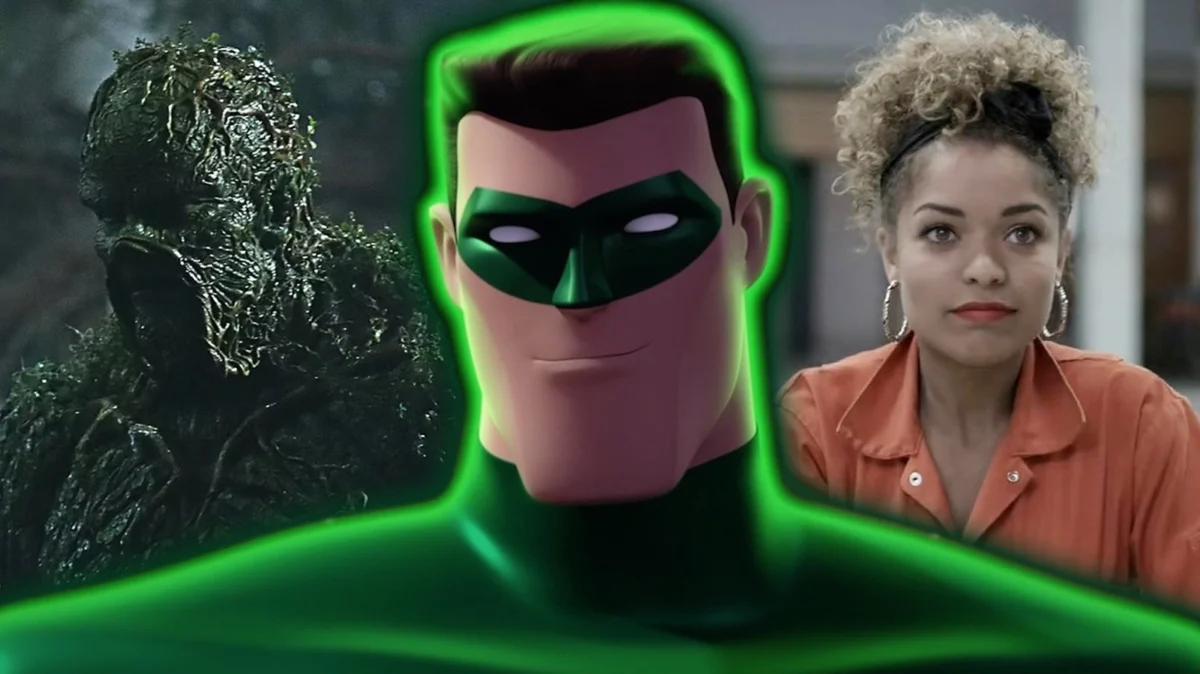
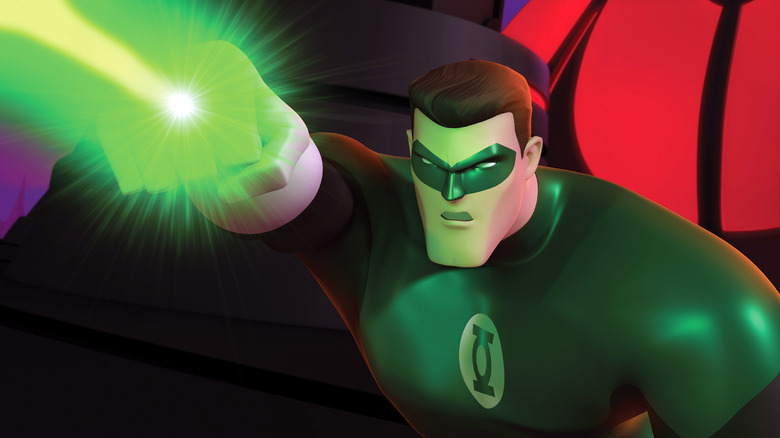
- Green Lantern: The Animated Series (2012–2013): Led by Bruce Timm, this was the first CGI-heavy exploration of the DC cosmic mythos. It introduced Razer, a Red Lantern whose redemption arc remains one of the most compelling narratives in DC animation. It was a victim of external factors, specifically the failure of the 2011 live-action Green Lantern film.
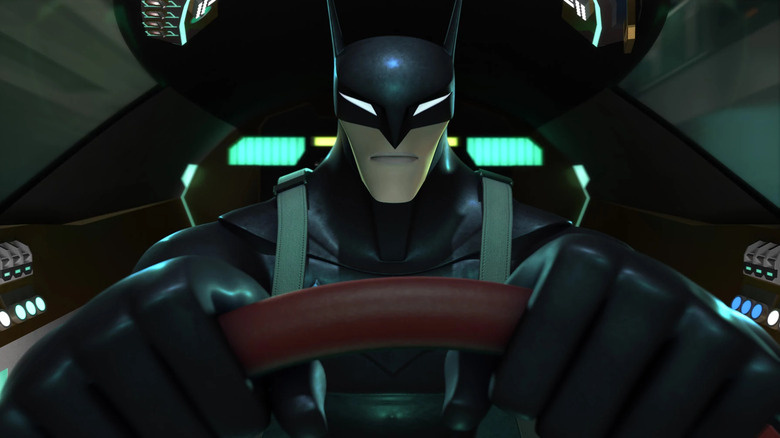
- Beware the Batman (2013–2014): This series attempted a radical departure from the "Caped Crusader" norm. By replacing Robin with Katana and focusing on Bruce Wayne’s detective skills against obscure villains like Professor Pyg, it offered a noir-inspired 3D aesthetic that was perhaps too "alien" for traditional audiences at the time.
The Satirical and Gritty Shift (2009–2017)
As the MCU began to solidify the "hero’s journey" formula, several series emerged to subvert those very tropes.
- Misfits (2009–2013): A British export that preceded the cynical tone of The Boys by a decade. It followed juvenile delinquents on community service who gained powers after a supernatural storm. It was a gritty, profane, and often heartbreaking look at how "ordinary" (and often deeply flawed) people would actually handle extraordinary abilities.
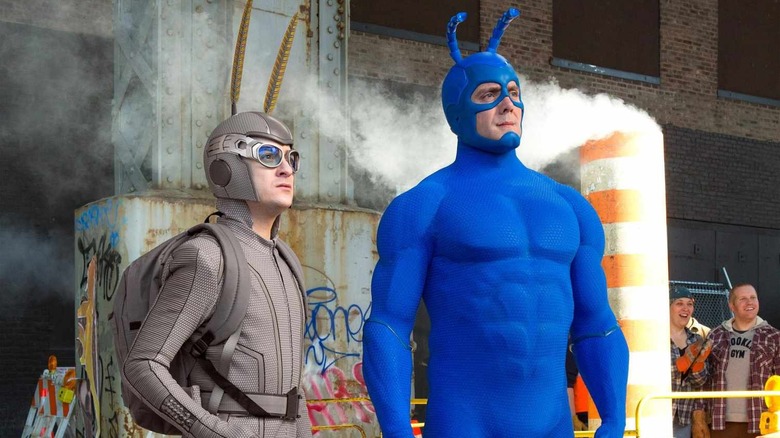
- The Tick (2016–2019): Amazon’s third attempt at adapting Ben Edlund’s comic was its most successful creatively. It utilized a satirical lens to deconstruct the superhero industrial complex, featuring a standout performance by Peter Serafinowicz.
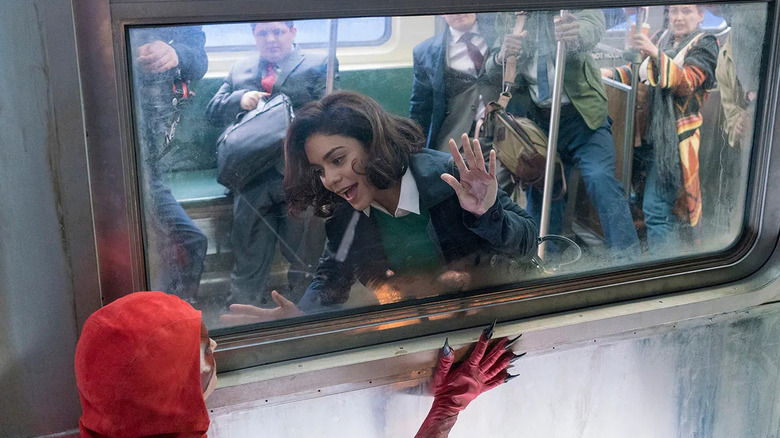
- Powerless (2017): A rare attempt at a "workplace sitcom" set within the DC Universe. Starring Vanessa Hudgens and Alan Tudyk, the show focused on the R&D team at Wayne Security, tasked with protecting ordinary citizens from the collateral damage caused by superhero battles.
The Peak-Streaming Casualties (2017–2019)
As platforms like Netflix, FX, and the short-lived DC Universe service sought to differentiate themselves, they produced high-concept dramas that pushed the boundaries of the genre.
- Legion (2017–2019): Noah Hawley’s psychedelic masterpiece on FX reimagined the X-Men mythos as a psychological thriller. It explored mental illness and subjective reality through the eyes of David Haller, a mutant with god-like but fractured powers.
- Krypton (2018–2019): A Syfy prequel that functioned more as a "Game of Thrones in space" than a traditional Superman story. It focused on Seg-El, Superman’s grandfather, navigating the political and religious turmoil of a doomed planet.
- Luke Cage (2016–2018): Part of the Marvel-Netflix "Defenders" saga, this series used a bulletproof hero to explore Black culture, Harlem’s history, and the moral complexities of community leadership.
- Swamp Thing (2019): A horror-centric adaptation produced by James Wan. It embraced body horror and existential dread, staying faithful to Alan Moore’s seminal comic book run.
Supporting Data: Why Excellence Didn’t Equal Longevity
The disappearance of these shows from public discourse can be attributed to three primary "industry killers":
1. The Merchandising Trap
For animated series like Sym-Bionic Titan and Green Lantern, viewership numbers were often secondary to toy sales. Reports from within Cartoon Network indicated that Sym-Bionic Titan was cancelled specifically because it failed to secure a toy license. Similarly, the 2011 Green Lantern film left retailers with a surplus of unsold merchandise, leading them to refuse any products related to the animated series, effectively killing the show’s revenue stream.
2. Corporate Reshuffling and Tax Maneuvers
In the late 2010s and early 2020s, the "tax write-off" became a grim reality for many series. Beware the Batman and Sym-Bionic Titan were both pulled from syndication and digital platforms as part of financial maneuvers by parent companies. This "erasure" from streaming libraries makes it nearly impossible for new audiences to discover the work, leading to a natural decline in conversation.
3. The Death of Niche Platforms
The DC Universe streaming service is a prime example of platform-related casualty. Swamp Thing was cancelled just six days after its premiere, not due to poor quality, but because of a massive accounting error regarding North Carolina film subsidies and the impending transition of DC content to HBO Max.
Official Responses and Creator Sentiments
The creators of these series have often expressed a mix of pride and frustration regarding their "forgotten" status.
- Genndy Tartakovsky has stated as recently as 2023 that Sym-Bionic Titan is the only past project he remains interested in reviving, though he acknowledges the industry hurdles are immense.
- James Wan, executive producer of Swamp Thing, took to social media following the show’s cancellation to express his confusion, stating, "I don’t really know or understand why Swamp Thing was cancelled; I can tell you it was amazing."
- Cheo Hodari Coker, showrunner of Luke Cage, has noted that the cancellation of his series was likely due to "creative differences" between Marvel and Netflix as their partnership dissolved, rather than a lack of story potential. Coker had already mapped out a 13-episode third season before the axe fell.
Implications: The Future of Experimental Superhero TV
The legacy of these ten shows serves as both a warning and a blueprint for the future of the genre. As James Gunn takes the reins of the new DC Universe (DCU) and Marvel Studios launches its "Marvel Spotlight" banner for standalone stories, there is a clear attempt to return to the "experimental" roots seen in shows like Legion or Swamp Thing.
Gunn has already indicated that his DCU will lean into horror with a Swamp Thing film, and the success of projects like Harley Quinn (created by the Powerless team) suggests that the "irreverent" approach still has a place in the market.
However, the primary implication for the industry is the need for preservation. When high-quality series are treated as disposable assets for tax write-offs or collateral damage in corporate mergers, the medium as a whole suffers. These "forgotten" shows prove that some of the best superhero stories aren’t found in the billion-dollar blockbusters, but in the experimental fringes of the television schedule. To move the genre forward, the industry must look back at these ten examples and understand that cultural longevity requires more than just high ratings—it requires a commitment to artistic risks that transcend toy sales and corporate politics.

Leave a Comment