The Web Expands: Everything You Need to Know Ahead of ‘Spider-Man: Brand New Day’
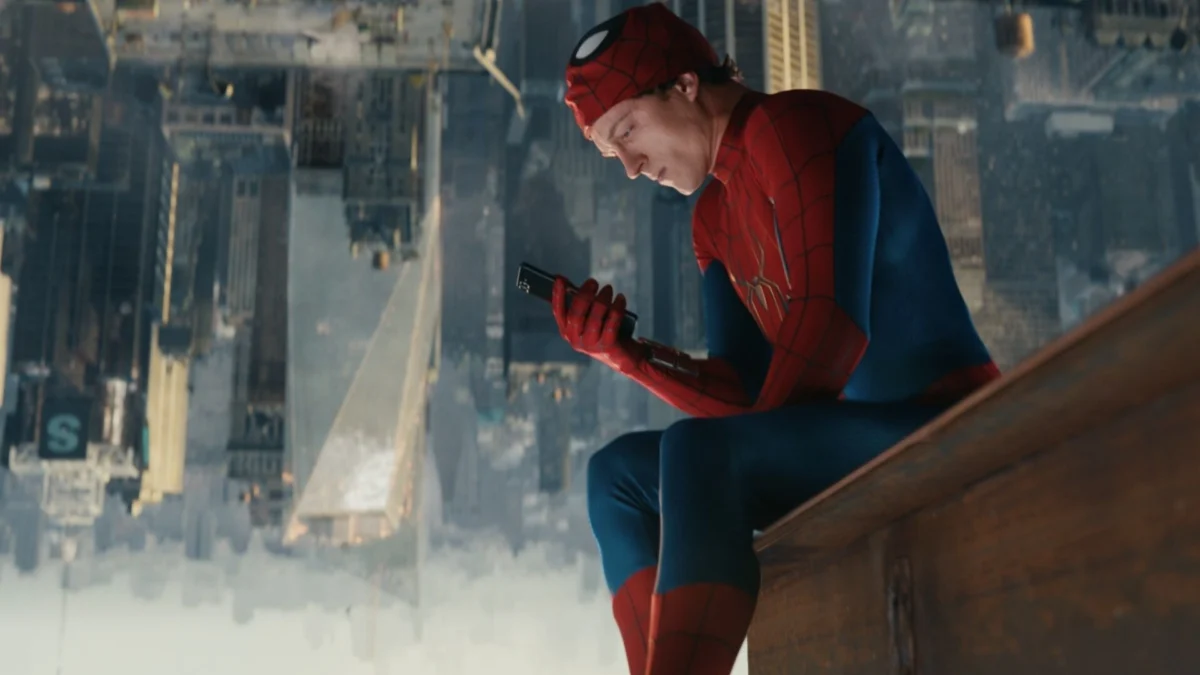
The Marvel Cinematic Universe (MCU) is standing on the precipice of its most significant transformation since Avengers: Endgame. With the scheduled release of Spider-Man: Brand New Day on July 31, 2026, the franchise is not only bringing back its most bankable star, Tom Holland, but is also attempting a tonal pivot that fans have been demanding for years. Directed by Destin Daniel Cretton (Shang-Chi and the Legend of the Ten Rings), the film promises to reconcile the "multiversal madness" of the previous era with the gritty, street-level reality that defined the character’s comic book origins.
As the marketing machine ramps up, it has become clear that Brand New Day is more than just a sequel; it is a nexus point for the MCU’s future, integrating the gritty world of the Defenders, the emerging mutant narrative, and the evolution of the Hulk. To fully appreciate the intricate web Cretton is weaving, audiences must look back at several decades of Marvel media.
Main Facts: A Grounded Reset for a Global Icon
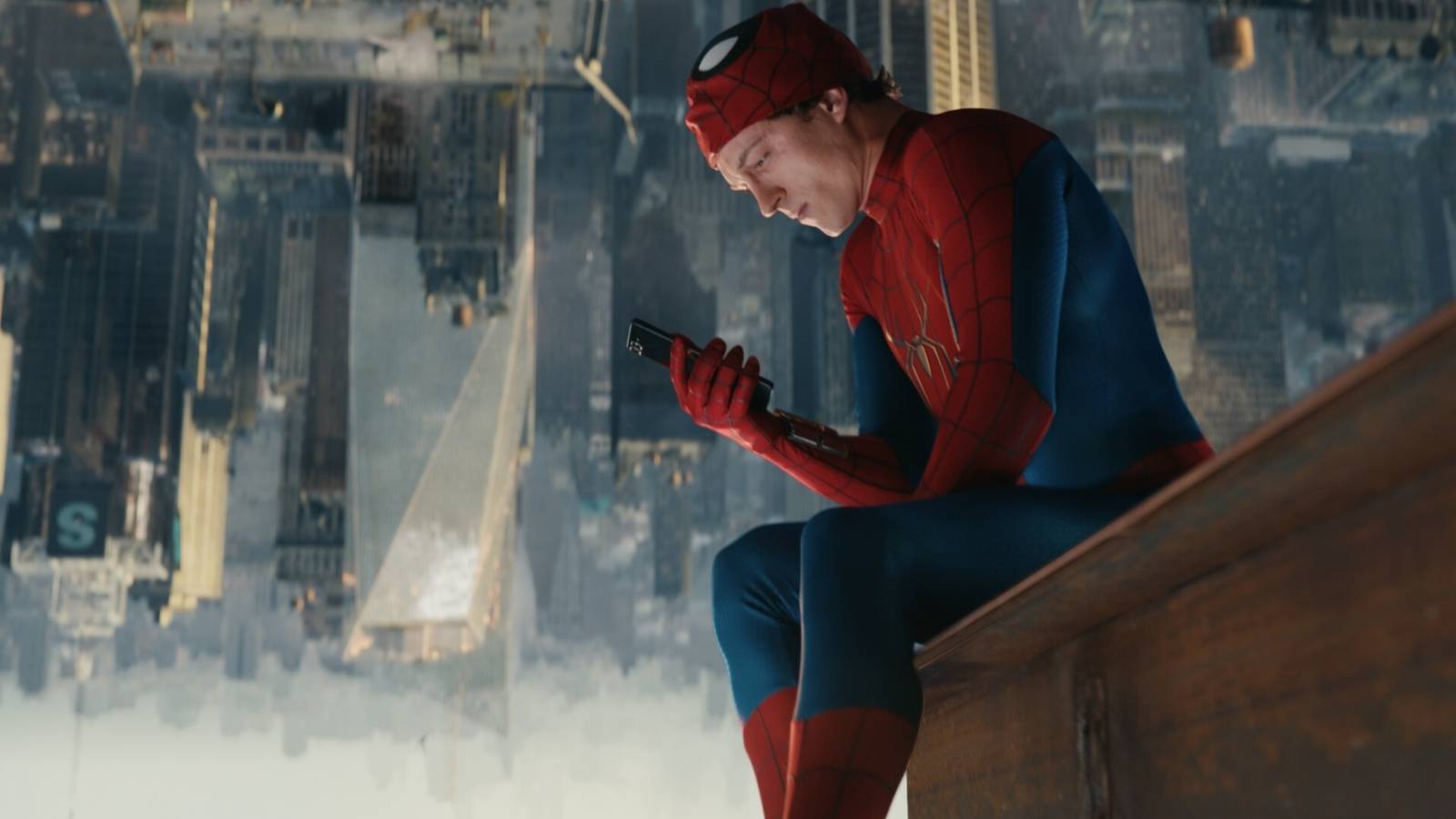
Spider-Man: Brand New Day picks up in the lonely aftermath of Spider-Man: No Way Home. Following Doctor Strange’s memory-wiping spell, Peter Parker is a hero without an identity, living in a cramped New York apartment, devoid of Stark-tech gadgets and Avengers-level support. The film’s title, borrowed from the 2008 comic book soft-reboot, signals a "back-to-basics" approach.
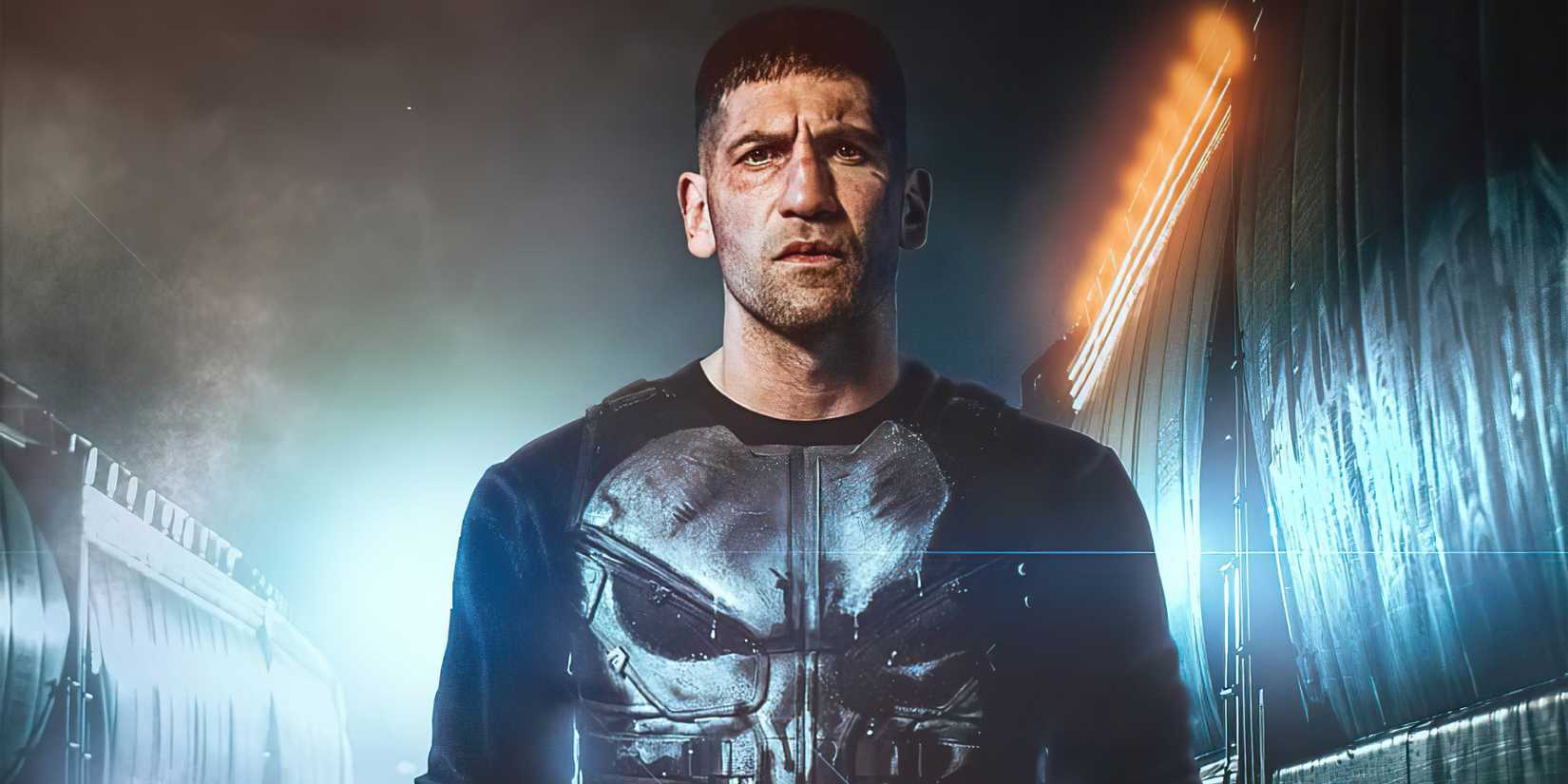
The production has confirmed a sprawling cast that bridges multiple sub-franchises. Tom Holland returns alongside Zendaya (whose role remains shrouded in mystery given her character’s memory loss), but the headlines are dominated by the inclusion of Jon Bernthal’s Frank Castle (The Punisher) and the rumored MCU debut of Sadie Sink as Jean Grey. This convergence suggests that the film will serve as the formal introduction of mutants into the mainline Earth-616 continuity while simultaneously concluding the "Street-Level Civil War" arc hinted at in recent Disney+ series.

Chronology of the Spider-Man Evolution
To understand how we arrived at Brand New Day, one must trace the decade-long journey of Tom Holland’s Peter Parker and the creative shifts within Marvel Studios.
- The "Home" Trilogy (2016–2021): Peter Parker’s journey was defined by his relationship with mentors—Tony Stark, Quentin Beck, and Stephen Strange. No Way Home served as the ultimate deconstruction of this "Iron Man Jr." critique, stripping Peter of his mentors, his friends, and his legacy.
- The Multiversal Gap (2022–2025): While Spider-Man remained off-screen, the MCU expanded into the "Street-Level" tier via Daredevil: Born Again and Echo. During this period, the legal and physical landscape of New York changed, with Wilson Fisk (Kingpin) rising to political power, creating a vacuum for a "friendly neighborhood" hero to fill.
- The Punisher’s Re-emergence (2025–2026): The Disney+ special The Punisher: One Last Kill acted as a bridge, showing Frank Castle’s reluctant return to vigilantism. This set the stage for his inevitable collision with a younger, more idealistic Spider-Man in the upcoming film.
- The Brand New Day Era (2026): The film marks the first time a Spider-Man solo outing is directed by Destin Daniel Cretton, replacing Jon Watts. Cretton’s background in character-driven action suggests a shift toward more visceral, stunt-heavy choreography and emotional stakes.
Supporting Data: The Lore You Need to Refresh
The sheer density of Brand New Day requires a "watchlist" that spans animation and live-action. According to production insiders, the film draws heavy inspiration from several key sources:
The Animated Foundation
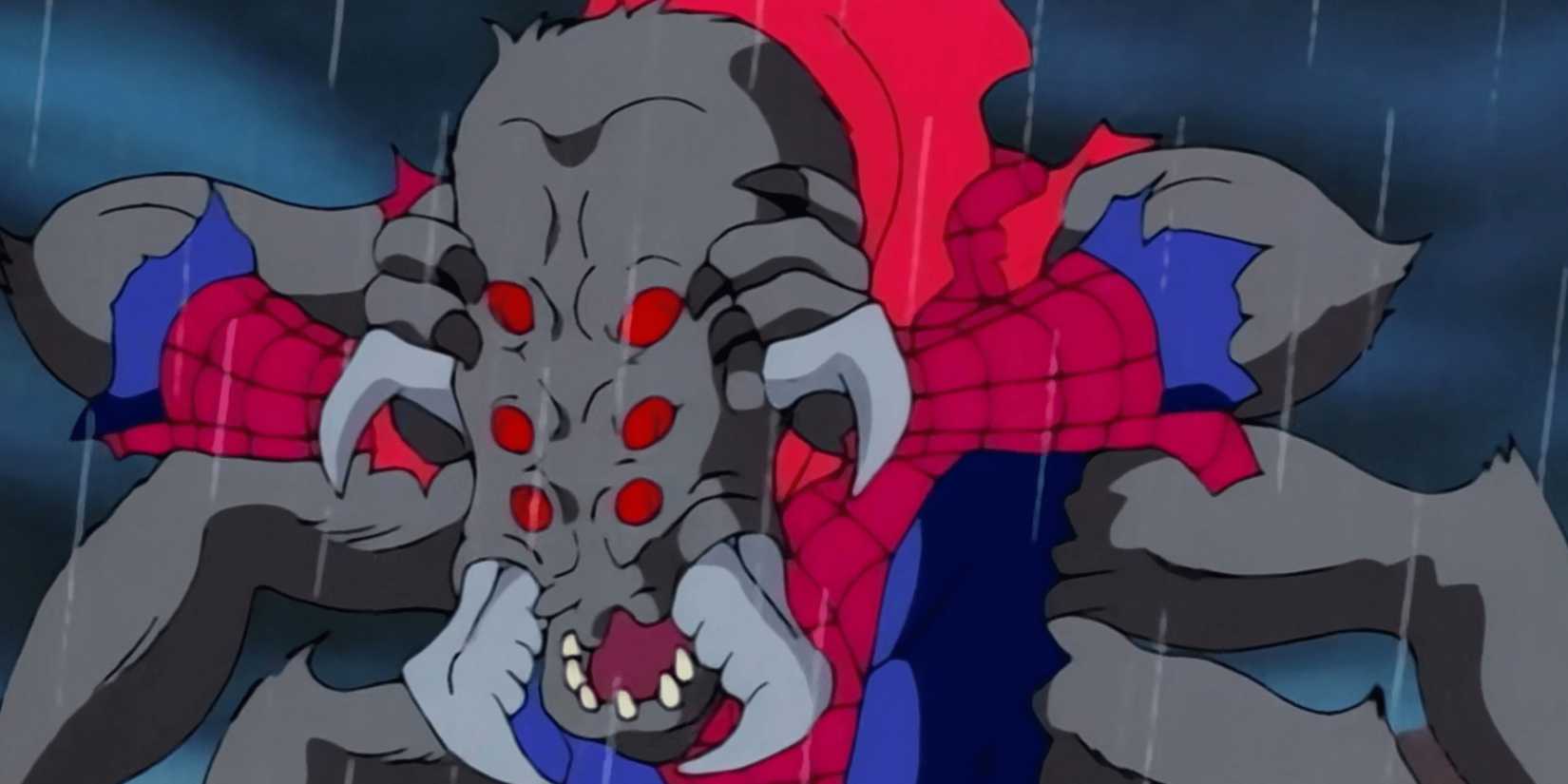
- Spider-Man: The Animated Series (1994): The trailers for Brand New Day hint at "Spider-puberty"—a terrifying biological mutation. This is a direct nod to the "Neogenic Nightmare" arc of the 90s cartoon, where Peter transforms into the multi-armed "Man-Spider."
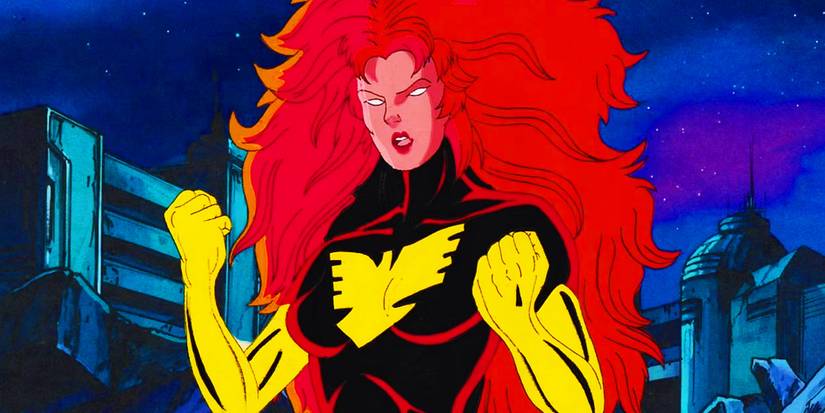
- X-Men: The Animated Series: With Sadie Sink’s mystery role widely believed to be Jean Grey, the MCU is looking to the 90s X-Men series for its mutant dynamics. If Sink is indeed playing the telepathic Marvel Girl, Brand New Day will be the first time the MCU explores the "Mutant Menace" through the eyes of a non-mutant hero.
The Netflix/Disney+ Street-Level Continuity
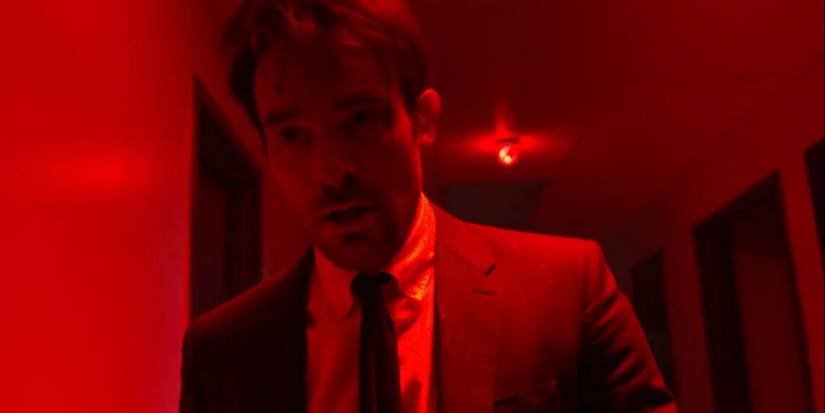
- Daredevil (Seasons 1-3) & Born Again: The Hand—a mystical ninja organization—is confirmed as a primary antagonist in Brand New Day. Their history is rooted in the Netflix Daredevil series. To understand why Spider-Man is fighting ninjas in a prison brawl, viewers must be familiar with Matt Murdock’s ongoing war with this ancient cult.
- The Punisher: One Last Kill: This hour-long special is essential viewing. It frames Frank Castle not just as a killer, but as a man struggling with an "addiction" to violence. His role in Brand New Day is expected to be a dark reflection of Peter’s own sense of duty.
The Avenger Connection
- She-Hulk: Attorney at Law: Mark Ruffalo’s Bruce Banner is set to appear as Peter’s new mentor. She-Hulk introduced us to "Smart Hulk" and his son, Skaar. Brand New Day will reportedly address the consequences of Bruce’s time on Sakaar and how he balances his scientific mind with the "Hulk" persona while guiding Peter through his own biological changes.
Official Responses: From the Studio to the Stars
While Marvel Studios remains notoriously tight-lipped, recent statements from the creative team offer a glimpse into the film’s ambitions.
Kevin Feige, President of Marvel Studios, addressed the tonal shift during a recent press junket: "We’ve seen Peter Parker save the universe. Now, we want to see him save his neighborhood. It’s about the cost of being a hero when you have nothing left to lose. Bringing in characters like Frank Castle and Bruce Banner allows us to explore different philosophies of justice."
Director Destin Daniel Cretton emphasized the physical nature of the film: "We wanted the fights to feel heavy. When Spider-Man gets hit in this movie, you feel it. He’s not a kid anymore; he’s a young man dealing with a world that has forgotten him. It’s gritty, it’s emotional, and it’s deeply rooted in the New York streets."
Jon Bernthal, discussing his return as Frank Castle, noted: "Frank doesn’t play well with others, especially not kids in spandex. But there’s a mutual respect there that we’re exploring. It’s a different kind of team-up—one born out of necessity rather than friendship."
Implications: A New Architecture for the MCU
The release of Spider-Man: Brand New Day carries massive implications for the future of the Marvel Cinematic Universe.
1. The Integration of Mutants
By potentially introducing Jean Grey in a Spider-Man film, Marvel is signaling that mutants will not be relegated to their own "corner" of the universe. Instead, they will be woven into the fabric of existing franchises, making the "mutant problem" a global concern for all heroes.
2. The Rise of the Street-Level Tier
The film serves as a "soft-Avengers" for the street-level characters. If successful, it paves the way for a Daredevil/Spider-Man/Punisher crossover film or a Marvel Knights project. This allows Disney to produce lower-budget, R-rated (or "TV-MA style") content that appeals to older audiences while maintaining the PG-13 core for Spider-Man.
3. The Future of Tom Holland
This film begins a new trilogy. By the end of Brand New Day, Peter Parker will likely have a new status quo—perhaps as a leader of a smaller team or as a mentor himself. It also raises the question of whether the "magical memory loss" will be reversed or if Peter will be forced to forge entirely new relationships with MJ and Ned.
4. Tonal Diversification
After the mixed reception of some Phase 4 and 5 projects, Brand New Day represents a "quality over quantity" shift. By grounding the story in NYC and focusing on character-driven conflict rather than "sky-beams" and cosmic threats, Marvel is attempting to recapture the magic of Captain America: The Winter Soldier.
Conclusion
Spider-Man: Brand New Day is more than a movie; it is a declaration of intent. It seeks to prove that the MCU can still innovate by looking backward—drawing on the rich history of 90s animation and the gritty realism of modern prestige television. For Peter Parker, the "Brand New Day" is a lonely, difficult road, but for the audience, it represents a thrilling new chapter in the greatest cinematic experiment of the 21st century. July 31, 2026, cannot come soon enough.