The Fragility of Virtual Success: Mighty Coconut Announces Second Wave of Layoffs Amidst VR Industry Contraction
Introduction: A Standard-Bearer in Crisis
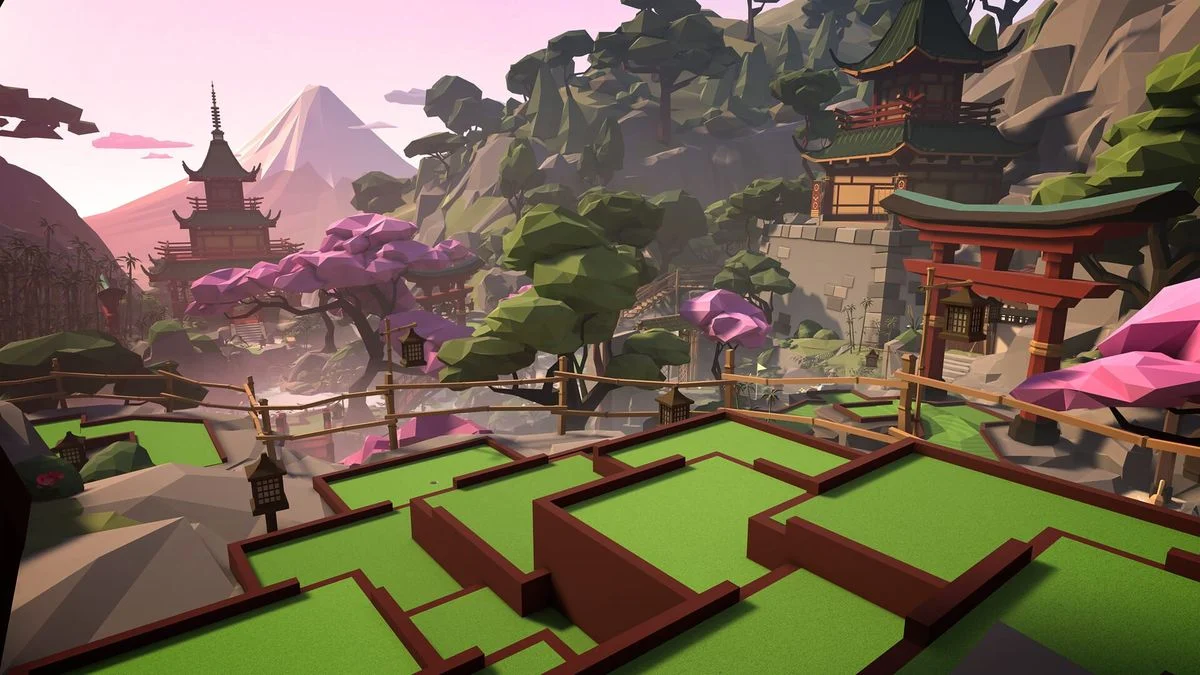
In the landscape of virtual reality (VR) gaming, few titles have achieved the universal acclaim and sustained engagement of Walkabout Mini Golf. Developed by the Austin-based studio Mighty Coconut, the game has long been heralded as the "gold standard" for social VR, blending physics-based precision with imaginative world-building. However, even the most beloved pillars of the industry are not immune to the harsh economic winds currently sweeping through the technology and gaming sectors.
In a move that has sent ripples through the VR community, Mighty Coconut founder Lucas Martell announced a second significant round of layoffs for the year 2026. This latest downsizing involves the departure of ten staff members, a decision described by leadership as a "painful" but necessary step to ensure the studio’s survival. This news comes at a paradoxical moment for the company: the announcement of the layoffs coincided exactly with the reveal of the studio’s latest DLC course, Escape from Planet Xylodon. This juxtaposition highlights a troubling reality for modern developers—product quality and critical success are no longer guaranteed shields against the systemic instability of the VR marketplace.
Main Facts: The Scope of the Reduction
The announcement, delivered via a transparent and somber LinkedIn post by Martell, confirms that ten "talented people" will be transitioned out of the company over the coming months. While a workforce reduction of ten may seem small compared to the thousands laid off by giants like Microsoft or Sony, for a mid-sized independent studio like Mighty Coconut, it represents a substantial loss of institutional knowledge and creative capacity.
The primary driver for this decision, according to Martell, is a stagnation in the "steady stream of new players" entering the VR ecosystem. Despite Walkabout Mini Golf maintaining a dedicated core audience, the broader hardware market has failed to expand at the rate anticipated by developers several years ago. This lack of growth has rendered the studio’s previous scale of operation unsustainable.
Crucially, the studio has signaled a shift in its operational philosophy. To remain viable, Mighty Coconut will return to a "small and scrappy" model, reminiscent of its early days. While the servers for Walkabout Mini Golf will remain active and new content will continue to be produced, players have been warned to expect a slower cadence of releases as the remaining team balances the maintenance of their flagship title with the development of new, revenue-diversifying projects.
Chronology: A Year of Defensive Maneuvering
The layoffs announced this week are not an isolated incident but rather the culmination of a multi-year effort to "course correct" in an increasingly hostile economic environment. To understand the current state of Mighty Coconut, one must look at the sequence of strategic shifts that occurred over the last 24 months.
- Early 2024: The First Contraction: In January of 2024, Mighty Coconut initiated its first major round of layoffs, cutting approximately 25% of its total staff. At the time, the move was framed as a necessary adjustment to align the studio’s overhead with the cooling VR market.
- The Price Adjustment Strategy: Following the January layoffs, the studio implemented a price hike for its DLC courses. Previously sold for $3.99, new courses were adjusted to $4.99. This 25% price increase was a direct attempt to increase the "Average Revenue Per User" (ARPU) to offset the plateauing of the total user base.
- Expansion of In-Game Monetization: Throughout 2025, the studio experimented with new revenue streams within the Walkabout ecosystem. This included the introduction of cosmetic "Avatar Packs," specialized "hole celebrations," and "ball trails." These microtransactions were designed to provide "super-fans" with ways to support the studio beyond the standard course purchases.
- Late 2025: The Content Bonus: Despite the internal pressure, the studio attempted to maintain player goodwill by releasing bonus content, such as the Homestar Runner pack. However, behind the scenes, the studio had already reduced its planned DLC output from its peak frequency to a more manageable six courses per year.
- The 2026 Announcement: The current round of ten layoffs marks the second time the studio has had to shrink within a two-year window, signaling that the previous measures—price hikes and cosmetic sales—were insufficient to counteract the broader industry decline.
Supporting Data: The VR Industry’s "Funding Winter"
The struggles of Mighty Coconut are emblematic of a wider malaise affecting the virtual reality sector. To understand why a successful game like Walkabout is struggling, one must examine the macro-data of the VR industry.
1. The Hardware Plateau
While Meta (formerly Facebook) has subsidized the industry for years through its Quest headset line, recent data suggests a slowing of consumer adoption. The initial "gold rush" of VR, spurred by the pandemic and the rebranding of Facebook to Meta, has given way to a more skeptical consumer base. High-end headsets like the Apple Vision Pro remain priced out of reach for the average gamer, while the entry-level market has struggled to find a "killer app" beyond the initial wave of titles like Beat Saber and Walkabout.
2. Diversion of Capital and Media Attention
As Martell noted in his statement, funding and press attention have "largely been diverted elsewhere." In the current tech climate, Venture Capital (VC) and corporate investment have pivoted sharply toward Artificial Intelligence (AI). The "Metaverse" hype of 2021-2022 has evaporated, leaving VR studios that scaled up during the boom years with high overhead and dwindling investment prospects.
3. The "New Player" Deficit
For a live-service game like Walkabout Mini Golf, sustainability relies on a constant influx of new users. However, the VR hardware install base is not growing fast enough to replace "churned" players. While Walkabout boasts incredible retention rates, a "closed-loop" economy where only existing players buy new DLC is rarely enough to support a growing studio in the long term.
4. Industry-Wide Casualties
Mighty Coconut is far from alone. The industry has recently seen the closure of Polyarc Games (developers of the acclaimed Moss series) and significant layoffs at nDreams. These are not "low-quality" developers; they are the industry’s leaders. Their collective struggle points to a systemic failure in the VR business model rather than a failure of individual creative vision.
Official Responses: Transparency in the Face of Adversity
Lucas Martell’s official statement serves as a candid post-mortem of the studio’s recent growth strategy. Unlike many corporate layoff announcements that hide behind euphemisms like "right-sizing" or "organizational efficiencies," Martell took personal responsibility for failing to anticipate the depth of the industry’s downturn.
"I failed to anticipate just how rapidly and deeply this trajectory would continue," Martell admitted. This level of transparency is rare in the gaming industry and has been met with a mixture of sympathy and concern from the Walkabout community.
Martell also emphasized the studio’s commitment to its departing employees. In a move referred to as "reverse-recruiting," the studio is actively curating a list of the affected staff to share with other hiring managers in the industry. "You won’t be disappointed," Martell wrote, vouching for the talent of the individuals who helped build the game’s award-winning courses.

The statement also clarified the future of the studio’s project pipeline. Despite the cuts, work continues on:
- Walkabout Dungeon Golfer: A fantasy-themed spin-off that seeks to bring the mechanics of Walkabout into a more traditional RPG/adventure setting.
- Grass: A "flatscreen" (non-VR) lawn-mowing simulator. This project is particularly telling, as it represents the studio’s effort to "de-risk" its future by developing games for the traditional PC and console markets, where the user base is exponentially larger.
Implications: What This Means for the Future of VR
The downsizing of Mighty Coconut has profound implications for the VR industry at large. If the developer of one of the most successful, polished, and beloved VR games cannot maintain a mid-sized team, what does that say about the viability of the medium?
The End of the "VR Gold Rush"
The era of "build it and they will come" in VR is officially over. Studios can no longer rely on the novelty of the hardware to drive sales. The contraction at Mighty Coconut suggests that even "top-tier" success in VR only supports a "small and scrappy" team. The dream of VR-exclusive AAA studios may be on hiatus until hardware reaches a true mass-market tipping point.
The Necessity of Multi-Platform Development
Mighty Coconut’s pivot to Grass (a non-VR title) and the focus on diversifying revenue streams is a blueprint for other VR developers. To survive, "VR-first" studios must become "platform-agnostic." By bringing their physics expertise and whimsical design to PC and consoles, they can use the stable revenue of the traditional gaming market to subsidize their more experimental VR projects.
Impact on the Player Experience
For the fans of Walkabout Mini Golf, the immediate future remains secure, but the pace of innovation will inevitably slow. The "reduced team size" means that the ambitious 2027 roadmap previously teased by the studio may be stretched out or scaled back. However, Martell’s insistence on keeping the servers active and the "game alive" provides some comfort to the community. The game is not being abandoned; it is being put on "sustainable maintenance."
A Warning to Stakeholders
The Mighty Coconut situation serves as a stark warning to hardware manufacturers like Meta, Sony, and HTC. If these platforms do not find ways to lower the barrier to entry and consistently bring in new users, they risk losing the very developers who make their headsets worth buying. Without a thriving ecosystem of independent creators, VR headsets become little more than expensive paperweights.
Conclusion
The second round of layoffs at Mighty Coconut is a sobering reminder that artistic excellence and market stability are often at odds in the burgeoning world of spatial computing. By returning to its "scrappy" roots, the studio is choosing a path of resilience over one of risky expansion. While the loss of ten talented professionals is a tragedy for those involved, the studio’s transparency and strategic pivot to non-VR projects may be the only way to ensure that Walkabout Mini Golf continues to provide a digital sanctuary for its millions of players in the years to come. The "mini-golf" may be getting smaller, but the goal remains the same: survival in a world that hasn’t quite caught up to the vision of its creators.