Skating Through Suburbia: A Deep Dive into the Slice-of-Life Adventure ‘RollerGirl’
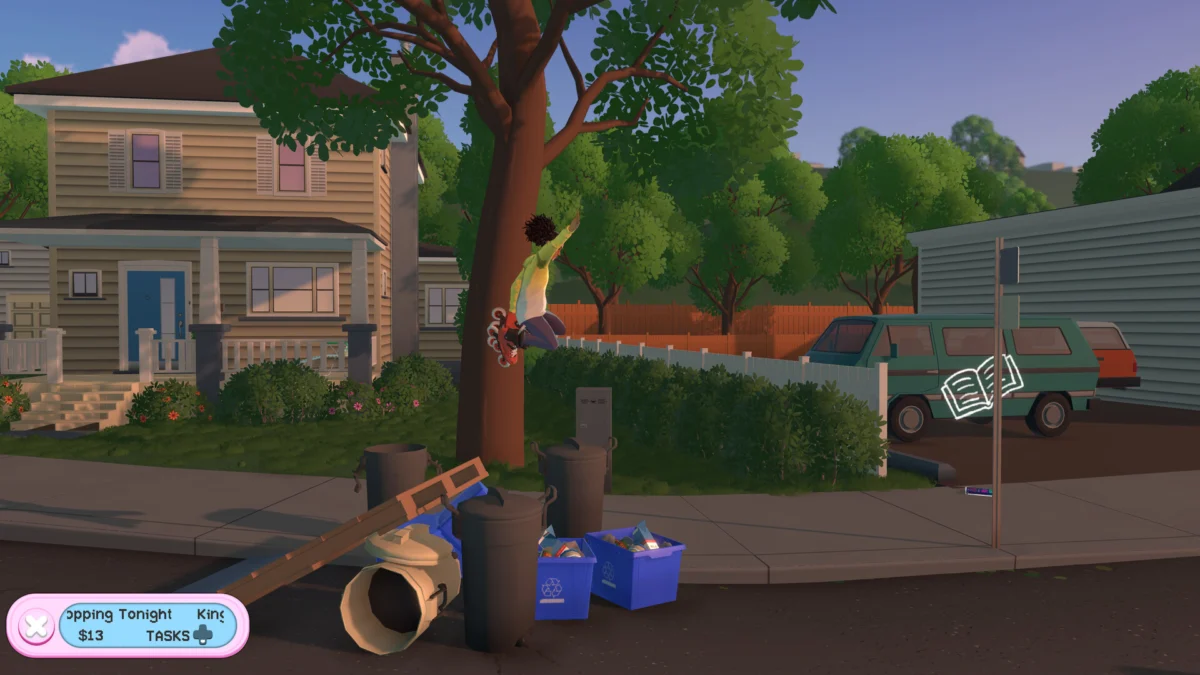
The indie gaming landscape has seen a significant shift toward "cozy" and "slice-of-life" experiences over the last decade. Moving away from the high-octane violence of AAA shooters, developers are increasingly finding success in the quiet, the mundane, and the atmospheric. Entering this burgeoning genre is RollerGirl, a small-town adventure that swaps epic quests for the rhythmic hum of polyurethane wheels on asphalt and the crackle of a digital MP3 player.
Unveiled with a playable demo at Gamescom and highlighted during the Dames 4 Games Slumber Party Showcase, RollerGirl offers a nostalgic, bittersweet look at youth, reputation, and the simple necessity of getting a car back on the road.
Main Facts: The Premise of RollerGirl
At its core, RollerGirl is an open-ended adventure game set in a tight-knit community where history runs deep and everyone has an opinion on their neighbor. The narrative engine is sparked by a moment of misfortune: the protagonist has crashed her car. In a small town where a vehicle is often a lifeline to the outside world, this accident serves as both a literal and metaphorical roadblock.
To fund the repairs, the player must navigate the town on rollerblades, taking on a variety of "odd jobs" that range from the mundane to the surreal. The gameplay loop is built upon exploration, social interaction, and environmental storytelling. Key features include:
- Fluid Traversal: The primary mode of movement is rollerblading, which dictates the pace and feel of the game.
- The MP3 Mechanic: A diegetic soundtrack system where players listen to music that influences the mood and can be expanded by finding hidden tracks throughout the world.
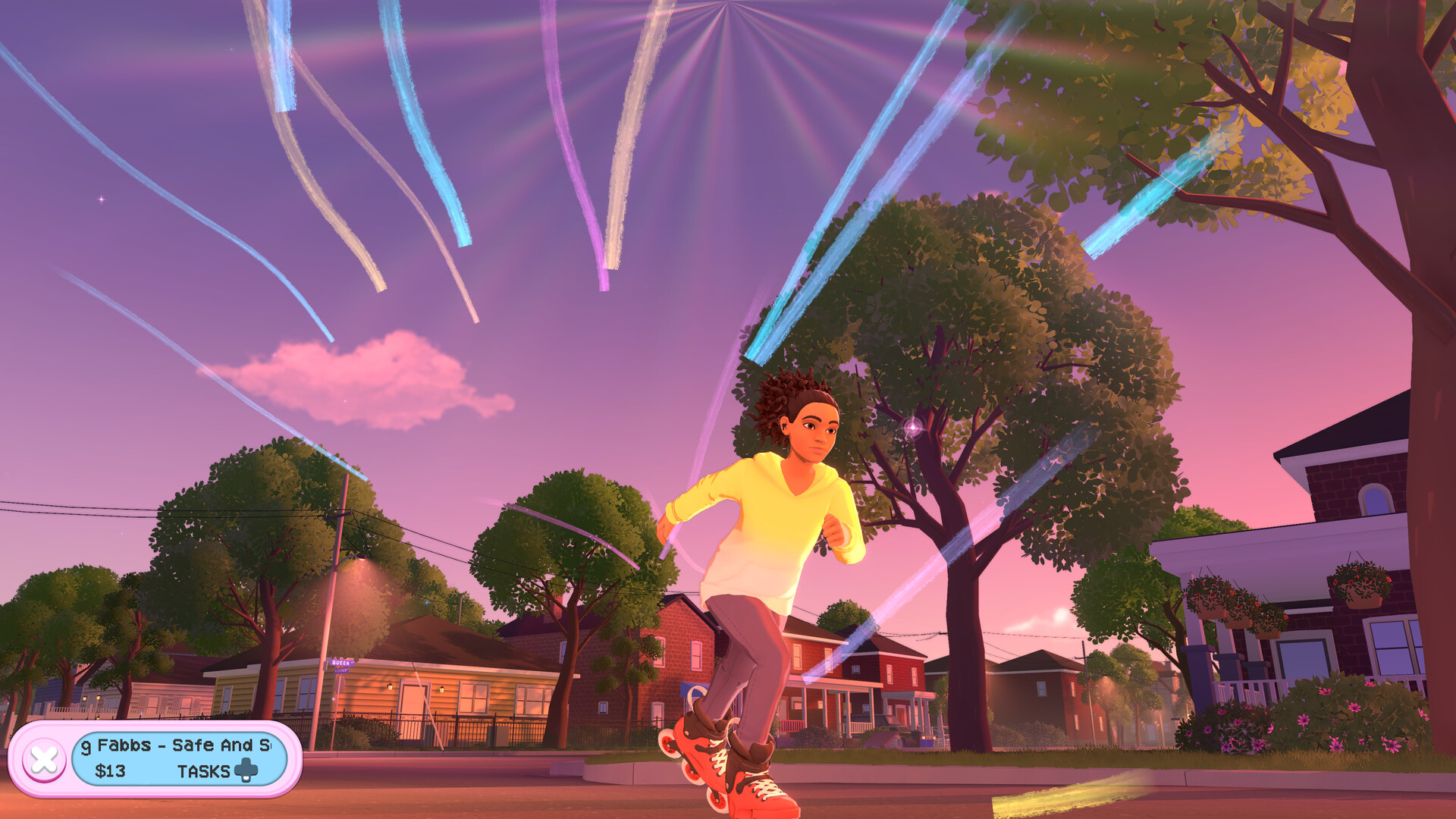
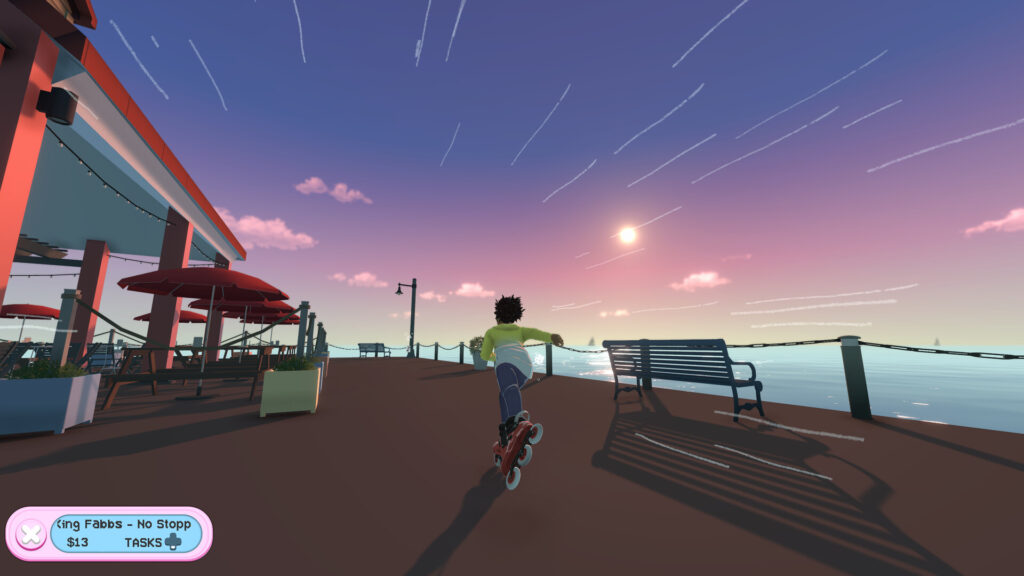
- Dynamic Environment: A world that reacts to the passage of time and shifting weather patterns, affecting both the visuals and the emotional tone of the gameplay.
- Social Simulation: A dialogue-heavy experience where the player’s identity is largely viewed through the lens of their brother’s local legacy.
Chronology: From Concept to Gamescom Showcase
The journey of RollerGirl into the public eye has been one of steady momentum within the indie development community. While the project began as a focused exploration of movement and atmosphere, it gained significant traction during the 2024-2025 event cycle.
- Initial Development: The game was conceived as a "low-stakes" adventure, focusing on the "slice-of-life" genre that emphasizes character growth over world-ending threats.
- Dames 4 Games Slumber Party Showcase 2025: RollerGirl was featured prominently in this showcase, which highlights games developed by or featuring women and non-binary creators. The official trailer released during this event emphasized the game’s "lo-fi" aesthetic and emotional core.
- Gamescom Presence: In August 2025, a playable build was brought to Gamescom, allowing journalists and players to experience the skating mechanics firsthand. This hands-on period provided critical insight into the game’s unique dialogue system and environmental storytelling.
- Current Status: As of late 2025, the game remains in active development. While a specific release date has not been announced, the developers have opened a Steam wishlist page to gauge community interest and provide updates on the road to launch.
Supporting Data: Mechanics and World-Building
The appeal of RollerGirl lies in its granular attention to the atmosphere of a small town. The developers have leaned heavily into the "everyone knows everyone" trope, but with a specific narrative twist: the protagonist is constantly living in the shadow of her brother.
The Economy of Odd Jobs
The progression system is tied to the financial goal of repairing the crashed vehicle. However, the "odd jobs" are more than just fetch quests; they serve as windows into the town’s eccentricities. During the Gamescom demo, players encountered:
- The Collector: A mysterious man looking to acquire specific "trash" for a private collection, forcing players to look at the environment with a more discerning eye.
- The Neighborly Feud: A quest involving two neighbors who are convinced the other is sending threatening notes. This highlights the game’s focus on interpersonal drama and the detective-lite elements of the story.
- Teenage Romance: Subplots involving the awkward, often painful realities of young love, which add a layer of relatability to the protagonist’s journey.
Atmospheric Design and Weather Systems
The visual fidelity of RollerGirl is intentionally stylized to evoke a sense of memory and nostalgia. The implementation of a dynamic weather system is not merely aesthetic; it changes the "vibe" of the game. When the sun is out, the town feels like a playground. However, when the rain begins to fall, the world shifts into shades of grey. The music on the player’s MP3 player syncs with these changes, creating a melancholic, introspective experience that mirrors the protagonist’s internal state.
Secret Hunting
Exploration is rewarded through the discovery of "secrets." These are often hidden objects or new music tracks. By finding these tracks, players can effectively curate their own experience, choosing the "score" to their daily routine as they skate through different districts of the town.
Official Responses: Navigating the Dialogue Disconnect
One of the most discussed aspects of the RollerGirl demo among critics and early players is the dialogue system. Unlike many modern RPGs where choices lead to clear, predictable outcomes, RollerGirl experiments with a more complex—and sometimes "jarring"—form of communication.
Early testers noted that the protagonist’s internal feelings, which players can select as replies, do not always align with how NPCs respond. This creates a social "disconnect." In response to feedback regarding this mechanic, the developers have suggested that this is a deliberate narrative choice. It is intended to reflect the frustration of being a young person whom others refuse to see as an individual, instead viewing them only through the lens of their family (specifically, the brother’s legacy).
However, some critics have argued that this disconnect can feel like a mechanical flaw rather than a narrative strength. "I do love the personality within the main character," noted one reviewer from the Gamescom floor, "but I found the replies quite jarring. It makes a sort of disconnect from what you are saying and what people are replying to you with." Whether this will be refined for the final release or lean further into the "social awkwardness" theme remains to be seen.
Implications: The Evolution of the "Cozy" Genre
The emergence of RollerGirl signifies a broader trend in the indie industry: the "Second Wave" of cozy games. If the first wave (typified by Stardew Valley or Animal Crossing) focused on agricultural loops and home decoration, the second wave is focusing on "Atmospheric Realism."
The "Stakes" of the Mundane
RollerGirl proves that high stakes are not necessary for high engagement. The "quest" to fix a car is a deeply relatable, grounded motivation. It reflects a shift toward games that validate the everyday struggles of life—debt, reputation, and the search for identity in a small pond.
Movement as Meditation
By focusing on rollerblading, the game joins titles like Sable or Solar Ash in making traversal a core part of the emotional experience. The physical act of "flow" in skating serves as a meditative counterpoint to the social friction the character experiences when she stops to talk to neighbors.
The Steam Ecosystem
For indie developers, the "Wishlist" phase is now more critical than ever. RollerGirl’s success will likely depend on its ability to build a community around its aesthetic on platforms like TikTok and Instagram, where its "lo-fi" visuals and relatable "small-town vibes" are likely to resonate with a Gen Z and Millennial audience.
Conclusion
RollerGirl is a promising entry into the slice-of-life genre, offering a unique blend of fluid movement and "low-stakes" narrative depth. While the dialogue system presents a challenge in terms of player clarity, it also offers a potentially profound look at the isolation of youth. As players wait for a formal release date, the game stands as a testament to the power of small stories told with great atmosphere. For those looking to trade their swords for skates and their epic soundtracks for a digital playlist, RollerGirl is a title to keep firmly on the radar.