The Evolution of Gluttony: Exploring the Visceral Body-Horror of ‘In Full Bloom’
Executive Summary: A New Frontier in Unsettling Simulations
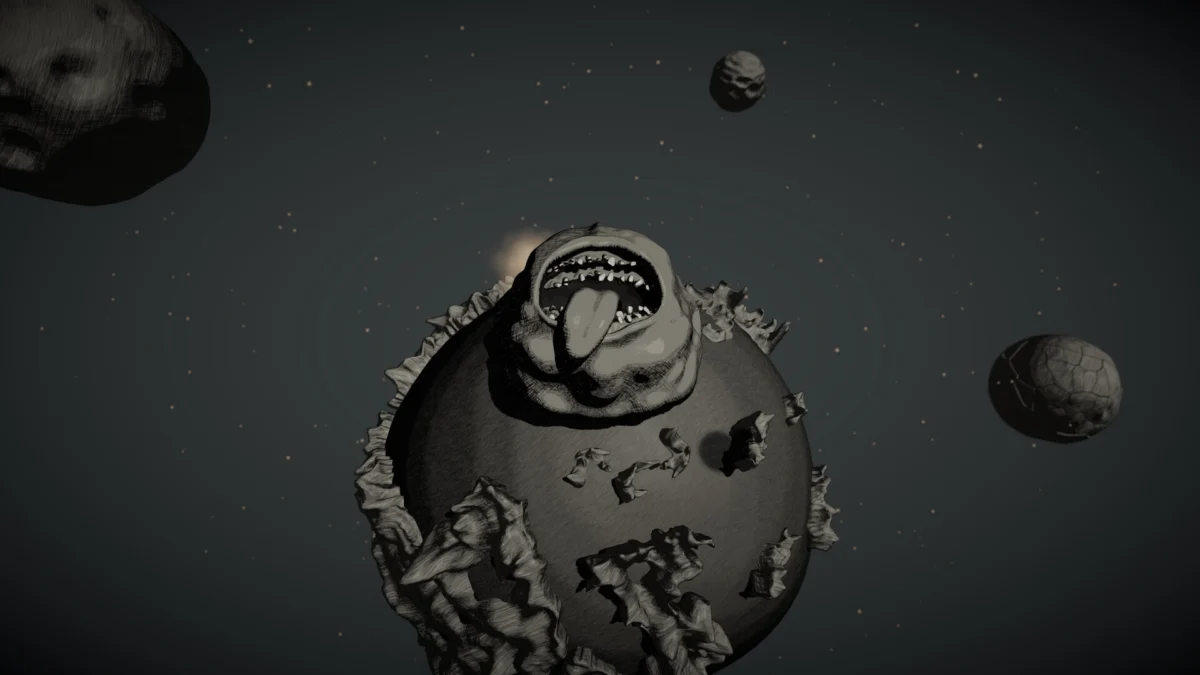
In the rapidly diversifying landscape of independent video games, few titles manage to capture the simultaneous fascination and revulsion of a global audience quite like In Full Bloom. Recently showcased at the Southeast Asian Games Showcase during Gamescom 2026, the title has emerged as a standout "creature-sim" that subverts the traditional "virtual pet" genre. Developed with a keen eye for body horror and systemic consumption, In Full Bloom tasks players with nurturing a biological anomaly—a creature that is part blob, part maw, and entirely insatiable.
Unlike the wholesome nurturing found in 90s classics like Tamagotchi or modern equivalents like Animal Crossing, In Full Bloom leans into the "creepy-feeling" aesthetic of biological growth and environmental displacement. The game’s core loop revolves around a singular, desperate directive: feed the creature until it achieves a critical mass sufficient to escape its current planetary confines. As the creature grows, the scale of its consumption shifts from small organic matter to the very inhabitants and structures of its world, offering a chilling commentary on growth and the costs of survival.
Main Facts: The Mechanics of Endless Consumption
At its heart, In Full Bloom is a physics-based simulation of gluttony. Players are introduced to a creature that begins its life cycle as a modest, albeit unsettling, blob. Its most prominent features are a cavernous mouth lined with razor-sharp teeth and a prehensile, elongated tongue designed for snatching prey.
The Biological Growth Cycle
The gameplay is structured around "Growth Stages." Initially, the creature is small enough to be dwarfed by its environment. Players must manually drag small items, flora, and minor fauna into its mouth. However, the game utilizes a "dynamic scaling" mechanic. As the creature consumes, its physical dimensions expand in real-time. This growth is not merely aesthetic; it fundamentally alters the player’s interaction with the game world.
- Stage 1 (Infancy): Focuses on micro-consumption, where the player learns the tactile mechanics of grabbing and feeding.
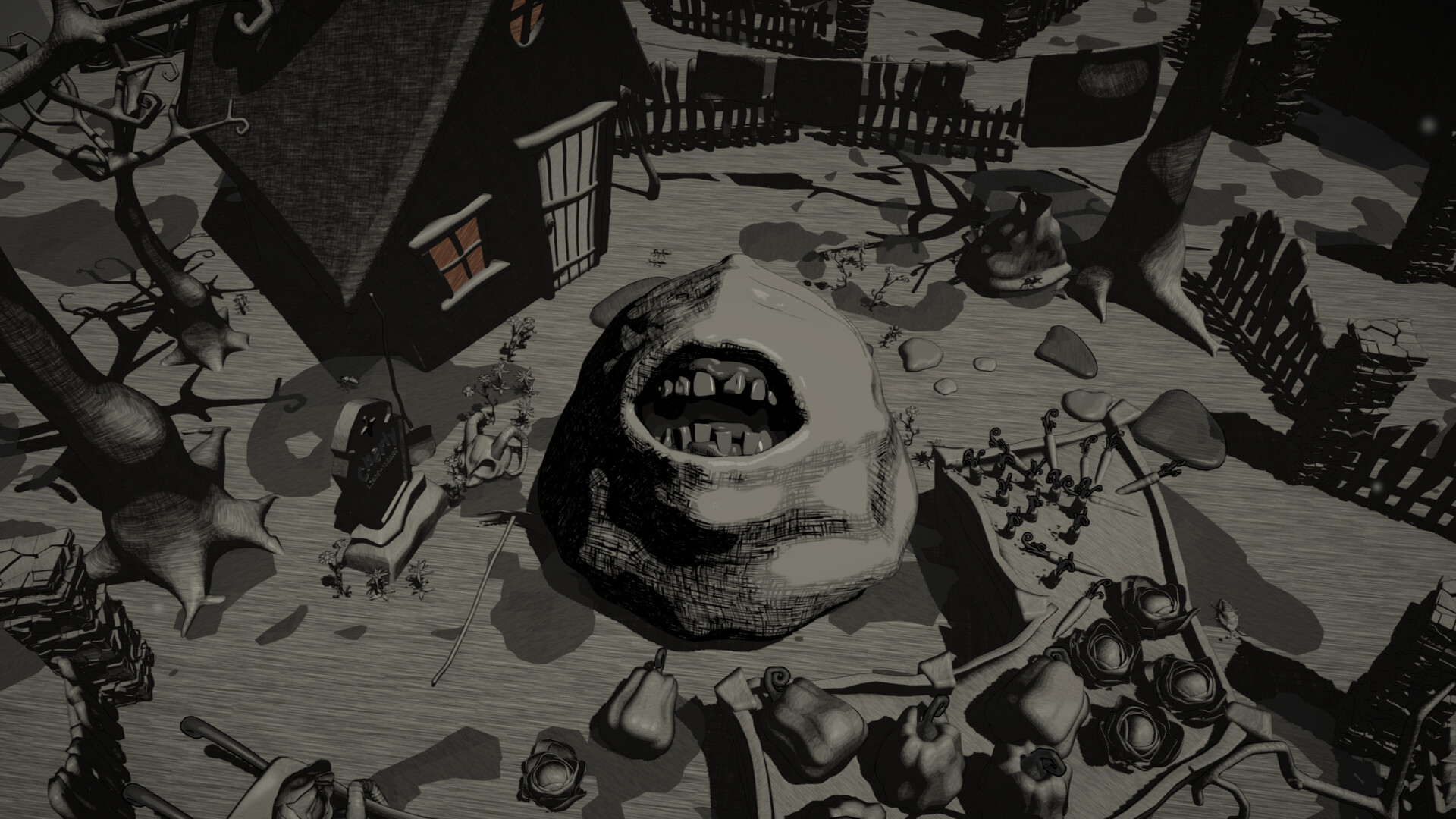
- Stage 2 (Maturity): The creature begins to rival the size of local structures. The "creepy" factor intensifies as the creature develops more complex anatomical features, such as additional rows of teeth.
- Stage 3 (Apex): The creature becomes an environmental hazard, capable of consuming the very landscape it once inhabited.
Sensory Design: The "ASMR of Horror"
One of the most discussed aspects of In Full Bloom at Gamescom was its sound design. The developers have opted for a hyper-realistic, visceral auditory experience. Every meal is accompanied by the wet, rhythmic sounds of chewing, the heavy thud of swallowing, and occasionally, the distressing sounds of regurgitation. This sensory input creates a "systematic feeding" atmosphere that feels both productive and deeply wrong, blurring the lines between a nurturing simulator and a horror experience.
Chronology: From Concept to Gamescom 2026
The journey of In Full Bloom reflects the rising prominence of the Southeast Asian game development scene. The timeline of its public emergence highlights a strategic rollout aimed at capturing the "cozy-horror" market.
Early Development and Viral Interest (2024–2025)
The project began as a niche experimental title focusing on "growth mechanics." Early alpha footage circulated on social media platforms, drawing comparisons to Katamari Damacy—but with a biological, more grotesque twist. The developers focused on the "uncanny valley" of pet ownership, tapping into the inherent weirdness of caring for a creature that looks like it belongs in a Cronenberg film.
The Southeast Asian Games Showcase (Early 2026)
As part of a collective effort to highlight regional talent, In Full Bloom was selected as a flagship title for the Southeast Asian Games Showcase. This initiative aimed to prove that developers from the region could produce high-fidelity, conceptually daring titles that resonate with Western audiences.
Gamescom 2026 Reveal (August 2026)
The game’s presence at Gamescom marked its transition from an indie curiosity to a major "wishlist" contender on Steam. The hands-on demo allowed critics to experience the transition from "small and manageable" to "too big for the planet." It was during this event that the game’s release window was solidified, and the official demo was made public for global players.
Supporting Data: The Rise of "Uncomfortable" Indie Games
The success and buzz surrounding In Full Bloom are supported by broader industry trends regarding player engagement with "uncomfortable" or "grotesque" content.
Genre Convergence
Market analysis indicates a growing intersection between "Cozy Games" (which emphasize routine and care) and "Horror Games" (which emphasize dread and the grotesque). In Full Bloom sits at the center of this Venn diagram. According to data from independent gaming analysts, titles that subvert expectations of "cuteness" often see a 30% higher engagement rate on social media platforms due to their "shock value" and unique visual identity.
Steam Wishlist Metrics
Since its debut at Gamescom, In Full Bloom has seen a significant surge in Steam wishlists. While exact numbers are proprietary, the game currently sits in the top 10% of upcoming indie titles featured during the 2026 showcase season. This is largely attributed to the "Demo-to-Wishlist" conversion rate, as players find the tactile nature of the "feeding" mechanic surprisingly addictive.
Technical Performance
The game utilizes a proprietary physics engine designed to handle "soft-body deformation." This allows the creature to realistically expand and jiggle as it consumes larger objects. This technical hurdle—making a giant blob feel heavy and organic—is a significant achievement for a smaller studio and has been cited as a key reason for the game’s immersive quality.
Official Responses: Insights from the Developers
During the Southeast Asian Games Showcase, the development team provided insights into the philosophical and technical underpinnings of the game.
On the Concept of Gluttony
A lead designer for the project stated: "We wanted to explore the concept of a ‘bottomless’ appetite. In most games, growth is a reward. In ‘In Full Bloom,’ growth is almost a tragedy. You are caring for something that eventually destroys its home because it simply cannot stop eating. It’s a Tamagotchi where the ‘win condition’ is the total consumption of the environment."
On the Visual Identity
The art director addressed the "creepy" feeling noted by many players: "The creature isn’t meant to be a monster in the traditional sense. It’s just… hungry. We used a palette of fleshy pinks and organic textures to make it feel alive. If the player feels a bit of revulsion while feeding it, then we’ve succeeded in making the creature feel real rather than just a collection of pixels."
Industry Reception
Critics at Gamescom have praised the game for its "unapologetic weirdness." One senior editor from a major gaming outlet remarked, "In Full Bloom is a masterclass in atmospheric discomfort. It takes the simple joy of watching numbers go up (or in this case, size go up) and turns it into something haunting. It’s one of the most original things we’ve seen coming out of the Southeast Asian circuit this year."
Implications: The Psychological and Cultural Impact
The release and reception of In Full Bloom carry implications that extend beyond the gaming industry, touching upon psychological themes and the shifting geography of game development.
The Psychology of the "Nurturing Instinct"
The game performs a fascinating psychological experiment on the player. By framing the creature as a "pet" that needs to be fed to survive, it triggers the player’s nurturing instinct. However, as the creature begins to consume other "creatures around it," the player is forced into a state of cognitive dissonance. They are the enablers of an ecological disaster, yet they continue to feed the creature to progress. This mirrors real-world discussions regarding consumerism and the "unseen" costs of growth.
The "Southeast Asian Renaissance" in Gaming
The prominence of In Full Bloom at a major European event like Gamescom signals a shift in the global gaming hierarchy. Historically, Southeast Asian studios were primarily seen as outsourcing hubs for Western AAA titles. Now, studios in Malaysia, Indonesia, and Singapore are asserting themselves as "Auteurs," creating original IPs with distinct cultural and aesthetic voices. In Full Bloom is a testament to this creative independence.
The Future of the Virtual Pet Genre
In Full Bloom may pave the way for a new sub-genre of "Evolutionary Horror." By removing the barriers of "cuteness" and "safety" from the simulation genre, it opens the door for more mature, experimental takes on biology and caretaking. As the game nears its full release, it stands as a reminder that the most compelling experiences are often the ones that make us feel a little bit "strange."
Conclusion: Preparing for the Bloom
As the gaming community looks toward the final release of In Full Bloom, the current Steam demo serves as a provocative appetizer. The game successfully balances the systematic satisfaction of a simulation with the visceral dread of a horror movie. Whether it is viewed as a metaphor for environmental collapse, a commentary on the insatiable nature of desire, or simply a "creepy-feeling" game about a blob with too many teeth, In Full Bloom is undeniably one of the most unique titles on the horizon for 2026.
Players are encouraged to wishlist the game on Steam and experience the unsettling growth of the creature for themselves. In the world of In Full Bloom, the only thing more frightening than the creature’s hunger is what happens when it finally finishes its meal.