Taking to the Skies: An In-Depth Look at the Wholesome World of ‘Balloons of Paradise’
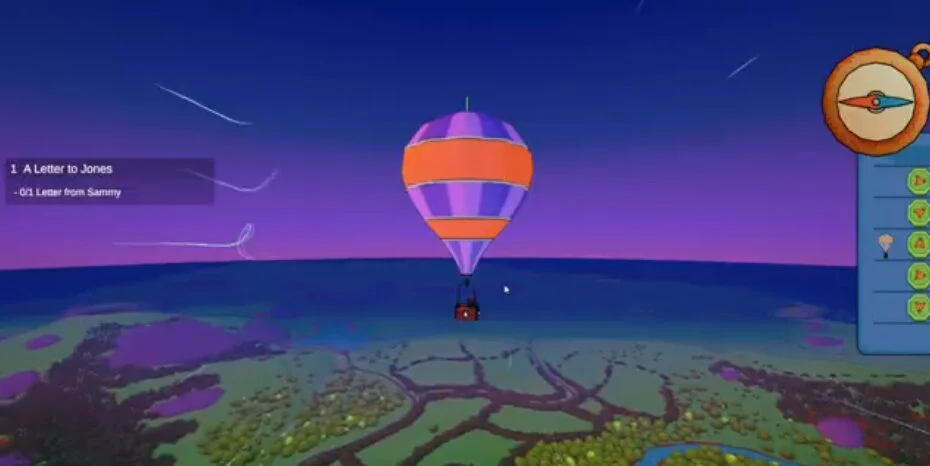
The landscape of independent video game development has undergone a seismic shift over the last decade. Where the industry once prioritized high-octane action and competitive intensity, a new movement—often categorized as "Wholesome Games" or "Cozy Gaming"—has taken center stage. Into this burgeoning genre flies Balloons of Paradise, a title that trades traditional combat for the gentle drift of a hot air balloon and the simple joy of community service. Developed by the Ireland-based Space Lion Studios, the game offers a meditative exploration of responsibility, kindness, and the literal highs and lows of flight.
Main Facts: A Coming-of-Age Story in the Clouds
At its core, Balloons of Paradise is a narrative-driven exploration game that places players in the flippers of a diminutive penguin. In a whimsical subversion of biological reality, this flightless bird is finally old enough to take to the skies, not through wings, but through the mastery of a hot air balloon. This transition into "adulthood" serves as the primary catalyst for the game’s mechanics and narrative arc.
The Protagonist and the Burden of Flight
The player character is a young penguin who has reached a pivotal milestone in their society. In the world of Balloons of Paradise, obtaining a balloon is more than a hobby; it is a rite of passage that carries significant social weight. With the freedom of flight comes the responsibility of stewardship. The penguin is tasked with navigating a vast, aesthetically soft world to assist a diverse cast of inhabitants, ranging from fellow animals to sentient inanimate objects.
Core Gameplay Mechanics
The gameplay loop is divided into two distinct but interconnected phases: ground-based interaction and aerial navigation.
- Interaction: On the ground, players engage with NPCs (non-player characters) to uncover their needs. These tasks vary from professional assistance to small, personal favors.
- Navigation: The hot air balloon acts as the primary mode of transportation between the game’s various biomes, known as the "flatlands" and the regions "further afield."
- Customization: As a reward for their altruism, players can collect various cosmetic items, most notably hats, which serve as the primary form of progression and self-expression within the game world.
Chronology: From Concept to the Show Floors of Barcelona
The development of Balloons of Paradise follows a trajectory typical of ambitious indie projects, marked by iterative design and public playtesting. Space Lion Studios has maintained a transparent development process, utilizing industry events to gauge player reactions and refine their vision.
Early Development and Prototype Phase
The project began as an exploration of "slow gaming" principles. The developers at Space Lion Studios sought to create an experience that prioritized the journey over the destination. Early prototypes focused heavily on the physics of the balloon, attempting to simulate the unique challenges of lighter-than-air travel without making the controls frustrating for a casual audience.
The Pocket Gamer Connects Barcelona Showcase
A significant milestone in the game’s timeline occurred recently at Pocket Gamer Connects (PGC) Barcelona. This international conference served as the first major public hands-on opportunity for the title. Attendees were able to play an early build that showcased the core questing system and the unique flight model.
During this event, the developers were actively present, soliciting feedback from journalists and industry peers. It was here that the specific "wind current" mechanic was highlighted. This build represented a "Phase 3" prototype, demonstrating a shift from basic movement to a more complex, atmospheric navigation system.
Post-Barcelona Refinement
Following the feedback gathered in Spain, the development team entered a period of refinement. Players at the event noted that while the slow pace was relaxing, the "downtime" during long flights required more interactive elements or a more intuitive way to manipulate the balloon’s trajectory. Space Lion Studios has since been working on "improvements to the way the balloon works," aiming to strike a balance between a meditative pace and engaging gameplay.
Supporting Data: The Mechanics of "Slow Navigation"
To understand the appeal and the potential hurdles of Balloons of Paradise, one must look at the technical data regarding its flight system and quest structure.
Atmospheric Navigation Physics
Unlike traditional flight simulators or arcade games where the player has direct, 360-degree control, Balloons of Paradise utilizes a system based on altitude and air currents.
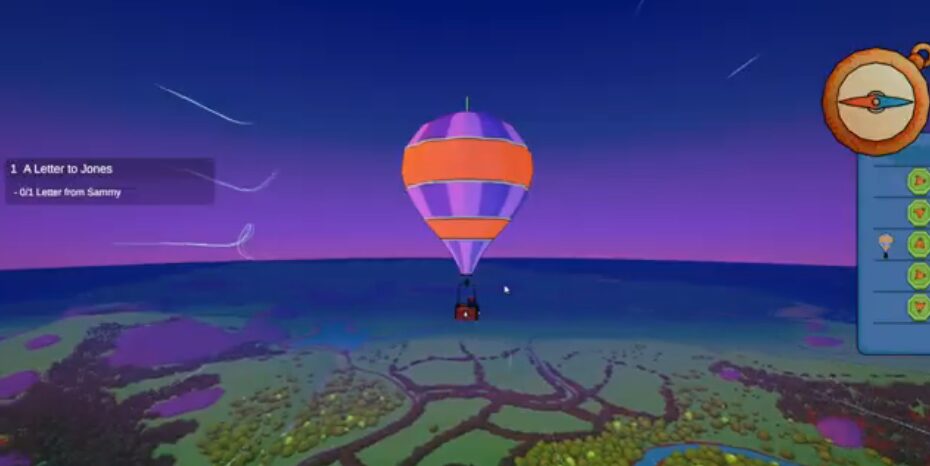
- Verticality as Direction: Players control the burner to ascend or the vent to descend.
- Wind Layers: Different altitudes feature wind currents blowing in different directions. To move north, a player must find the specific "strata" of air moving in that direction.
- Momentum: The balloon carries significant inertia, meaning every decision must be made with foresight. This creates a "slow and steady" progression that forces the player to observe the environment rather than just reacting to it.
Quest Categorization and NPC Diversity
The game’s world is populated by a variety of creatures, each designed with a distinct personality. The quests are categorized into two main types:
- Logistical Challenges: Helping NPCs with professional duties, such as delivering goods or scouting locations.
- Physical Assistance Quests: These are designed to highlight the penguin’s mobility compared to other characters. A notable example provided by the developers is helping a snowman. Being legless, the snowman may require an item moved only a few feet—a task impossible for them, but simple for the player. This reinforces the theme of empathy and community.
Visual and Audio Palette
Data from the early builds suggests a heavy reliance on a "pastel-plus" color palette. The use of soft blues, greens, and whites is intended to lower the player’s heart rate and encourage a state of "flow." The audio design follows suit, utilizing ambient wind sounds and a gentle, acoustic-led soundtrack.
Official Responses: Insights from Space Lion Studios
While a definitive release date remains unannounced, Space Lion Studios has been vocal about their design philosophy and their reaction to the PGC Barcelona reception.
Addressing the "Pacing" Feedback
One of the most common critiques from early playtests was the feeling of "wanting more to do" during the long stretches of flight. In a statement regarding the game’s evolution, the developers acknowledged that the "waiting it out" aspect of following wind currents is a polarizing mechanic.
"We are focusing on making the minor tweaks to the balloon’s responsiveness," the developer noted during the Barcelona showcase. The goal is to ensure that while the game remains a "relaxing way of doing things," it does not cross the line into inactivity. The team is currently experimenting with adding more "in-flight" interactions, possibly involving the penguin’s activities within the basket or better visual cues for the wind currents.
The Philosophy of "Paradise"
The studio has clarified that the title Balloons of Paradise refers not just to a location, but to a state of mind. By removing "fail states" (the balloon does not crash in a traditional sense, and there is no "game over"), the studio is leaning into the "cozy" movement’s rejection of stress-based engagement.
Implications: The Role of ‘Balloons of Paradise’ in the Modern Market
The emergence of Balloons of Paradise carries several implications for the indie gaming sector and the broader digital entertainment landscape.
The Expansion of the "Cozy" Demographic
The game is positioned to appeal to a demographic that traditional gaming often ignores: the "non-gamer" and the "stress-avoidant" player. By focusing on helpfulness and hats rather than combat and competition, Space Lion Studios is tapping into the same market that made Animal Crossing: New Horizons a global phenomenon.
Innovation in Movement
Most games treat movement as a means to an end. In Balloons of Paradise, movement is the game. The reliance on wind currents and altitude is a bold design choice. If successful, it could influence how other indie developers approach exploration, moving away from "fast travel" and toward "meaningful travel."
The Economic Viability of "Slow Games"
The success of this title will be a litmus test for the "slow gaming" movement. In an attention economy where most apps and games fight for every second of a user’s focus with flashing lights and rewards, a game that asks you to "wait it out" and "make minor tweaks" is a counter-cultural product. Its performance on platforms like Steam and the Nintendo Switch (a common target for such titles) will indicate whether the market’s appetite for tranquility is a passing trend or a permanent shift in consumer behavior.
Conclusion
Balloons of Paradise represents a thoughtful intersection of physics-based navigation and wholesome storytelling. While it currently lacks a firm release date, its appearance at PGC Barcelona has cemented it as a title to watch within the indie community. By placing a flightless bird in the cockpit of a balloon and asking them to help a legless snowman, Space Lion Studios is crafting a narrative about overcoming limitations through ingenuity and kindness. For players seeking an escape from the frantic pace of modern life, the wind currents of this penguin’s world may offer the perfect breeze to follow.