
The Gift of Clarity: How Intentional End-of-Life Planning Redefines the Grieving Process
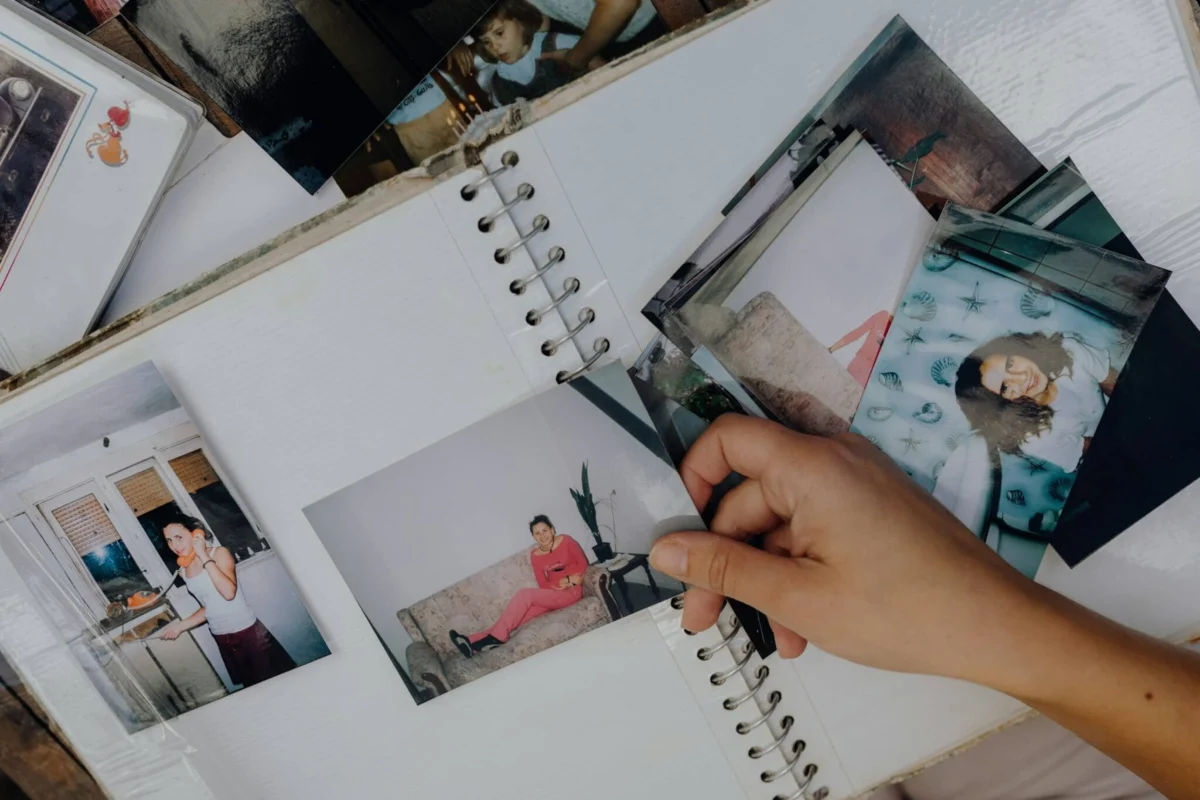
NORTHEAST OHIO — In the quiet corners of a modest home in Northeast Ohio, a legacy was recently finalized—not in the accumulation of wealth or the height of a monument, but in the meticulous, loving preparation for a departure. Joe Darago, Executive Director of the international non-profit The Hope Effect, recently shared a profound account of his Aunt Liz’s final year, offering a blueprint for what experts call "intentional transition."
As the "silver tsunami" approaches—with the U.S. Census Bureau estimating that by 2030, all baby boomers will be older than 65—the burden of settling estates is becoming a dominant social and psychological issue. Darago’s experience highlights a growing movement toward "Swedish Death Cleaning" (döstädning) and proactive estate management, proving that the greatest gift a person can leave their family is not an inheritance, but the absence of chaos.
Main Facts: A Legacy of Presence
The story centers on Elizabeth "Liz" Darago, a woman who, along with her sister Marilyn, represented a steady, quiet force in a large, bustling family of six siblings. Despite never having children of her own, Aunt Liz’s influence was "minimal in flash, but immense in weight," according to Darago.
The core of the narrative involves three specific actions Liz took in the final twelve months of her life:
- Legal and Financial Structuring: The establishment of a living trust to bypass the complexities of probate.
- Material Simplification: A conscious effort to declutter and label family artifacts.
- Emotional Transparency: Engaging in difficult, honest conversations about death and the distribution of specific responsibilities.
These actions served to mitigate the "grief-work" typically required of survivors, allowing the family to focus on celebration and remembrance rather than litigation and logistics.
Chronology: From Connection to Conclusion
The Foundation of Presence
For decades, the Darago family home in Northeast Ohio was a hub of activity. While Joe’s father raised six children, his sisters, Marilyn and Liz, remained constant fixtures. They were the "silent investors" in the family’s milestones, attending every graduation, sporting event, and holiday. Their lives were defined by "presence"—a value that Darago notes eventually shaped his own career in orphan care and family advocacy.
The Health Transition (Circa 2014)
Approximately ten years ago, both Marilyn and Liz began to face the inevitable decline of health. In a move of practical solidarity, they consolidated their households. While this reduced living expenses, it created a "compounding effect" of belongings. The sisters moved into a single residence, bringing with them generations of artifacts: documents from a great-grandfather, furniture from their mother’s house, and remnants of a long-closed family store.
The Final Year (2023–2024)
Recognizing that her time was limited, Aunt Liz underwent a psychological shift about a year before her passing. She moved from being a "keeper of secrets" to a "facilitator of transition." During this period, she worked with legal professionals to secure her estate and began the physical task of sorting through the "family cloud"—the physical items that held the family’s oral history.
The Aftermath (Present Day)
Following Liz’s recent passing, Joe Darago returned to Ohio to serve as the family pastor for her funeral. The contrast between the service and the subsequent estate handling was stark. While the service focused entirely on Liz’s character and emotional impact, the ease of the following days was a direct result of her logistical foresight.
Supporting Data: The Burden of the Unsaid
Darago’s experience reflects a broader national trend where families struggle with the "clutter of the departed." According to a 2023 study by Caring.com, only 32% of Americans have a will or a trust, a figure that has remained stagnant despite the lessons of the COVID-19 pandemic.
The Legal Hurdle: Probate vs. Trust
Liz’s decision to establish a trust was a critical data point in the family’s ease of transition. Probate—the court-supervised process of authenticating a last will and testament—can take anywhere from six months to two years and often consumes 3% to 7% of the estate’s value in legal fees. By utilizing a living trust, Liz ensured that her assets, including two homes and a coin collection, were transferred to her beneficiaries without court intervention.
The Psychological Impact of "Death Cleaning"
The concept of döstädning, popularized by author Margareta Magnusson, suggests that people over the age of 50 should begin the process of decluttering to spare their loved ones the burden. Research in the Journal of Consumer Psychology indicates that "sentimental clutter" is the hardest to process because it represents a "loss of self." By labeling photos and explaining the history of letters before her death, Liz effectively transferred the meaning of the items without forcing her heirs to keep the bulk of the items.

Official Responses and Expert Perspectives
While the story is personal, its implications reach into the professional sectors of estate planning and non-profit leadership.
Joe Darago, Executive Director of The Hope Effect, emphasizes that minimalism is not merely an aesthetic choice but a moral one. "Minimalism isn’t just about letting go of stuff," Darago stated. "It’s about living with purpose and preparing with love. The intentional steps Aunt Liz took didn’t just ease our burden—they reminded us of what really matters."
Estate Planning Professionals often argue that "money has a way of straining even the closest families." The clarity of an executor’s role—in this case, one of Joe’s sisters—removes the ambiguity that often leads to sibling rivalry. Experts suggest that Liz’s approach of "talking about what matters" while still of sound mind is the gold standard for family harmony.
The Hope Effect Perspective: As a leader of an organization dedicated to providing family-based care for orphans, Darago views Liz’s legacy through the lens of family stability. The organization’s mission—that "every child deserves a family"—is mirrored in the way Liz treated her nieces and nephews, ensuring that even in her absence, the family unit remained cohesive and untroubled by legal strife.
Implications: A Call to Intentional Living
The narrative of Aunt Liz serves as a case study for a society that is largely death-avoidant. The implications of her choices suggest a three-pronged approach for others facing similar life stages:
1. The Normalization of the "Death Talk"
The primary implication is the need to lower the barrier for difficult conversations. Darago suggests that initiating these talks with compassion—asking about wills, powers of attorney, and final hopes—is a "gift to everyone involved." When death is treated as a known destination rather than a taboo surprise, the emotional trauma of the event is significantly decoupled from the administrative burden.
2. The Preservation of Oral History
Liz’s role as the "family historian" highlights a critical vulnerability in the digital age. As she set aside items for Joe, she included handwritten notes explaining why they mattered. The implication for modern families is the urgent need to "analog-tag" their history. Writing names on the backs of photos and recording the stories behind heirlooms prevents the loss of heritage that occurs when items become "just old stuff."
3. The Shift from Possessions to Presence
The most profound implication of the Darago account is the re-evaluation of what constitutes a "life well-lived." At Liz’s funeral, none of her possessions—her homes, her accounts, or her collections—were mentioned. The focus remained entirely on her presence and encouragement. This reinforces the minimalist philosophy: that the value of a life is measured by the quality of relationships and the intentionality of one’s legacy.
Conclusion
The story of Elizabeth Darago is more than a family memoir; it is a testament to the power of "preparing with love." By simplifying her estate, securing her legal legacy, and speaking her truths while there was still time, she ensured that her family’s final memories of her were defined by peace rather than paperwork.
As Joe Darago continues his work at The Hope Effect, championing the importance of family for vulnerable children, he carries with him the lessons of an aunt who understood that the best way to say goodbye is to make sure your loved ones aren’t left holding the bag—but rather, the story.
Joe Darago is the Executive Director of The Hope Effect and a veteran advocate for family-based orphan care. He resides in Edmond, Oklahoma, with his wife Christie.


Leave a Comment