
The Great Ink Pivot: HP Slashing Prices on Smart Tank Series Signals Shift in Home Office Economy
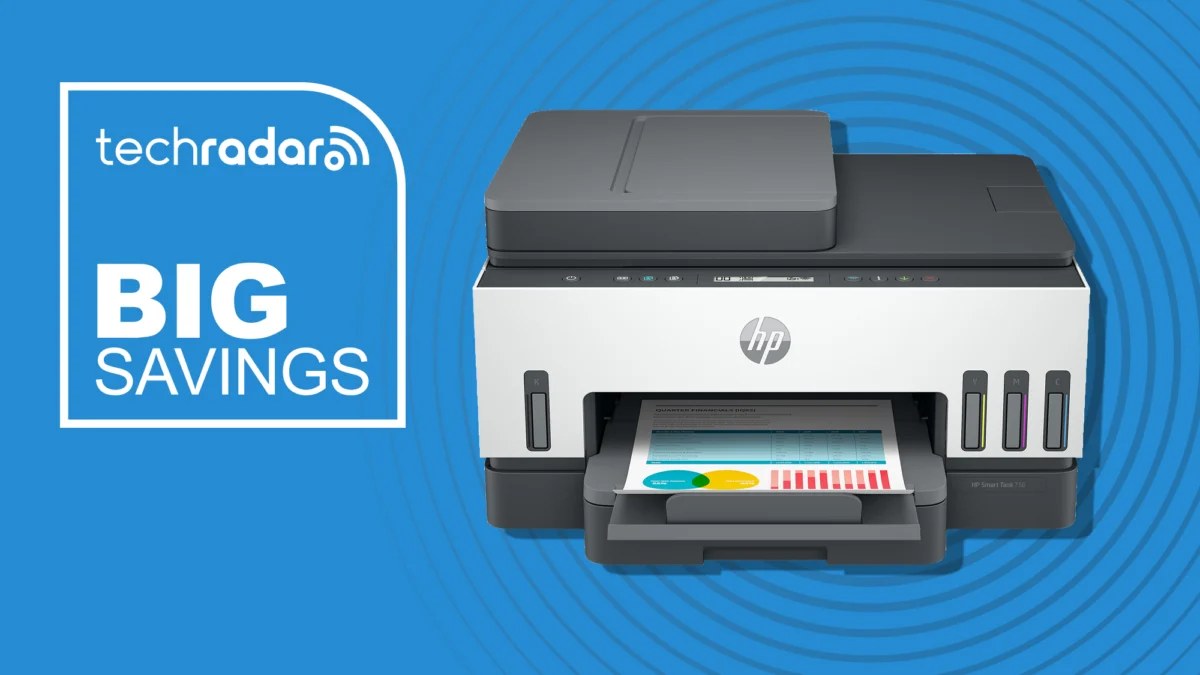
In an era where the "razor and blade" business model—selling hardware at a loss to recoup profits through expensive consumables—is facing unprecedented scrutiny, HP Inc. has signaled a significant tactical shift. The tech giant has announced substantial price reductions across its premium "Smart Tank" lineup, most notably dropping the price of the HP Smart Tank 7301 All-in-One from $450 to $299.99. This 33% discount represents more than just a seasonal sale; it reflects a broader industry movement toward high-yield, refillable ink systems designed for the permanent remote workforce.
Main Facts: The $150 Discount and the Hardware Proposition
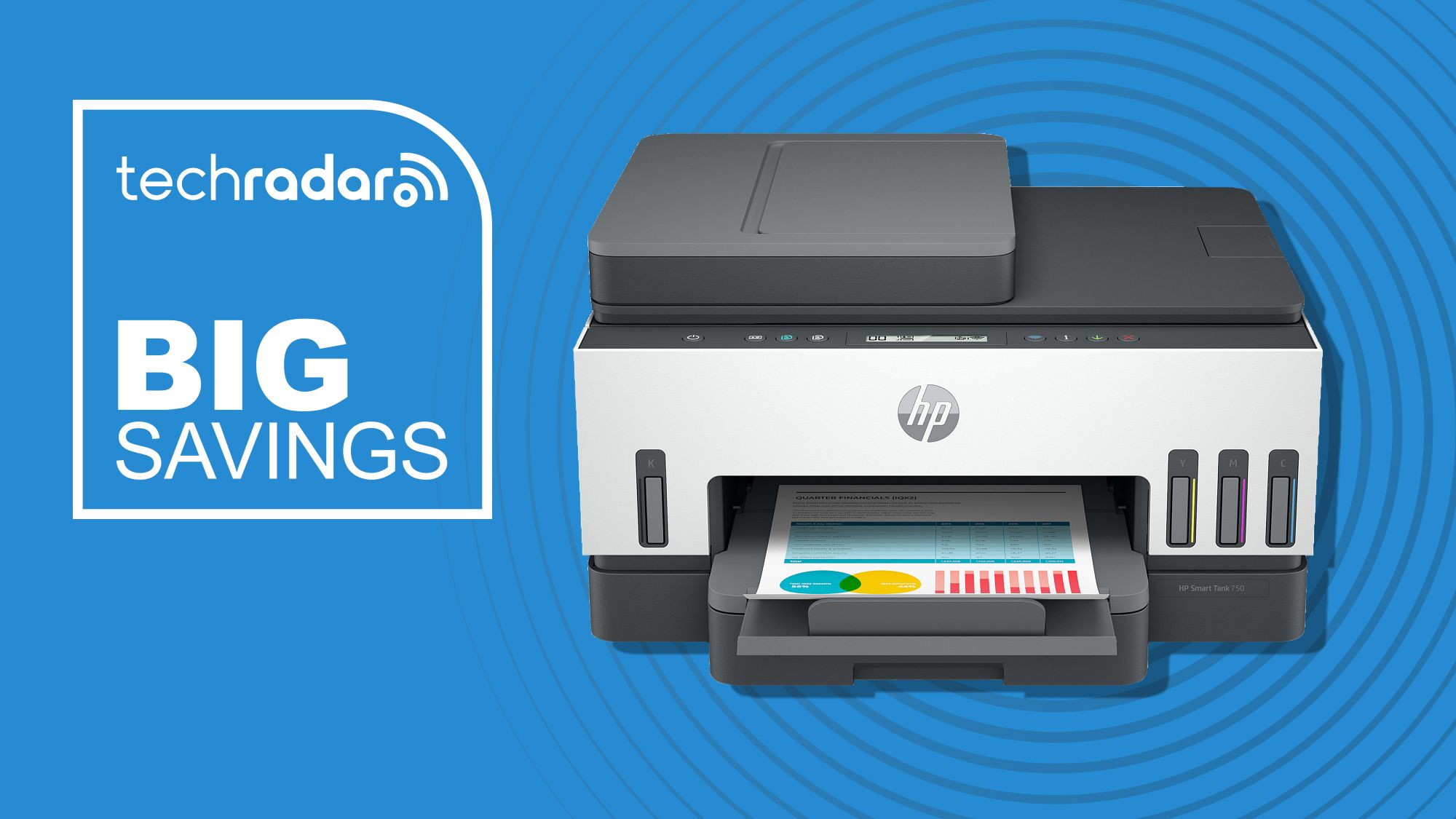
The centerpiece of HP’s current promotional cycle is the Smart Tank 7301, a device that bridges the gap between consumer-grade convenience and small-business-grade durability. At the $300 price point, the 7301 enters a highly competitive "sweet spot" of the market, offering features that were previously reserved for high-end enterprise laser printers or significantly more expensive inkjet competitors.
The HP Smart Tank 7301 is a multi-function peripheral (MFP) designed to print, scan, and copy with high efficiency. Key specifications include:
- Print Speeds: Up to 15 pages per minute (ppm) for black-and-white documents and 9 ppm for color.
- Connectivity: Dual-band Wi-Fi with self-healing capabilities, Ethernet, and high-speed USB 2.0.
- Capacity: A 250-sheet input tray paired with a 100-sheet output tray.
- Automation: A 35-page Automatic Document Feeder (ADF) and automatic two-sided (duplex) printing.
- Ink Yield: Out-of-the-box capacity for up to 6,000 black pages and 8,000 color pages using the included ink bottles.
This sale is part of a wider HP initiative to promote its "AI-enabled" ecosystem, which integrates the HP Smart App to streamline workflows, provide predictive maintenance alerts, and offer advanced security features.
Chronology: The Evolution of the Ink Tank Strategy
To understand the significance of this price drop, one must look at the historical trajectory of inkjet technology. For nearly three decades, the printing industry relied on the "cartridge model." Consumers could purchase a printer for as little as $50, but replacement ink cartridges, often containing only a few milliliters of fluid, would cost nearly as much as the hardware itself.
2010–2015: The Rise of the "Tank" Concept
Initial consumer frustration with high ink costs led to the rise of third-party Continuous Ink Supply Systems (CISS). Recognizing a market for high-volume home users, competitors like Epson launched the "EcoTank" line. HP initially resisted this shift, focusing instead on "Instant Ink," a subscription-based model where cartridges are mailed to users based on page counts.
2018–2021: The Introduction of Smart Tank
HP eventually entered the refillable market with the "Smart Tank" series. These models were initially positioned as premium, high-upfront-cost alternatives. During the COVID-19 pandemic, demand for these machines skyrocketed as families and remote workers realized that traditional cartridges could not keep up with the volume of home-schooling materials and professional documents.
2022–2024: Refinement and AI Integration
The 7000-series, including the 7301, represents the "second generation" of HP’s tank strategy. The focus shifted from mere ink capacity to "smart" features: better Wi-Fi stability, mobile integration, and environmental sustainability. The current price reduction to $300 marks a maturation phase where HP is now aggressive enough to challenge the pricing of entry-level laser printers.
Supporting Data: The Economics of Refillable Ink
The primary driver behind the adoption of the Smart Tank 7301 is the Total Cost of Ownership (TCO). When analyzed over a three-year period, the data suggests that the $300 investment provides a significantly better return than cheaper, cartridge-based alternatives.
Cost-Per-Page (CPP) Analysis
In a traditional cartridge printer, the cost per black-and-white page typically ranges from $0.05 to $0.10. For color, this can climb to $0.20 or more.
- HP Smart Tank 7301: With a replacement black ink bottle costing approximately $15 and yielding 6,000 pages, the CPP drops to roughly $0.0025 (one-quarter of a cent).
- Color Printing: With 8,000 pages per set of color bottles, the cost per color page is similarly negligible, often under $0.01.
Productivity Metrics
The inclusion of a 35-page ADF is a critical data point for professional users. Flatbed-only scanners require manual intervention for every page, whereas the 7301’s ADF allows for the digitizing of long contracts or reports at a 1200dpi optical resolution. Furthermore, the 250-sheet paper tray is double the capacity of most budget inkjets, reducing "user friction"—the time spent on maintenance tasks rather than core work.
Recommended Duty Cycle
HP’s technical documentation recommends a monthly page volume of 400 to 800 pages. However, the machine is rated for a "duty cycle" of up to 5,000 pages per month. This indicates a robust internal build quality capable of handling "burst" periods, such as tax season or the end of a school semester, without the mechanical failure common in lower-end models.
Official Responses and Market Context
While HP executives often emphasize the "seamless experience" of their software, industry analysts view this price cut as a direct response to a tightening hardware market.
"HP is looking to capture the ‘Prosumer’ market—users who are tired of the subscription fatigue of Instant Ink but still want the brand reliability of HP," says market analyst Marcus Thorne. "By pricing the 7301 at $300, they are effectively neutralizing the price advantage that Epson and Canon held in the high-yield inkjet space."
HP’s official stance on the Smart Tank line focuses heavily on sustainability. The company notes that the 7301 is made from recycled printers and other electronics—more than 25% by weight of plastic. By eliminating the plastic housing of dozens of traditional cartridges, the Smart Tank system significantly reduces the environmental footprint of the home office.
Furthermore, HP has integrated its "Wolf Essential Security" into these models. In an era of increased cyber-attacks on home networks, HP’s response has been to treat the home printer as a potential "endpoint" for security breaches, offering hardware-level protection that was previously only found in the "LaserJet Enterprise" series.
Implications: The Future of Home Printing
The aggressive discounting of the HP Smart Tank 7301 has several long-term implications for the consumer technology landscape:
1. The Death of the Budget Cartridge Printer?
As the price of "tank" printers falls toward the $250–$300 range, the value proposition of the $100 cartridge printer begins to evaporate. Consumers are becoming more savvy regarding the "hidden costs" of cheap hardware. If HP and its competitors continue to lower the barrier to entry for refillable systems, we may see the eventual phase-out of traditional inkjet cartridges for all but the most casual users.
2. Sustainability as a Competitive Advantage
With ESG (Environmental, Social, and Governance) scores becoming more important for corporate procurement, HP’s focus on refillable tanks and recycled plastics is a strategic move. Large organizations looking to outfit thousands of remote employees will favor devices that contribute to their carbon-reduction goals. The reduction in packaging waste—moving from 30-40 cartridges to 4 bottles over the life of a printer—is a quantifiable ecological win.
3. AI and the "Autonomous" Printer
The mention of "AI-enabled" features in the HP sale is a precursor to a more automated future. Currently, this manifests as "self-healing" Wi-Fi that can diagnose and fix connection drops without user input, and the HP Smart App’s ability to automatically crop and enhance scans. In the future, we can expect AI to play a larger role in ink management and predictive parts replacement, further reducing the downtime for small business owners.
4. The Hybrid Work Infrastructure
The HP Smart Tank 7301 is a symbol of the "professionalization" of the home. No longer content with "good enough" devices, the modern workforce requires infrastructure that mirrors the office environment. High-speed duplexing, ADFs, and high-capacity trays are becoming the standard, not the exception.
In conclusion, HP’s $150 price cut on the Smart Tank 7301 is a calculated move to dominate the high-yield inkjet market. By lowering the entry cost of its most efficient technology, HP is not just selling a printer; it is attempting to lock users into an ecosystem that prioritizes long-term value, professional-grade performance, and environmental responsibility. For the consumer, it represents a rare opportunity to acquire high-tier office technology at a mid-tier price point.




Leave a Comment