The Great Realignment: Why Innovation is Outpacing Nostalgia on Steam in 2026
August 1, 2026 — The Steam charts have always served as a volatile barometer for the health and direction of the PC gaming industry. However, as we cross the midpoint of 2026, those numbers are telling a story far more complex than simple sales figures. In a year defined by brutal industry contraction, massive layoffs at titans like Xbox and Ubisoft, and a growing sense of "sequel fatigue," a clear divide has emerged.
On one side stands the traditional AAA machine, leaning heavily on remakes and established intellectual properties. On the other is a surging wave of innovative, often experimental titles from smaller teams that are capturing the collective imagination of the global player base. The data suggests a fundamental shift: PC gamers are no longer content with "faithful" retreads of the past; they are hungry for the "bonkers," the new, and the weird.
Main Facts: The Palworld 1.0 Phenomenon and the AAA Stagnation
The most striking headline of the summer remains the official 1.0 launch of Palworld. Three weeks after its full release, the sandbox survival sensation continues to defy the gravity of typical player-count decay. While critics and "doom-posters" predicted the game would fade into obscurity after its initial early-access explosion years ago, the 1.0 update has cemented it as a permanent pillar of the platform.
Currently, Palworld maintains a staggering daily peak of over 500,000 concurrent users. This puts it in an elite bracket occupied only by the "immovables" of Valve’s own ecosystem: Counter-Strike 2, PUBG, and Dota 2.
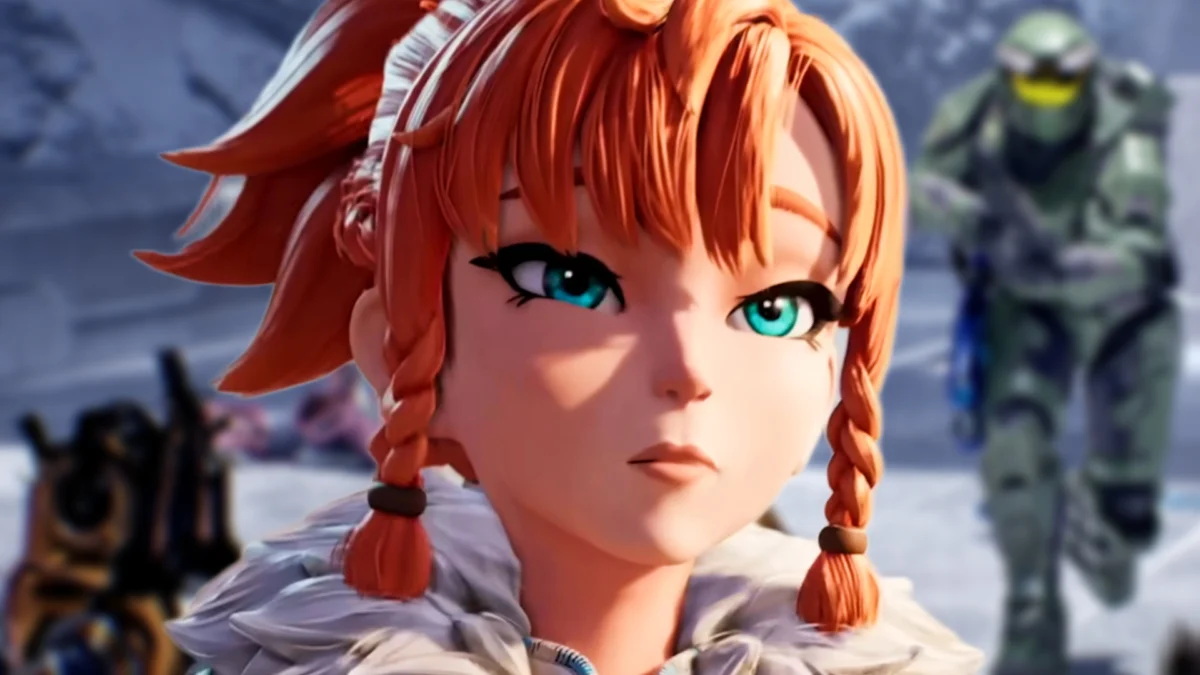
In stark contrast, the highly anticipated—and heavily marketed—Halo: Campaign Evolved has struggled to find its footing. Despite being a meticulously crafted remake of the title that defined a generation, it reached a peak of just over 25,000 concurrent players on Steam. Similarly, Assassin’s Creed Black Flag Resynced, while achieving a series-best Steam launch of 104,000 players, has failed to generate the sustained cultural conversation that Ubisoft likely expected for one of its most beloved entries.

The narrative of 2026 is becoming clear: "Safe" bets are no longer safe, and the "unconventional" is becoming the new gold standard for success.
Chronology of a Shifting Landscape: 2026 Year-to-Date
To understand how we arrived at this juncture, one must look at the sequence of releases that have defined the first seven months of 2026.
- Q1 2026: The Warning Signs. The year began under a cloud of industry-wide layoffs. As Xbox and Ubisoft announced restructuring, the market saw a flurry of smaller releases. It was during this period that Meccha Chameleon, a hide-and-seek title developed in less than a month by a two-person team, became a viral sensation, proving that speed and a unique hook could outperform multi-million dollar marketing budgets.
- Q2 2026: The Rise of the "Mid-Tier." The spring saw the release of Windrose, a pirate-themed survival game published by Pocketpair. Its success signaled that the "Palworld formula"—combining disparate genres into a cohesive, high-engagement loop—was not a fluke. This period also saw the long-awaited arrival of Slay the Spire 2 and Deltarune Chapter 5, both of which dominated the "Top Sellers" list for weeks.
- June 2026: The Summer Game Fest Revelation. At Summer Game Fest, host Geoff Keighley presented a list of games that had surpassed one million sales on Steam within the calendar year. While Resident Evil Requiem and Forza Horizon 6 represented the AAA old guard, the list was dominated by titles like Mewgenics, Vampire Crawlers, and Gamble With Your Friends.
- July 2026: The Palworld 1.0 Milestone. The official launch of Palworld 1.0 on July 11 served as the climax of this trend. It wasn’t just a patch; it was a cultural event that reclaimed the top of the charts and held it against the launch of Halo: Campaign Evolved.
Supporting Data: By the Numbers
The disparity between the "New Wave" and "Legacy" titles is best illustrated by the SteamDB metrics recorded over the last 30 days.
| Game Title | 2026 Peak Concurrent Players | Status |
|---|---|---|
| Palworld 1.0 | 512,000+ | Survival / Sandbox |
| Assassin’s Creed Black Flag Resynced | 104,000 | AAA Remake |
| Crimson Desert | 89,000 | New IP (AAA) |
| Meccha Chameleon | 76,000 | Indie / Viral |
| Halo: Campaign Evolved | 25,400 | AAA Remake |
The Halo numbers are particularly telling. When The Master Chief Collection launched on Steam in 2019, it peaked at over 161,000 players. The 2026 remake, despite significantly better visuals and modernized mechanics, captured less than 16% of that audience.
Industry analysts point to several factors for this:

- Platform Dilution: While Halo is available on Game Pass, the Steam numbers historically reflected a "buy-to-own" enthusiasm that seems to have evaporated for remakes.
- The "Faithful" Trap: As noted in the PCGamesN review of Campaign Evolved, the game is "so faithful… it’s hard to dislike, but I’m not sure you should bother playing it."
- Price-to-Innovation Ratio: Titles like Vampire Crawlers and Gamble With Your Friends offer entirely new mechanical experiences for $15–$30, whereas remakes often demand $60–$70 for a story many players have already completed multiple times.
Official Responses: Confidence vs. Caution
The industry’s reaction to these numbers has been a mix of playful defiance and corporate soul-searching.
John ‘Bucky’ Buckley, Community Manager at Pocketpair, has become a vocal figurehead for the success of the "new" model. Responding to the sustained high player counts for Palworld, Buckley took to social media to address the skeptics. "It’s honestly bonkers," Buckley stated. "There are people out there absolutely dying to post, ‘Palworld lost X% of their players! Dead game!’ and at this rate, they’ll have to wait at least another week or two. Maybe forever."
His comments highlight a growing friction between community-led development and the traditional "launch and leave" or "rely on the brand" strategy of larger publishers.
On the critical side, the sentiment is more somber. Tim, a veteran reviewer at PCGamesN, captured the malaise surrounding the latest Halo release. "When a remake is as faithful and as careful as Campaign Evolved, it’s hard to dislike," he remarked in his review titled A Curiosity for the Hardcore. "But… I’m not sure you should bother playing or buying it. We’ve seen this story. We’ve shot these Grunts. The PC platform thrives on the ‘What’s Next,’ not the ‘What Was.’"
Meanwhile, Ubisoft has remained relatively quiet regarding the launch of Black Flag Resynced. While 104,000 players is a respectable number, sources within the company suggest that internal projections were significantly higher, especially given that this was the first Assassin’s Creed title in years to enjoy a simultaneous day-one launch on Steam alongside other platforms.

Implications: A Turning Point for PC Development
The data from 2026 suggests that we are witnessing a "Great Realignment" of player priorities. The implications for the future of the industry are profound:
1. The Death of the "Safe" Remake
For years, publishers have used remakes as a way to generate revenue between major new releases with minimal creative risk. 2026 is proving that the market has reached a saturation point. Players are increasingly unwilling to pay a premium for nostalgia when the "Indie+" scene—games with indie sensibilities but high production values—is delivering fresh experiences at a faster rate.
2. The Power of Post-Launch Support
Crimson Desert serves as the exception that proves the rule for AAA. By taking a "big swing" with a new IP and providing massive, transformative updates—such as today’s overhaul of the game’s trade and economy systems—it has maintained a healthy and growing player base four months after launch. This suggests that the "live service" model is evolving away from predatory monetization and toward genuine content evolution.
3. Innovation as a Survival Strategy
In a year of layoffs, the success of Meccha Chameleon and Windrose suggests that agility is more valuable than scale. Smaller teams can afford to take risks on "weird" concepts like cat-based tactics (Mewgenics) or experimental social gambling games (Gamble With Your Friends). These titles are capturing the "Gen Z and Gen Alpha" PC demographic, which values virality and social interaction over the cinematic, solo experiences that defined the 2010s.
4. The Microsoft Dilemma
Microsoft’s strategy of falling back on legacy brands like Halo and Gears of War appears to be faltering on the PC platform. While these names still carry weight, they are no longer the "must-play" events they once were. If the trend continues, the "wrong direction" mentioned by industry analysts may force a radical shift in how Xbox Game Studios approaches its portfolio—moving away from the "Green Brand" nostalgia and toward the experimental spirit of the developers they’ve acquired.

Conclusion
As we look toward the final quarter of 2026, the Steam charts remain a testament to the PC’s unique position as an open, democratic platform. It is a place where a "bonkers" survival game can stand shoulder-to-shoulder with Counter-Strike, and where a meticulously polished remake of a masterpiece can be met with a collective shrug.
The message from the players is loud and clear: The past was wonderful, but we’ve already been there. Show us something we haven’t seen before.