The Human Terrain of Generative Media: Jacob Holster and the Rise of Painterly AI Aesthetics
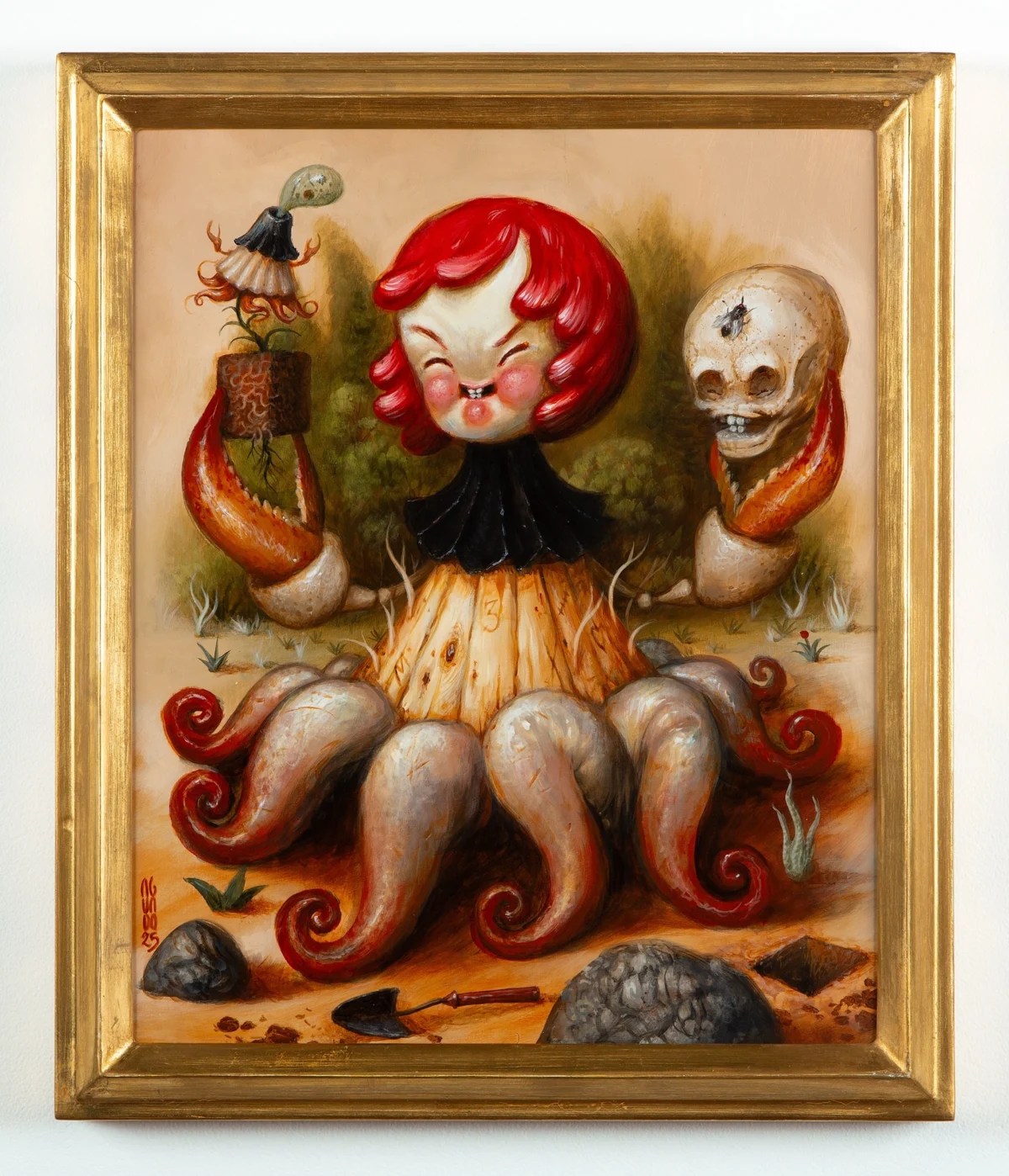
In the rapidly evolving landscape of generative artificial intelligence, a visual fatigue has begun to set in. The early awe inspired by hyper-realistic renders and the clinical, glossy perfection of "plastic" digital imagery is being replaced by a yearning for something more visceral. As social media feeds become saturated with the neon-soaked, ultra-smooth outputs of standard AI models, a new vanguard of artists is emerging—those who use these powerful algorithms not to simulate reality, but to evoke the tactile, flawed, and deeply emotional world of traditional fine art.
At the forefront of this movement is Jacob Holster. Known to the digital art community by his Instagram handle @bandyquantguy, Holster has carved out a singular niche that bridges the gap between high-level academic inquiry and avant-garde visual experimentation. An Assistant Teaching Professor of Music Education at Penn State University, Holster’s work represents a sophisticated synthesis of sound, pedagogy, and "painterly" AI aesthetics.
Main Facts: Defying the Digital Sheen
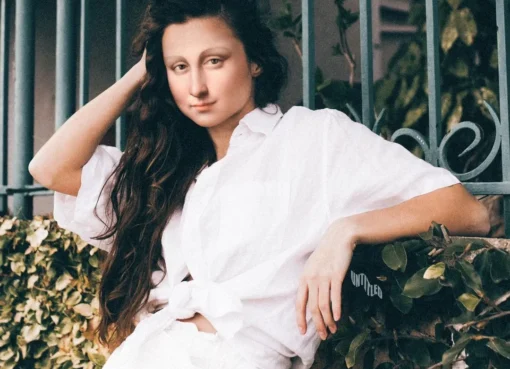
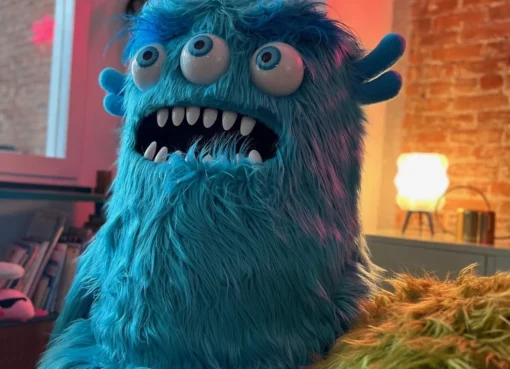
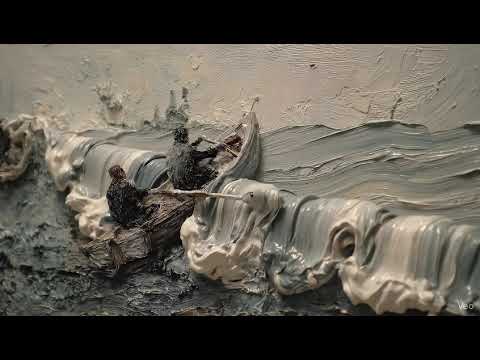
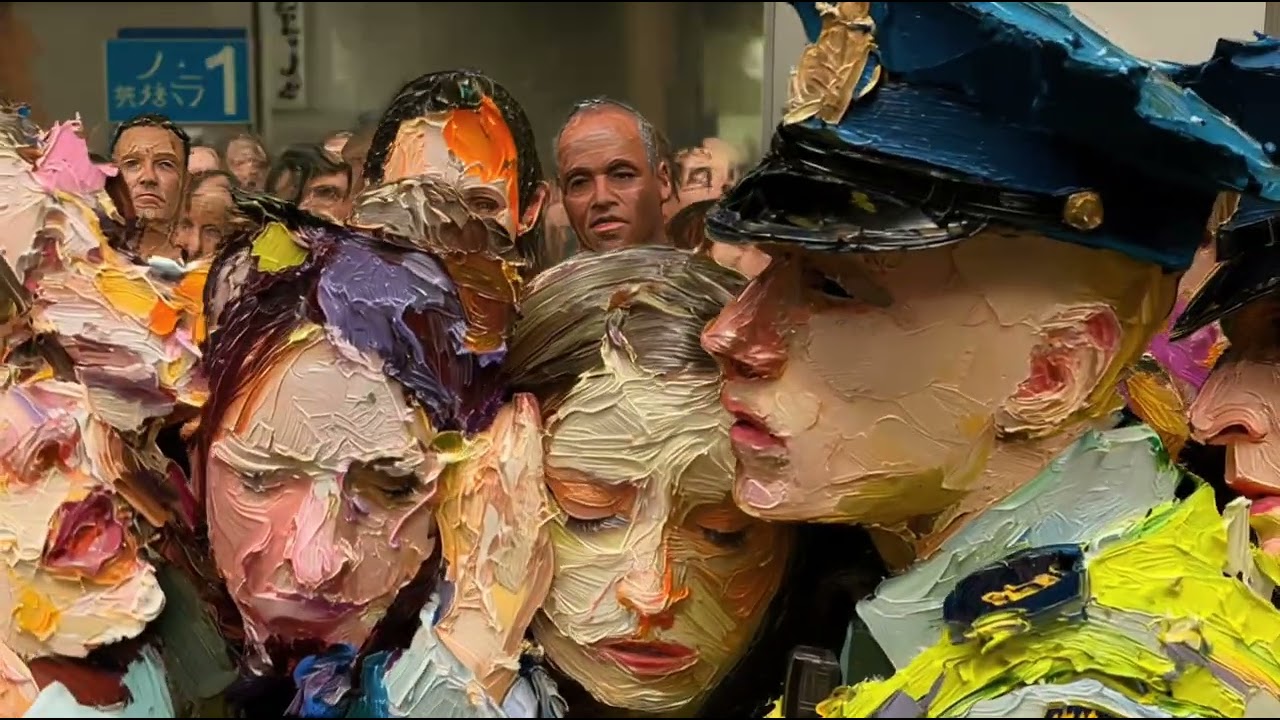
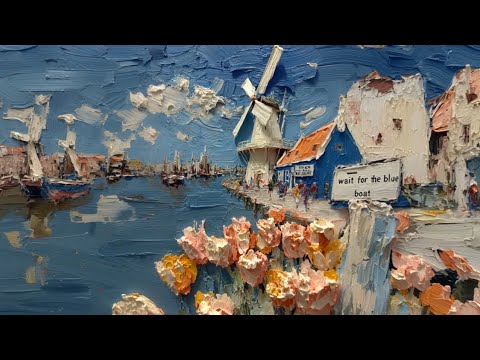
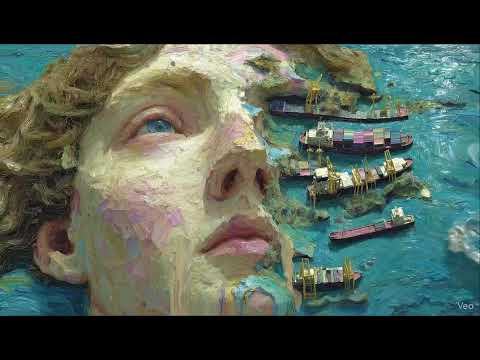
Jacob Holster’s work is a deliberate departure from the "uncanny valley" of hyper-realism. While many AI creators strive for photographic accuracy, Holster’s portfolio—most notably his Paint World series—prioritizes texture, warmth, and the heavy impasto of oil painting. His work does not look like a computer trying to take a photograph; it looks like a computer dreaming of a canvas.

Holster’s dual identity as a scholar and a creator is central to his output. As a faculty member at Penn State, his research focuses on how AI can be integrated into music education and creative practice. This academic rigor prevents his art from becoming mere "eye candy." Instead, films like Art Is Human Terrain and Recipe for Consciousness serve as visual essays on the nature of creativity in the age of automation.
Key elements of Holster’s aesthetic include:
- Tactile Textures: A focus on the "grit" of traditional media, featuring visible brushstrokes and color bleeds.
- Narrative Soundscapes: Leveraging his background in music education to create immersive, atmospheric audio that complements the visual flow.
- Humanistic Inquiry: Using AI to explore themes of consciousness, memory, and the "human terrain" rather than technical bravado.
Chronology: From Music Theory to Visual Synthesis
The trajectory of Jacob Holster’s career reflects the broader evolution of AI art from a technical curiosity to a legitimate medium of expression.
The Academic Foundation
Before becoming a recognized name in the AI art world, Holster established himself in the realm of music education. His early career focused on pedagogy—the method and practice of teaching. This interest in "how we learn" and "how we create" naturally led him to the burgeoning field of artificial intelligence. At Penn State, he began investigating the convergence of these fields, looking for ways technology could enhance rather than replace the human element in music and art.
The Birth of @bandyquantguy
The launch of his Instagram persona marked a shift toward public-facing creative practice. Holster began experimenting with generative tools to visualize the abstract concepts he was exploring in his research. Unlike the "prompt engineers" who flooded the platform with generic fantasy art, Holster’s early posts showed a commitment to a specific, weathered aesthetic—one that felt aged, cultured, and intentionally analog.
The "Paint World" Era (2023–Present)
The release of his Paint World series represented a breakthrough. Each entry in the series, such as Le Voyage [Paint World 28] and Wait for the Blue Boat [Paint World 18], showcased a maturing style. He moved away from static images into short-form AI films, utilizing tools that allowed for temporal consistency while maintaining his signature painterly flicker. This period solidified his reputation as a filmmaker who could make AI feel "warm."
Recent Work: "Art Is Human Terrain"
His most recent projects have leaned further into the philosophical. Art Is Human Terrain serves as a manifesto of sorts. It posits that art—even when generated by a machine—is ultimately a map of human experience, filtered through the data we have left behind.
Supporting Data: The Shift Toward Organic AI
Holster’s success is part of a larger statistical and cultural shift in the creative industries. According to recent surveys of digital art collectors, there is a growing "premium" placed on AI works that exhibit "artistic intent" over "technical complexity."
- The "Post-Photorealistic" Trend: Data from platforms like ArtStation and Behance suggests that engagement with hyper-realistic AI art peaked in late 2022. Since then, engagement has shifted toward "stylized" or "painterly" outputs, which users perceive as more "authentic" or "human-led."
- The Pedagogical Gap: In his research at Penn State, Holster addresses a critical gap: while 70% of creative students express interest in using AI, fewer than 15% feel they have the conceptual framework to use it as a "fine art" tool. Holster’s work serves as a living case study for these students.
- The Multimodal Advantage: Holster’s use of sound is backed by studies in cognitive psychology which suggest that "multimodal" art (combining visual and auditory stimuli) leads to higher levels of emotional resonance and memory retention in viewers compared to silent visual media.
Official Responses and Academic Context
While the art world remains divided on the ethics of AI, the academic response to Holster’s work has been notably positive, viewing it as a bridge between traditional humanities and future technologies.
In his capacity at Penn State’s School of Music, Holster’s work is framed within the context of "creative agency." The university’s focus on AI in the curriculum is not about replacing the musician or the painter, but about "augmenting the creative toolkit." Holster’s projects are often cited as examples of how generative media can be used to teach students about composition, texture, and narrative structure.
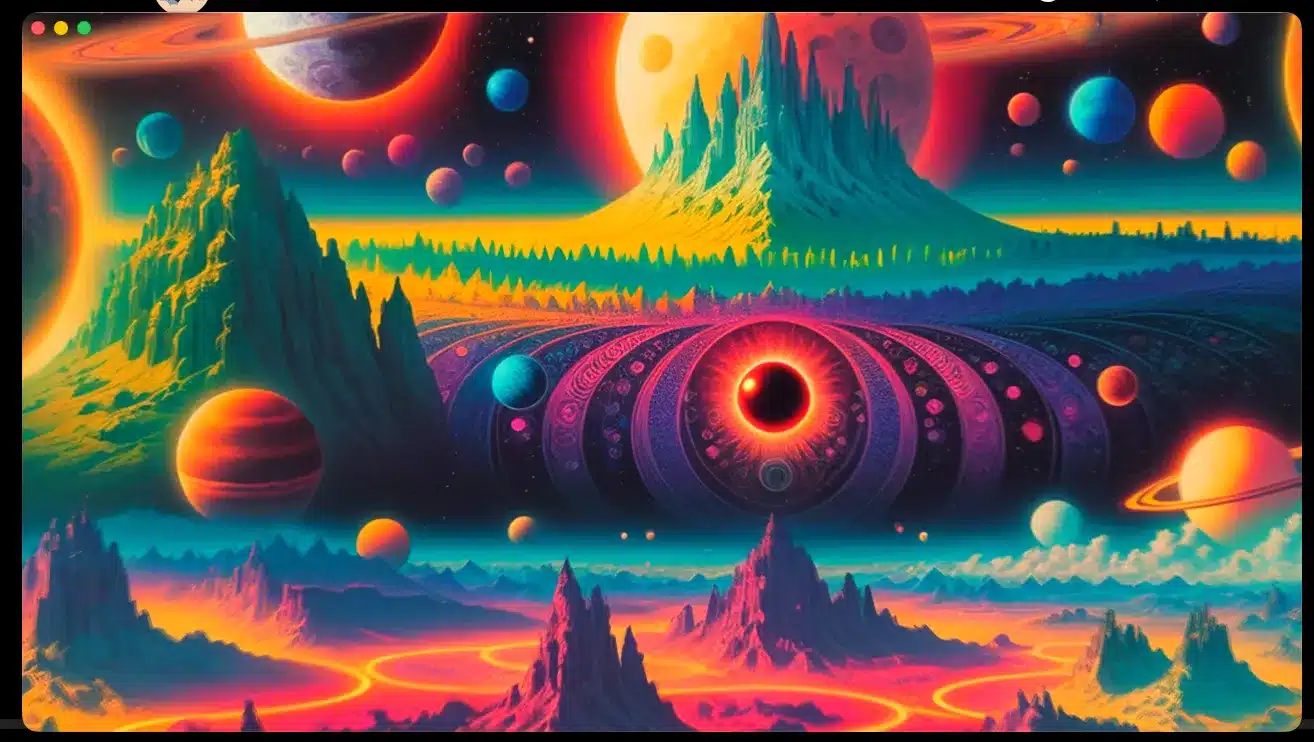
Critically, Holster’s work has been featured on platforms like Surrealism Today, where editors have noted that his approach "offers a refreshing counterpoint" to the clinical precision of modern digital imagery. By embracing the "hallucinatory" nature of AI—the way it blends shapes and colors in ways a human might not—Holster is seen as a successor to the Surrealist movement of the 20th century.
Implications: The Future of the "Humanistic" Machine
The work of Jacob Holster carries significant implications for the future of both art and education.
Redefining "Human" Art
Holster’s central thesis—that art is human terrain—suggests that the "human" element in art is not found in the physical act of moving a brush, but in the intent and the selection of the aesthetic. As AI becomes more capable, the role of the artist will shift from "maker" to "curator" and "conceptualist." Holster’s ability to maintain a consistent, recognizable "soul" across his AI films suggests that individual style can survive the transition to algorithmic tools.
The Evolution of Education
In the classroom, Holster’s approach indicates a shift in how we teach creativity. If a machine can handle the "rendering," educators can focus more on "vision." His work suggests a future where music and visual arts are taught as a unified discipline of "sensory storytelling," powered by AI.
Combatting Digital Alienation
Perhaps most importantly, Holster’s aesthetics offer a solution to the "digital alienation" many feel when interacting with modern technology. By forcing the AI to output textures that remind us of the physical world—oil, canvas, light through a dusty lens—he makes the technology feel less like an intruder and more like a traditional medium.
Conclusion: The Painterly Frontier
Jacob Holster (@bandyquantguy) is more than an "AI artist"; he is a cartographer of a new creative landscape. Through his work at Penn State and his evocative short films, he is proving that the future of technology does not have to be cold, metallic, or perfect.
By leaning into the "painterly"—the messy, the textured, and the warm—Holster reminds his audience that even in a world of code, the human terrain is the only one worth exploring. His films, from the whimsical Wait for the Blue Boat to the profound Art Is Human Terrain, stand as a testament to the idea that the machine is only as soulful as the person guiding it. As we move deeper into the age of AI, the work of scholar-artists like Holster will be the compass that ensures we don’t lose our sense of touch in a digital world.
Where to Explore Jacob Holster’s Work:
- Instagram: @bandyquantguy
- YouTube: Jacob Holster Official Channel
- Academic Profile: Penn State University, School of Music.