
"The Mandalorian & Grogu": A Disconnect Between Spectacle and Substance
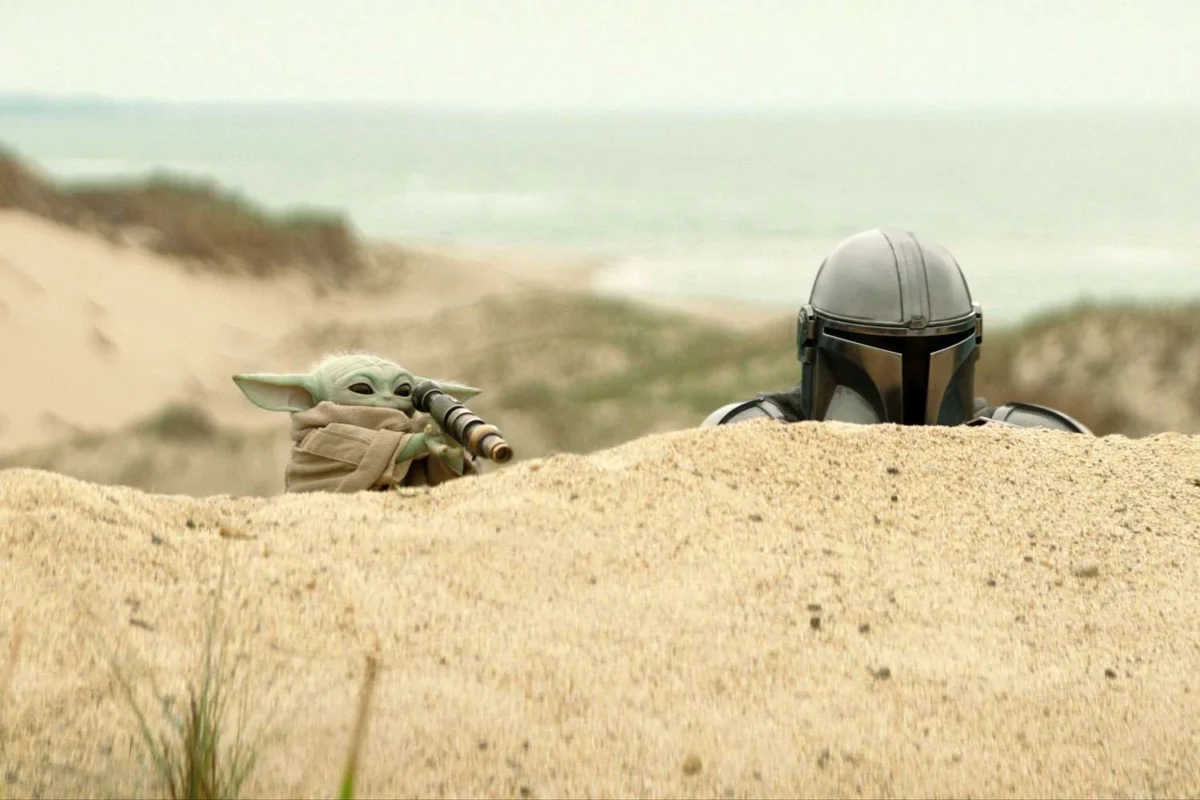
A critical review of the latest Star Wars cinematic offering, exploring its strengths and glaring weaknesses in narrative construction and character development.
Introduction: The Paradox of Excitement and Ennui
The cinematic landscape of "Star Wars" has long been a fertile ground for both fervent adoration and sharp critique. The recent release of "The Mandalorian & Grogu" has once again ignited passionate discussions among fans and critics alike. While the film undoubtedly delivers a visual spectacle and leverages the beloved characters of the Disney+ series, a persistent question lingers: how can a movie so brimming with action and familiar faces feel, at times, profoundly unengaging? This review delves into the core of this paradox, examining the film’s narrative architecture, character motivations, and ultimately, its failure to forge a lasting emotional connection with its audience.
The author’s personal approach to reviewing is one of deep-seated dissection, a trait inherent to those who craft stories. This is not simply about liking or disliking a piece of media, but about understanding the mechanics of its creation and the impact – or lack thereof – it has on the viewer. This analysis is undertaken with a profound appreciation for the "Star Wars" universe, acknowledging a complex and often contradictory relationship with the franchise. However, it is also crucial to state that enjoyment of this film is entirely subjective, and this critique aims not to invalidate personal experiences but to offer a reasoned perspective on its narrative shortcomings.
H3: Acknowledging the Strengths: Glimmers of Brilliance
Despite the overarching critique, "The Mandalorian & Grogu" is not without its merits. Certain elements shine through, offering glimpses of the potential that was ultimately left unrealized.
-
The Sonic Landscape: Ludwig Göransson’s score for "The Mandalorian" has been a standout element of the series, and its cinematic outing is no exception. The familiar, stirring themes, particularly the iconic "Mandalorian" theme, are a powerful reminder of the show’s enduring appeal and provide a robust auditory foundation for the film’s action sequences.
-
Visual Fidelity and Craftsmanship: Jon Favreau’s direction, while not overtly experimental, is commendably solid. The film boasts visually stunning sequences, with many shots possessing a painterly quality that elevates the aesthetic. The general execution of the visual effects is largely impeccable, showcasing the technical prowess of modern filmmaking.
-
The Enduring Charm of Grogu: The practical puppet work for Grogu is, as many have noted, exceptional. This tangible presence imbues the character with a warmth and authenticity that CGI alone often struggles to replicate. Furthermore, specific sequences dedicated to Grogu’s actions are highlighted as some of the film’s most successful moments, demonstrating that the magic of the character still resonates powerfully.
-
Moments of Quietude: The film finds its strongest footing when it allows moments of stillness and character interaction to breathe. These quieter scenes, where dialogue takes precedence and the narrative allows for reflection, are moments where the film truly connects. This suggests a directorial instinct that, when unburdened by the relentless demand for action, can deliver more nuanced and impactful storytelling.
H2: The Narrative Unraveling: A Straight Line Through the Galaxy
The most significant criticism leveled against "The Mandalorian & Grogu" centers on its fundamental narrative structure, or rather, its perceived lack thereof. The film is described by one observer as a "straight line," a progression of events devoid of the dramatic arcs and consequential turns that typically define compelling storytelling.
The Perils of an Immediate Action Onslaught
A common piece of advice in action filmmaking is to "start with action." However, the author argues that this is a problematic heuristic, pointing to classics like "Die Hard" and "John Wick" where the initial pacing deliberately builds tension before unleashing the full force of the action. Even "Raiders of the Lost Ark," while starting with adventure, allows for periods of narrative development.
"The Mandalorian & Grogu," conversely, plunges directly into action. While this might seem like a direct lineage from "A New Hope," the critical difference lies in the execution. In "The Mandalorian & Grogu," the opening action sequence, while visually impressive, lacks the crucial element of peril for the protagonist. Unlike John McClane facing overwhelming odds, John Wick seeking vengeance for a profound loss, or Indiana Jones immediately facing betrayal and danger, Mando and Grogu navigate the initial challenges with relative ease. This lack of immediate adversity for the central characters establishes a pattern of consequence-free action that unfortunately permeates the entire film.
The Illusion of Stakes: A Weightless Journey
The concept of "stakes" – what can be won or lost within a narrative – is paramount to creating tension. The film, however, struggles to establish meaningful stakes.
-
Life-Threatening Danger (and its Absence): While simple life-or-death scenarios are a fundamental form of stakes, "The Mandalorian & Grogu" largely avoids placing its protagonists in genuine peril. The audience, aware of the marquee characters’ importance, understands that Mando and Grogu are unlikely to meet a definitive end early in the film. This predictability inherently deflates the tension.
-
World-Building vs. Personal Stakes: "Star Wars" often engages with grand, universe-altering stakes. However, these large-scale conflicts require an anchor in personal narratives to resonate. "The Mandalorian & Grogu" offers little in terms of galactic complications or political maneuvering that might engage the audience on a deeper level. The absence of meaningful personal stakes for Mando, beyond the immediate task at hand, leaves the grander narrative feeling hollow, akin to a balloon that inflates but remains empty.
-
The Hollow Echo of Tension: Tension, at its core, arises from the possibility of undesirable outcomes or the threat to desired ones. In "The Mandalorian & Grogu," the action sequences are consistently effortless and breezy, lacking the weight and consequence that would generate genuine tension. The film presents a continuous stream of activity, but much of it feels detached from any significant threat or challenge, transforming the viewing experience into a passive observation rather than an engaging journey.
H2: The Character Conundrum: Action Figures in a Galaxy Far, Far Away
Perhaps the most significant failing of "The Mandalorian & Grogu" lies in its depiction of characters. The film is criticized for presenting what are essentially "action figures" rather than fully realized individuals with compelling inner lives and developmental arcs.
The Absence of Arcs and Personal Struggles
True characters, the argument goes, possess personal problems, undergo transformations, and complete arcs. In "The Mandalorian & Grogu," these elements are conspicuously absent. Mando’s missions, while providing plot progression, are often disconnected from his core identity as a character. Grogu, while visually endearing, remains largely a prop for cute moments, lacking any significant development or internal conflict.
The supporting cast fares no better. Villains are presented as interchangeable obstacles, often nameless and forgettable, serving their plot function before disappearing. Even the brief appearances of established actors like Zeb (voiced by Steve Blum) and Sigourney Weaver feel like mere cameos, devoid of narrative purpose beyond their recognizable presence. This lack of character depth renders the interactions superficial and the overall narrative inert.
The Disconnect Between Show and Film
The film assumes a prior knowledge of "The Mandalorian" series, yet does little to actively reintroduce or integrate key elements for newcomers. Concepts like Mando’s code of honor regarding his helmet, or Grogu’s Force abilities, are referenced without sufficient explanation, creating a sense of narrative shorthand that alienates some viewers. This disconnect highlights a missed opportunity to bridge the gap between the television show and its cinematic expansion.
H2: The Verdict: A Technically Proficient Yet Emotionally Vacant Experience
"The Mandalorian & Grogu" ultimately falls short of its potential, not due to a lack of technical skill or a failure to capture the visual essence of the "Star Wars" universe, but due to a fundamental deficiency in its storytelling.
The film presents a technically superior product compared to some of its predecessors, such as "The Rise of Skywalker." It is visually polished, logically coherent (on a surface level), and avoids the narrative implosions that plagued that film. However, this technical proficiency comes at the cost of genuine emotional engagement. Where "The Rise of Skywalker," despite its flaws, attempted grand emotional swings and reached for thematic resonance, "The Mandalorian & Grogu" plays it safe, offering a predictable and unchallenging experience.
The critique that one must "turn off their brain" to enjoy the film is particularly telling. While entertainment need not always be intellectually taxing, a film that requires the deliberate disengagement of critical thought often signifies a lack of substance. Furthermore, dismissing it as "just for kids" ignores the nostalgic appeal for adult audiences and the mature themes that "Star Wars" has historically explored. The high cost of admission, particularly for premium formats like IMAX, further amplifies the expectation for a more substantial and memorable experience than a mere "fast food tray of warm content."
Conclusion: A Franchise at a Crossroads
"The Mandalorian & Grogu" serves as a stark reminder that a franchise’s longevity depends not solely on its established characters and visual appeal, but on its ability to continually innovate and engage audiences on an emotional and thematic level. The film’s adherence to a formula, its emphasis on spectacle over substance, and its failure to develop compelling characters have resulted in an experience that, while superficially entertaining, leaves little lasting impression.
The franchise’s struggle to tell truly "interesting" stories, as once noted in a development meeting, seems to be a recurring issue. When a film feels less like a deliberate narrative construction and more like a series of loosely connected scenes, or worse, like something generated without a genuine human touch, it signals a worrying trend. "The Mandalorian & Grogu" is a technically competent film, but it is also a missed opportunity. It reiterates the need for stories that resonate, characters that evolve, and stakes that truly matter, lest the galaxy far, far away become a landscape of hollow spectacle. The hope remains that future installments will recapture the magic by focusing on the heart of storytelling: creating characters we care about, placing them in situations that truly challenge them, and allowing those struggles to echo long after the credits roll.



Leave a Comment