The Unheralded Guardian of the Genre: A Tribute to Brenda Gail Bright (1946–2024)
The world of science fiction is often defined by its luminaries—the Hugo and Nebula Award winners, the visionary directors, and the academic scholars who dissect the tropes of tomorrow. However, the true foundation of the genre rests upon a silent majority: the readers, the supporters, and the lifelong enthusiasts who exist outside the spotlight of organized fandom. This week, the science fiction community lost one such vital, albeit private, figure. Brenda Gail Bright, sister of the renowned science fiction scholar Gary Westfahl, passed away at the age of 78.
While her name may not appear on the mastheads of major genre magazines, her influence was woven into the fabric of the field through her lifelong friendships with major authors and her role as a primary supporter of one of the genre’s most prolific critics. Her passing serves as a poignant moment to reflect on the "silent" fans who sustain the literary ecosystem.
Main Facts: The Life and Connections of Brenda Gail Bright
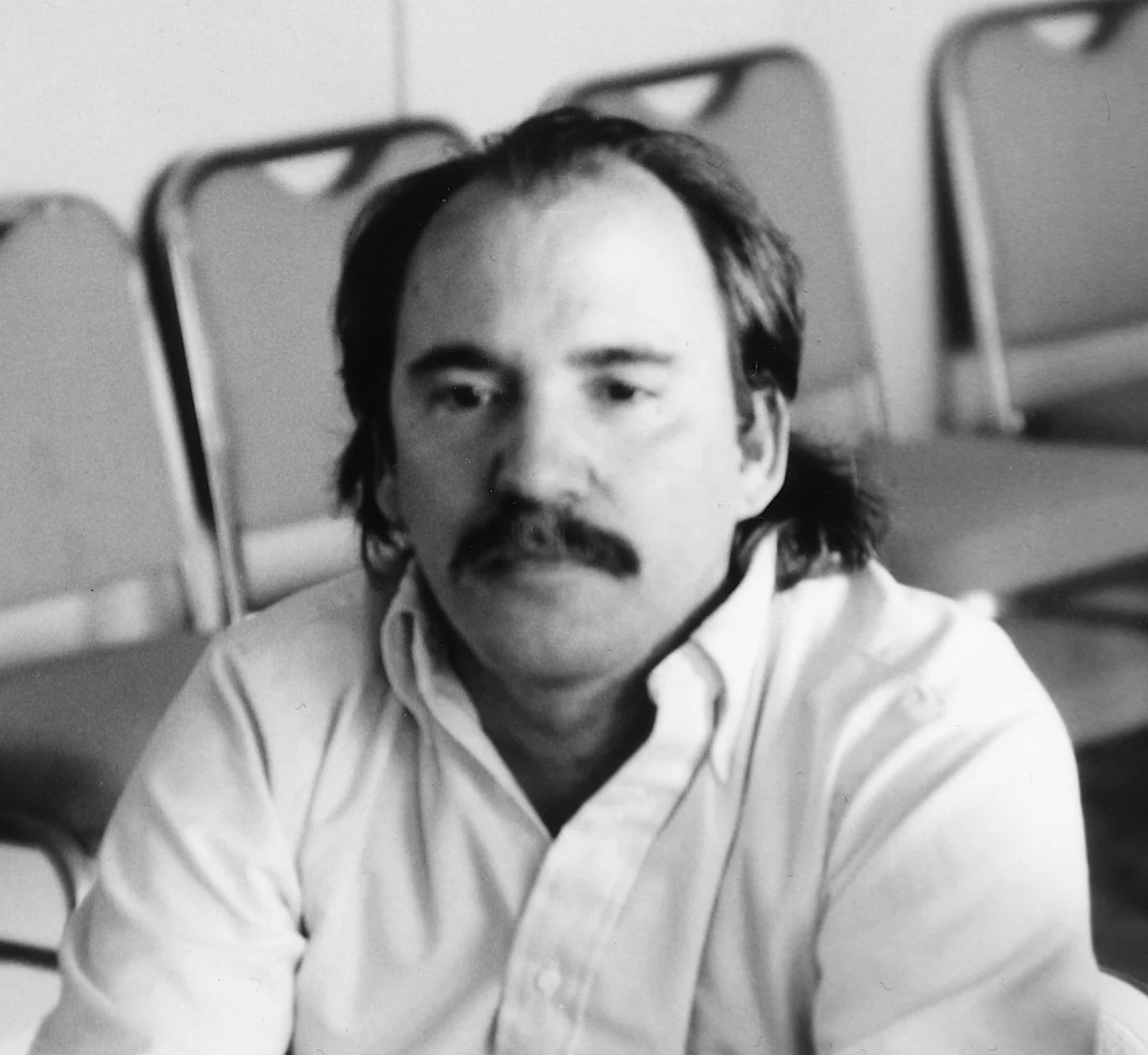
Brenda Gail Bright (née Westfahl) was born in 1946 and spent her life as an educator, traveler, and dedicated bibliophile. She was an alumna of Vassar College, an institution that would inadvertently serve as her gateway into the inner circles of science fiction. It was during her time at Vassar that she formed a foundational friendship with George Alec Effinger, a Yale student who would go on to become one of the most innovative voices in 20th-century science fiction.
Bright’s contribution to the genre was multifaceted:
- The Effinger Connection: She served as a lifelong friend and correspondent to George Alec Effinger, providing him with social stability and intellectual engagement during his career.
- The "Westfahl" Legacy: She was the inspiration for the name of a character in Effinger’s 1973 story "Naked to the Invisible Eye."
- The Scholarly Conduit: She acted as a bridge between Effinger and her brother, Gary Westfahl, facilitating the exchange of books, insights, and historical anecdotes that would later inform Westfahl’s academic work.
- The "Silent" Consumer: She represented the dedicated reader who, while not active in "fandom" (conventions, fanzines, or online forums), provided the consistent market and emotional support that authors rely upon.
Chronology: A Lifelong Journey Through the Speculative and the Real
The Vassar-Yale Connection (1960s)
In the mid-1960s, while attending the prestigious Vassar College, Brenda met George Alec Effinger. At the time, Effinger was a student at Yale with aspirations of becoming a writer. Unlike many who harbor such dreams, Effinger realized them, though his career was famously punctuated by chronic illness. Despite the lack of romantic involvement, the two formed a bond based on mutual respect and intellectual curiosity. This friendship would last until Effinger’s death in 2002.
The Rise of the Author and the "Tuckerization" (1970s)
As Effinger’s career took flight with the publication of surreal and satirical science fiction, he maintained his connection with Brenda. In 1973, he published the story "Naked to the Invisible Eye." In a gesture of friendship known in the genre as "Tuckerization"—the act of naming a character after a real person—he named a character "Westfahl." While modern scholars might assume the character was named after the critic Gary Westfahl, Gary himself clarifies that the tribute was entirely intended for Brenda, who was known to Effinger as Brenda Westfahl.
The Years of Correspondence and Gift-Giving (1980s–1990s)
Throughout the late 20th century, Brenda became a vital link in the distribution of Effinger’s work. As the author released seminal works like the cyberpunk masterpiece When Gravity Fails (1987), he would send inscribed copies to Brenda. Recognizing her brother’s growing stature as a scholar of the genre, Brenda would often pass these volumes to Gary, enriching his library with primary source materials and personal inscriptions that revealed Effinger’s wit and struggles.

Later Years and Digital Engagement (2000s–2024)
In her later years, Brenda remained an inveterate traveler alongside her husband, Terry Bright. Even as she explored the globe, she remained tethered to the world of speculative fiction through her brother’s work. She became a regular reader of Gary Westfahl’s film reviews for Locus Online, frequently engaging in email debates about "clunker" science fiction films and hidden gems of the 1950s and 60s.
Supporting Data: The Inscriptions and Artifacts of a Literary Friendship
The depth of Brenda’s connection to the genre is best evidenced by the physical artifacts she collected and eventually shared with her brother. These items provide a rare glimpse into the personality of George Alec Effinger and the supportive role Brenda played.
The Effinger Inscriptions
Effinger’s notes to Brenda show a man who was often self-deprecating and deeply appreciative of her friendship:
- Irrational Numbers (1976): Effinger wrote, "For Brenda – this book (which has the single most disgusting cover art in the history of mankind) as a kind of solace while you live near Cleveland." This highlights the candid, humorous nature of their correspondence.
- Heroics (1980): A nostalgic note referencing their college years: "For Brenda, with the fondest memories of listening to WABC in your room."
- When Gravity Fails (1988): As he pivoted to more serious, darker themes, he warned her: "Brenda – look out for this one: It’s not a cute, funny little book."
- A Fire in the Sun (1989): A simple, affectionate sign-off: "To Brenda – It’s always ‘scribble, scribble.’ Love, Alec."
Genre Memorabilia
Beyond books, Brenda curated a collection of science fiction memorabilia that she gifted to Gary, recognizing his professional need for such items. These included:
- A limited edition print of Superman by the legendary artist Curt Swan.
- A first-day issue Star Trek stamp envelope, signed by both William Shatner and Leonard Nimoy.
- Novelty items like "disappearing" Star Trek transporter mugs, which Gary notes remain among his most cherished office possessions.
Official Responses and Personal Tributes
In a tribute published shortly after her passing, Gary Westfahl provided the primary "official" record of Brenda’s life and her quiet impact on the field. Westfahl, who dedicated his 2013 book William Gibson to Brenda and her husband Terry, emphasized that her value to the world of science fiction was not found in public accolades, but in her personal integrity and her role as an ideal reader.
"She was never interested in holding on to possessions," Westfahl noted, reflecting on how she prioritized the joy of sharing knowledge and art over the vanity of collecting. "Even though she was unknown and unheralded to fans of the genre, Brenda was a friend of science fiction."
The family has noted that Brenda’s interests were expansive. She was a scholar of the Titanic disaster, even publishing an article on the various cinematic portrayals of the doomed ship. This interest in the intersection of history and media further illustrated her analytical mind—a trait that made her the perfect confidante for both a major novelist and a major critic.

Implications: The Power of the "Invisible" Fan
The passing of Brenda Gail Bright carries broader implications for how we understand the history of science fiction. Her life illustrates several key truths about the genre:
1. The Critical Role of the Non-Professional
Science fiction history often focuses on the "Big Three" (Asimov, Heinlein, Clarke) or the "New Wave" rebels. However, Brenda’s life reminds us that the genre was sustained by people who provided the social and emotional infrastructure for writers. Effinger’s career, often hindered by health issues, was bolstered by the steady friendship of people like Brenda, who offered a connection to the world outside the "SF ghetto."
2. The Influence of the Silent Consumer
There is a tendency in the digital age to equate "fandom" with "online activity." Brenda represents the millions of readers who check books out of libraries, buy movie tickets, and watch old films on streaming services without ever posting on a message board. These "invisible" fans are the economic engine of the industry. Their tastes—often leaning toward the "endearing clunkers" Brenda loved—shape the longevity of the genre’s tropes.
3. The Human Side of Scholarship
Gary Westfahl’s career as a preeminent critic was, in part, facilitated by Brenda’s generosity. By passing on Effinger’s insights and books, she provided a scholar with the "inside track" on the creative process. This highlights how personal family connections often quietly fuel the academic study of literature.
4. The Legacy of "Tuckerization"
The inclusion of the name "Westfahl" in Effinger’s work serves as a permanent, if subtle, monument to Brenda. It reminds us that behind many of the names in our favorite stories are real-world friendships and debts of gratitude.
In conclusion, Brenda Gail Bright’s life was a testament to the quiet power of the reader. While the stars of science fiction may burn bright, it is the "friends of the genre" like Brenda who provide the space for those stars to shine. Her loss is felt deeply by her family, but her legacy lives on in the books she helped bring to light and the scholarship she encouraged. She remains a reminder that to love science fiction is to participate in a grand, often hidden, conversation that spans decades and transcends the page.