The Messiah’s Deviation: Why ‘Dune: Part Three’ Represents Denis Villeneuve’s Boldest Creative Departure Yet
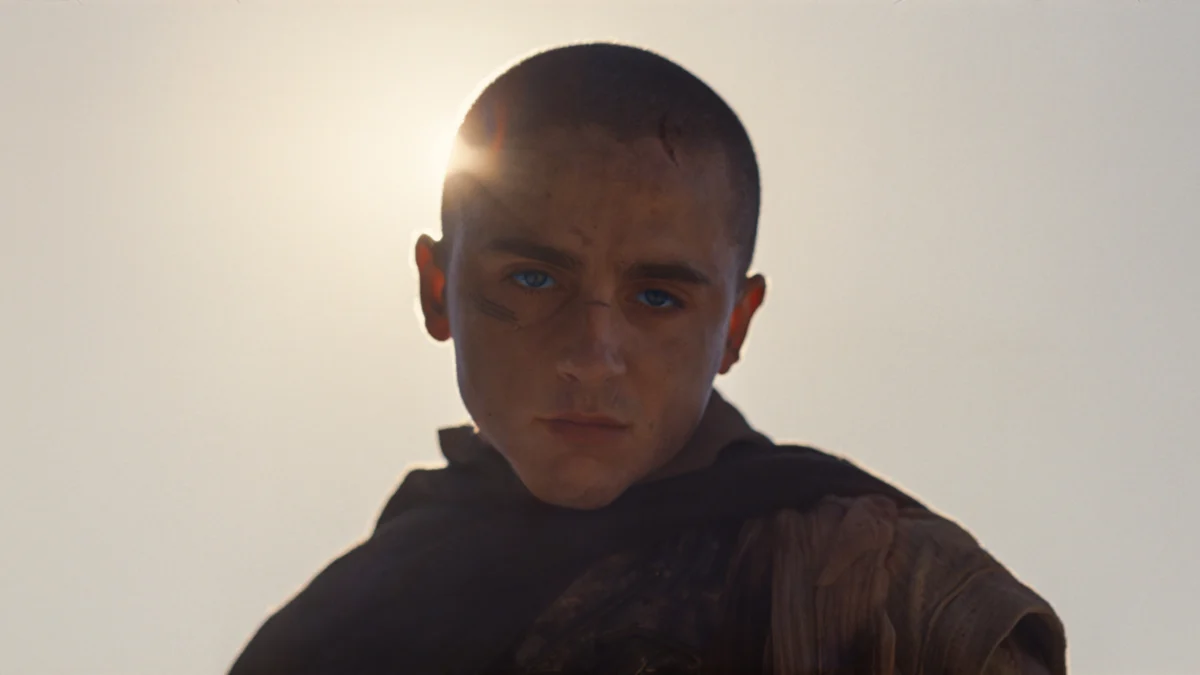
The cinematic journey through Arrakis has been defined by a rare combination of visual grandiosity and a reverent, almost religious adherence to Frank Herbert’s 1965 masterpiece. However, as the sands shift toward the conclusion of Denis Villeneuve’s trilogy, the director is reportedly preparing to step away from the literal text to find a deeper thematic truth.
At a recent high-profile trailer event for Dune: Part Three, lead actor Timothée Chalamet and director Denis Villeneuve offered the first concrete insights into the final chapter of the Paul Atreides saga. The revelation was striking: while the first two films were celebrated for their faithfulness to the source material, Dune: Part Three will take the most significant creative liberties of the entire trilogy. This shift marks a pivotal moment for the franchise, transitioning from a direct adaptation to a nuanced interpretation of Herbert’s challenging sequel, Dune Messiah.
Main Facts: A Departure from Tradition
The upcoming film, scheduled for release on December 18, 2026, serves as an adaptation of Dune Messiah, the second book in Frank Herbert’s sprawling sci-fi series. While Dune: Part One and Part Two meticulously carved their narrative from the first novel, Part Three faces a different set of challenges. Dune Messiah is a leaner, more claustrophobic, and arguably more "bizarre" text that deals with the fallout of Paul Atreides’ ascension to the throne.
According to Timothée Chalamet, Villeneuve is utilizing his "mastery" to weave in storylines that were merely hinted at or entirely absent from the explicit text of the novel. Speaking at the trailer event, Chalamet noted that this installment features the "most creative liberty" taken by the production team thus far. The goal, however, is not to discard Herbert’s vision, but to "tie the story together" in a way that resonates with the cinematic emotional arcs established in the first two films.
The film will feature a significant time jump, picking up years after the brutal conquest of Arrakis. Paul Atreides is no longer the underdog protagonist; he is the Padishah Emperor, a figure whose "Holy War" has claimed billions of lives across the galaxy. The narrative focus shifts from the spectacle of desert warfare to the suffocating weight of prescience and the political conspiracies that threaten Paul’s empire from within.
Chronology: The Five-Year Epic
The timeline of Villeneuve’s Dune is as impressive as the films themselves. In an era where major blockbuster sequels often face five-to-seven-year delays—such as the gap between Matt Reeves’ The Batman (2022) and its projected 2027 sequel—Warner Bros. and Legendary Entertainment have maintained a remarkably disciplined schedule.
- October 2021: Dune: Part One premieres, introducing audiences to the world of Caladan and Arrakis, grossing over $400 million despite a day-and-date streaming release.
- March 2024: Dune: Part Two is released to critical acclaim and massive box office success, concluding the narrative of the first book and establishing Paul as the Fremen leader, Muad’Dib.
- December 2026: Dune: Part Three is set to hit theaters, completing a trilogy of epics in just over five years.
This rapid production cycle has allowed the cast—particularly Chalamet and Zendaya—to age alongside their characters in a way that mirrors the natural progression of the story. The continuity of the creative team, led by Villeneuve and cinematographer Greig Fraser, has ensured a visual and tonal consistency that is rare in modern franchise filmmaking.
Supporting Data: The Complexity of ‘Dune Messiah’
To understand why Villeneuve is taking creative liberties, one must look at the source material. Dune Messiah was originally written by Frank Herbert as a corrective to readers who had misinterpreted the first book. While many saw Paul Atreides as a traditional hero, Herbert intended him to be a cautionary tale about the dangers of charismatic leaders.
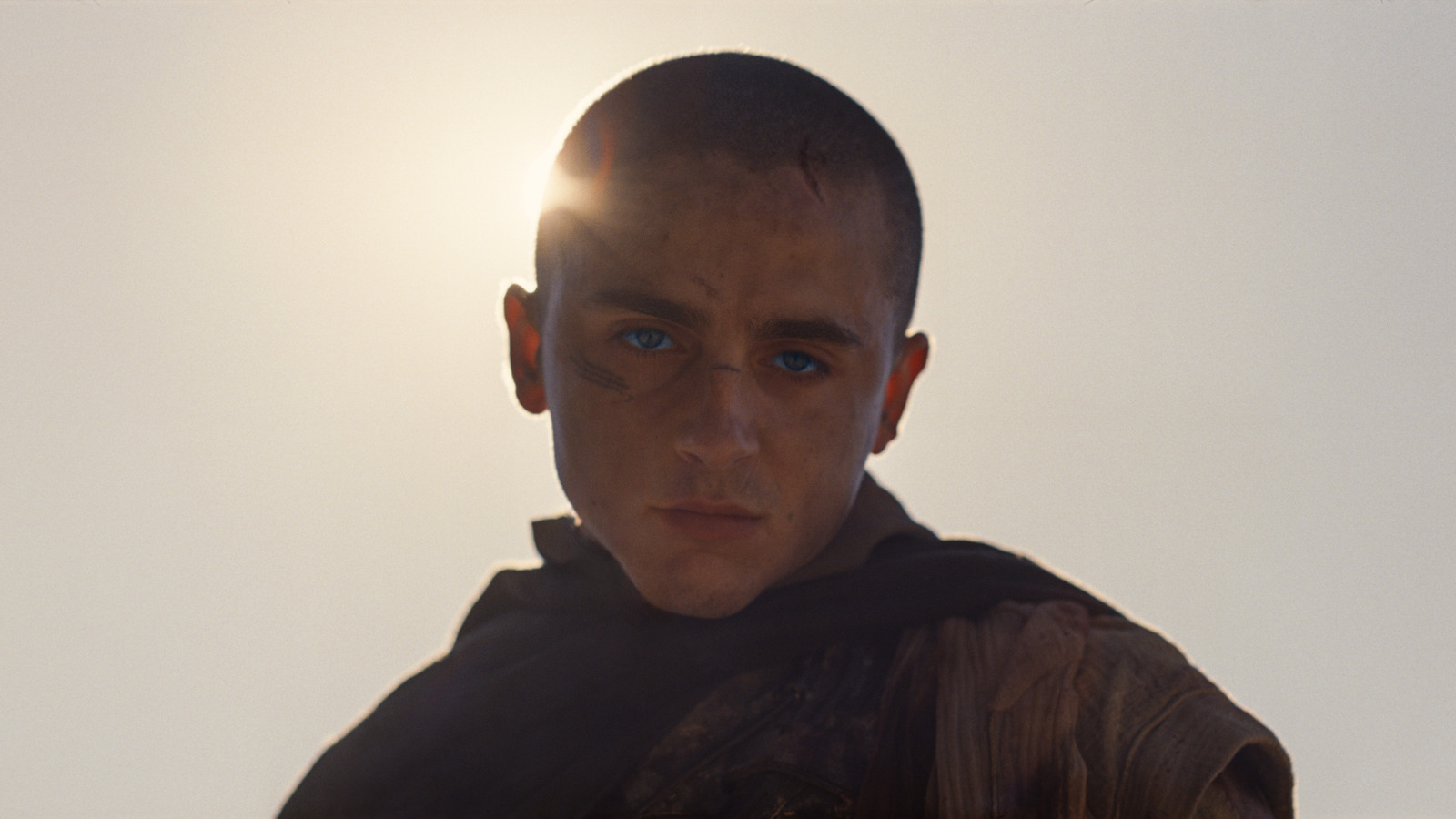
Dune Messiah is notoriously difficult to adapt for several reasons:
- Internal Monologue: Much of the book takes place within Paul’s mind as he struggles with "the vision"—a terrifying foresight that locks him into a future he cannot change.
- Lack of Traditional Action: Unlike the first book’s large-scale battles and survivalist adventure, Messiah is a political chamber drama. It involves clandestine meetings, philosophical debates about the nature of time, and complex biological subplots involving the Tleilaxu (genetic manipulators).
- The "Wacky" Factor: The book introduces elements like the "Ghola"—a resurrected clone of a deceased character (Duncan Idaho)—and the Guild Navigators in their more grotesque forms. These elements require a deft hand to prevent them from feeling campy in a high-stakes drama.
By taking creative liberties, Villeneuve is likely looking for ways to externalize these internal conflicts. This includes expanding the roles of supporting characters to act as mirrors for Paul’s psychological state.
Official Responses: Insights from the Set
The recent trailer event provided a glimpse into the specific areas where Villeneuve is expanding the narrative. One of the most significant deviations involves the character of Chani, played by Zendaya.
In Herbert’s Dune Messiah, Chani is a loyal consort who remains by Paul’s side, largely supportive of his reign despite the tragedies it brings. However, Villeneuve’s Dune: Part Two ended with a major departure: Chani leaving Paul in disgust after he chose a political marriage to Princess Irulan and embraced his role as a genocidal messiah.
Chalamet addressed this shift directly, praising Zendaya’s performance:
"At the end of the second film, Chani is obviously feeling a sense of betrayal towards Paul and how the relationship has crumbled… Zendaya gives such a fantastic performance in this, as usual."
Villeneuve has previously stated in interviews that he views the trilogy as a cohesive arc for Paul, and that the third film must provide a definitive emotional conclusion to the "tragedy of Paul Atreides." By making Chani the moral center and a source of active opposition to Paul, Villeneuve creates a dramatic tension that is more cinematic than the resigned acceptance found in the book.
Furthermore, the footage shown at the event highlighted the sheer scale of Paul’s empire. While the book focuses on the palace at Arrakeen, the film appears to show the "Holy War" in progress—glimpses of planets falling and the terrifying reach of the Fedaykin legions. This addresses a common critique of the book, which tells but rarely shows the galactic consequences of Paul’s rise.
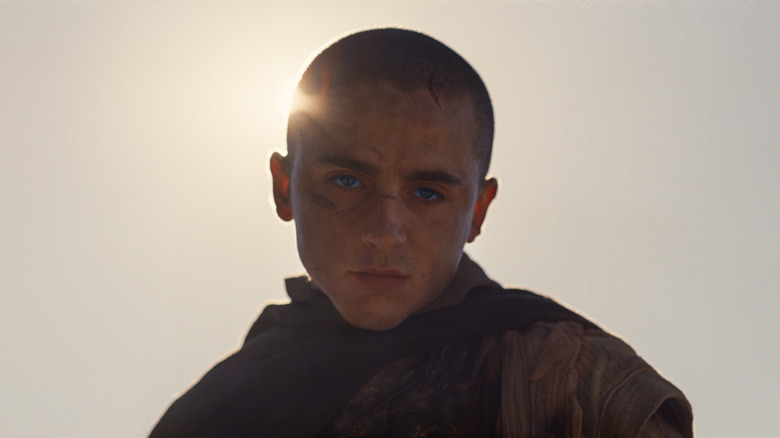
Implications: Redefining the Sci-Fi Epic
The decision to lean into "creative liberty" for Dune: Part Three has profound implications for the future of the franchise and the genre of literary adaptations.
1. The Auteur vs. The Text
Villeneuve is moving from the role of a "translator" to that of a "collaborator" with the late Frank Herbert. By filling in the gaps and adjusting character motivations, he is creating a version of Dune that belongs as much to his cinematic language as it does to Herbert’s prose. If successful, it will reinforce the idea that a "faithful" adaptation is one that captures the spirit and themes of the work, rather than a word-for-word recreation.
2. The Deconstruction of the Hero
For mainstream audiences, Dune: Part Three will be a jarring experience. Most trilogies end with the hero’s triumph. Dune is set to end with the hero’s ruin. By emphasizing the "creative liberties" that tie the story together, Villeneuve is likely finding ways to make Paul’s downfall feel earned and tragic rather than simply nihilistic.
3. Box Office and Awards Prospects
With a December 2026 release date, Warner Bros. is positioning Dune: Part Three as a major awards contender. The first two films were technical powerhouses, winning multiple Academy Awards. The third film, with its focus on intimate character drama and political intrigue, may offer the cast—particularly Chalamet, Zendaya, and Florence Pugh (as Princess Irulan)—their best opportunity yet for acting nominations.
4. The Legacy of Duncan Idaho
The return of Jason Momoa as the Ghola, Hayt, is one of the most anticipated aspects of the third film. How Villeneuve handles the "resurrection" of a fan-favorite character will be a litmus test for the film’s tone. If handled with the same grounded intensity as the previous films, it could set a new standard for how sci-fi handles high-concept tropes.
Conclusion
Dune: Part Three is shaping up to be more than just a sequel; it is a grand experiment in big-budget storytelling. By acknowledging that the source material requires "creative liberty" to function on screen, Denis Villeneuve is taking a calculated risk. He is betting that the audience’s emotional investment in Paul and Chani is strong enough to withstand a departure from the 1969 novel’s plot beats.
As the production moves forward toward its 2026 debut, the anticipation remains high. If Villeneuve can successfully weave the explicit and implicit threads of Herbert’s universe into a cohesive finale, he will have completed what many considered impossible: a perfect, uncompromised adaptation of the greatest science fiction saga ever written. On December 18, 2026, the world will finally see if the "liberties" taken were the key to unlocking the true heart of the Messiah.