
DC Universe Unveils Final Supergirl Trailer as Tickets Go On Sale for 2026 Release
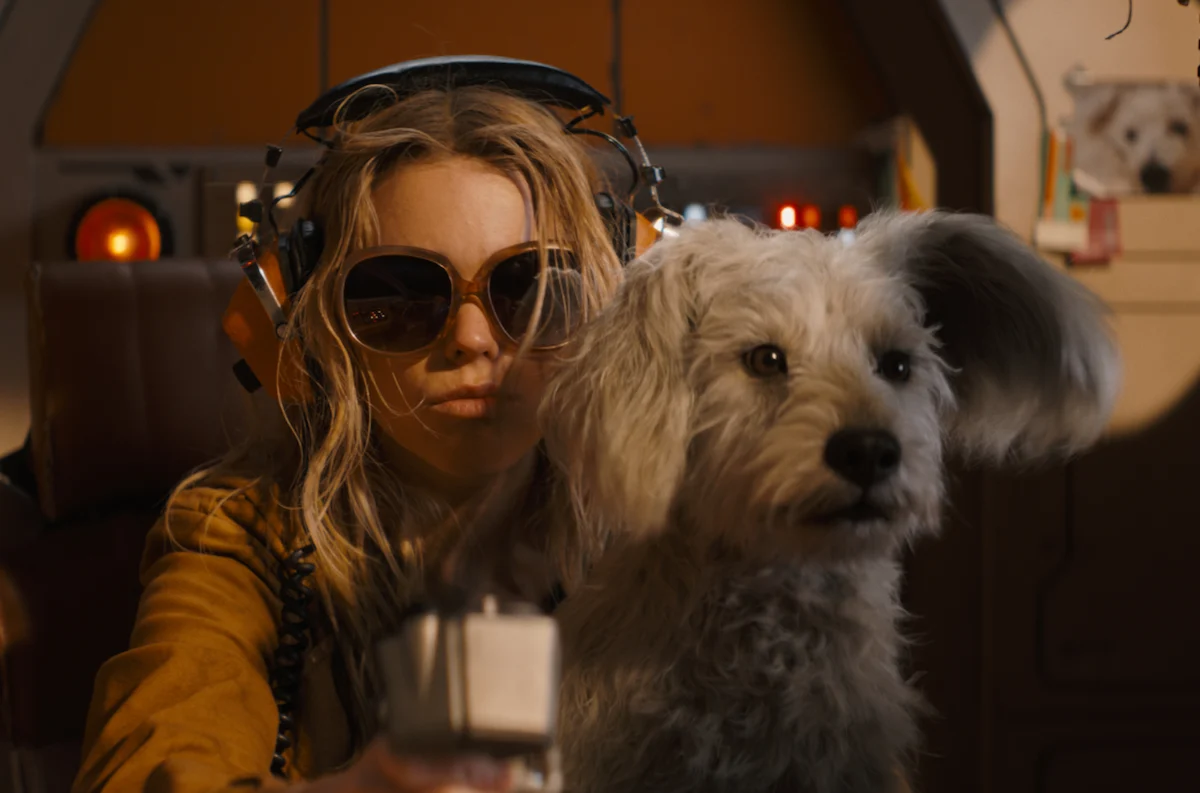
BURBANK, CA – Excitement for the burgeoning DC Universe reached new heights today as Warner Bros. Pictures announced that tickets for the highly anticipated film Supergirl are officially on sale. Coinciding with this milestone, the studio also released the final trailer for the movie, offering audiences a last glimpse into the epic, interstellar journey of Kara Zor-El before its theatrical premiere on June 26, 2026. This cinematic event marks the second major feature film in James Gunn and Peter Safran’s ambitious new DC Universe, following 2025’s Superman.
The newly released two-minute trailer, while not revealing substantial new plot points, served to reinforce key narrative elements and showcase more of its eclectic cast. Viewers were treated to extended sequences featuring Jason Momoa as the fan-favorite anti-hero Lobo, and a more detailed look at Matthias Schoenaerts’ portrayal of the menacing, dog-hating villain Krem of the Yellow Hills. Central to the trailer’s emotional core was a poignant reminder of Milly Alcock’s Kara Zor-El’s deep affection for her beloved canine companion, Krypto, underscoring her fierce determination to rescue him from Krem’s clutches. This quest for an antidote, as hinted, will likely lead Supergirl to form unexpected alliances and perhaps even a "found family" along her perilous path.
Directed by Craig Gillespie, known for his distinctive character-driven narratives in films like Cruella and I, Tonya, and penned by acclaimed writer Ana Nogueira, Supergirl promises a fresh, more jaded perspective on the iconic Kryptonian hero. Its logline teases a reluctant partnership: "reluctantly join forces with an unlikely companion on an epic, interstellar journey of vengeance and justice." The film is poised to further establish the interconnectedness of the new DCU, with David Corenswet’s Superman, who debuted in the preceding Superman feature, confirmed to make an appearance, grounding Kara’s story within the larger universe while allowing her to forge her own distinct identity.
Main Facts: A New Era for the Girl of Steel
The announcement of ticket sales and the simultaneous release of the final trailer solidify Supergirl‘s position as a cornerstone of James Gunn and Peter Safran’s restructured DC Universe. This strategic move by Warner Bros. aims to build considerable momentum and fan engagement over a year ahead of its theatrical debut.
- Film Supergirl
- Starring: Milly Alcock as Kara Zor-El / Supergirl
- Key Supporting Cast: Jason Momoa as Lobo, Matthias Schoenaerts as Krem of the Yellow Hills, David Corenswet as Superman.
- Director: Craig Gillespie (Cruella, I, Tonya)
- Screenwriter: Ana Nogueira (known for her work as a playwright and actress)
- Release Date: June 26, 2026
- Studio: Warner Bros. Pictures / DC Studios
- Logline: "reluctantly join forces with an unlikely companion on an epic, interstellar journey of vengeance and justice."
- Central Conflict: Kara Zor-El’s desperate mission to save her dog, Krypto, from the villain Krem of the Yellow Hills, which involves seeking an antidote.
- DC Universe Context: The second major cinematic installment in James Gunn’s "Gods and Monsters" chapter of the new DC Universe, following Superman (2025).
- Tone: Expected to be a "more jaded" and complex portrayal of Supergirl, drawing inspiration from the acclaimed Supergirl: Woman of Tomorrow comic series.
- Trailer Highlights: Expanded footage of Lobo and Krem, emphasizing the emotional bond between Kara and Krypto.
This array of information paints a clear picture of a film that is not just another superhero origin story, but a deeply personal narrative interwoven with broader galactic stakes, all within a carefully planned cinematic framework. The choice of Gillespie and Nogueira, coupled with the "jaded" descriptor for Kara, suggests a departure from traditional, purely optimistic superhero portrayals, hinting at a more nuanced and perhaps darker exploration of heroism.
Chronology: Forging a New DC Universe
The journey to Supergirl‘s impending release is intrinsically linked to the larger strategic overhaul of DC’s cinematic properties, spearheaded by James Gunn and Peter Safran.
The Genesis of a New DC Universe (DCU)
Following a period of inconsistent critical and commercial performance from the previous DC Extended Universe (DCEU), Warner Bros. Discovery appointed James Gunn (known for his work on Marvel’s Guardians of the Galaxy and DC’s The Suicide Squad) and Peter Safran (producer of the Aquaman films) as co-CEOs of the newly formed DC Studios in November 2022. Their mandate was clear: to create a cohesive, interconnected, and character-driven cinematic and television universe that could rival competitors while honoring DC’s rich legacy.
In early 2023, Gunn and Safran unveiled their ambitious initial slate, dubbed "Chapter One: Gods and Monsters." This chapter outlined a series of films and television shows designed to introduce new iterations of beloved characters and establish a foundational mythology. The first film announced to kick off this new era was Superman, with James Gunn himself attached to write and direct.
Superman (2025) – The Foundational Pillar
Superman, starring David Corenswet as the Man of Steel, is set for release on July 11, 2025. It is positioned as the true beginning of the DCU, introducing a younger Superman who is grappling with his Kryptonian heritage and his human upbringing. The film is crucial for setting the tone, visual style, and thematic underpinnings for the entire universe that will follow. The trailers for Supergirl confirm Corenswet’s Superman will appear, subtly reinforcing the familial connection and shared universe from the outset.
Supergirl (2026) – Expanding the Cosmic Canvas
Supergirl was announced as the second major film in "Chapter One: Gods and Monsters," slated for June 26, 2026. Gunn explicitly stated that the film would draw heavily from Tom King and Bilquis Evely’s acclaimed comic series Supergirl: Woman of Tomorrow. This particular comic run reimagines Kara as a more world-weary and complex character, forced into an unexpected adventure across the cosmos. This choice signaled DC Studios’ intent to explore varied facets of their iconic heroes, moving beyond simplistic origin stories.
Casting and Creative Appointments
The casting process for Supergirl generated significant buzz. Milly Alcock, who gained international recognition for her role as young Rhaenyra Targaryen in HBO’s House of of the Dragon, was officially announced as Kara Zor-El in January 2024. Her selection was lauded for her ability to convey both vulnerability and strength, qualities essential for a "jaded" Supergirl. The casting of Jason Momoa as Lobo, a significant shift from his previous role as Aquaman in the DCEU, further underscored the clean slate approach of the new DCU, hinting at exciting new interpretations of established actors. Matthias Schoenaerts’ addition as Krem of the Yellow Hills, a villain from the Woman of Tomorrow comic, solidified the film’s direct inspiration.
Director Craig Gillespie’s involvement was confirmed in early 2024. His filmography, which includes critically praised character studies and dark comedies, suggested a unique vision for the film. Ana Nogueira, a talented playwright and actress, was brought on to pen the screenplay, promising a script rich in character development and emotional depth, aligning with Gunn’s stated emphasis on strong storytelling.
Production Timeline (Anticipated)
While specific production dates are not publicly detailed, the timeline suggests that principal photography for Supergirl likely began in late 2024 or early 2025, following the conclusion of Superman‘s primary production phase. This allows for a reasonable post-production period leading up to the June 2026 release. The staggered release of trailers – an initial teaser, followed by a full trailer, and now the "final trailer" – is a standard marketing strategy designed to build anticipation incrementally, culminating in the pre-sale of tickets. The release of the final trailer more than a year out indicates a confident and long-term marketing strategy for a tentpole film.
Supporting Data: Diving Deeper into Character and Craft
The announced details and the final trailer provide a wealth of information that allows for a deeper exploration of the characters, the creative team’s choices, and the thematic underpinnings of Supergirl.
The Nuanced Portrayal of Kara Zor-El / Supergirl
Milly Alcock’s Kara Zor-El is described as "more jaded" than her famous cousin, Superman. This immediately distinguishes her from previous cinematic and television iterations, which often presented Supergirl with a more innocent or overtly optimistic disposition. This characterization is a direct nod to Tom King’s Supergirl: Woman of Tomorrow comic series, where Kara, disillusioned by her past and the weight of her Kryptonian heritage, embarks on a revenge mission for a young alien girl. This "jaded" quality suggests a Supergirl who has seen more hardship, potentially struggling with trauma or cynicism, offering a richer, more complex psychological landscape for the character. Her journey will not just be about saving the day, but perhaps about rediscovering her own hope and purpose. The narrative choice to center her story around saving Krypto grounds her immense powers in a deeply personal and relatable emotional anchor, making her quest immediately understandable and sympathetic.
The Unbreakable Bond: Krypto the Superdog
Krypto’s role in Supergirl is elevated beyond that of a mere sidekick; he is the catalyst for Kara’s "epic, interstellar journey of vengeance and justice." In the comics, Krypto is Superman’s faithful companion, often sharing similar powers. For Kara, Krypto represents a tangible link to her past, a source of unconditional love, and perhaps one of the few beings she truly trusts. His endangerment by Krem of the Yellow Hills provides a powerful emotional stakes for the film, emphasizing Kara’s humanity and capacity for fierce devotion despite her "jaded" exterior. This narrative device allows the film to explore themes of loyalty, family (both biological and found), and the lengths one will go for those they cherish, resonating with a broader audience.
Lobo: The Main Man’s DCU Debut
Jason Momoa’s casting as Lobo is one of the most intriguing elements of the new DCU. Known as "The Main Man," Lobo is an interstellar bounty hunter, mercenary, and anti-hero from the planet Czarnia. He is notorious for his extreme violence, dark humor, and near-invulnerability. Momoa’s previous portrayal of Aquaman in the DCEU made him a recognizable face for DC fans, and his transition to Lobo signals a bold new direction for the actor and the character. Lobo’s "unlikely companion" role in Supergirl’s quest (as per the logline) suggests a buddy-cop dynamic or a reluctant alliance born of necessity. His presence promises to inject a dose of irreverent humor and brutal action, contrasting with Kara’s more grounded emotional journey. It also raises questions about the DCU’s multiversal status or if actors can simply be re-cast in new roles without explanation, signaling a clean break.
Krem of the Yellow Hills: An Obscure but Pivotal Villain
Matthias Schoenaerts takes on the role of Krem of the Yellow Hills, a character relatively unknown outside of dedicated comic readers, primarily from Supergirl: Woman of Tomorrow. Krem is a brutal and nihilistic alien who murdered a young girl’s family and later targeted Krypto. His villainy is visceral and personal, making him a perfect foil for a Supergirl driven by a deeply emotional quest for justice. By selecting an antagonist from the comic inspiration, the filmmakers reinforce their commitment to adapting the specific tone and narrative of "Woman of Tomorrow," rather than simply borrowing the concept of a "jaded" Supergirl. Schoenaerts, known for his intense and nuanced performances, is well-suited to bring depth to this seemingly one-dimensional antagonist.
The Creative Vision: Gillespie and Nogueira
Craig Gillespie’s directorial style is particularly well-suited for a "jaded" Supergirl. His previous works like I, Tonya and Cruella showcase his ability to craft compelling narratives around anti-heroes or morally ambiguous characters, often blending dark humor with raw emotional intensity. He excels at exploring the complexities of human (or super-human) nature, presenting characters who defy easy categorization. His involvement suggests that Supergirl will prioritize character development and emotional stakes over generic superhero spectacle, offering a fresh take on the genre.
Ana Nogueira’s background as a playwright and actress further supports this character-driven approach. Playwrights often bring a keen understanding of dialogue, character motivation, and emotional arcs to their screenplays. Her experience in crafting intimate, impactful stories could lend Supergirl a powerful emotional resonance, ensuring that Kara’s internal struggles and external quest feel authentic and engaging. The combination of Gillespie’s visual flair and Nogueira’s narrative depth promises a superhero film that is both visually stunning and emotionally profound.
Franchise Expectations and Market Impact
Supergirl is not just a standalone film; it’s a critical component of the DCU’s "Chapter One." Its success is paramount for validating Gunn and Safran’s vision and building audience trust in the new continuity. Coming hot on the heels of Superman, Supergirl needs to demonstrate the breadth and versatility of the DCU, proving that it can tell diverse stories with distinct tones while remaining interconnected. The film’s unique premise (a jaded hero, a dog-saving quest, an anti-hero companion) could either be a refreshing differentiator in a crowded superhero market or a challenge for audiences accustomed to more traditional narratives. The ticket sales announcement, over a year in advance, reflects a high degree of confidence from Warner Bros. in the film’s appeal and its foundational importance to the franchise.
Official Responses: Voices Behind the DCU’s Vision
While specific new quotes related to the final trailer release are not yet available, the overarching vision articulated by DC Studios co-CEO James Gunn and other key figures provides essential context for Supergirl‘s place in the new DC Universe.
James Gunn’s Vision for the DCU
James Gunn has been consistently vocal about his philosophy for the new DC Universe: prioritizing character and story above all else. He has repeatedly emphasized the importance of a cohesive narrative tapestry that allows creators to tell diverse stories while ensuring every project contributes to a larger, interconnected whole. Regarding Supergirl, Gunn specifically cited Tom King and Bilquis Evely’s Supergirl: Woman of Tomorrow as a primary inspiration. This comic is known for its mature themes, its exploration of Kara’s trauma and disillusionment, and its epic space opera setting.
Gunn has stated his desire to explore the "differences between Superman and Supergirl." He has often highlighted that Kara "sees the Earth as a beautiful place that she has to save, but she’s also seen a lot of devastation." This starkly contrasts with the typically more optimistic and idealized portrayal of Superman, suggesting that Kara’s path to heroism will be more arduous and perhaps morally complex. This vision aligns perfectly with the "more jaded" description of Milly Alcock’s character and the film’s logline of "vengeance and justice."
Anticipated Cast and Crew Commentary
While direct quotes from the cast and crew about this final trailer release are pending, it is reasonable to anticipate their sentiments based on previous statements and their professional reputations.
Milly Alcock (Kara Zor-El / Supergirl): Alcock is likely to express her excitement about bringing a new, complex iteration of Supergirl to the screen. She might speak about the challenges and rewards of portraying a character with such a rich, yet often overlooked, emotional depth. Given her breakthrough role in House of the Dragon, she understands the pressure of adapting beloved characters and the importance of delivering a nuanced performance that resonates with both long-time fans and new audiences. She would likely emphasize Kara’s journey of self-discovery and the unique bond with Krypto.
Craig Gillespie (Director): Gillespie would probably articulate his interest in the human elements of the superhero story. He might discuss how he aims to ground the fantastical elements of Supergirl’s cosmic journey in relatable emotional experiences, focusing on Kara’s internal conflicts and growth. His previous comments on his films often highlight his fascination with character psychology and motivations, suggesting he will approach Supergirl as a character study first, and a superhero spectacle second.
Ana Nogueira (Screenwriter): Nogueira would likely speak to the thematic richness of the Woman of Tomorrow source material and her approach to adapting its intricate narrative for the big screen. She might elaborate on how she crafted dialogue and scenes that convey Kara’s "jaded" perspective while building towards moments of hope and heroism. As a playwright, her focus would naturally be on strong character voices and compelling dramatic structure.
Jason Momoa (Lobo): Momoa’s public persona is often jovial and energetic. He would likely express his enthusiasm for taking on a radically different DC character, embracing Lobo’s wild and anarchic nature. He might hint at the fun he had exploring the character’s irreverent humor and brutal fighting style, and how Lobo’s dynamic with Supergirl adds a unique flavor to the film.
These anticipated responses underscore DC Studios’ commitment to not only building an expansive universe but doing so with creative integrity and a deep understanding of what makes these characters compelling. The emphasis on Kara’s emotional journey and the distinct vision of the creative team suggests a thoughtful approach to evolving the superhero genre.
Implications: Shaping the Future of the DC Universe
The release of the final trailer and the commencement of ticket sales for Supergirl carry significant implications, not only for the film itself but for the broader trajectory of James Gunn and Peter Safran’s nascent DC Universe and the superhero genre as a whole.
Validating the DCU’s Vision
Supergirl is the second major cinematic offering in the "Gods and Monsters" chapter, following Superman. For the new DCU to establish itself successfully, it needs to demonstrate consistency in quality, tone, and narrative cohesion across its initial projects. If Supergirl delivers on its promise of a compelling, character-driven story with a unique voice, it will significantly validate Gunn and Safran’s overarching vision. It will show audiences that the DCU is capable of telling diverse stories, moving beyond the central figure of Superman to explore other powerful heroes with distinct personalities and challenges.
Diversifying Heroic Narratives
The decision to portray Kara Zor-El as "more jaded" than Superman is a deliberate choice to offer a fresh perspective on heroism. In an era saturated with superhero content, differentiating narratives is crucial. A Supergirl grappling with cynicism, trauma, or disillusionment presents a more complex and potentially more relatable protagonist for modern audiences. This approach could inspire other superhero franchises to explore more nuanced character arcs, moving away from archetypal "good vs. evil" dynamics towards more introspective explorations of power, responsibility, and personal redemption.
The Role of "Found Family" and Emotional Stakes
The emphasis on Kara’s love for Krypto and her quest to save him highlights the power of emotional stakes in superhero storytelling. While cosmic threats and world-ending dangers are common, grounding the narrative in a deeply personal, almost mundane, motivation (saving a pet) can make the larger adventure more resonant. The hint of "found family members along the way" further underscores themes of connection and belonging, which could become a recurring motif in the new DCU, offering a counterpoint to the loneliness often associated with powerful individuals.
Jason Momoa’s Role Transition and Multiverse Implications
Jason Momoa’s move from playing Aquaman in the DCEU to Lobo in the new DCU is a bold statement. It signifies a definitive break from the previous continuity, indicating that actors can be re-cast in new roles without necessarily implying a multiverse connection (unless explicitly stated later). This approach grants DC Studios immense creative freedom, allowing them to choose the best talent for each role, unburdened by past associations. It also prepares audiences for a DCU that is not afraid to reinvent characters and interpretations. Lobo’s character, known for his moral ambiguity and extreme personality, also signals a willingness to embrace darker, more unconventional heroes within the universe.
Elevating the Creative Team
The choice of Craig Gillespie and Ana Nogueira for director and writer, respectively, reinforces DC Studios’ commitment to strong creative voices. Gillespie’s track record of critically acclaimed character studies suggests a focus on compelling performances and intricate storytelling. Nogueira’s background as a playwright promises depth in dialogue and character development. Their involvement signals that the DCU aims for cinematic artistry alongside commercial appeal, potentially attracting new audiences who appreciate sophisticated filmmaking within the blockbuster genre.
Shaping Audience Expectations
Releasing a "final trailer" and opening ticket sales over a year in advance is a calculated risk that reflects immense confidence. It sets a high bar for audience expectations, positioning Supergirl as a major event film. However, it also means a prolonged period for anticipation to build, which can be a double-edged sword. For a franchise seeking to rebuild trust and excitement, this long lead time allows for consistent marketing and fan engagement, potentially cultivating a dedicated audience before release.
In conclusion, Supergirl is poised to be much more than just another superhero movie. It’s a critical experiment in character-driven storytelling, a testament to creative reinvention, and a crucial step in defining the identity of James Gunn’s ambitious new DC Universe. Its success or failure will reverberate throughout the franchise, shaping the narratives, tones, and creative choices of future "Gods and Monsters" projects for years to come.


Leave a Comment