
The Great Animation Exodus: How Emily Brundige is Reclaiming IP Through ‘Strawberry Vampire’
In the contemporary landscape of digital entertainment, the path from a creator’s imagination to a global streaming platform is often paved with compromises, loss of ownership, and the looming threat of corporate "tax write-offs." For Emily Brundige, a seasoned veteran of the animation industry with a resume boasting story editing on Hilda and two Emmy nominations for the Apple TV+ series Goldie, the traditional studio system has become a cautionary tale.
After more than a decade navigating the bureaucratic corridors of major studios, Brundige has reached a definitive conclusion: the studio model is no longer the most viable home for original intellectual property (IP). Her latest project, Strawberry Vampire, serves as both a creative rebellion and a blueprint for a new era of independent animation.
Main Facts: The Pivot to Independent Ownership
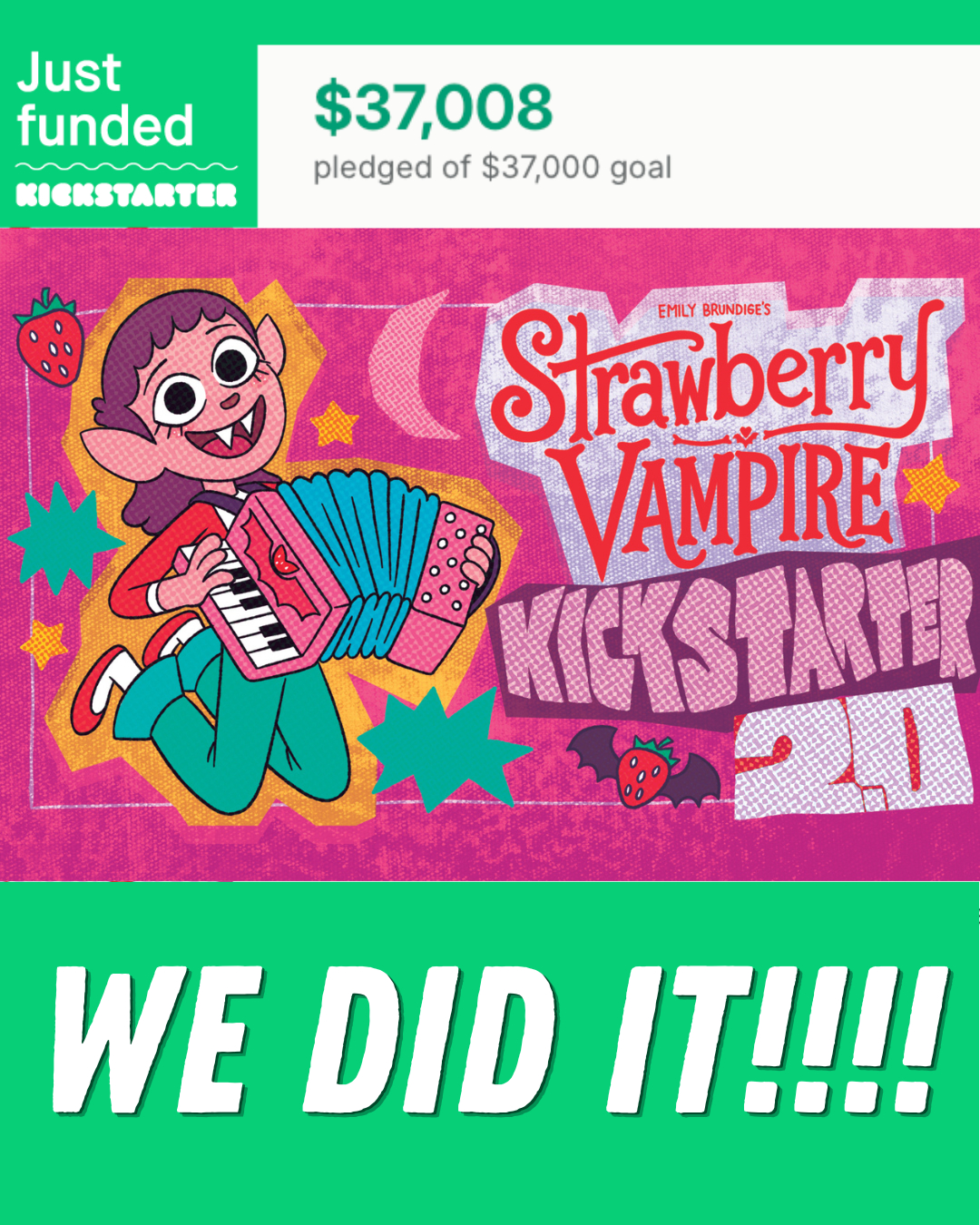
Emily Brundige’s transition from studio-sanctioned creator to independent showrunner is marked by a refusal to surrender her creative DNA. Strawberry Vampire, her new indie series, recently concluded its second successful Kickstarter campaign, signaling a growing appetite for creator-owned content that bypasses the traditional "gatekeeper" model.
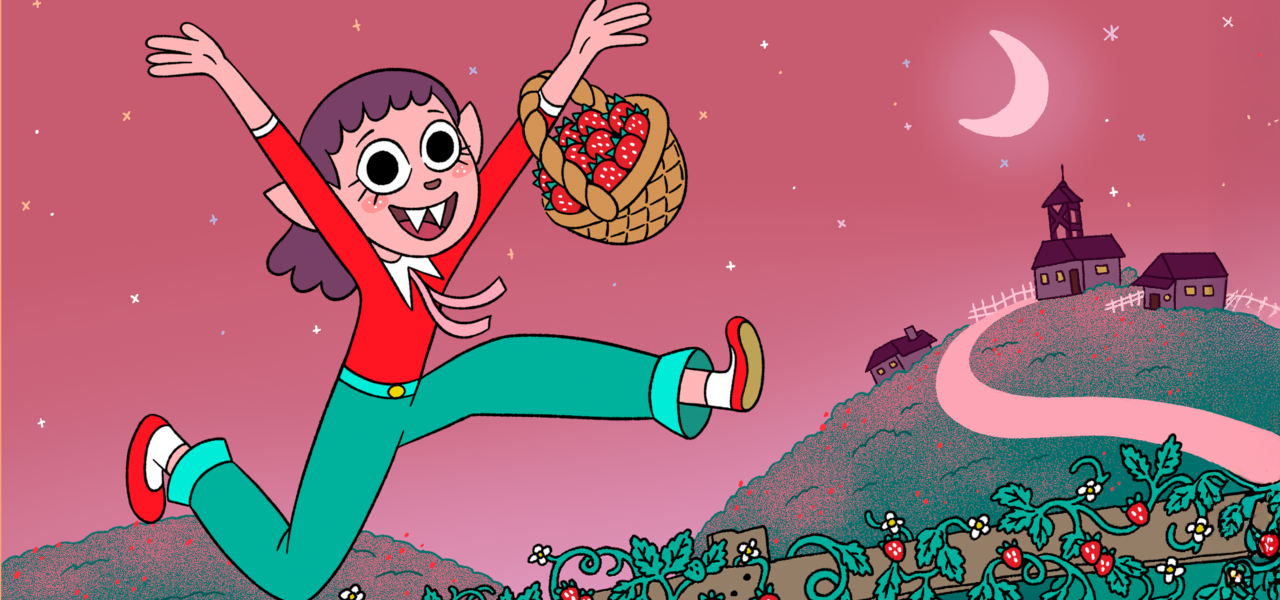
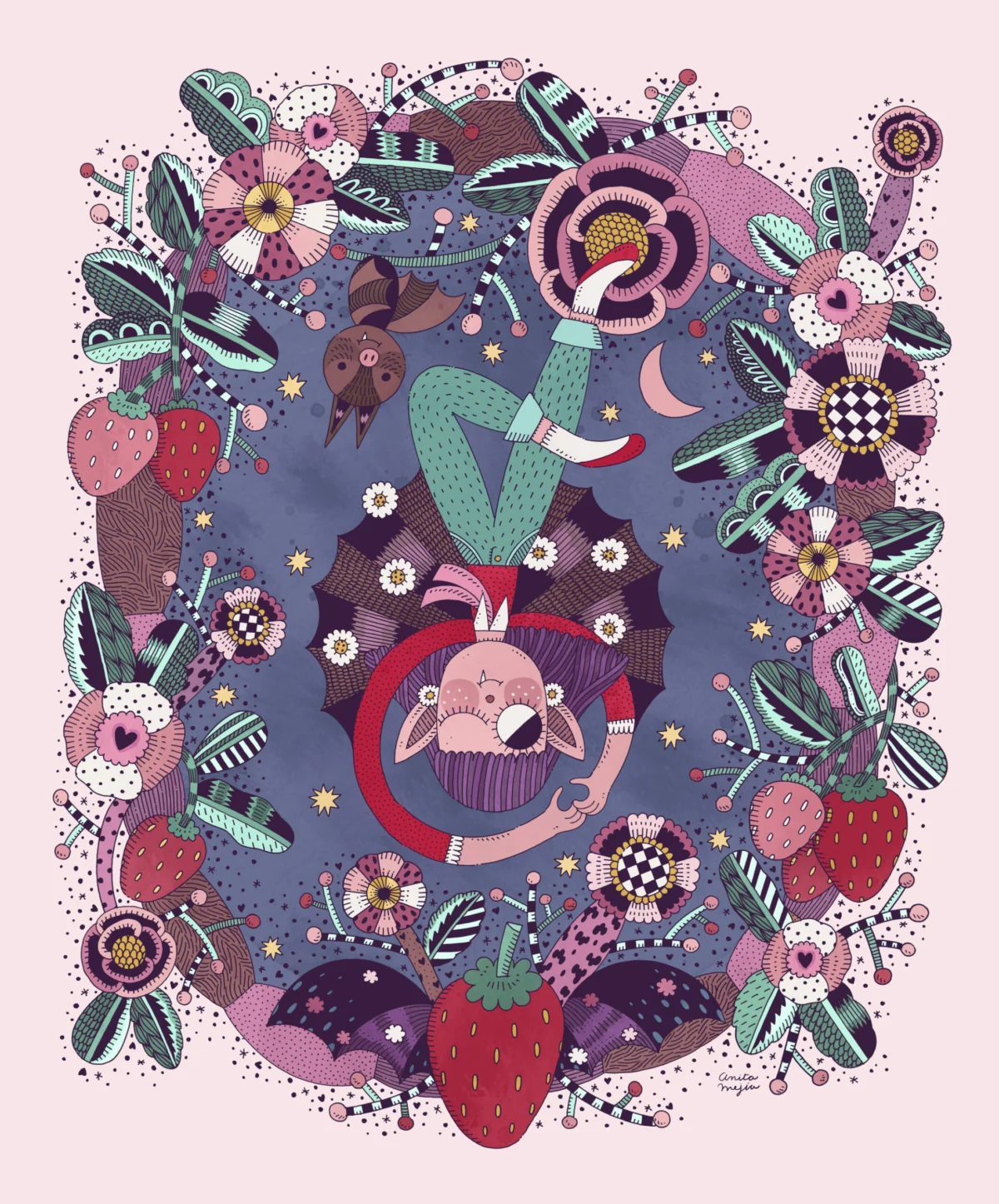
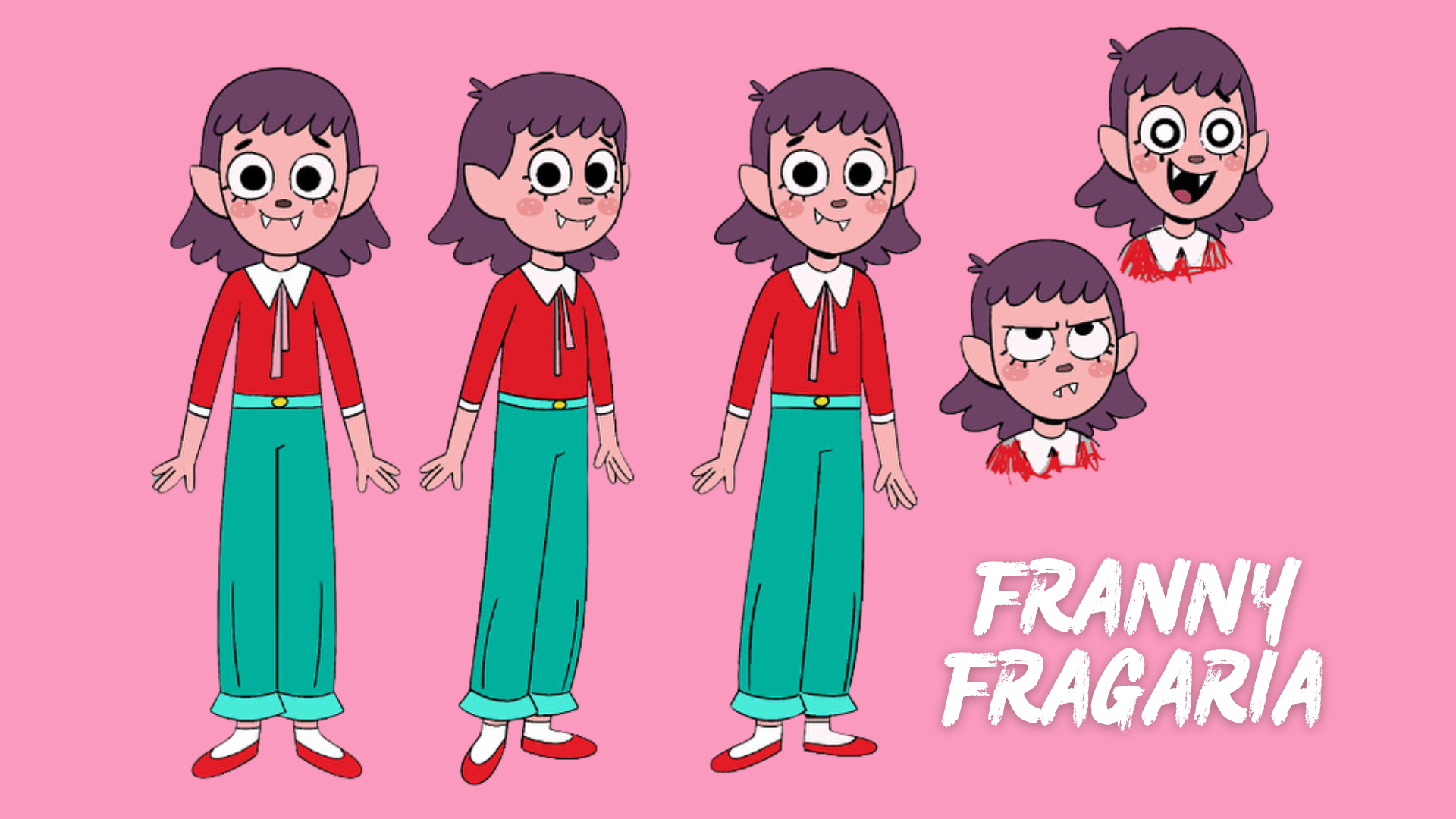
The project is a comedy-adventure series following Franny, a 113-year-old vampire who subsists on strawberry juice rather than blood. While the premise appears whimsical, it is anchored in a deeply personal narrative—a "love letter" to Brundige’s Hungarian-Jewish grandparents, who survived the Holocaust.
The financial and strategic success of Strawberry Vampire highlights several key shifts in the industry:
- Crowdfunding as Validation: Moving beyond "friends and family" rounds to a sustainable funding model.
- YouTube as the New Frontier: Utilizing the platform for global "test screenings" that provide more accurate data than traditional focus groups.
- The Rejection of Corporate Ownership: A deliberate choice to retain 100% IP rights, even if it means slower production cycles.
Chronology: From Apple TV+ to the Kickstarter Rollercoaster
To understand Brundige’s current stance, one must look at the trajectory of her career. Her journey began in the traditional pipeline, where she developed a reputation for sharp writing and a distinct aesthetic sensibility.

The Studio Era (2014–2022)
Brundige’s professional footprint is significant. She served as a story editor for the critically acclaimed Netflix series Hilda and was instrumental in the Harvey Comics reboot, Harvey Girls Forever!. However, it was Goldie, an Apple TV+ series based on her original short, that provided the ultimate lesson in the pitfalls of the studio system. Despite receiving two Emmy nominations and critical praise, the show’s future was ultimately out of Brundige’s hands. The experience of seeing her own IP become a line item on a corporate balance sheet—vulnerable to the whims of platform algorithms—became a turning point.
The Birth of Strawberry Vampire (2023)
In late 2023, Brundige launched a modest Kickstarter campaign, raising approximately $8,000 to produce a pilot for Strawberry Vampire. This pilot, largely an animatic with select finished animation, was released on YouTube on Halloween.
The Viral Proof of Concept (Late 2023)
The response was immediate and overwhelming. On a channel with only 2,000 subscribers, the Strawberry Vampire pilot racked up 60,000 views in just 48 hours. This data point proved to Brundige that there was a global audience for her specific brand of "retro-contemporary" storytelling.
The Expansion (2024–2026)
Following the pilot’s success, Brundige launched a second campaign to fund additional episode animatics. Rather than chasing the high-cost "polish" of full animation, she polled her audience. The result was a 70% vote in favor of more story content over visual refinement, leading to the current production of two new episodes.
Supporting Data: The Metrics of Indie Success
The success of Strawberry Vampire is not merely anecdotal; it is supported by engagement metrics that challenge the traditional studio "90-day window" for success.
- Engagement Velocity: The pilot achieved a 30x view-to-subscriber ratio within two days of release. In traditional television, a similar performance would be considered a breakout hit.
- Audience Retention: Through polls and community engagement on Substack and YouTube, Brundige has maintained a 70% "super-fan" engagement rate, where backers actively participate in production decisions.
- The "Long Game" Theory: Brundige points to industry giants like SpongeBob SquarePants and Bluey, noting that Bluey took two full seasons to find its footing. Studios today often cancel original IP if it isn’t a "smash hit" within 90 days. By owning the IP, Brundige bypasses this artificial deadline.
Official Responses: Brundige on the "Loss of Plot" in Studios
In a series of candid interviews, Brundige has articulated why the studio system is failing creators. Her critique focuses on two primary areas: the sanitization of IP and the invisibility of the artist.
On Corporate Creative Interference
Reflecting on her time developing Harvey Girls Forever!, Brundige noted the immediate pressure to modernize classic characters. "I originally wanted them to keep their iconic outfits. They were like, ‘No, we have to make them contemporary.’ At that point, why not just make a new show?" she asks. With Strawberry Vampire, there are no executives demanding she update the wardrobe of her 113-year-old protagonist to fit current fashion trends.
On the "Invisible" Animator
"I’ve been working in animation professionally for over a decade… but no one knew who I was," Brundige says. She argues that the legacy studio model intentionally hides the creator to ensure the brand remains larger than the individual. In contrast, indie animation thrives on visibility. "Sharing is part of indie animation’s success. Fans love watching the person behind the project… it gives the project a beating heart."
On AI and Corporate Perception
Brundige highlighted the absurdity of current industry trends by recounting an AI-generated LinkedIn post that predicted Strawberry Vampire would become a billion-dollar franchise. "I’m going to lean into this because studio heads and people with money believe AI LinkedIn posts more than they do me," she joked, highlighting the disconnect between corporate decision-makers and actual creators.
Implications: A Personal Narrative as Universal Metaphor
The most profound implication of Strawberry Vampire lies in its thematic depth. By moving outside the studio system, Brundige was able to tackle the Holocaust—a subject typically deemed too "dark" for children’s comedy—through the lens of folklore.
The Vampire as Immigrant
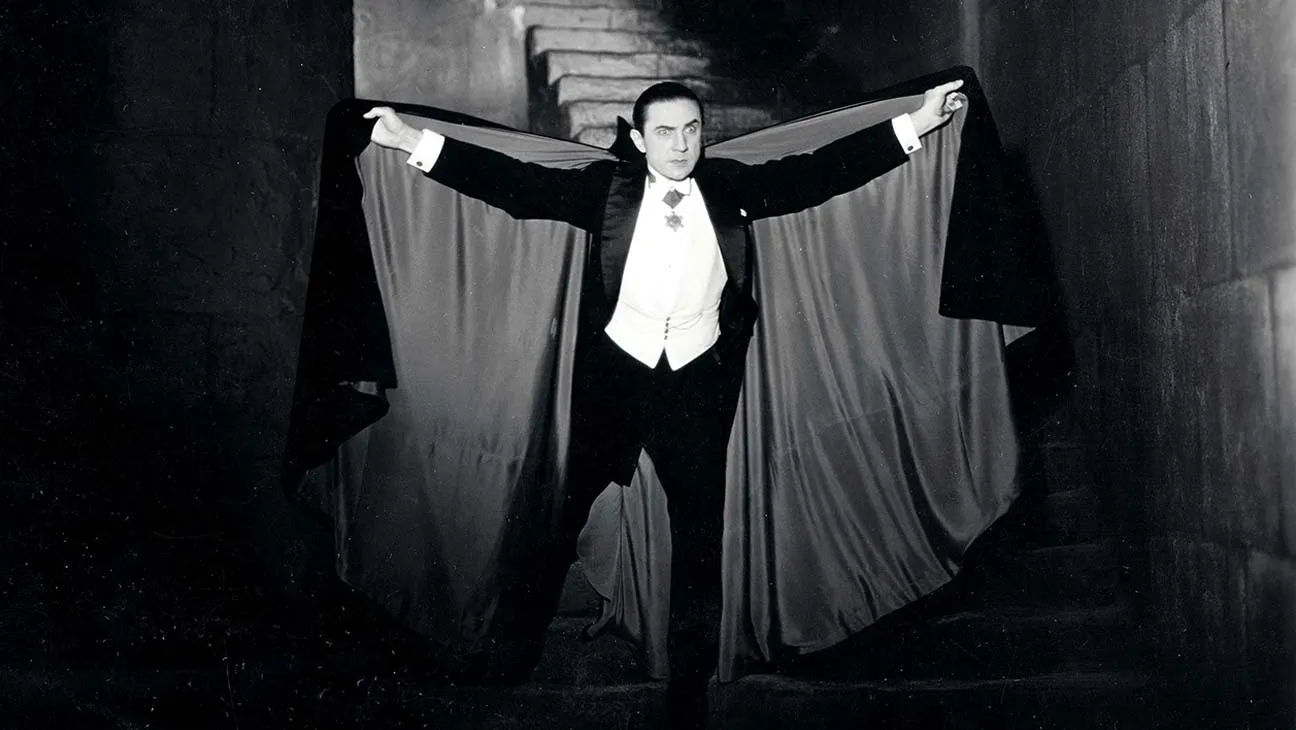
Brundige’s grandparents were Hungarian Jews who survived Auschwitz. After the war, they immigrated to Southern California. Brundige realized that the iconic "Dracula" accent, established by Hungarian actor Bela Lugosi, was the sound of her own family. "My whole family on that side sounds like vampires," she says.
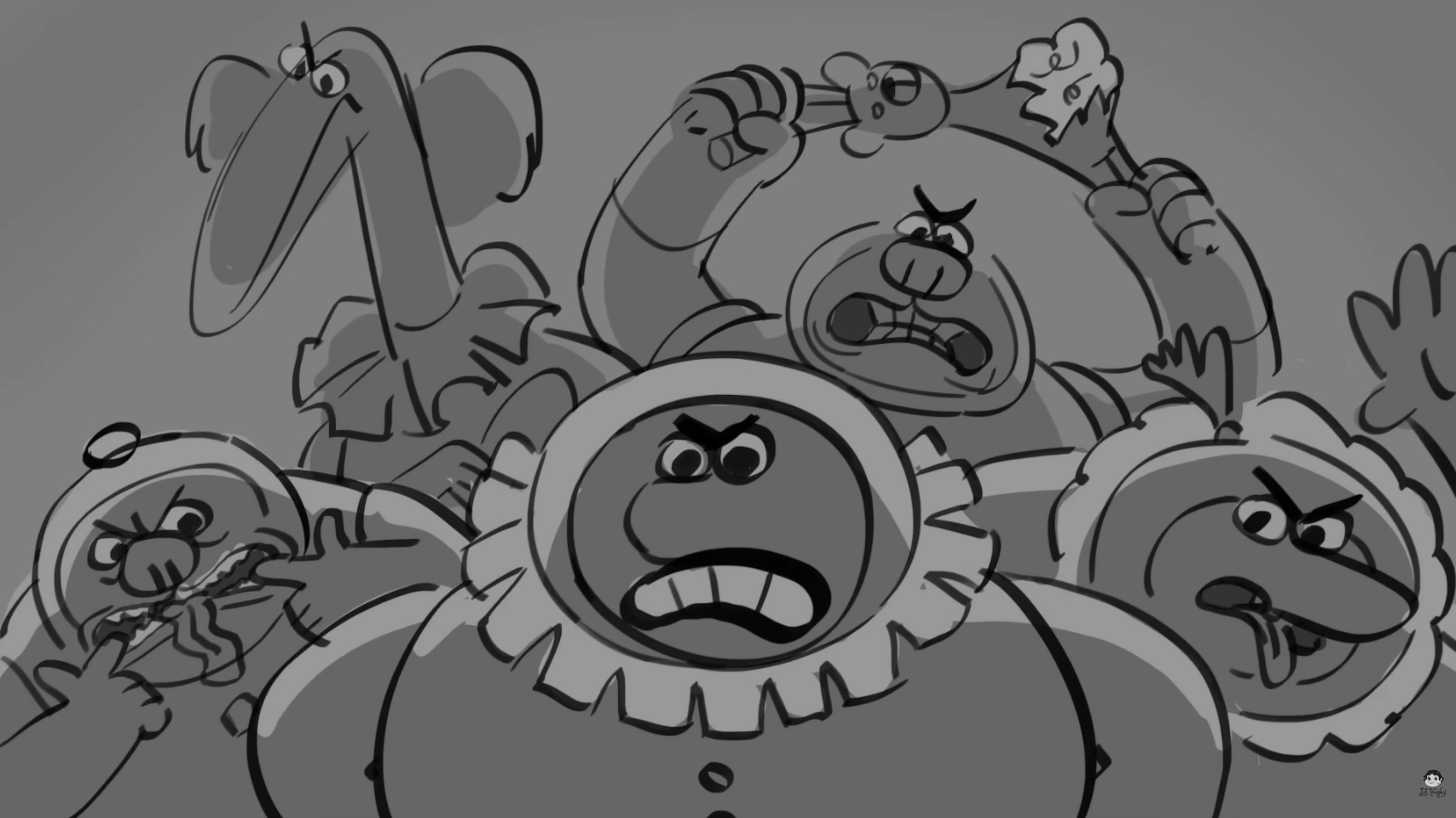
By casting her protagonist, Franny, as a vampire who struggles with English and cultural assimilation, Brundige has created what she calls an "immigrant revenge story." The show’s antagonists, the "Sour Grumpires," are inspired by the "Blue Meanies" of the Beatles’ Yellow Submarine—villains that are simultaneously terrifying and goofy, allowing the show to address fascism without traumatizing its young audience.
The Future of Creator-Artist Collaboration
Brundige is also using her independence to reform the labor model of animation. She recently hired a fan who posted an accordion-playing animation of Franny, paying them a professional wage and mentoring them in industry-standard software like Toon Boom Harmony. This "bottom-up" approach to talent scouting stands in stark contrast to the "dream-job tax" often imposed by major studios, where young artists are expected to work grueling hours for low pay for the "prestige" of the brand.
Conclusion: Ownership as the Ultimate Goal
As the animation industry faces a period of contraction and consolidation, Emily Brundige’s "long game" with Strawberry Vampire offers a glimpse into a potential future. It is a future where success is measured by longevity and ownership rather than 90-day viewership windows.
"My goal is to create a universe," Brundige concludes. "That could be long-form episodes, shorts, or a video game. I don’t have any specific end goal that’s so limited anymore." By reclaiming her IP and building a direct relationship with her audience, Brundige is proving that in the modern era, the most powerful thing an animator can be is "their freaky self."


Leave a Comment