
The Architect of the Uncanny: Hans Rickheit and the Return of Cochlea & Eustachia
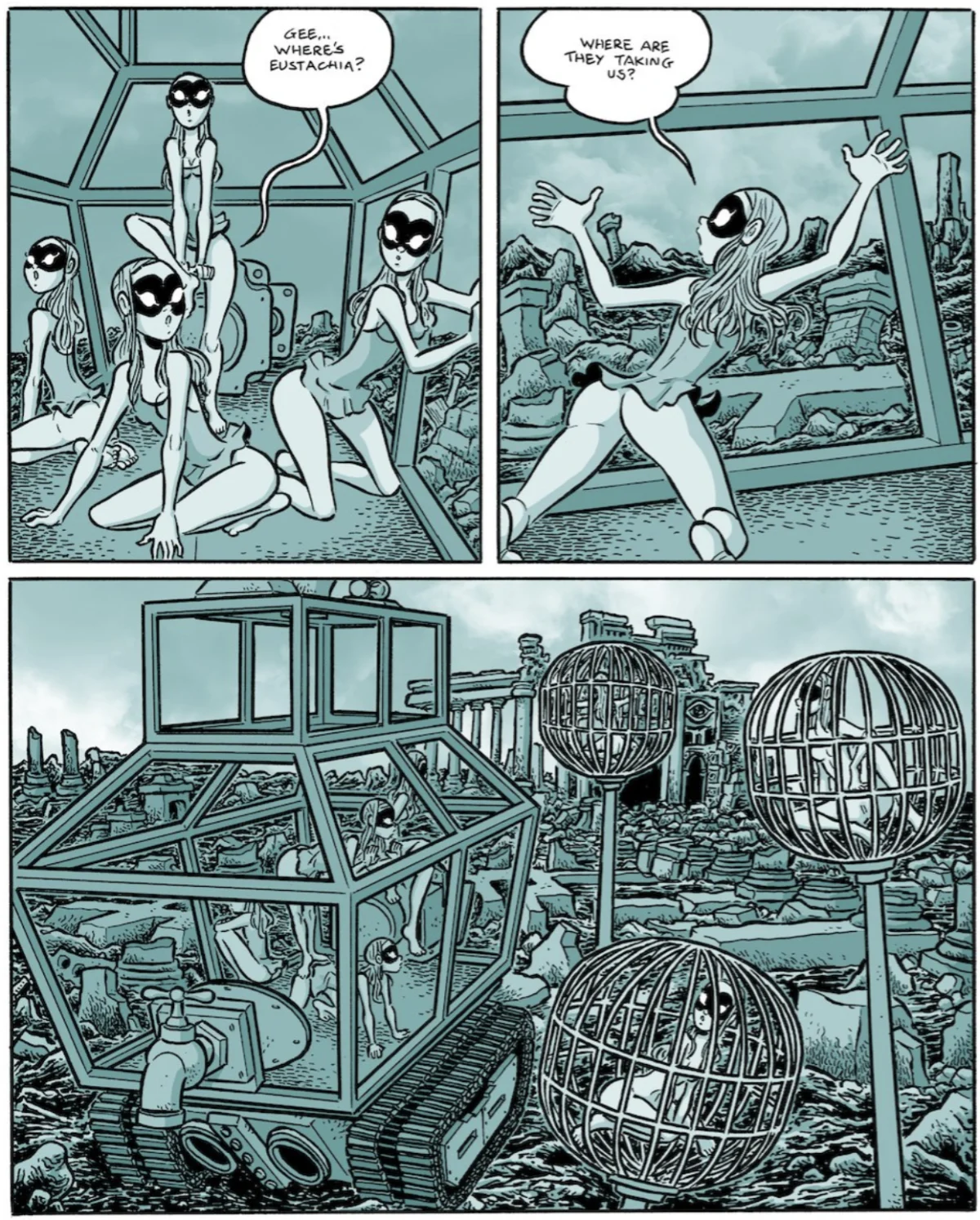
The landscape of alternative comics has always been a fertile ground for the strange, the transgressive, and the deeply psychological. Yet, even within this niche, few creators have managed to carve out a niche as singular and unsettling as Hans Rickheit. With the release of Cochlea & Eustachia Volume 2, published under his own Chrome Fetus imprint in 2026, Rickheit reaffirms his status as a master of what might be termed "Victorian Body-Horror Surrealism." This latest volume, which collects years of serialized webcomics and new material, serves as both a culmination of his career-long obsessions and a defiant rejection of contemporary narrative conventions.
Main Facts: The Duality of the Id
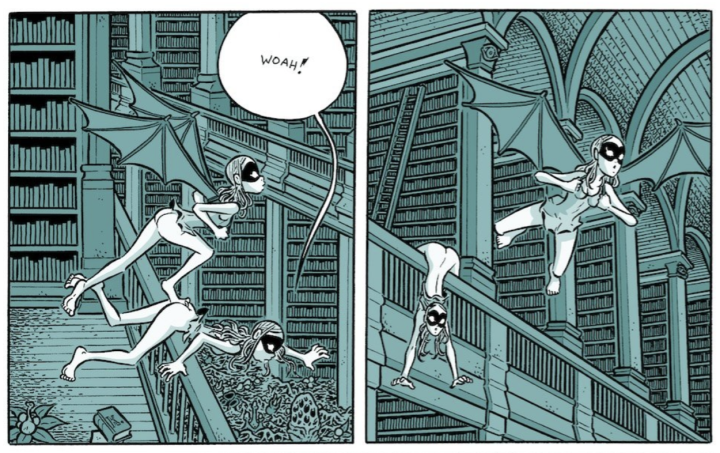
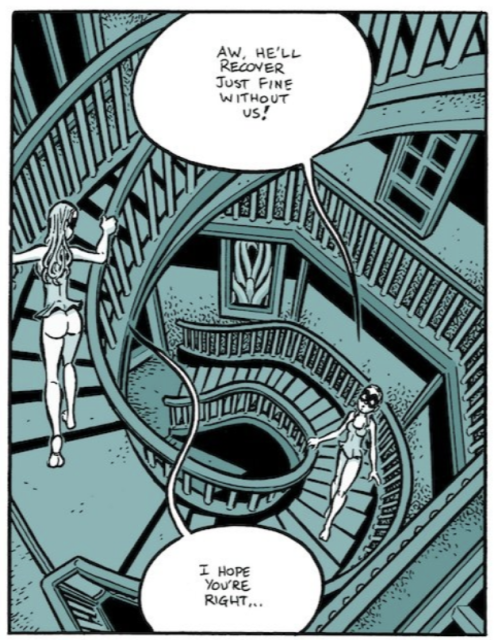
Cochlea & Eustachia Volume 2 is more than a mere collection of comic strips; it is an immersive descent into a world where logic is secondary to impulse. The titular characters, Cochlea and Eustachia, are identical twins—or perhaps two facets of the same fractured psyche—who inhabit a sprawling, labyrinthine Victorian mansion. This setting functions as a character in its own right, a "freakish haunted fun house" filled with endless corridors, forbidden chambers, and architectural anomalies that defy Euclidean geometry.
The work is characterized by several core elements:
- Surrealist Narrative: Rickheit eschews traditional "hero’s journey" arcs. There is no moral growth, no self-discovery, and no resolution in the conventional sense.
- Aesthetic Precision: Despite the chaotic subject matter, the artwork is meticulously detailed, invoking the fine-line engravings of the 19th century.
- Thematic Fusion: The series blends erotica, body horror, and absurd humor, creating a "sublime and masterful" experience for the mature reader.
- The "Fronky" Phenomenon: The introduction and persistence of secondary characters, such as the antlered, diving-helmet-headed "Fronky," add layers of inexplicable dread and fascination.
The twins themselves are described by critics as the "Betty and Veronica of the underworld," though they lack the wholesome relatability of their Archie Comics counterparts. Instead, they possess vacant eyes that offer no answers, inviting the reader to project their own anxieties and desires onto the page.
Chronology: The Evolution of a Macabre Vision
To understand the significance of Volume 2, one must trace Hans Rickheit’s trajectory through the American underground scene. His career is a testament to the endurance of the "independent" spirit in an era of increasing media consolidation.
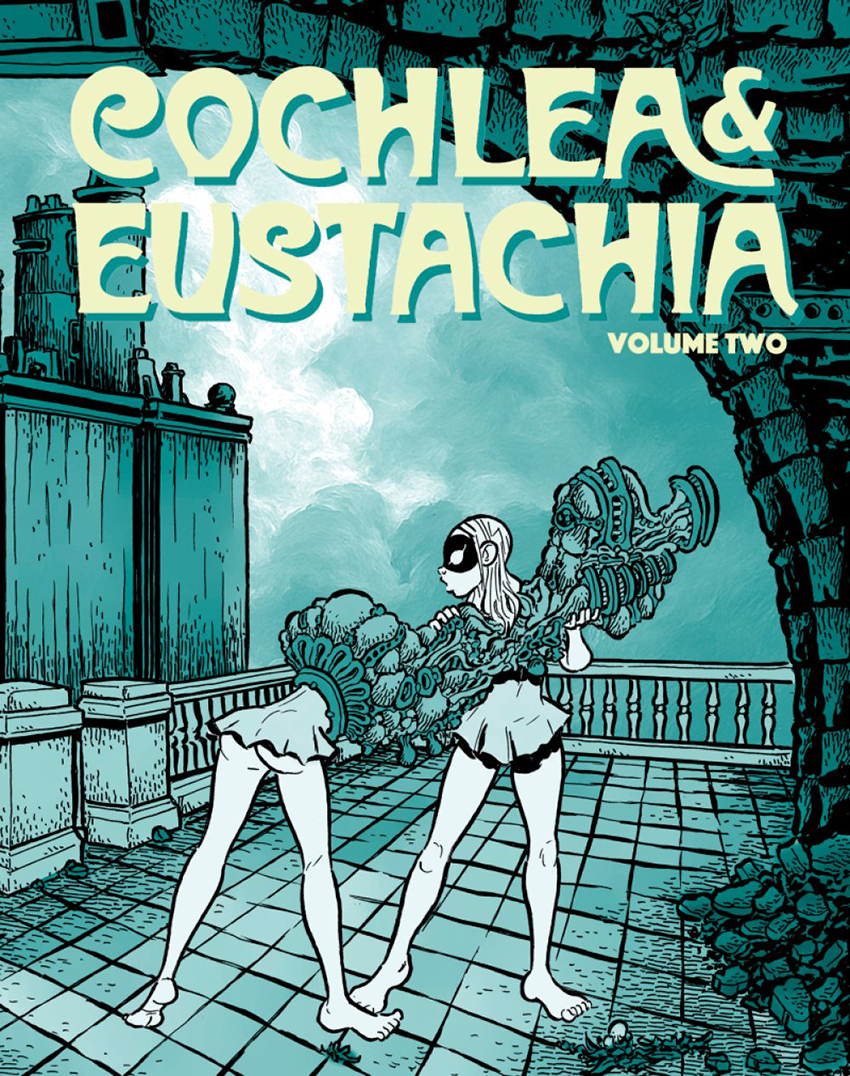
- Early Beginnings (Mid-1990s): Rickheit began his journey while still in high school, producing underground zines and mini-comics. It was during this formative period that the Chrome Fetus series was born, introducing the world to the twins who would become his lifelong muses.
- The Xeric Turning Point (2001): Rickheit’s talent was formalized when he won the prestigious Xeric Grant for his graphic novella, Chloe. This grant, established by Peter Laird, was a rite of passage for many of the industry’s most significant voices.
- The Alt-Weekly Era (2002): The Cochlea & Eustachia strip began appearing in The Stranger, Seattle’s premier alternative weekly. This exposure solidified his reputation for blending the salacious with the profound.
- The Fantagraphics Years (2003–2014): In 2003, Rickheit moved into the upper echelons of the indie world with the publication of The Squirrel Machine by Fantagraphics. This was followed by several other titles, culminating in the first collected volume of Cochlea & Eustachia in 2014.
- The Self-Publishing Renaissance (2026): After a period of serialized webcomics, Rickheit returned to the physical format with Volume 2, opting to publish through his own Chrome Fetus imprint. This move reflects a broader trend among veteran creators seeking total creative autonomy.
Supporting Data: Aesthetics and the Subconscious
Rickheit’s work is often analyzed through the lens of the subconscious. Unlike mainstream horror, which relies on "jump scares" or external monsters, Rickheit’s horror is internal and biological.
The Architecture of Isolation
The mansion in Cochlea & Eustachia is not just a backdrop; it is a metaphor for the mind. The girls "pad about" its confines, painfully lonely but lacking the capacity for self-reflection. This lack of awareness is what makes their actions so jarring. When they interact with their environment—using everything from "eyeballs to anus"—they are not being malicious; they are simply reacting instinctively.
Body Horror as Philosophy
Body horror in Rickheit’s work often involves the translocation of objects and fluids. A recurring motif in Volume 2 involves items entering one orifice and exiting another, or characters undergoing grotesque physical transformations. This is not merely for shock value; it represents the "id in overdrive." By stripping away the inhibitions of polite society, Rickheit dares the reader to "tap into their inner misfit."
The "Fronky" Variable
The character of Fronky provides a crucial point of data for understanding Rickheit’s humor. Fronky, with his antlered helmet, is neither friend nor foe. In one notable scene, after Cochlea (or Eustachia) uses a chamber pot, Fronky retrieves the specimen for "further study." This interaction epitomizes the "dread and debauchery" of the series—it is simultaneously disgusting, scientific, and absurd.
Official Responses and Critical Reception
While "official" responses in the world of independent comics come from critics rather than corporate spokespeople, the consensus on Rickheit’s latest work is overwhelmingly positive, albeit cautious about its intensity.
Henry Chamberlain, writing for The Comics Journal, describes the work as "sublime and masterful," noting that Rickheit has managed to bridge the gap between "the salacious and the profound." Chamberlain argues that the twins are "transcendent," comparing them to Daisy Mae from Li’l Abner in their status as "forces of nature."
Critics have particularly praised the "layers of subtext" present in the new volume. While a first reading might focus on the "poking and prodding" of the characters, subsequent readings reveal "layers of sadness." The twins’ refusal to evolve into "the best versions of themselves" is seen as a radical act in a culture obsessed with self-improvement and "redemption arcs."
Furthermore, the "army of duplicate versions" of the twins introduced in this volume has been interpreted by some as a commentary on the loss of individuality in the digital age, or perhaps an exploration of the infinite iterations of the self that exist within the subconscious.
Implications: The Future of the Underground
The publication of Cochlea & Eustachia Volume 2 carries significant implications for the comic book industry in 2026.
The Viability of the "Auteur" Model
By successfully self-publishing a work of this complexity and high production value, Rickheit demonstrates that veteran artists no longer need the "Big Two" or even established indie giants like Fantagraphics to reach their audience. The "Chrome Fetus" model suggests a future where the relationship between the artist and the "discerning mature reader" is direct and unmediated.
The Persistence of the Surreal
In an era where much of popular culture is dominated by hyper-explained "cinematic universes" and rigid lore, Rickheit’s embrace of "no answers" is liberating. It suggests there is still a significant market for art that remains "mysterious and nebulous." As Chamberlain notes, "You don’t have to know everything! It’s all there on the page."
The Evolution of Maturity in Comics
Rickheit’s work pushes the definition of "mature" beyond mere violence or sexuality. It challenges the reader’s psychological comfort zone. The implication for future creators is clear: there is space for work that is "pleasing to the eye" but also "invites every eye, and mind, to engage with it" on a visceral, uncomfortable level.
In conclusion, Cochlea & Eustachia Volume 2 is a landmark release that confirms Hans Rickheit’s place in the pantheon of great American cartoonists. It is a work that demands to be seen, felt, and pondered, even if the answers it provides are as vacant as the eyes of its protagonists. For those willing to enter the mansion, the rewards are a "devilish beauty" that lingers long after the final page is turned.



Leave a Comment