Surrender to Tender: KFC and Mother Agency Pivot to Minimalism with YouTube’s Frank Watkinson
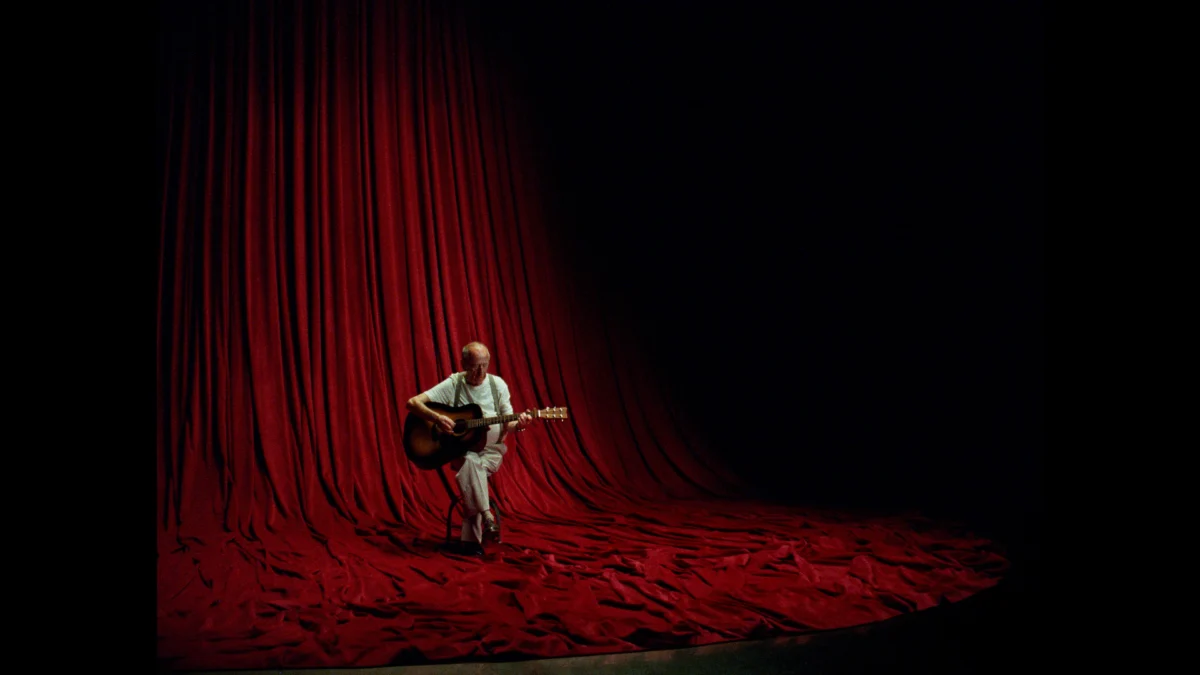
In an era of high-octane marketing, rapid-fire editing, and sensory overload, KFC has opted for a radical departure from the status quo. In collaboration with their long-standing creative partner, Mother, the fast-food giant has unveiled a new campaign that prioritizes silence, soul, and simplicity. By enlisting the weathered, soothing talents of 72-year-old YouTube sensation Frank Watkinson, KFC is trading its usual "frenzied" energy for a moment of profound calm, signaling a significant shift in how the brand communicates its "Tenders & Dips" range to a global audience.
Main Facts: A Radical Departure from Fast-Food Norms
The centerpiece of the new campaign, titled "Surrender to Tender," is a stark, one-shot commercial that defies almost every convention of modern fast-food advertising. There are no close-ups of sizzling chicken, no splashing sauces, and no upbeat pop tracks designed to drive appetite. Instead, the viewer is presented with a fixed camera angle of Frank Watkinson, a musician who gained a following of 1.2 million on YouTube for his raw, acoustic covers of rock and pop hits.
Positioned against a deep red curtain—a subtle nod to KFC’s iconic branding—Watkinson performs a stripped-back, melancholic version of The Cranberries’ 1993 hit, Linger. The choice of song and performer is intentional; it is designed to evoke "tenderness" in its emotional sense, mirroring the literal tenderness of the product being promoted.
Produced by Iconoclast and directed by the acclaimed music video director Jonathan Alric (one half of the duo The Blaze), the film is a masterclass in minimalism. It aims to offer a "respite" from the noise of the world, focusing on the human connection rather than the transaction.
Chronology: From Cult-Like Zeal to Quiet Reflection
To understand the weight of this new direction, one must look at the trajectory of KFC’s marketing over the past year. Under the guidance of Mother, KFC has recently moved through a trilogy of ads known as the "Believe" campaign.
- The "Believe" Era: This phase was characterized by an "increasingly frenzied, cult-like response" from chicken enthusiasts. The ads depicted fans in a state of religious-like fervor, emphasizing the brand’s "originality" and the almost obsessive loyalty of its customer base. These ads were loud, visually complex, and designed to capture the high-energy excitement of the brand.
- The Pivot Point: As the global social and economic climate grew more strained—marked by geopolitical tensions and a cost-of-living crisis—the "hype-heavy" approach began to feel out of step with the public mood.
- The Launch of "Surrender to Tender": Recognizing a collective desire for softness and peace, KFC and Mother decided to flip the script. The launch of the Tenders & Dips range provided the perfect linguistic bridge. If the product is "tender," the marketing should be "tender" too.
This chronological shift represents a move from outward expression (shouting about how good the chicken is) to inward experience (feeling the softness of the brand).
Supporting Data: The Power of the "Authentic" Influencer
The selection of Frank Watkinson is a data-driven masterstroke in the world of influencer marketing. Unlike polished, "Instagrammable" influencers who often feel transactional, Watkinson represents a niche of "unfiltered authenticity."
- The Watkinson Effect: With over 1.2 million subscribers, Watkinson’s audience is built on emotional resonance. His covers of songs like Radiohead’s Creep and Slipknot’s Snuff have garnered millions of views not because of high production value, but because of their vulnerability.
- The "Slow Advertising" Trend: Industry data suggests that "Slow Ads"—commercials that utilize long takes and minimal cuts—see higher rates of emotional engagement among Gen Z and Millennial audiences who are increasingly fatigued by "scroll-culture" aesthetics.
- The Psychology of "Linger": Music theory suggests that Linger, with its nostalgic 90s roots, triggers a dopamine response associated with comfort and familiarity. By slowing it down and stripping it of its orchestral elements, the campaign taps into a "lo-fi" aesthetic that has become a dominant comfort-seeking trend on platforms like TikTok and YouTube.
By leveraging Watkinson, KFC isn’t just buying reach; they are borrowing his hard-earned credibility and the "soothing" brand identity he has built over years of digital busking.
Official Responses: Defining "Tenderness" in a Hard World
The creative leadership behind the campaign has been vocal about the philosophical underpinnings of the work. For Mother and KFC, this isn’t just about selling chicken; it’s about acknowledging the current state of the world.
Meg Stigant, Brand Manager at KFC, emphasized the role of the brand as a provider of relief. She noted that the spot aims to offer the nation "a real respite" from the current tensions in the world. This positioning moves KFC from being a "fast-food provider" to a "moment of sanctuary."
Derek Man Lui and Tomas Coleman, Executive Creative Directors at Mother, expanded on the concept of tenderness as a form of strength. In a joint statement, they remarked:
"Tenderness isn’t weakness. It’s the bravest thing we can offer ourselves in an increasingly hard world. It felt like an idea that couldn’t be explained, so we made you feel it."
This statement highlights a sophisticated branding strategy: moving away from "rational" advertising (explaining the product) toward "affective" advertising (making the consumer feel an emotion). By equating the physical quality of the chicken with a psychological state of being, Mother is attempting to create a deeper, more subconscious brand association.
Implications: A New Benchmark for the Fast-Food Industry
The "Surrender to Tender" campaign has several long-term implications for the advertising industry and the competitive fast-food landscape.
1. The "Anti-Ad" as a Competitive Edge
In a market where McDonald’s and Burger King often compete on price points and "loud" visual gimmicks, KFC’s decision to remove the product entirely from the visual narrative is a bold risk. It implies a level of brand confidence where the name "KFC" alone is enough to carry the message. This "anti-ad" approach may force competitors to rethink their own high-frequency, high-noise strategies.
2. The Maturation of Influencer Integration
For years, brands used influencers as mere spokespeople. KFC’s use of Frank Watkinson represents a more integrated "collaborative" model. They didn’t ask Frank to "act" like a KFC fan; they simply asked him to be himself. This respect for the creator’s craft is likely to become the gold standard for brand-influencer partnerships moving forward.
3. Emotional Resonance Over Product Features
The campaign suggests that in a saturated market, "product features" (like a new dipping sauce) are less important than "brand feeling." If a consumer associates KFC with a moment of peace and a beautiful song, they are more likely to choose it when they are feeling stressed or overwhelmed. This is a move toward "Long-Term Brand Equity" over "Short-Term Sales Activation."
4. Cultural Sensitivity in Marketing
By acknowledging that the world is "hard" right now, KFC is practicing a form of "cultural empathy." Brands that ignore the external stressors of their consumers—inflation, political division, social unrest—often appear tone-deaf. "Surrender to Tender" acknowledges the room, offering a soft place to land rather than another thing to shout about.
Conclusion
KFC’s "Surrender to Tender" is more than just a commercial for chicken strips; it is a cultural artifact that reflects a shift in the collective psyche. By choosing Frank Watkinson’s weathered voice over a glossy pop star and a single-shot performance over a high-budget montage, KFC and Mother have demonstrated that sometimes, the most powerful way to be heard is to whisper. As the campaign rolls out, it stands as a testament to the idea that in a world of constant noise, tenderness is indeed the bravest—and perhaps the most effective—marketing strategy available.