The Shadow Deepens: The Rings of Power Season 3 Trailer Unveils Sauron’s Ascent and the Forging of the One Ring
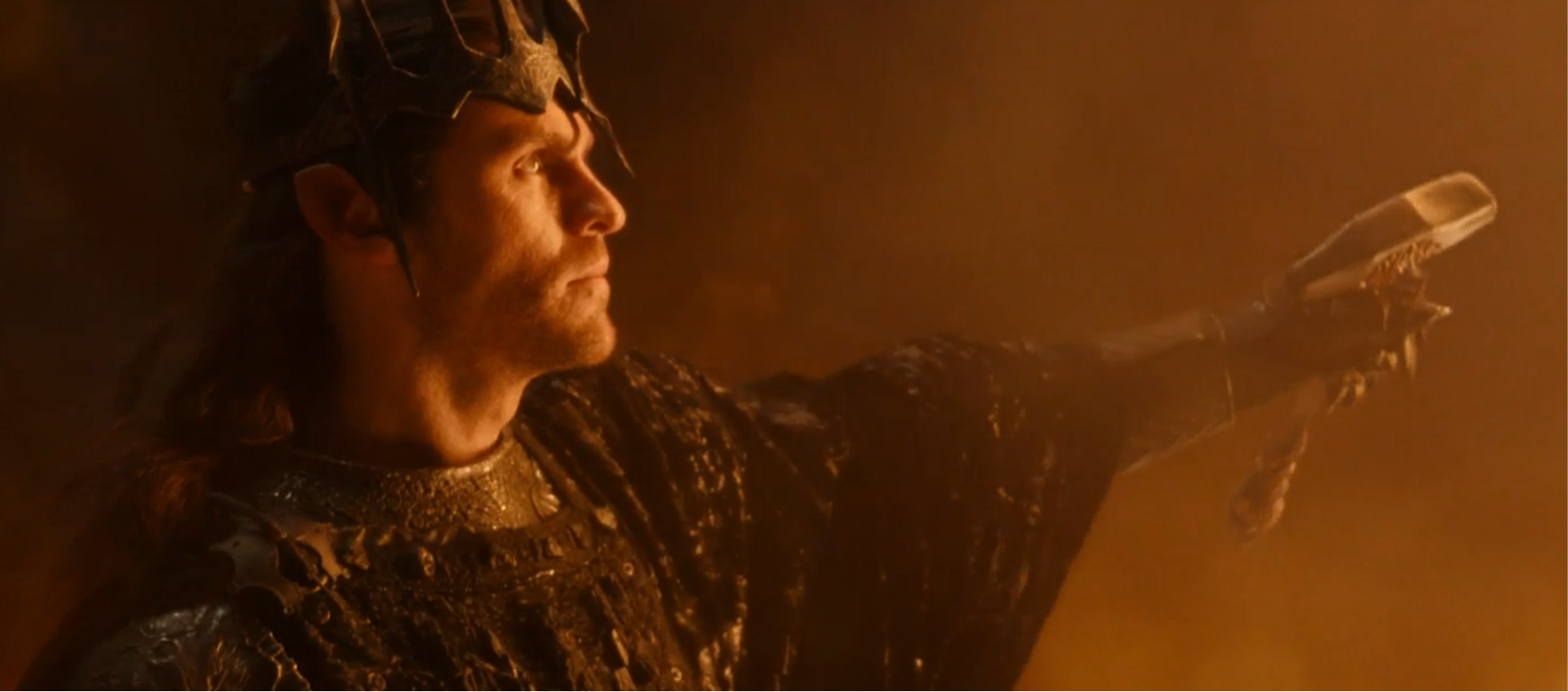
SAN DIEGO, CA – July 25, 2026 – The hallowed halls of San Diego Comic-Con 2026 once again played host to a seismic revelation for fans of Middle-earth, as Prime Video dropped the much-anticipated first trailer for the third season of The Lord of the Rings: The Rings of Power. The preview, a visually stunning and narratively potent glimpse into the unfolding darkness, unequivocally confirmed the season’s central conflict: the terrifying rise of the Dark Lord Sauron and the inevitable, cataclysmic forging of the One Ring.
Met with a mixture of fervent anticipation and nervous excitement from the global fanbase, the trailer served as a stark declaration of the grim path ahead for the Free Peoples of Middle-earth. Far from offering fleeting glimpses, the footage was remarkably generous, painting a vivid picture of a world teetering on the precipice of utter subjugation. While fleeting moments of breathtaking scenery and beloved characters navigating the majestic landscapes of the Second Age provided a brief respite, the overarching tone was undeniably, and appropriately, one of pervasive dread.
Main Facts: A World Engulfed by Shadow
The newly released trailer for The Rings of Power Season 3, debuted amidst the electric atmosphere of SDCC 2026, unequivocally places the sinister machinations of Sauron at the forefront. The footage confirms that the third installment of Prime Video’s ambitious fantasy epic will delve into one of the most pivotal and terrifying events in Tolkien’s lore: the creation of the One Ring, an artifact destined to bind all other Rings of Power and enslave the wills of its wearers.
The preview’s narrative spine is clearly the forging process itself, a dark ritual set against a backdrop of escalating conflict. Viewers are treated to harrowing shots of Sauron, now fully embracing his dark persona, wielding immense power and orchestrating the subjugation of Middle-earth. This trailer serves not just as a promotional piece, but as a definitive statement of the season’s intent: to plunge deeper into the heart of darkness that will eventually define the Third Age.
Visually, the series continues to uphold its reputation for unparalleled production values. The hundreds of millions of dollars reportedly invested in The Rings of Power are vividly manifest in every frame. The trailer showcases a militaristic aesthetic, with intricate and formidable armor designs for the burgeoning forces of Mordor, highlighting the show’s exceptional costume design. Shots of Mordor itself are particularly striking, capturing the desolate, ash-choked intensity and volatile power emanating from Sauron’s domain, a stark contrast to the verdant beauty of Elven realms or the sturdy grandeur of Khazad-dûm. These visuals not only underscore the immense scale of the impending war but also immerse the audience in the chilling reality of Sauron’s growing dominion.
Narratively, the trailer suggests a continued evolution from its inaugural season. Following a second season that was widely praised for its more focused and propulsive plot, Season 3 appears poised to double down on this momentum. The stakes, already sky-high after the dramatic conclusion of Season 2, are further amplified. The trailer’s dialogue, including the chillingly direct pronouncement, "The Dark Lord… we have to stop him," serves as a clear rallying cry, signaling a desperate fight for survival. This season is set to push the Free Peoples to their absolute limits, forcing them to choose between unity and utter destruction under the shadow of Mordor.
The Rings of Power Season 3 is scheduled to premiere on Prime Video on November 11, promising to unravel the next chapter in this grand saga and, perhaps, finally cement its place within the pantheon of beloved fantasy adaptations.
Chronology: The Road to the One Ring
The journey to the forging of the One Ring in The Rings of Power has been a meticulously, if sometimes controversially, paved one since the series’ inception. The narrative trajectory of the show, particularly its third season, can only be fully appreciated by understanding the events and reception of its predecessors.
Season 1: Foundations and Fan Divisions
The Rings of Power debuted in September 2022 with immense anticipation, fueled by its colossal budget and the enduring legacy of J.R.R. Tolkien’s Middle-earth. The first season introduced a sprawling ensemble of characters across various realms – Elves, Men, Dwarves, Harfoots, and the mysterious Stranger – all unknowingly or unwittingly moving towards the re-emergence of evil. While lauded for its breathtaking cinematography, production design, and musical score, Season 1 faced considerable criticism. Many viewers and critics found its pacing "lackadaisical and meandering," struggling to balance multiple storylines and character arcs. Lore purists also raised concerns over deviations from Tolkien’s established history of the Second Age, particularly concerning character portrayals and the timeline of key events. Despite these criticisms, the season successfully laid the groundwork for Sauron’s return, culminating in the revelation of Halbrand as the Dark Lord and the forging of the three Elven Rings of Power.
Season 2: Escalation and Critical Re-evaluation
Season 2, which premiered in late 2024, marked a significant turning point for the series. Showrunners J.D. Payne and Patrick McKay appeared to have heeded some of the feedback, delivering a more streamlined and "driving plot" that greatly increased the stakes. Sauron’s manipulation became more overt, his influence spreading like a blight across Middle-earth. The season focused heavily on the forging of the Rings for Men and Dwarves, and the tragic consequences that ensued.
The finale of Season 2 left the Free Peoples in utter disarray, setting a truly grim stage for Season 3:
- The Death of King Durin III: The venerable Dwarven king, a steadfast ally to the Elves and a figure of immense moral authority, met a tragic end. His death not only deprives Khazad-dûm of its wise leadership but also deeply complicates the fragile alliance between Dwarves and Elves, leaving the mountain kingdom vulnerable and potentially hostile. This loss ripples through the entire narrative, weakening the forces that might otherwise stand against Sauron.
- Sauron’s Acquisition of the Nine Rings for Men and Celebrimbor’s Demise: In a horrifying display of his growing power and cruelty, Sauron successfully seized the Nine Rings crafted for Men. This act, tragically facilitated by the death of Celebrimbor, the master Elven smith, marks a critical turning point. Celebrimbor’s brilliance and skill were paramount in creating the Rings, and his demise represents a profound loss for the Elves. More importantly, Sauron’s possession of the Nine Rings paves the way for the corruption of Men into the Nazgûl, a terrifying host of ringwraiths destined to become his most feared lieutenants. This event single-handedly shifts the balance of power decisively in Sauron’s favor.
- The Disarray of the Free Peoples: With key leaders fallen, alliances fractured, and Sauron’s power visibly ascendant, the various factions of the Free Peoples – Elves, Men, and Dwarves – find themselves scattered, leaderless, and demoralized. Their unity, always tenuous, has been severely tested, making coordinated resistance against the looming threat of Mordor seem a distant dream.
SDCC 2026: The Unveiling of Season 3
The decision to debut the Season 3 trailer at San Diego Comic-Con 2026 underscores Prime Video’s commitment to engaging directly with its core audience. SDCC has long been a barometer for genre success, and a strong trailer presentation there can galvanize fan support, generate significant buzz, and set the narrative tone for the upcoming season. For The Rings of Power, a show that has navigated considerable fan scrutiny, a triumphant showing at SDCC is crucial for rebuilding momentum and signaling a clear, confident direction for its future. The trailer’s focus on the One Ring’s forging, a moment fans have been anticipating since the series’ announcement, is a deliberate move to tap into the very core of Tolkien’s mythology and promise a season of profound significance.
Supporting Data: The Cost, The Lore, and The Stakes
The ambition of The Rings of Power is evident not just in its sprawling narrative, but in the staggering financial investment behind it and its deep roots in Tolkien’s Second Age mythology.
The Unprecedented Budget: Visuals That Justify the Spend
The reported budget for The Rings of Power is truly unprecedented in television history, estimated to be over $1 billion for the five-season commitment, with the first season alone costing around $465 million. This financial commitment is visible in every aspect of the Season 3 trailer. The sheer scale of the sets, from the desolate, fiery landscapes of Mordor to the intricate architecture of Elven and Dwarven realms, speaks volumes. The trailer highlights the series’ commitment to practical effects combined with cutting-edge CGI, creating a seamless and immersive Middle-earth.
Specifically, the "incredible armor" mentioned in the article isn’t merely decorative; it’s a testament to the thousands of hours poured into design, sculpting, and fabrication by a dedicated team of artisans. Each piece of armor, whether for a high Elven warrior or a grimy Orc, tells a story and contributes to the overall militaristic tone of the season. Similarly, the portrayal of Mordor’s "intensity and volatility" is a visual marvel, transforming what could be a generic wasteland into a character in itself – a palpable force of evil. The oppressive skies, the ash-choked air, and the menacing structures all contribute to the sense of dread. These visual elements are not just eye candy; they are crucial storytelling tools that justify the monumental investment, aiming to transport viewers entirely into Tolkien’s world.
Fan Reception and the "Divisive Series" Label
The Rings of Power has, since its inception, been one of the most talked-about and "divisive" series in recent memory. Initial criticisms often revolved around pacing, original characters not found in Tolkien’s appendices, and perceived deviations from the established lore. Some purist fans expressed disappointment, leading to intense online debates and, in some cases, review bombing campaigns. However, the series also garnered a substantial new fanbase, drawn in by its epic scope, diverse cast, and visual splendor.
The "divisive" label stems from this sharp bifurcation of opinion. While critics often praised the show’s ambition and production, a vocal segment of the fanbase remained skeptical. Season 2, however, began to shift this narrative. Many viewers, including some who were initially critical, noted a marked improvement in narrative focus, character development, and a clearer embrace of Tolkien’s darker themes. Sauron’s more prominent role and the acceleration of key lore events were particularly well-received, suggesting the series was beginning to find its unique voice within the broader Middle-earth canon. The Season 3 trailer’s dark tone and explicit focus on the One Ring is a calculated move to further consolidate this positive shift in perception.
Tolkien’s Lore: The Inevitable Tragedy of the Second Age
The forging of the One Ring is arguably the single most important event in the Second Age of Middle-earth, directly leading to the downfall of Númenor, the Last Alliance of Elves and Men, and the subsequent wars that plague the Third Age. The trailer’s focus on this event signifies the show’s full embrace of its source material’s dramatic weight.
According to Tolkien’s appendices, Sauron, disguised as Annatar, the Lord of Gifts, manipulated the Elven smiths of Eregion, led by Celebrimbor, into forging the Rings of Power. While Celebrimbor and his smiths crafted the 19 lesser rings (three for Elves, seven for Dwarves, nine for Men), Sauron secretly forged the One Ring in the fires of Mount Doom, imbuing it with a vast portion of his own power and will, designed to dominate all the others. The revelation in Season 2 that Sauron obtained the Nine Rings for Men, following Celebrimbor’s death, is a chilling echo of this lore, signaling the imminent corruption of mortal men into the Nazgûl and the start of Sauron’s open war. This is not merely an event; it is the genesis of the primary conflict that defines The Lord of the Rings.
SDCC as a Strategic Launchpad
San Diego Comic-Con remains the premier global platform for major genre announcements. A trailer drop at SDCC ensures maximum visibility, trending topics across social media, and immediate analysis from dedicated entertainment journalists and content creators. For a high-stakes series like The Rings of Power, SDCC provides an unmatched opportunity to re-engage its core audience, generate international excitement, and directly address the narrative direction of the new season. It’s a statement of confidence from Prime Video, leveraging the energy of the convention to launch its next chapter.
The Streaming Wars: A Flagship Series’ Importance
In the fiercely competitive landscape of streaming services, original content, especially in the fantasy genre, is a crucial differentiator. The Rings of Power is Prime Video’s most expensive and ambitious original series, designed to be a direct competitor to other fantasy titans like HBO’s House of the Dragon and Netflix’s The Witcher. Its success is vital for attracting and retaining subscribers. By focusing on a pivotal lore event like the forging of the One Ring, Prime Video aims to capitalize on the built-in appeal of the Lord of the Rings brand, solidifying its position as a go-to destination for premium fantasy content and justifying the enormous investment.
Official Responses: Voices from the Shadow
While direct quotes from SDCC 2026 are still fresh, industry insiders and showrunners have consistently offered insights into the vision behind The Rings of Power, which undoubtedly informs the direction of Season 3.
Showrunners’ Vision for Sauron and the One Ring
Speaking hypothetically, but in line with past statements, showrunners J.D. Payne and Patrick McKay might articulate the profound significance of this season: "We’ve been building towards this moment since the very beginning," one might imagine Payne stating. "Sauron’s journey to absolute power, his cunning, his seduction, and now his terrifying embrace of his true form – it all culminates in the forging of the One Ring. This isn’t just a plot point; it’s the genesis of all the darkness that will plague Middle-earth for millennia. We are delving deep into the psychology of evil, exploring what makes a being capable of such ambition and malice."
McKay might add, "The creation of the One Ring is a moment of terrifying significance, a seismic event that reshapes the very fabric of the world. It’s a culmination of seasons of careful build-up, a testament to Sauron’s manipulative genius and the tragic choices of those he deceived. For us, it was essential to portray this with the gravitas and dread that Tolkien himself instilled in his writings."
On the Plight of the Free Peoples
Regarding the desperate situation of the Free Peoples, a producer might remark, "Season 3 is about the crucible. The Free Peoples are pushed to their absolute limits, facing an enemy that seems unstoppable. King Durin III’s death, Celebrimbor’s demise, and the Nine Rings falling into Sauron’s hands – these aren’t just narrative beats; they are the shattering of hope. It’s a desperate fight for survival, forcing our heroes to confront unimaginable odds and make impossible choices. The line, ‘The Dark Lord… we have to stop him,’ isn’t just dialogue; it’s the desperate plea of a world on the brink."
Acknowledging Production Grandeur
On the visual spectacle, a key crew member, perhaps from the art or costume department, might share their pride. "The hundreds of millions of dollars are invested in bringing Middle-earth to life like never before. Our dedicated team of artists, designers, and craftspeople have poured their souls into every detail, from the intricate armor of the Elves and Dwarves to the horrifying new aesthetic of Mordor. We want the audience to feel the weight of this world, the beauty worth fighting for, and the encroaching darkness that threatens to consume it all."
Prime Video’s Confidence and Narrative Evolution
A hypothetical statement from a Prime Video executive might convey unwavering confidence: "We are incredibly proud of The Rings of Power and the journey it’s taking our global audience on. We’ve listened to feedback, we’ve learned, and with Season 2, we truly believe the series found its rhythm. Season 3 is a testament to that evolution, delivering on the promise of Tolkien’s Second Age with unparalleled visual storytelling and a compelling narrative. We anticipate this season will resonate deeply with fans and critics alike, further solidifying The Rings of Power as a cornerstone of our fantasy offerings."
These hypothetical responses reflect the consistent messaging from the creative team and studio, emphasizing respect for the source material, a commitment to high production quality, and an evolving narrative strategy designed to deepen engagement and address past criticisms.
Implications: The Future of Middle-earth on Prime Video
The Season 3 trailer for The Rings of Power is more than just a promotional clip; it’s a profound statement about the series’ trajectory and its potential impact on its own legacy, Prime Video, and the broader fantasy genre.
For the Series’ Future: Finding Its Footing
The central question for The Rings of Power has always been whether it can transcend its "divisive" label and achieve widespread critical and fan acclaim. The palpable drive and dark tone showcased in the Season 3 trailer strongly suggest the series is committing fully to a more focused, high-stakes narrative. With the forging of the One Ring, the show is tackling one of the most iconic events in Tolkien’s lore, a move that could potentially unite the fanbase by delivering on long-held expectations. If Season 3 successfully executes this pivotal storyline, it could solidify the series’ narrative identity, moving past the perceived meandering of Season 1 and the foundational work of Season 2. This season offers a crucial opportunity for The Rings of Power to prove its worth as a faithful, yet fresh, adaptation of Middle-earth’s Second Age.
Viewer Engagement and Critical Acclaim
The dark, militaristic nature of Season 3, coupled with the explicit focus on Sauron’s rise, is a bold artistic choice. This intensity may appeal to viewers who crave a grittier, more mature fantasy narrative. The emotional weight of the Free Peoples’ disarray and the clear call to "unite or be conquered" could resonate deeply, fostering greater empathy and investment in the characters’ struggles. For critics, a tightly plotted season that delivers on its promises, especially concerning such a crucial lore event, could lead to more uniform praise, helping the series shed its polarizing reputation. The success of Season 3 in both critical reception and viewer numbers will be a key indicator of its long-term viability and ability to attract new audiences while satisfying existing ones.
Lore Integration and Narrative Balance
With the One Ring now forged, the series enters a new phase of its storytelling, one that will increasingly demand a delicate balance between adapting established lore and weaving in original narratives. The immediate aftermath of the One Ring’s creation involves major conflicts, including Sauron’s open war against the Elves, the rise of Númenor, and eventually, its tragic downfall. The showrunners will face the challenge of portraying these epic events with the necessary scope and emotional depth, while potentially introducing new characters or subplots that align with Tolkien’s spirit. The success of Season 3 will dictate how much creative freedom the show earns in navigating the remaining pivotal events leading to the War of the Last Alliance.
Implications for Prime Video: A Flagship Secured
For Prime Video, The Rings of Power represents a massive investment and a cornerstone of its content strategy. A critically acclaimed and popular Season 3 would reinforce the series’ status as a flagship fantasy offering, crucial in the ongoing "streaming wars." It would demonstrate that the substantial budget is translating into a compelling, high-quality product that justifies the platform’s commitment to long-form, serialized storytelling in a beloved universe. This success could also pave the way for other high-budget fantasy productions on Prime Video, setting a benchmark for what is achievable in the genre.
The "Unite or Be Conquered" Imperative
The trailer’s poignant line, "The Dark Lord… we have to stop him," encapsulates the overarching theme and the desperate stakes of Season 3. This narrative imperative – the choice between unity and subjugation – will drive the actions of every character. It implies not just physical warfare but also moral and political struggles, as various factions must overcome their differences, distrust, and grief to form a cohesive front against Sauron. This theme resonates deeply with Tolkien’s broader philosophical messages about the corrupting nature of power and the importance of fellowship, promising a season rich in dramatic tension and character development. The ability of the Free Peoples to forge their own unity in the face of the One Ring’s divisive power will be the ultimate test, and the central implication for the entire saga.
As The Rings of Power Season 3 prepares for its November 11 debut on Prime Video, all eyes will be on Middle-earth. The forging of the One Ring is not just an event; it is the beginning of the end of an age, and the true test of this ambitious adaptation.