The Paradox of Aging: Navigating the Continual Journey of Growth and Wisdom
Introduction: A Dual Pursuit in Human Experience
The human lifespan is a remarkable tapestry woven with the threads of growth and aging. From the vibrant dawn of youth to the twilight years, these two profound experiences define our journey through existence. Growing up, a process characterized by the acquisition of knowledge, skills, and emotional maturity, is a dynamic unfolding of potential. Growing old, on the other hand, presents a distinct set of challenges and opportunities, deeply intertwined with our consciousness and our engagement with the world. As we navigate the latter stages of life, the ability to perceive our surroundings objectively and to subjectively process the richness of our experiences becomes increasingly nuanced. This article delves into the intricate relationship between aging and the enduring human drive for growth, exploring how maintaining an active mind and engaged spirit can redefine the very essence of growing old.
The Bifurcation of Perception and Psychology in Later Life
At the core of human consciousness lies a dual capacity: the ability to objectively perceive the world through our senses and the capacity to subjectively experience and imbue that perception with meaning through our minds and brains. As the aging process unfolds, this duality can manifest in fascinating, and at times, challenging ways.
Objectively, our five senses serve as conduits to the external world, allowing us to witness the unfolding of our daily lives. The sights, sounds, smells, tastes, and textures of our environment provide a fundamental understanding of our reality. Many older individuals strive to maintain this objective perceptual acuity, actively seeking to keep their senses sharp and responsive. This might involve engaging in activities that stimulate vision, hearing, or touch, ensuring a robust connection to the physical world.
However, it is in the subjective realm – the intricate landscape of our minds and brains – that aging can present a more complex dynamic. The psychological experience of life, encompassing our feelings, thoughts, and evaluations, is what imbues our perceived realities with meaning. As we age, there can be a natural inclination to retreat from the ever-changing nature and values of contemporary life. This withdrawal is often not a conscious rejection, but rather a subtle shift driven by the perceived comfort and familiarity of established mental frameworks.
The Lure of the Past: Comfort in Familiarity
Many aging individuals find it easier and, in their estimation, more meaningful, to reside within the established architecture of their minds rather than to adapt to new perspectives. The mental and emotional structures that have served them for decades offer a sense of stability. Consequently, the prospect of modifying or changing these deeply ingrained thought patterns can feel like a significant undertaking. This can lead to an irritation or even resistance when confronted with new societal norms, technological advancements, or evolving cultural values that necessitate re-thinking and re-feeling long-held mindsets.
This tendency to live in the past, while understandable as a coping mechanism for maintaining a sense of self, can inadvertently diminish the very essence of conscious engagement. By clinging to familiar mental landscapes, individuals may inadvertently limit the expansion of their consciousness, a process that nature, in its grand cycle, typically encourages through the ongoing engagement with life’s processes.
The Unconscious Weakening of the Will to Live
The implications of this psychological retreat from new challenges are profound and, as research increasingly suggests, can have an unconscious impact on an individual’s vitality. When the expanding range of consciousness, a natural byproduct of engaging with the world, is curtailed by a withdrawal into the past, the innate will to continue living can be subtly, yet significantly, weakened. This is not a conscious decision to disengage, but rather an emergent consequence of reduced mental stimulation and a diminished sense of purpose derived from active participation.
The age-old adage, "Keep the Body in motion, and the Mind in action," encapsulates a timeless wisdom. It serves as a powerful reminder that the pursuit of growth, rather than merely the passive experience of aging, is the key to a vibrant and fulfilling later life. This aphorism underscores the interconnectedness of physical and mental well-being, suggesting that a dynamic interplay between the two is essential for sustained vitality.
A Coffee House Encounter: The Echoes of Resignation
This profound concept was brought into sharp relief during a recent conversation in a local coffee house. An elderly gentleman, estimating his age at 75, shared his perspective on his daily existence. He expressed a sense of having ceased to actively think about his present life, seeing little point in dwelling on past events. "I am now 75 years of age, an old man," he stated matter-of-factly. His sentiment was one of resignation, a feeling that his journey was nearing its conclusion, and with it, the inclination to form strong opinions or engage deeply with the world had waned. He described himself as "just growing old, coasting to the end."
There are moments in such interactions when the futility of argument or even a deeply reasoned discussion becomes apparent. This was one such instance. The gentleman’s perspective, rooted in a profound sense of having completed his active life, offered little receptivity to alternative viewpoints. The notion that consciousness, irrespective of age, perpetually inquires "Why and wherefore, to what end?" seemed unlikely to resonate with his current outlook.
The Active Life: A Catalyst for Continual Growth
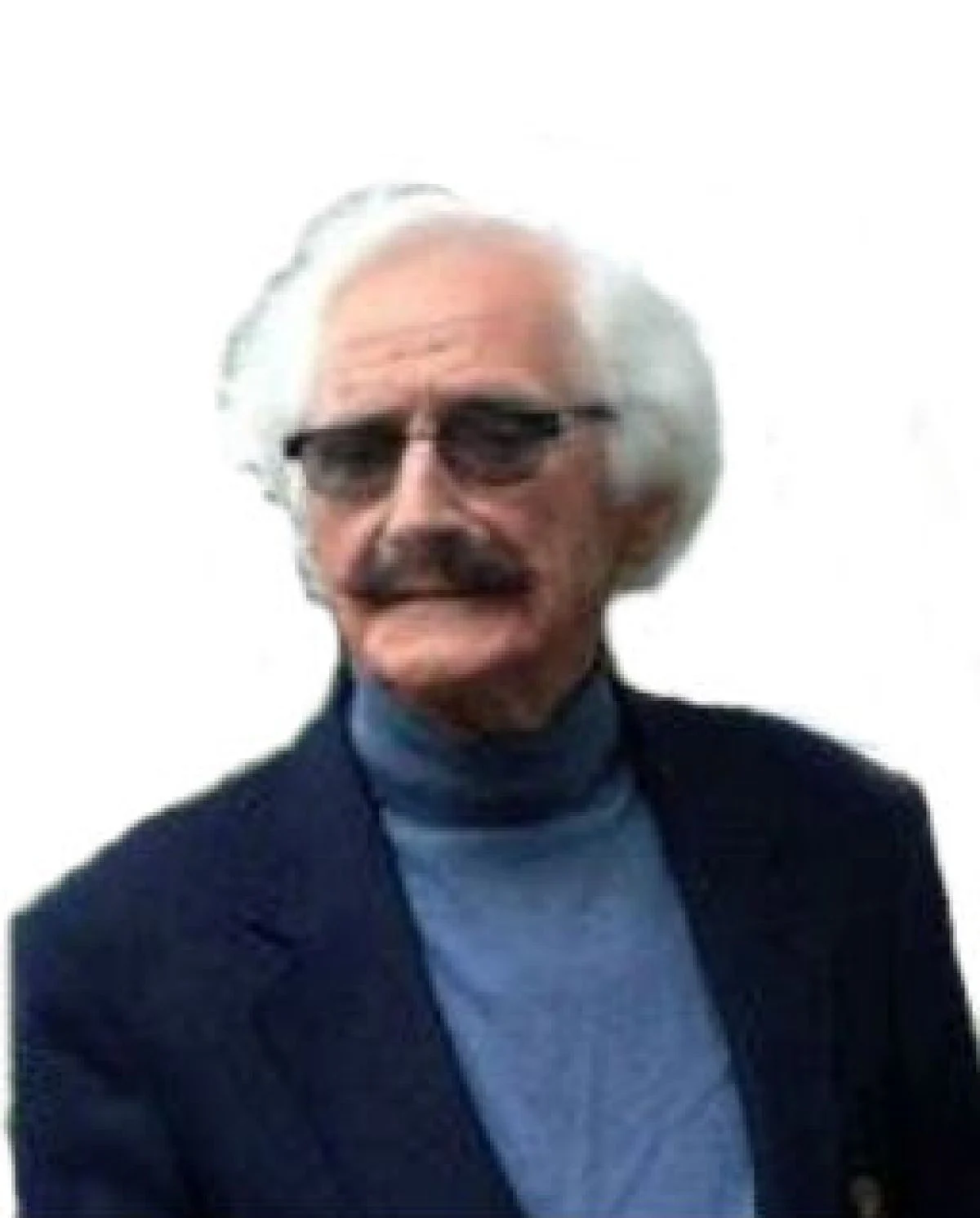
In stark contrast to this resigned perspective stands the lived experience of individuals who actively embrace the aging process as a continuation of growth. The author’s own journey, marked by a recent 94th birthday, offers a compelling counterpoint. The commitment to remaining physically active, to eschewing the "armchair," is presented not merely as a means of maintaining health, but as a catalyst for intensifying the mind’s quest for understanding and a driving force for the body to remain engaged.
This active engagement, this conscious choice to remain involved in the ongoing processes of life, fosters a continuous psychological maturation. The questions that drive consciousness – the fundamental inquiries into purpose and meaning – are not only sustained but often intensified with age when approached from a position of active participation. This is not to say that the nature of these questions remains static. The author observes that the questions were "much less frequent and less intense when I was 75," suggesting a deepening and evolving intellectual and existential curiosity as life progresses.
Historical Perspectives: Wisdom Across Millennia
The interplay between aging, wisdom, and the nature of consciousness has been a subject of philosophical contemplation for millennia. Two poignant quotations, separated by approximately 2,500 years, offer enduring insights into this complex relationship.
Plato’s Tranquil Liberation:
The ancient Greek philosopher Plato, in his seminal work, offered a perspective that emphasizes the potential for profound peace and freedom in old age. He stated: "Old age has a great sense of calm and freedom. When the passions have relaxed their hold, you have escaped not from one master, but from many."
Plato’s words suggest that as the intense desires and emotional drives of youth and middle age gradually subside, a liberation of sorts occurs. The relentless pursuit of external validation, the anxieties of ambition, and the often turbulent nature of passionate engagement can diminish, leaving a serene space for contemplation and self-awareness. This "calm and freedom" can be seen as a reward for a life lived, a period where the internal landscape can become more settled, allowing for a deeper appreciation of existence itself. This perspective aligns with the idea that a less agitated mind can be more receptive to the subtle nuances of the present moment and the accumulated wisdom of experience.
Oscar Wilde’s Poignant Paradox:
In contrast, the wit and keen observation of Oscar Wilde, writing in the late 19th century, present a more paradoxical and perhaps melancholic view. He famously declared: "The tragedy of old age is not that one is old, but that one is young."
Wilde’s statement is a provocative challenge to conventional notions of aging. He implies that the true tragedy lies not in the physical decline or the accumulation of years, but in the persistent presence of youthful desires, unfulfilled aspirations, or a spirit that feels out of sync with the physical realities of old age. It suggests a potential disconnect between the inner self and the outward manifestation of aging, where the vibrant inner youthfulness clashes with the limitations of an aging body or a world that no longer seems to recognize or accommodate that inner vitality. This perspective hints at the potential for regret, for the feeling of being trapped by one’s youth in the face of aging, a sentiment that can arise when the mind remains active but the opportunities for expression or engagement have diminished.
The Chronology of Growth and Wisdom: A Lifelong Continuum
The journey from youth to old age is not a linear progression towards decline, but rather a complex and often cyclical process of growth, learning, and adaptation.
- Childhood and Adolescence: This period is characterized by rapid physical and cognitive development. The focus is on acquiring fundamental knowledge, developing social skills, and forming a sense of self. Perceptual abilities are honed, and subjective experiences begin to be shaped by external interactions and internal emotional development.
- Young Adulthood: This phase often involves establishing independence, pursuing education or careers, and forming significant relationships. The mind is actively engaged in learning, problem-solving, and navigating the complexities of adult life. Perceptual experiences are often intense and driven by ambition and the pursuit of goals.
- Middle Age: This period can be a time of consolidation, where individuals often reach the peak of their careers and family responsibilities. There is a growing capacity for reflection and the integration of past experiences. The psychological landscape becomes more nuanced, with a deeper understanding of oneself and others. However, it can also be a period where the pressure to maintain a certain lifestyle can lead to stress and a potential resistance to significant change.
- Late Adulthood (65+): This is the phase where the challenges and opportunities discussed in this article come to the forefront. The physical senses may begin to decline, necessitating conscious effort to maintain their acuity. Psychologically, individuals face a choice: to embrace the ongoing process of growth and adaptation, or to retreat into the familiar comfort of the past. The wisdom gained through a lifetime of experiences can be a powerful resource, but its application depends on the willingness to engage with the present.
Supporting Data: The Neuroscience of Aging and Engagement
Neuroscientific research provides compelling evidence for the benefits of lifelong learning and cognitive engagement in later life. Studies consistently demonstrate that maintaining an active mind can:
- Promote Neuroplasticity: The brain’s ability to reorganize itself by forming new neural connections throughout life is known as neuroplasticity. Engaging in mentally stimulating activities, such as learning new skills, reading, playing challenging games, or engaging in complex problem-solving, can enhance neuroplasticity, helping to preserve cognitive function and potentially mitigate the effects of age-related cognitive decline.
- Build Cognitive Reserve: Cognitive reserve refers to the brain’s resilience to damage or the effects of aging. Individuals with a higher cognitive reserve are better able to compensate for neurological changes. Lifelong engagement in intellectually stimulating activities contributes to building this reserve, providing a buffer against cognitive impairment.
- Enhance Emotional Well-being: Social engagement and a sense of purpose are crucial for emotional well-being in older adults. Participation in community activities, maintaining social connections, and engaging in meaningful pursuits can reduce the risk of depression and anxiety, contributing to a more positive outlook on life.
- Improve Physical Health: The mind-body connection is undeniable. Mentally active individuals often exhibit greater physical health. This can be attributed to a combination of factors, including increased motivation for physical activity, better stress management, and a generally more proactive approach to health maintenance.
Official Responses and Societal Perspectives
Governments and healthcare organizations worldwide are increasingly recognizing the importance of promoting healthy aging and supporting older adults in maintaining an active and engaged lifestyle. Initiatives often focus on:
- Promoting Lifelong Learning: Educational programs specifically designed for seniors, workshops on new technologies, and opportunities for continued education are being developed to encourage cognitive engagement.
- Encouraging Social Inclusion: Efforts to combat social isolation among older adults include community centers, intergenerational programs, and volunteer opportunities that foster social connection and a sense of belonging.
- Supporting Active Lifestyles: Public health campaigns promote physical activity for older adults, advocating for accessible exercise programs and encouraging participation in recreational activities.
- Rethinking Ageism: There is a growing movement to challenge ageist stereotypes and promote a more positive and realistic perception of aging, emphasizing the continued potential for growth and contribution.
Implications: Redefining the Golden Years
The implications of embracing the concept of lifelong growth in aging are far-reaching, not only for individuals but for society as a whole.
- For Individuals: By actively choosing to remain engaged, to challenge their minds, and to adapt to new experiences, individuals can transform the later stages of life from a period of passive decline into an era of continued personal development, wisdom, and fulfillment. This active approach can lead to enhanced cognitive function, improved emotional well-being, a stronger sense of purpose, and a richer, more meaningful existence.
- For Society: An aging population that remains engaged and contributes its accumulated wisdom and experience can be a tremendous asset. This demographic can serve as mentors, volunteers, and active participants in civic life, enriching communities and fostering intergenerational understanding. Challenging ageist perceptions and celebrating the continued vitality of older adults can lead to a more inclusive and dynamic society.
In conclusion, the journey of aging is not an endpoint but a continuation. The paradox of aging lies in the potential to either succumb to the comfort of familiarity and the perceived limitations of age, or to embrace the enduring human drive for growth and wisdom. By keeping the body in motion and the mind in action, individuals can navigate the twilight years not as a passive descent, but as an active and profound exploration, a testament to the boundless capacity of the human spirit to continue growing, learning, and finding meaning throughout the entirety of life.