The Rise of the "Slow Sim": A Deep Dive into the Claymation World of Pawsta
The indie gaming landscape has undergone a seismic shift over the last decade. Where the industry was once dominated by high-octane shooters and stressful resource management simulators, a new genre has emerged to claim the hearts of millions: the "cozy game." Defined by low-stakes gameplay, soothing aesthetics, and a focus on emotional well-being, these titles offer a digital sanctuary from the pressures of modern life. Joining this prestigious lineage is Pawsta, an upcoming claymation cooking adventure that promises to blend tactile artistry with a narrative-driven culinary journey.
Developed with a meticulous eye for detail, Pawsta centers on a small mouse named Rigatoni. The premise is as heartwarming as its visuals: Rigatoni is tasked with assisting their grandmother in the family restaurant. However, unlike the frenetic kitchen nightmares found in titles like Overcooked, Pawsta invites players to slow down, breathe, and appreciate the art of the craft.
Main Facts: A New Flavor of Culinary Simulation
At its core, Pawsta is a specialized cooking simulator that prioritizes the "process" over the "product." While most cooking games judge players on speed and efficiency, Pawsta evaluates the experience through the lens of creativity and relaxation.
The Claymation Aesthetic
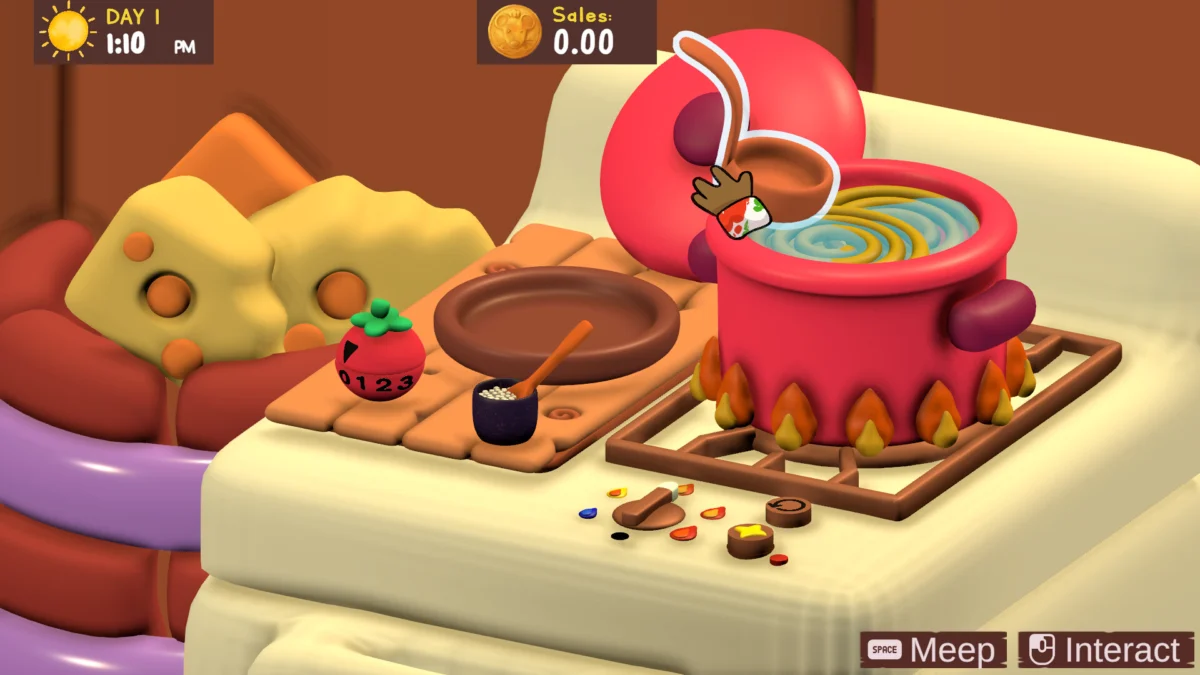
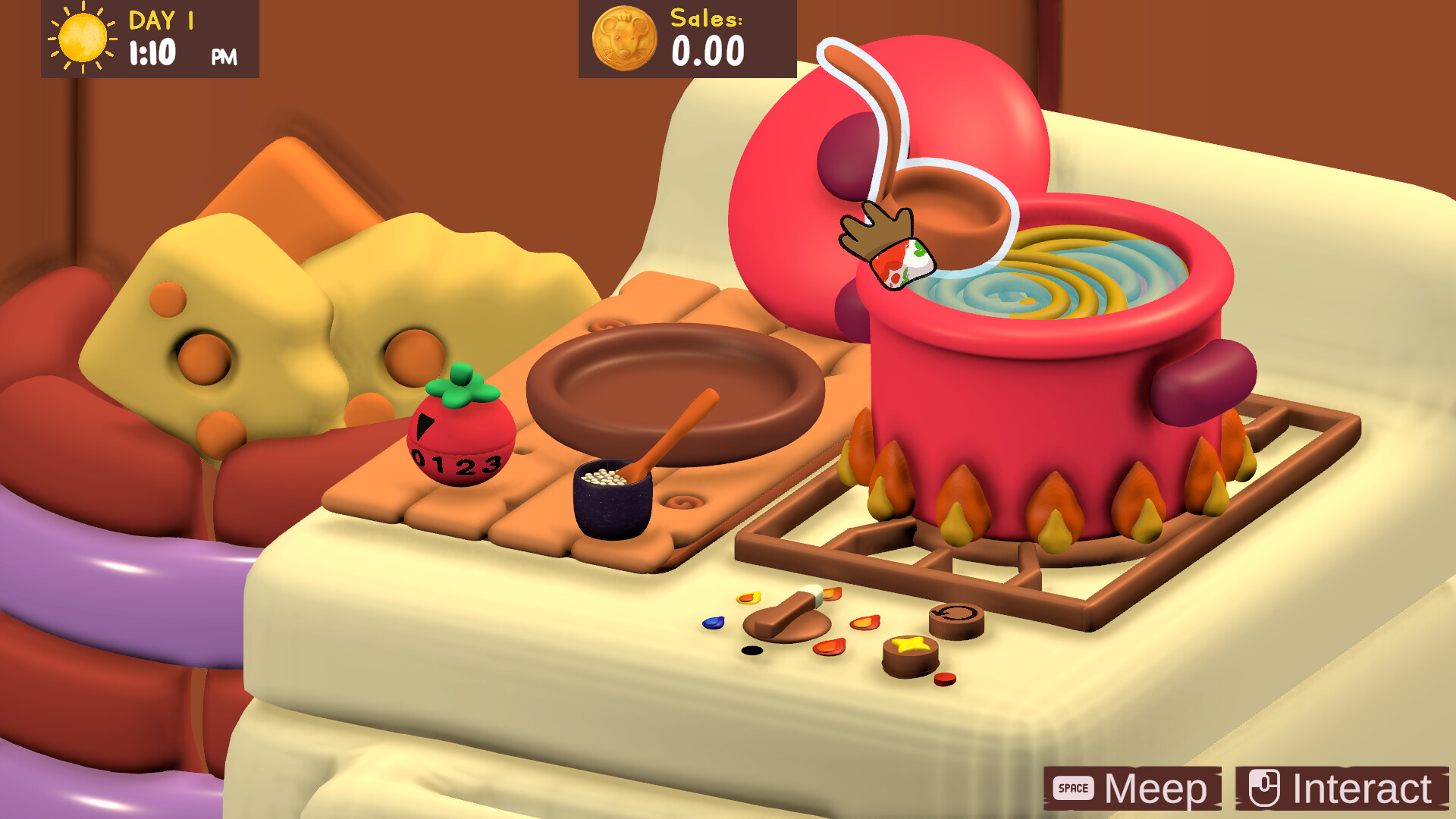
The most striking feature of Pawsta is its visual identity. The game utilizes a high-fidelity claymation style that evokes the charm of classic stop-motion animation. Every character, from the protagonist Rigatoni to the various animal patrons, appears to have been hand-sculpted. The textures are purposefully "imperfect," showing the subtle fingerprints and grooves one would expect from real modeling clay. This choice is not merely aesthetic; it creates a sense of physical presence that digital polygons often lack. When Rigatoni rolls out a slab of pasta dough, the material compresses and stretches with a satisfying, weighted realism.
Gameplay Mechanics: The Art of the Noodle
The gameplay loop is divided into distinct, tactile phases. Players do not simply click a button to "cook"; they participate in every step of the culinary process:
- Preparation: Retrieving the dough from the refrigerator and preparing the workspace.
- Processing: Using tools to roll out the dough to the desired thickness and cutting it into specific shapes.
- The Boil: Monitoring the cooking process to ensure the pasta reaches the perfect al dente texture.
- Assembly: Moving the pasta to the sauce station, where players have agency over the volume and distribution of the sauce, followed by a topping station for final garnishes.
A Stress-Free Environment
The defining mechanical difference in Pawsta is the absence of a "fail state" driven by timers. In the bustling kitchen of Rigatoni’s grandmother, customers—portrayed as various adorable animals—are remarkably patient. There are no angry meters filling up, and no penalization for taking an extra minute to ensure the sauce is spread just right. If a dish isn’t "perfect," the customer still accepts it with gratitude, though a "perfect" dish triggers a special, rewarding animation that celebrates the player’s attention to detail.
Chronology: From Concept to the Wholesome Direct
The journey of Pawsta from a niche indie concept to a highly anticipated title on the "Wholesome Direct" stage reflects the growing appetite for artistic, low-stress gaming.
- Initial Concept and Prototyping: The developers sought to create a game that felt like a "moving diorama." The decision to use a claymation-inspired art style required a unique pipeline, blending 3D modeling with shaders and animations that mimic the stuttered, tactile feel of stop-motion.
- The Wholesome Direct 2025 Reveal: Pawsta gained significant international attention when it was featured in the "Wholesome Direct" sneak peek. This event, which showcases games focused on compassion and comfort, served as the perfect platform for Rigatoni’s debut. The trailer highlighted the game’s "cozy" credentials, emphasizing the lack of timers and the gentle soundtrack.
- Steam Page Launch: Following the trailer, the game’s official Steam page went live, allowing the community to begin wishlisting the title. This phase has allowed the developers to gather feedback on the UI, leading to improvements in the "highlight" system that guides players through the kitchen’s various interactive zones.
- Current Status: As of mid-2024, Pawsta remains in active development. The team is currently expanding the game’s scope from a single restaurant to a global tour, ensuring that the "claymation" feel remains consistent across various international locales.
Supporting Data: The "Cozy" Market and Technical Implementation
To understand why Pawsta is resonating with audiences, one must look at the broader data surrounding the "cozy" genre and the technical hurdles of its specific art style.
The Rise of "Slow Gaming"
Market analysis from platforms like Steam and the Nintendo eShop shows a 25% year-over-year increase in the "Cozy" and "Relaxing" tags. Games like Stardew Valley, Animal Crossing: New Horizons, and Unpacking have proven that there is a massive, underserved demographic of players who seek "digital de-stressors." Pawsta occupies a specific niche within this market: the "Tactile Simulator." By focusing on the physical sensation of cooking rather than the management of a business, it appeals to players who find repetitive, artistic tasks therapeutic.
The Technical Challenge of Digital Clay
While Pawsta looks like stop-motion, it is built within a modern game engine. Achieving this look requires sophisticated "stop-motion shaders" that limit the frame rate of character animations while maintaining a smooth camera movement. This creates the "jitter" associated with claymation without causing motion sickness for the player. Furthermore, the physics engine must be tuned to make the pasta dough feel viscous and heavy, rather than rigid.
Accessibility Metrics
Early playtest data indicated that the game’s biggest hurdle was the clarity of its environmental cues. Unlike traditional games that use bright glowing arrows, Pawsta initially used subtle highlights to maintain immersion. However, the developers have since adjusted these visual indicators to ensure that players of all skill levels can navigate the kitchen without frustration, reinforcing the game’s commitment to accessibility.
Official Context and Developer Philosophy
While the development team remains focused on the creative process, their public communications—primarily via Steam updates and social media—reveal a clear philosophy: "Cooking is an act of love, not a race."
The developers have stated that the character of Rigatoni was inspired by the idea of generational knowledge. By helping a grandmother in the game, the player isn’t just "winning"; they are participating in a tradition. This narrative layer adds depth to what could have been a simple mechanical sim.
Furthermore, the developers have addressed the game’s difficulty curve. In official devlogs, they noted that the "difficulty" in Pawsta doesn’t come from faster timers, but from more complex recipes. As Rigatoni travels the world, players will learn to create different types of pasta and sauces from various cultures. The challenge lies in learning the sequence of a new dish, not in clicking faster. This "knowledge-based progression" is a hallmark of sophisticated indie design.
Implications: The Future of Rigatoni and the Indie Scene
The anticipated success of Pawsta carries several implications for the future of the indie gaming industry and the evolution of the simulation genre.
The "Global Culinary" Expansion
The developers have teased that the full release of Pawsta will not be confined to a single Italian-style kitchen. The game plans to take Rigatoni on a global tour, offering different culinary styles. This suggests a modular design where the "claymation" aesthetic will be applied to diverse environments—perhaps a noodle shop in a bustling clay-rendered city or a rustic mountain bakery. This expansion could turn Pawsta from a short experience into a comprehensive "culinary odyssey," potentially setting a new standard for scope in the cozy genre.
Claymation as a Resurgent Medium
Pawsta joins a small but prestigious group of games (such as Harold Halibut and The Neverhood) that utilize hand-crafted aesthetics. If Pawsta performs well commercially, it may encourage other indie developers to move away from standard pixel art or low-poly 3D in favor of more labor-intensive, "tactile" art styles. This "New Craftsmanship" movement in gaming prioritizes visual uniqueness as a way to stand out in a crowded market.
A Shift in Simulation Design
For years, the "Simulator" tag on Steam was synonymous with either high-fidelity realism (e.g., Microsoft Flight Simulator) or "job" parodies (e.g., Goat Simulator). Pawsta represents a middle ground: the "Emotional Simulator." It simulates the feeling of being in a kitchen with a loved one. This shift toward "emotional realism" suggests that future simulation games may focus more on the psychological impact of the activities they depict rather than just the mechanical accuracy.
Conclusion
Pawsta is more than just a game about making noodles; it is a testament to the power of aesthetic intentionality and the growing demand for kindness in digital spaces. By casting the player as a helpful grandson in a world made of clay, the developers have created a space where mistakes don’t matter, and the process is the prize.
As Rigatoni prepares to take his culinary skills worldwide, the gaming community watches with bated breath. In an era of "crunch" and high-pressure competitive play, Pawsta offers a gentle reminder that sometimes, the best thing you can do is take your time, roll out the dough, and make something beautiful for a hungry bunny.
Pawsta is currently in development and is available for wishlisting on Steam. Prospective players are encouraged to follow the development updates as Rigatoni prepares for his grand opening.