The Resurgence of the Collectathon: How ‘Spiny & Chilly’ is Redefining the Duo-Platformer
In the evolving landscape of independent game development, few genres evoke as much nostalgia and mechanical complexity as the 3D "collectathon" platformer. Emerging from the shadow of the 64-bit era, a new title is capturing the attention of enthusiasts and critics alike: Spiny & Chilly. A whimsical yet mechanically dense exploration game, it features an unlikely partnership between a penguin and a hedgehog. Following a successful showcase at the Bilbao International Games (BIG) Conference, the title is being positioned as a spiritual successor to the golden age of 3D platforming, blending classic design philosophies with modern technical sensibilities.
Main Facts: A Synergistic Approach to Platforming
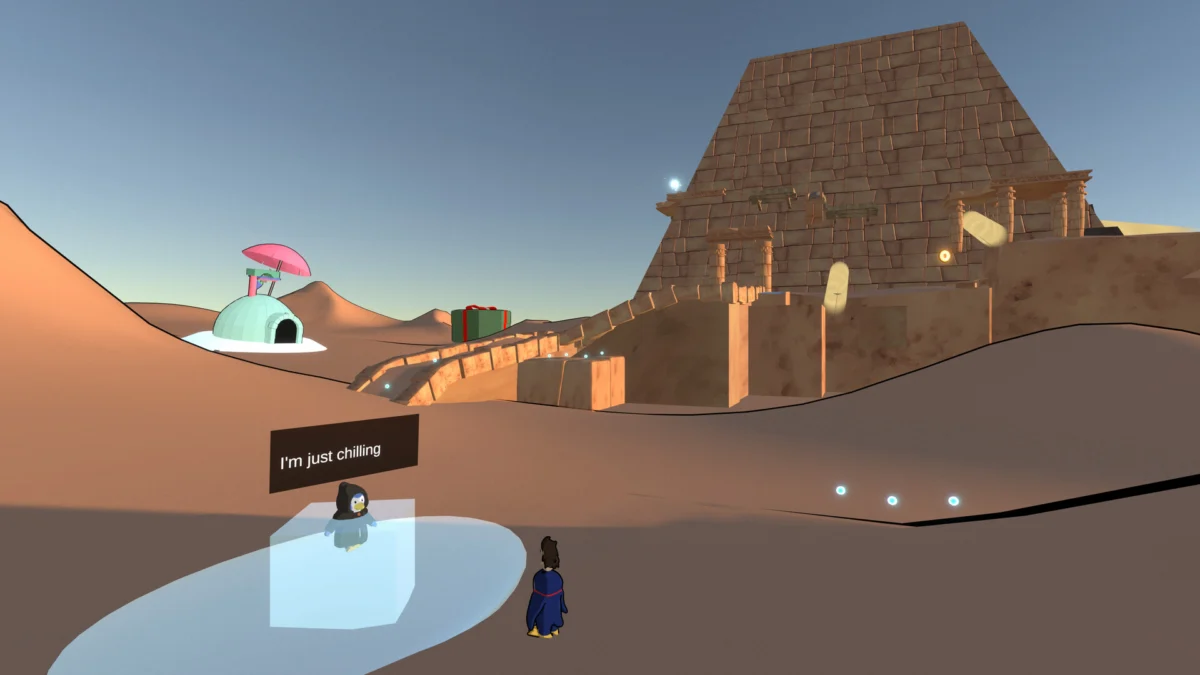
At its core, Spiny & Chilly is a single-player exploration platformer that centers on the titular duo: Chilly, a penguin driven by an insatiable need for ice, and Spiny, a hedgehog perched atop Chilly’s head. The narrative premise is as charming as it is absurd: a rival faction of penguins has orchestrated a global heist, stealing the world’s ice blocks for reasons yet to be fully disclosed. This sets the stage for a sprawling adventure across a series of interconnected, thematic biomes.
The game’s primary objective revolves around the recovery of these stolen ice blocks. Unlike many modern platformers that focus on linear progression, Spiny & Chilly leans heavily into the "collectathon" sub-genre, popularized by titles such as Banjo-Kazooie and Super Mario 64. Players are encouraged to explore every nook and cranny of the environment, solving environmental puzzles and mastering traversal mechanics to reclaim their frozen treasures.
What distinguishes the title is its "two-as-one" character model. Although the player controls a duo, they operate as a single unit, creating a unique physics profile. This synergy is essential for navigating the game’s increasingly complex verticality and its signature "gravity shift" mechanics, which challenge the player’s spatial awareness and timing.
Chronology: From Concept to the BIG Conference Spotlight
The development of Spiny & Chilly follows a trajectory common among high-potential indie projects, characterized by a transition from a passionate concept to a polished, public-facing demo.
- Inception and Prototyping: The project began with the goal of revisiting the 3D platformers of the late 1990s. The developers focused on creating a movement set that felt "weighty yet responsive," leading to the creation of the penguin-and-hedgehog pairing.
- Narrative Integration: As the mechanics solidified, the team developed the "Great Ice Heist" narrative to provide a cohesive motivation for exploration, moving away from abstract levels toward a more world-building approach.
- The BIG Conference Debut: The game’s most significant public milestone occurred at the Bilbao International Games Conference. This event served as the first major hands-on opportunity for the press and industry professionals. The developer’s presence at the conference was marked by a high degree of transparency regarding the game’s development status and its inspirations.
- Current Status: Following the positive reception in Bilbao, the game has moved into a more intensive phase of development. While a firm release date has not been set, the project has officially launched its Steam store page, allowing players to wishlist the title and follow its progress toward a full release.
Supporting Data: Mechanical Depth and World Design
The technical appeal of Spiny & Chilly lies in its commitment to "kinetic satisfaction"—the idea that simply moving through the world should be enjoyable. The developers have implemented several layers of gameplay to ensure variety and longevity.
Traversal and Physics
The movement system is built on a "momentum-plus" philosophy. Chilly’s waddle provides a base speed, but the interaction with the environment allows for sophisticated maneuvers.
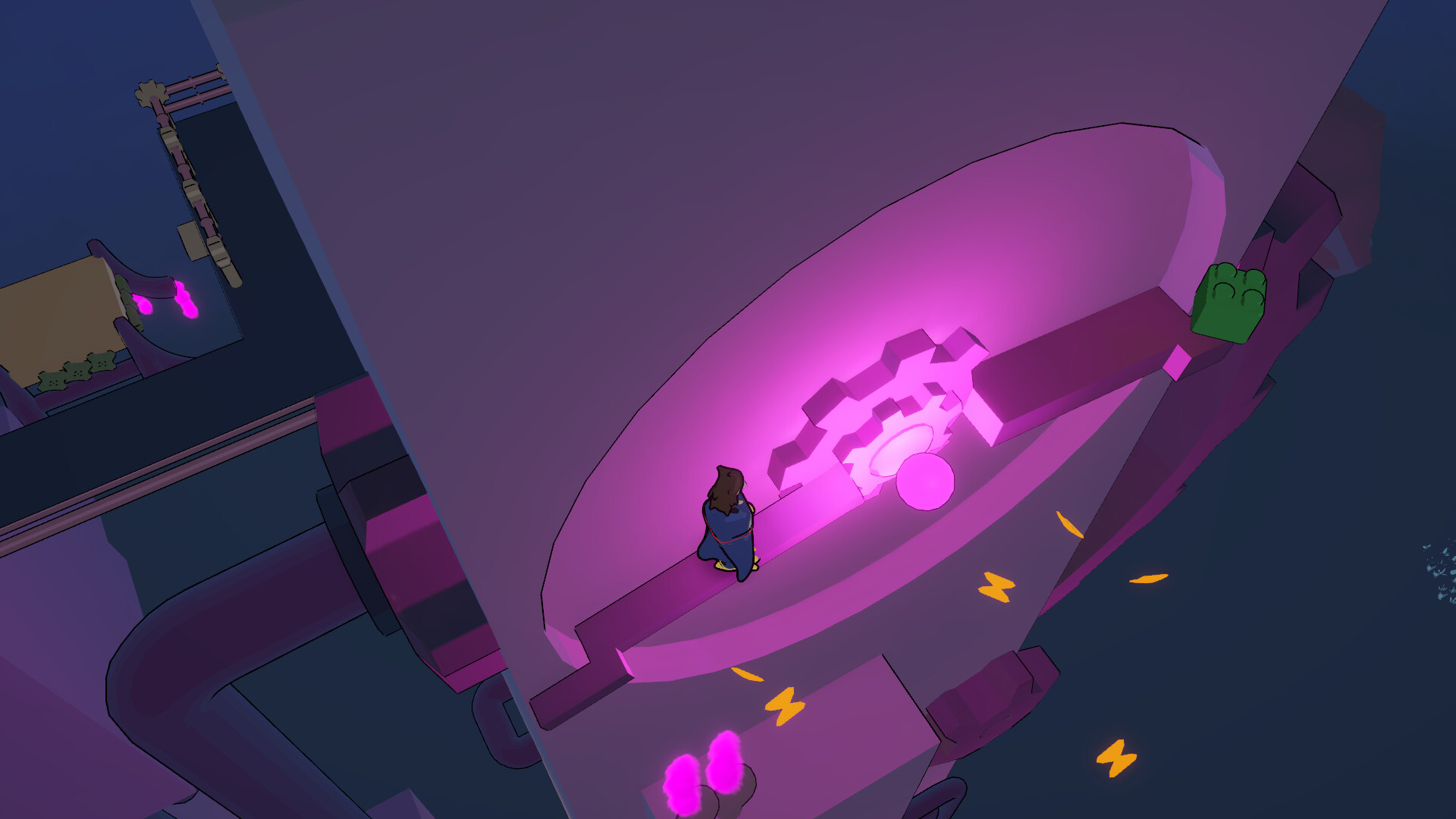
- Gravity Shifts: Certain zones within the game world allow players to flip the orientation of gravity. This requires a mental shift in how players perceive platforms, turning floors into ceilings and vice versa.
- Verticality: The game places a heavy emphasis on climbing. Whether it is ascending a crumbling tower or navigating floating islands, the level design forces players to look upward, rewarding those who can master the jump-and-bounce mechanics.
- Learning Curve: Early playtests indicate a distinct learning curve. Initial movements may feel unfamiliar due to the duo’s unique center of gravity, but mastery leads to a "flow state" where players can chain jumps and items to cross vast distances.
Environmental Variety
The world of Spiny & Chilly is divided into distinct zones, each offering unique hazards and aesthetic themes:
- Haunted Harbors: A zone that blends maritime exploration with supernatural elements, likely featuring ghost-themed puzzles and low-visibility challenges.
- Floating Islands: A test of pure platforming skill, where the risk of falling is constant and players must utilize air currents and precise jumps to navigate between suspended landmasses.
- Open Space vs. Density: The developers have acknowledged the "large" scale of the world. While some early feedback pointed toward significant open spaces between objectives, the team is reportedly working on filling these gaps with "micro-secrets"—small rewards and hidden paths that ensure the journey between major landmarks remains engaging.
Official Responses: Insights from the Development Team
During the BIG Conference, the developers provided insight into the creative engine driving Spiny & Chilly. The team emphasized that the game is a "labor of love" aimed at a specific segment of the gaming community that feels the 3D platformer genre has been underserved in recent years.
"We wanted to capture that feeling of wonder you had when you first stepped into Peach’s Castle or Spiral Mountain," one developer noted during a showcase. "But we also wanted to modernize it. It’s not just about collecting things for the sake of it; it’s about the joy of the movement required to get there."
The developers also addressed the difficulty of the game. While the aesthetic is "cute" and "wacky," the gameplay is designed to be challenging. The goal is to provide a "low floor and a high ceiling"—meaning anyone can pick up the controller and move around, but only dedicated players will find the most elusive ice blocks hidden behind high-skill platforming sequences.
Regarding the "hedgehog on a penguin" concept, the team revealed it was born from a desire to create a silhouette that was instantly recognizable. The hedgehog, Spiny, isn’t just a passenger; he represents the "sharpness" of the game’s mechanics, while Chilly represents the "cool" and fluid nature of the movement.
Implications: The Future of Indie Platforming
The emergence of Spiny & Chilly comes at a pivotal time for the indie gaming industry. Following the success of titles like A Hat in Time and Yooka-Laylee, there is a proven market for high-quality 3D platformers that eschew the hyper-realism of AAA titles in favor of stylized art and tight mechanical loops.
Market Context
For the indie sector, Spiny & Chilly represents a significant investment in "feel-good" gaming. In a market often saturated with grim-dark roguelikes and hyper-competitive shooters, a colorful, character-driven exploration game offers a necessary counterpoint. Its success could further encourage indie studios to tackle the technically demanding task of 3D environmental design, which is often more resource-intensive than 2D alternatives.
Genre Evolution
The game’s focus on gravity manipulation and duo-mechanics suggests an evolution in the genre. It isn’t merely imitating the past; it is iterating on it. By introducing puzzles that require players to think in three dimensions—literally turning the world upside down—the developers are pushing the boundaries of what a "simple" platformer can be.
Environmental Subtext
Though presented through a lens of whimsy, the "stolen ice" plot carries an unintentional (or perhaps subtle) resonance with contemporary environmental concerns. While the game remains a lighthearted romp, the central quest to "restore the ice" provides a narrative drive that feels relevant to modern audiences, even if the culprits are merely "other penguins with reasons."
Conclusion
Spiny & Chilly is more than just a quirky title with a strange premise; it is a testament to the enduring appeal of the 3D platformer. By focusing on the synergy between its two protagonists and the tactile joy of exploration, the developers are crafting an experience that honors the past while looking firmly toward the future.
As the game continues its development cycle, the industry will be watching to see if this penguin and hedgehog duo can successfully slide into the hearts of players. For now, the title remains a highly anticipated entry on Steam, promising a world where gravity is a suggestion, ice is the ultimate currency, and a hedgehog on your head is the best tool for the job.
Players interested in the project are encouraged to follow the development updates and add the game to their Steam Wishlists to support the studio’s journey from the conference floor to the global market.