Frog Sqwad: Redefining Physics-Based Chaos in the Indie Party Game Landscape
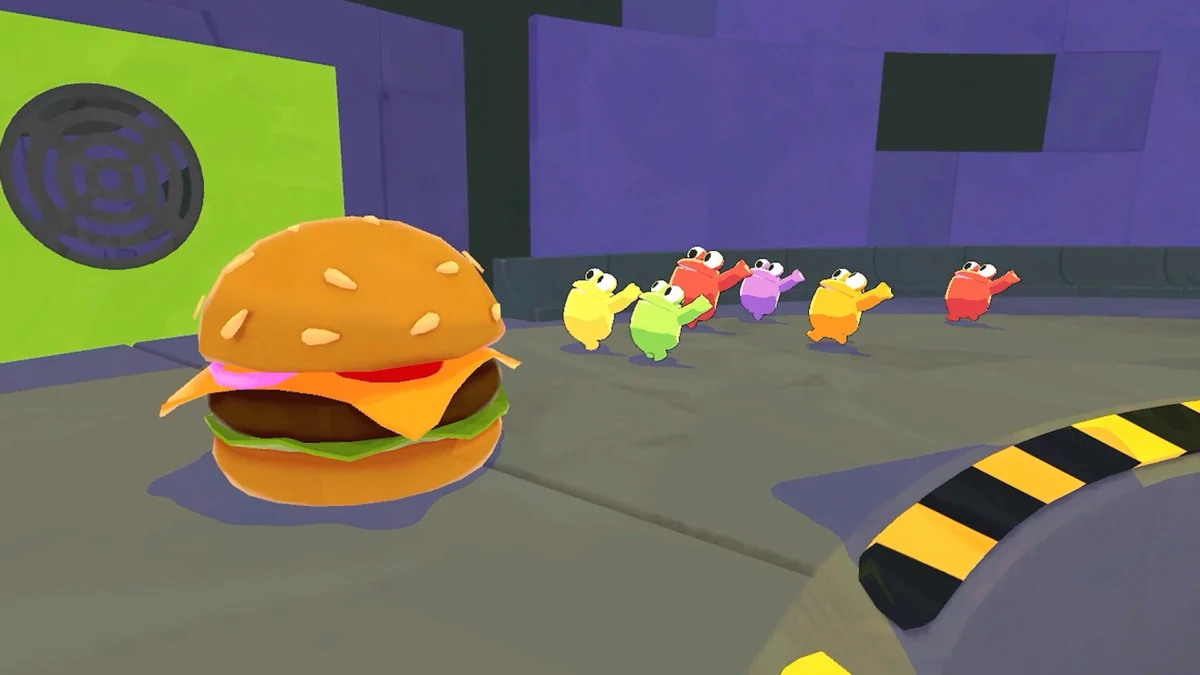
The indie gaming sector has long been a crucible for experimental multiplayer experiences, often prioritizing emergent gameplay and "fumblecore" physics over hyper-realistic graphics or traditional narrative structures. The latest entry to capture the attention of enthusiasts and critics alike is Frog Sqwad, a high-octane, co-operative party game that blends environmental puzzles with physics-based traversal. Developed with a focus on chaotic social interaction, the title challenges players to navigate a series of treacherous, procedurally generated environments to satisfy the insatiable hunger of the "Swamp King."
As the game makes its transition from high-profile showcases to a full commercial release on Steam, it offers a compelling case study in how modern indie developers are leveraging "deliberate clunkiness" to foster camaraderie and comedic frustration among players.
1. Main Facts: The Core Architecture of Frog Sqwad
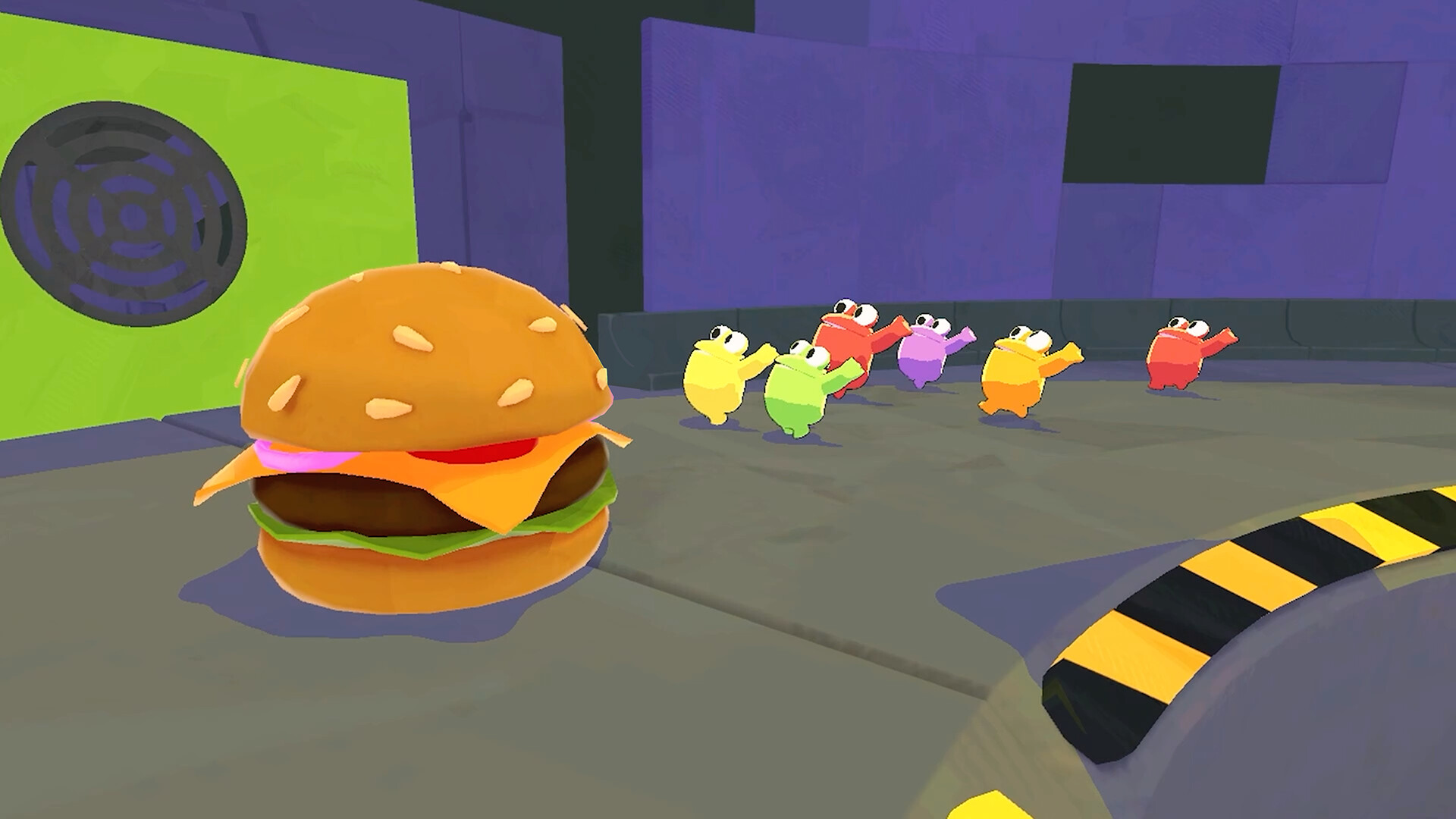
At its most fundamental level, Frog Sqwad is a physics-based platformer designed for 1 to 8 players. While a single-player mode exists for those seeking a solitary challenge, the game is explicitly architected as a social experience. Players assume the roles of colorful, customizable frogs tasked with a singular objective: gathering human food scattered throughout various levels and delivering it to a central collection bowl to meet a daily quota set by the Swamp King.
The game’s primary differentiator lies in its "sticky tongue" mechanic. This tool serves a dual purpose as both a grappling hook for navigation and a retrieval device for items. Unlike traditional platformers where movement is precise and predictable, Frog Sqwad utilizes a "floaty" physics engine. This design choice ensures that every jump and swing carries a degree of unpredictability, heightening the difficulty and the potential for slapstick humor during high-stakes maneuvers.
The objective-based gameplay is centered around a variety of food items, ranging from lightweight fries and apples to heavy, cumbersome giant eggs and hamburgers. Each item interacts differently with the game’s physics engine. Smaller items can be consumed by the players themselves, leading to a unique "growth" mechanic where a frog can transform into a massive, rolling sphere capable of destroying environmental obstacles, albeit at the cost of traditional agility.
2. Chronology: From Development Showcases to Global Launch
The trajectory of Frog Sqwad follows a classic indie development arc, characterized by community-focused testing and presence at key industry events.
- The Conceptual Phase: The development team (appearing under the banner of the Frog Sqwad project) sought to create a game that bridged the gap between the cooperative intensity of Overcooked! and the physics-driven absurdity of Gang Beasts. The goal was to create a "low-barrier, high-ceiling" experience where new players could contribute immediately, while veterans could master the nuances of the tongue-swinging physics.
- The "New Game Plus" Showcase: A pivotal moment in the game’s public lifecycle occurred during the "New Game Plus" event in London. This industry showcase allowed journalists and players to get hands-on experience with the demo. It was here that the game’s "floaty" movement was first highlighted as a polarizing yet defining feature. Critics noted that while the controls felt intentionally difficult to master, they facilitated a specific type of cooperative synergy where players had to compensate for one another’s mechanical errors.
- Steam Integration and Early Access Feedback: Following the success of the London showcase, the developers focused on refining the procedural generation algorithms. The goal was to ensure that the levels felt distinct and offered fresh challenges in every session, preventing the "memorization" that often plagues static level design in party games.
- The Official Release: Frog Sqwad recently transitioned to its full release on the Steam platform. The launch version included the full 8-player local and online multiplayer support, the complete suite of procedurally generated biomes, and the "Swamp King" quota system that serves as the game’s primary progression hook.
3. Supporting Data: Mechanical Deep-Dive and Procedural Systems
To understand the appeal of Frog Sqwad, one must examine the technical systems that drive its chaotic gameplay.
The Physics of Consumption and Transformation
The "Growth System" is perhaps the most innovative aspect of the game’s internal logic. In most party games, health is a binary state (alive or dead). In Frog Sqwad, health is tied to size.
- Standard Form: High mobility, ability to use the tongue for precision grappling.
- Giant Ball Form: Occurs after consuming excessive smaller food items. In this state, the player loses the ability to jump or use their tongue effectively but gains the mass required to break down walls and crush certain enemies. This creates a strategic layer where teams must decide who among them will "sacrifice" their mobility to become a living wrecking ball for the benefit of the group.
Procedural Generation and Environmental Hazards
The maps in Frog Sqwad are not static. Each session generates a new layout utilizing a variety of "danger modules."
- Slime Monsters: These AI-driven entities act as mobile hazards that can consume players, forcing teammates to intervene.
- Toxic Ooze and Spikes: These represent the environmental "floor is lava" elements. Because the movement is floaty, these hazards require players to time their tongue-swings with extreme care.
- Fragility Meta: Certain high-value items, such as large eggs, have "fragility" stats. Dragging them too roughly across the terrain or dropping them from heights can result in the loss of the item, forcing the "Sqwad" to restart their collection efforts.
Multiplayer Scaling
The game’s difficulty scales dynamically based on the number of players. With 8 players on screen, the screen real estate becomes a crowded mess of tongues and flying burgers. This "visual noise" is a deliberate part of the challenge, requiring clear communication among players to avoid entangling their tongues or knocking each other into hazards.
4. Official Responses: Developer Philosophy and Critic Analysis
While the developers have maintained a relatively low profile, their design philosophy is evident in the game’s execution. During the London "New Game Plus" event, discussions surrounding the game’s movement highlighted a commitment to "emergent fun."
The developers have suggested that the "floatiness" of the frogs was a conscious decision to prevent the game from feeling like a standard precision platformer. By making the characters slightly harder to control, the game forces players to interact more frequently—bumping into each other, saving each other from falls, or accidentally sabotaging a teammate’s progress. This "friction" is where the social value of the game resides.
Critical Reception
Initial reviews from the indie gaming press have been largely positive, though they carry a caveat regarding the learning curve. Analysts have noted:
- The "Chaos Factor": Most critics agree that Frog Sqwad is at its best when played with a full group of eight. The single-player mode, while functional, lacks the "magic" generated by the unpredictable actions of other human players.
- Mechanical Learning Curve: The floaty movement has been described as "ridiculously challenging" by some, suggesting that the game may have a higher barrier to entry than more polished titles like Fall Guys. However, proponents argue that this difficulty makes the eventual mastery of the tongue-swinging mechanics more rewarding.
- Visual and Auditory Polish: The "wacky" aesthetic, combined with the vibrant colors of the different frog skins, has been praised for creating a welcoming, low-stress atmosphere that contrasts with the high-stress gameplay requirements.
5. Implications: The Future of Cooperative "Fumblecore"
The release of Frog Sqwad arrives at a time when the "party game" genre is evolving. No longer content with simple mini-game collections, players are demanding deeper mechanics and higher replayability.
Impact on the Indie Market
Frog Sqwad demonstrates that procedural generation—a staple of the roguelike genre—can be successfully applied to party games to solve the problem of content stagnation. By ensuring that no two "food runs" are identical, the developers have extended the potential lifespan of the game significantly compared to titles with fixed level sets.
The Role of Social Gaming
The game’s 8-player capacity is a bold move. Most cooperative games cap out at 4 players due to the technical and design challenges of managing more participants. By doubling this limit, Frog Sqwad positions itself as a premier choice for larger social gatherings and "Streamer vs. Community" events. The inherent chaos of 8-player physics is highly "watchable," making it a strong candidate for viral success on platforms like Twitch and YouTube.
Conclusion
Frog Sqwad is more than just a game about frogs eating hamburgers; it is a calculated experiment in physics-based social engineering. It asks players to embrace failure and find humor in the "floaty" inaccuracy of their movements. While its controls may frustrate those seeking the precision of a traditional platformer, its core loop of growth, destruction, and cooperative delivery offers a refreshing take on the multiplayer genre. As it continues to grow its player base on Steam, Frog Sqwad stands as a testament to the enduring appeal of simple concepts executed with a chaotic, creative twist. The Swamp King is hungry, and for fans of indie party games, the feast has just begun.