From Service to Souvenir: How Porter Airlines is Transforming Brand Loyalty Through "The Little Things"
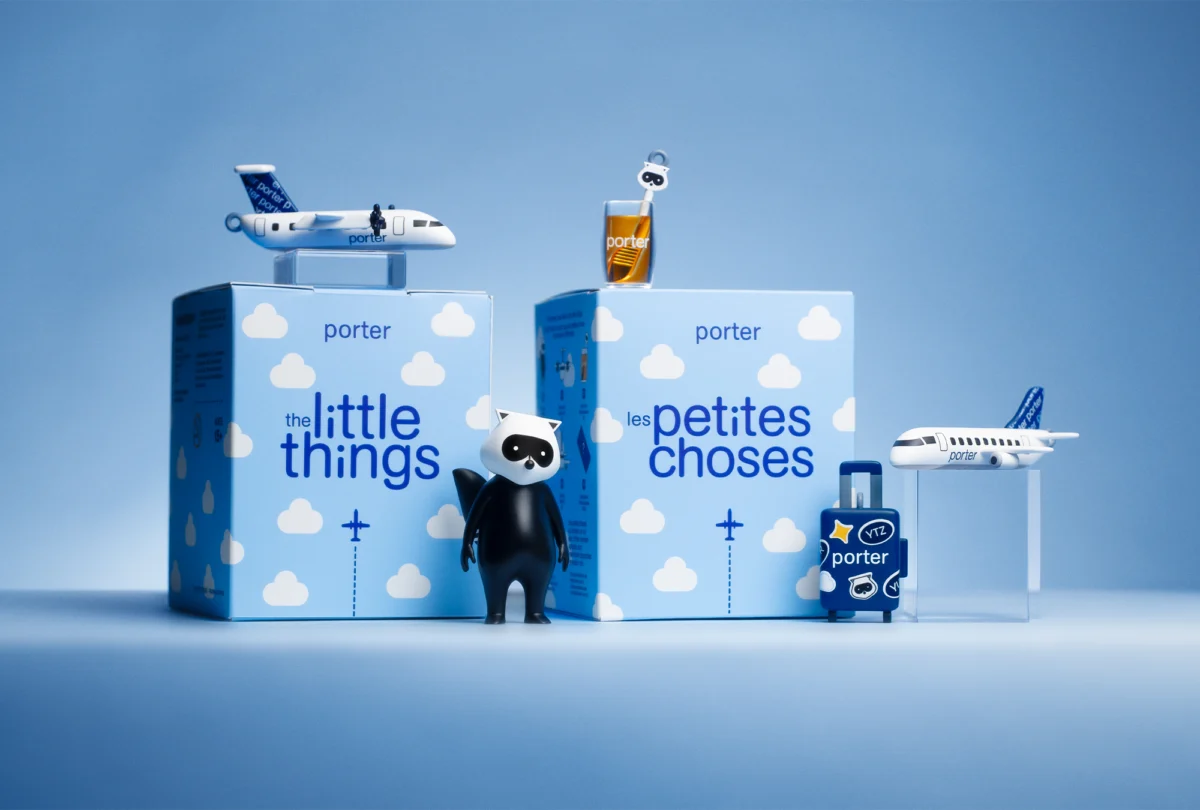
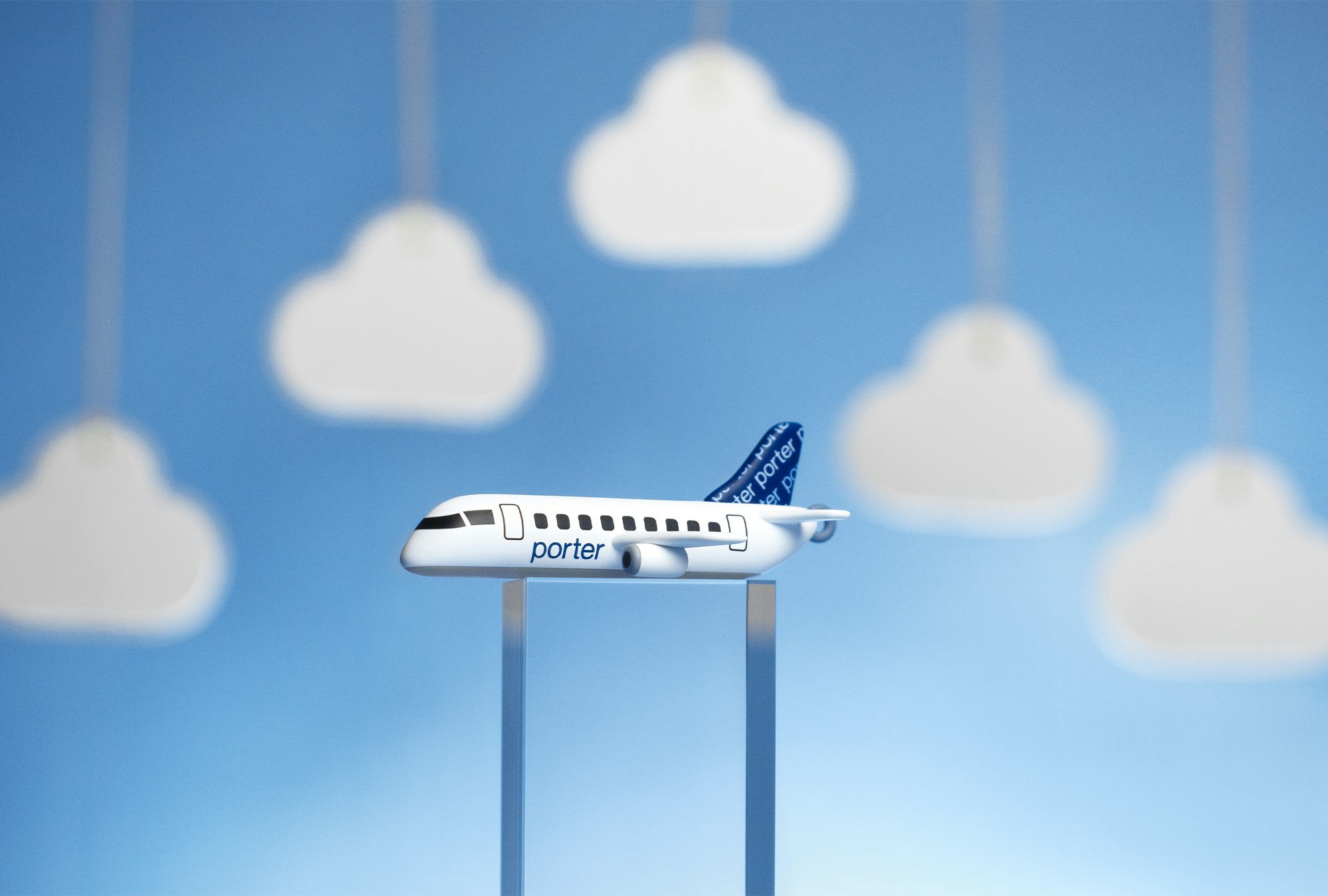
In an industry often criticized for the commoditization of the passenger experience, Porter Airlines has long positioned itself as the "civilized" alternative. Since its inception, the Canadian carrier has leveraged a boutique sensibility to disrupt the North American aviation market. To commemorate its upcoming 20th anniversary, Porter is moving beyond the cabin and into the homes of its frequent flyers. In collaboration with the Toronto-based creative agency Academy, the airline has launched a limited-edition series of "Little Things Blind Boxes"—a collection of physical miniatures that encapsulate the brand’s most iconic elements.
This move marks a significant evolution in Porter’s marketing strategy, transitioning from "The Little Things" as a service philosophy to a tangible lifestyle brand. By tapping into the "kidult" economy and the burgeoning trend of collectible blind boxes, Porter is attempting to forge a deeper, more emotional connection with a demographic that is increasingly weary of digital-only brand interactions.
Main Facts: The "Little Things" Blind Box Collection
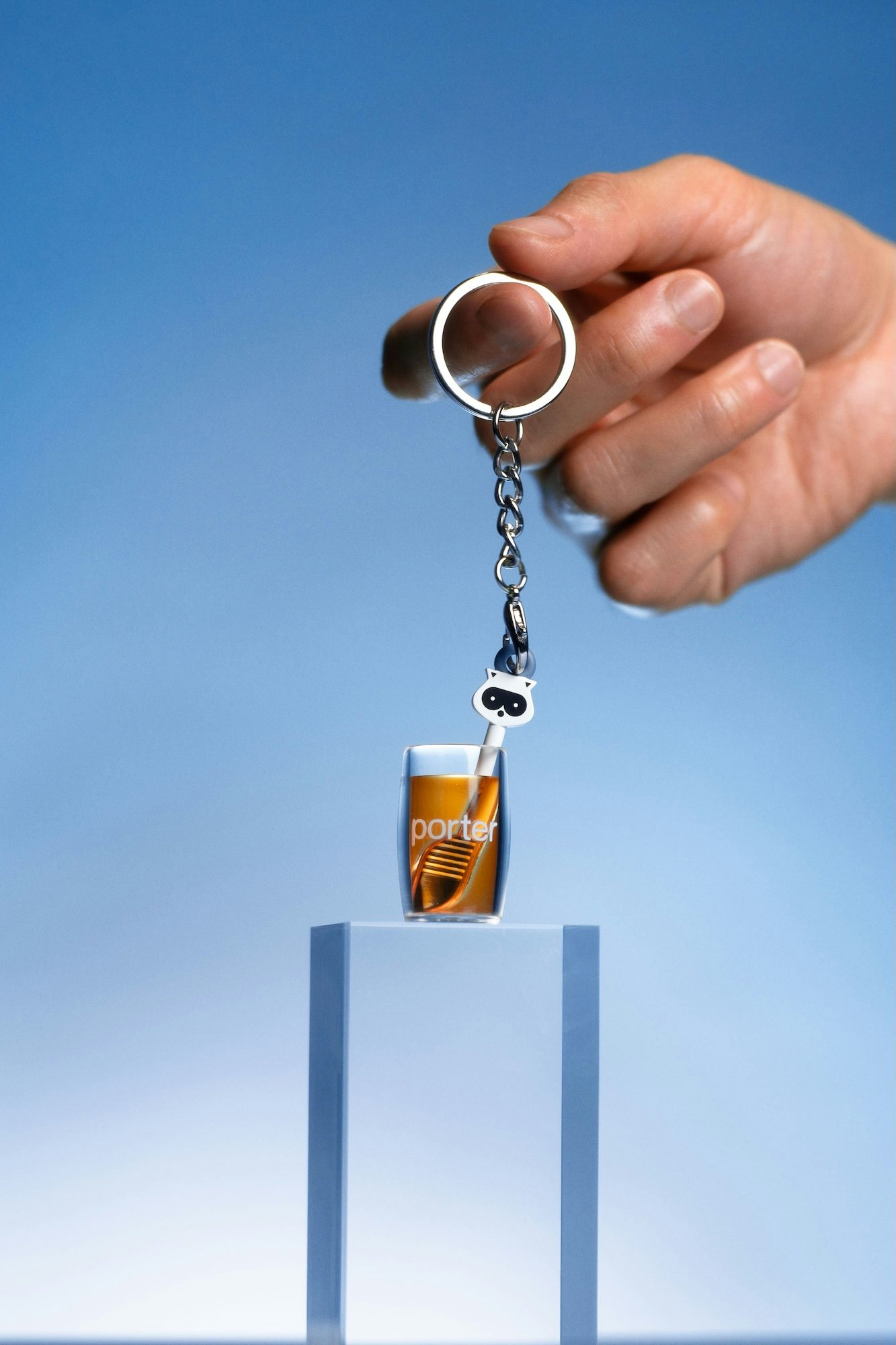
The core of the 20th-anniversary celebration is a set of five distinct collectibles, each representing a "signature touch" that has come to define the Porter experience. These items are sold in "blind boxes," a retail format where the specific content remains a mystery to the purchaser until the package is opened. This element of surprise is designed to drive engagement and encourage secondary-market trading among enthusiasts.
The Collectibles
The collection, manufactured by the specialized firm Makeship, includes:
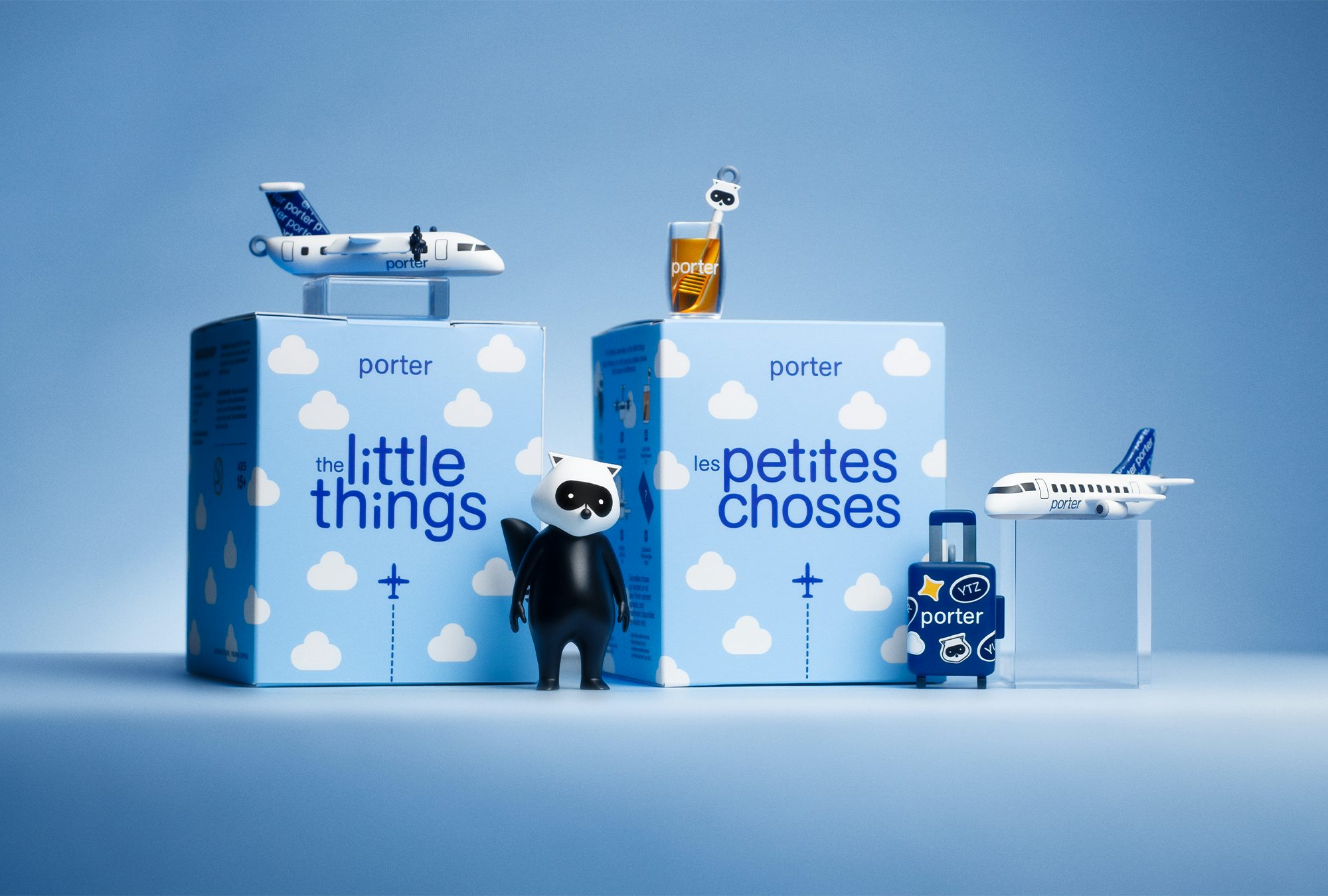
- The Miniature Aircraft: Scaled-down versions of Porter’s fleet, including the foundational De Havilland Dash 8-400—the turboprop that built the airline’s reputation at Billy Bishop Toronto City Airport—and the newer Embraer E195-E2, which represents the airline’s recent expansion into long-haul North American markets.
- The In-Flight Experience: Miniature replicas of Porter’s glassware and premium snacks. This is a direct nod to the airline’s "economy-plus" model, where beer and wine are served in actual glass rather than plastic, even in the main cabin.
- The Mascot: A miniature version of "Mr. Porter," the airline’s sophisticated raccoon mascot. Mr. Porter has been a staple of the brand’s visual identity since day one, personifying the "mischievous yet refined" spirit of the airline.
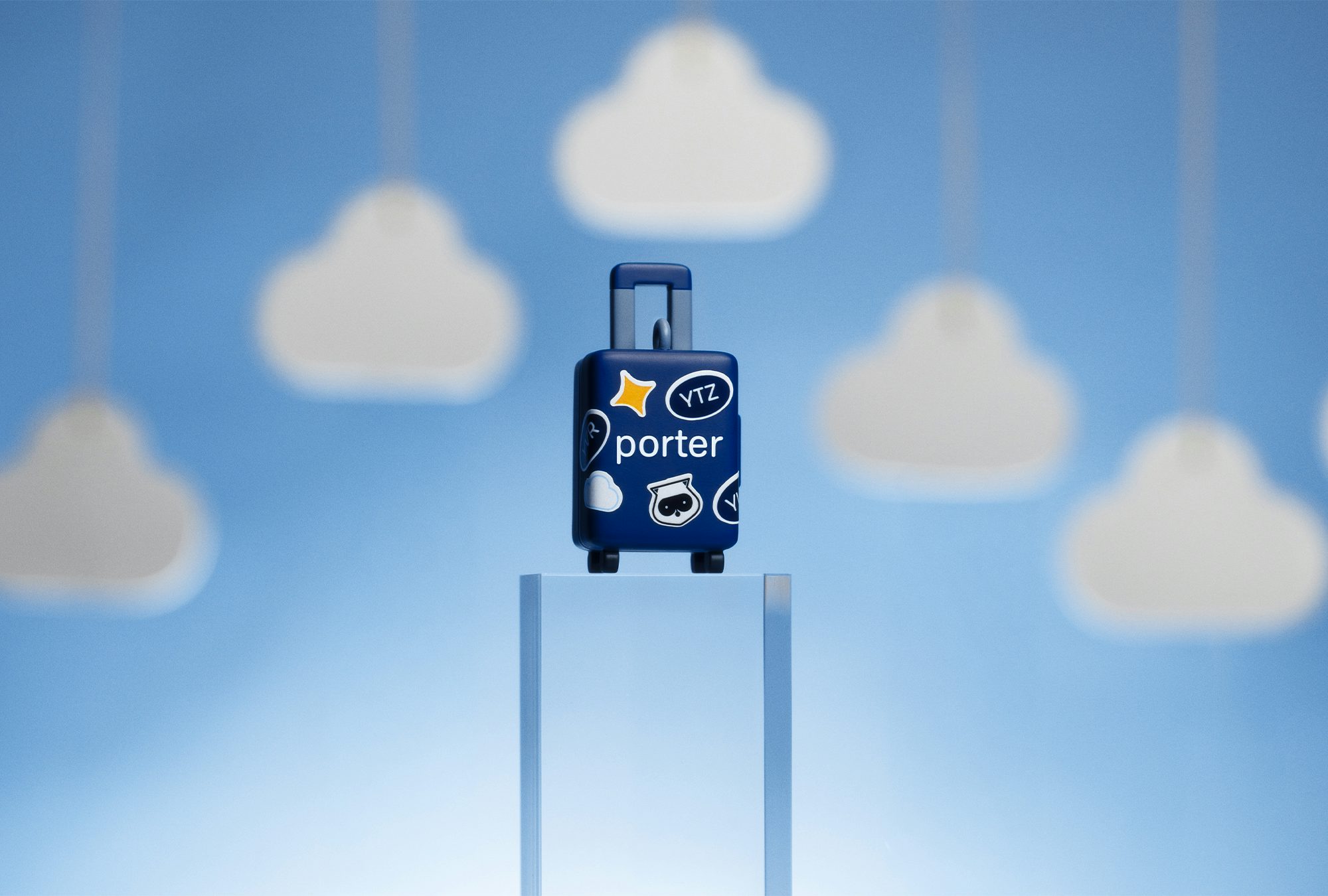
- The Luggage: A tiny replica of Porter-branded suitcases, emphasizing the airline’s focus on the journey as much as the destination.
The "Golden Porter Pass"
Adding a high-stakes layer to the campaign, Porter has included a "Golden Porter Pass" in select boxes. With a one-in-500 chance of discovery, the pass is a modern-day "Golden Ticket" that grants the winner 20 free flights to any destination within the Porter network. Given that Porter’s network now stretches from Victoria, B.C., to Florida and California, the value of this prize is substantial, further incentivizing the initial purchase.
Chronology: Two Decades of "Civilized" Aviation
To understand the significance of the "Little Things" campaign, one must look at the trajectory of Porter Airlines over the last two decades.
2006: The Launch of a Disruptor
Porter Airlines officially took flight in 2006, operating out of Billy Bishop Toronto City Airport (YTZ). At a time when major carriers were cutting costs and stripping away amenities, Porter entered the market with a counter-intuitive proposition: premium service for all passengers. The use of the De Havilland Dash 8-400 allowed for short-haul efficiency, while the terminal experience—complete with free lattes and snacks—redefined the expectations of the business traveler.
2010–2022: Consolidating the Niche
For over a decade, Porter remained a regional powerhouse. It became synonymous with the Toronto-Montreal-Ottawa "corridor" and built a cult following. During this period, the brand established its "Little Things" philosophy. While other airlines charged for every "extra," Porter maintained free snacks, no middle seats (due to the 2-2 configuration of the Dash 8), and complimentary alcoholic beverages.

2023: The "Little Things" Platform
Last year, Porter formalized its service philosophy into a comprehensive brand platform titled "The Little Things." Developed by Academy, the platform focused on the micro-moments of joy in travel—the clink of a glass, the extra legroom, and the absence of a middle-seat passenger. This campaign served as the bridge between Porter’s regional past and its transcontinental future.
2024–2026: The 20th Anniversary and Expansion
As the airline approaches its 20th anniversary (marking two decades since its 2006 founding), it is in the midst of its most aggressive expansion. With the acquisition of a massive fleet of Embraer E195-E2 jets, Porter is now competing directly with Air Canada and WestJet on transcontinental routes. The Blind Box campaign is the physical manifestation of this growth, celebrating where the airline started while inviting new passengers into the brand’s inner circle.
Supporting Data: The Power of Physicality and "Kidult" Trends
The decision to release physical toys may seem unconventional for an airline, but it is backed by significant consumer trends.
The Rise of the Blind Box
The global blind box market has seen exponential growth, driven by brands like Pop Mart and Funko. According to market research, the "designer toy" sector is a multi-billion dollar industry. The appeal lies in the "unboxing experience," a phenomenon that generates millions of views on social media platforms like TikTok and Instagram. By adopting this format, Porter is positioning itself to go viral among younger, design-conscious travelers.
The "Kidult" Economy
Recent data from the Toy Association suggests that "kidults" (adults who buy toys for themselves) are the fastest-growing segment of the toy market. This demographic values nostalgia, high-quality craftsmanship, and brand identity. For Porter, this is a perfect overlap with their target audience: urban professionals who appreciate the "retro-cool" aesthetic of the airline’s branding.
Brand Loyalty Beyond the Cabin
Studies in consumer psychology suggest that physical objects create a stronger "brand recall" than digital advertisements. When a passenger has a miniature "Mr. Porter" on their desk or a tiny Porter plane on their bookshelf, the brand remains "top of mind" long after the flight has landed. This is particularly crucial in a competitive airline industry where loyalty is often flighty and price-driven.
Official Responses: Moving Beyond Advertising
Leaders at Academy, the agency behind the campaign, emphasize that this project was about more than just "merch." It was about creating a bridge between the service experience and the customer’s identity.
Sabrina Babooram, Partner and Head of Strategy at Academy, noted that the platform was designed to celebrate the nuances that make Porter unique. "Porter’s ‘The Little Things’ platform celebrates the details that make flying economy feel different," Babooram stated. "The blind boxes turn those familiar moments of joy into something people can actually hold, moving the brand from something passengers experience to something they identify with. That’s when a brand platform starts to live beyond advertising."
The collaboration with Makeship, a manufacturer known for creator-led and niche collectibles, further underscores the airline’s commitment to quality. By avoiding mass-market plastic trinkets and opting for high-quality, limited-edition items, Porter maintains its "premium" positioning even in the toy aisle.
Implications: A New Era for Corporate Identity
The "Little Things" Blind Box campaign has broader implications for how corporations, particularly in the service sector, approach branding in the mid-2020s.
The "Mascotization" of Brands
The popularity of "Mr. Porter" reflects a return to the era of strong corporate mascots. In a digital world, characters provide a "face" for an otherwise faceless corporation. The source text notes the "Jimothy" sensation—a recent viral trend involving raccoons—suggesting that Porter is successfully tapping into current cultural memes to keep its mascot relevant.
Luxury in the Economy Tier
Porter’s success with this campaign reinforces the idea that "economy" does not have to mean "low quality." By fetishizing the elements of their economy service (the glassware, the snacks), Porter is telling its customers that their comfort is a "collectible-worthy" experience. This psychological reframing is a powerful tool in defending against low-cost carriers that compete solely on price.
The Shift to Tangible Connection
As consumers face "digital fatigue," the value of a physical, tactile object increases. For an airline, whose product is essentially an invisible service (transportation), creating something physical is a way to "anchor" the brand in the real world. If successful, this campaign could lead to a trend of "lifestyle aviation," where airlines sell not just tickets, but a curated aesthetic that passengers want to incorporate into their daily lives.
Conclusion
Porter Airlines’ 20th-anniversary campaign is a masterclass in brand extension. By identifying the "Little Things" that passengers love and shrinking them down into collectible treasures, Porter and Academy have created a campaign that is both a nostalgic look back and a strategic leap forward. As the blind boxes begin shipping in November, they will carry with them the weight of 20 years of "civilized" travel, proving that in the world of aviation, the smallest details often leave the largest impression.