
The Return of the Brooklyn Underground: BODEGA and the Quest to Revive the Spirit of Indie Comics
The landscape of New York City’s comic book culture has long been a tale of two cities. On one side stands the gargantuan, corporate-backed spectacle of New York Comic-Con, a commercial titan that occupies the Javits Center with the weight of Hollywood blockbusters. On the other lies a fragmented, resilient, and deeply localized network of zine fests, library showcases, and bar-room readings. Yet, for nearly seven years, a specific void has lingered in the heart of Williamsburg—a void left by the 2019 departure of Comic Arts Brooklyn (CAB).
In April 2026, a new coalition of industry heavyweights and indie stalwarts announced a formal bid to reclaim that lost ground. Led by James Tynion IV, the Eisner-winning writer and founder of Tiny Onion Studios, the newly formed Brooklyn Organization Dedicated to the Endurance of Graphic Arts (BODEGA) has arrived not just to host a convention, but to establish a permanent nonprofit infrastructure for the city’s cartoonists. Their flagship event, the Brooklyn Expo of Comics (BEC), is set to debut in November 2026, returning to the hallowed grounds of the Our Lady of Mount Carmel Church—the very site where CAB once flourished.
Main Facts: A New Institutional Anchor for Indie Comics
BODEGA is not merely a promotional vehicle for a weekend show; it is a 501(c)(3) nonprofit designed to address the systemic fragility of the independent comics scene. While the Brooklyn Expo of Comics serves as its most visible output, the organization’s mission statement encompasses a broad suite of creator-centric initiatives.
The core components of the BODEGA launch include:
- The Brooklyn Expo of Comics (BEC): A curated, two-day festival in November focused on small press, zines, and alternative graphic literature.
- The BODEGA CAT (Comics Art Trophy): An annual award ceremony featuring direct financial grants for creators, intended to alleviate the economic pressures of living and working in New York City.
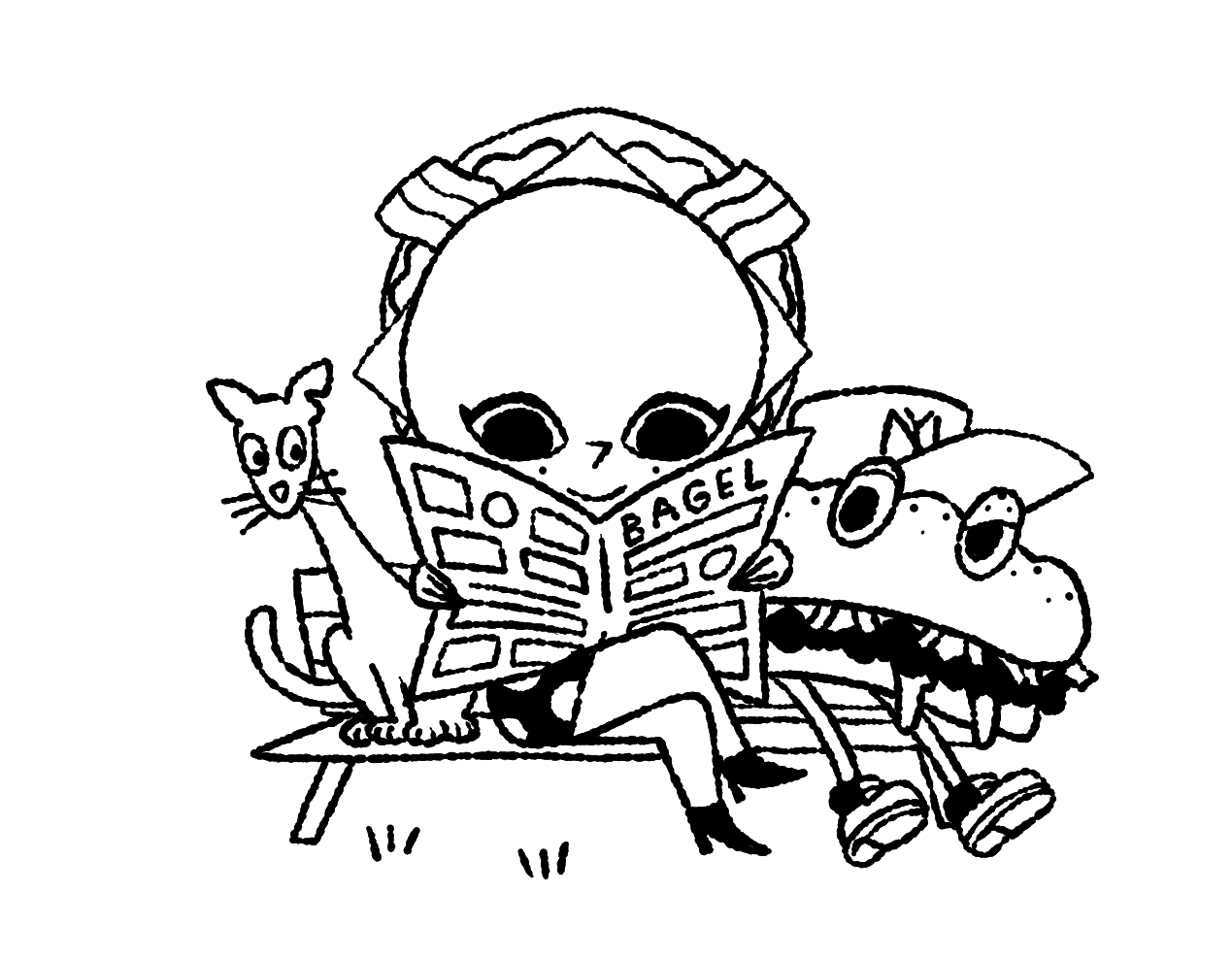
- The BAGEL (Brooklyn Annual of Graphically Elevated Literature): A yearly anthology featuring work from the expo’s exhibitors, with proceeds funneling back into the nonprofit’s grant pool.
- Educational and Community Programming: Plans for artist talks, live readings, and financial literacy workshops for creators, operating year-round.
The organization is chaired by Tynion, with a board of directors that bridges the gap between mainstream success and underground credibility. Key members include Courtney Menard (Production Director for Tiny Onion and former CAB co-curator), Bryce Gold (Tiny Onion), illustrator Christina Lee, literary agent Paloma Hernando, and Gabe Fowler, the owner of Desert Island Books and founder of the original CAB.
Chronology: From the Ashes of CAB to the Birth of BODEGA
The road to BODEGA began with the quiet dissolution of Comic Arts Brooklyn. After its final show in November 2019, the combination of the COVID-19 pandemic and shifting logistics saw the festival enter an indefinite hiatus. While smaller events like the Brooklyn Independent Comics Showcase (BICS), Frog Farm, and PictoBeach Bazaar emerged to keep the flame alive, none possessed the specific "festival" gravity—the mixture of high-level curation and international draw—that CAB had mastered.
The genesis of the revival occurred in 2023. During a walk in Brooklyn, Courtney Menard pitched the concept of the "Brooklyn Expo of Comics" to James Tynion IV. At the time, Tynion’s Tiny Onion Studios was rapidly expanding into a powerhouse of independent publishing (The Nice House on the Lake, The Department of Truth). However, both Menard and Tynion recognized that the "next generation" of Brooklyn creators was lacking a centralized platform.
What followed was a multi-year administrative marathon. Securing 501(c)(3) status from the IRS took nine months, a period during which the team refined their "five-year plan." By April 2, 2026, BODEGA officially opened applications for the inaugural BEC. The response was immediate and overwhelming; within weeks, the organization received over 600 applications for a limited number of exhibitor slots, signaling a profound hunger for a curated Brooklyn show.
Supporting Data: The Shifting Geography of the New York Scene
The decision to anchor BODEGA in Brooklyn is a calculated response to the changing demographics of the New York art world. Historically, Manhattan was the epicenter of the city’s creative life, a fact reflected in the location of the Society of Illustrators and its annual MoCCA Fest. However, as Bryce Gold noted in recent discussions, the actual community of working cartoonists has almost entirely migrated across the East River.
"MoCCA and the Society of Illustrators exist in Manhattan because that’s where the artists used to live," Gold observed. "I can’t point to one artist that still lives in Manhattan… the community lives in Brooklyn."
By returning to Williamsburg, BODEGA aims to lower the barrier to entry. While MoCCA remains a prestigious fixture, the high costs of Manhattan venues often translate into higher table fees for exhibitors. BODEGA’s nonprofit status and donor-backed model are intended to keep fees accessible for zinesters and self-publishers, ensuring that the "indie" label remains more than just an aesthetic.
Furthermore, the involvement of Gabe Fowler provides the BEC with a crucial link to the past. As the proprietor of Desert Island, Fowler has been the curator of Brooklyn’s "neo-underground" for nearly two decades. His endorsement and role as programming coordinator for the BEC ensure that the new festival maintains the high standard of artistic "trust" that defined the CAB era.
Official Responses: A Vision of "Artistic Philanthropy"
James Tynion IV is aware of the irony of a "Batman" writer leading an indie nonprofit, but he views BODEGA as a way to reinvest the capital of the mainstream into the health of the underground.
"One of the big things that I think COVID did to a lot of our peers is that it was a moment that a lot of us had the realization that we had to stop waiting for older organizations and older companies to make room for the next generation," Tynion stated. "If we want there to be a successor show to CAB, then we should go create the successor show."
The organization’s leadership emphasizes that BODEGA is not interested in intellectual property (IP) or "marketable properties." Unlike traditional conventions that serve as "meat markets" for film and TV scouts, BODEGA’s grants and exhibitions are designed to support art for art’s sake.
Courtney Menard, who will oversee much of the festival’s logistics, highlighted the importance of longevity. "I’m hoping that we can have some longevity in the scene. People get wary about new endeavors like this—they burn out fast. But we have a really good sense of pie-in-the-sky ambitions while also being grounded and focused."
The BEC’s programming is already taking shape, with marquee guests like Chris Ware and Lisa Hanawalt slated to appear. However, the board remains committed to the "Brooklyn identity," with plans for showcases of original comic art in local galleries and partnerships with historical societies to document the borough’s rich creative history.
Implications: The Future of the "Brooklyn Comic"
The launch of BODEGA marks a significant maturation of the Brooklyn comics scene. It suggests that the community is moving away from a "DIY-only" mindset toward a more structured, sustainable model of institutional support. By combining the logistical expertise of a successful studio like Tiny Onion with the curated sensibilities of Desert Island, BODEGA is attempting to create a "Third Way" for comics: one that is professionally managed but artistically uncompromising.
The success of this venture will likely depend on its ability to build a diverse donor base. Tynion has indicated that the organization aims to raise six figures annually to fund its grant programs. If successful, BODEGA could serve as a blueprint for other cities—like Chicago, Portland, or Austin—looking to protect their local creative ecosystems from the pressures of gentrification and commercialization.
As the BEC prepares to open its doors this November, the question of "What is a Brooklyn comic?" remains central. For the founders of BODEGA, the answer lies in the "itch" to create without permission. By removing the financial and logistical barriers to that creation, BODEGA isn’t just bringing back a convention; it is attempting to ensure that Brooklyn remains a place where the next generation of cartoonists can afford to dream in ink and paper.
The Brooklyn Expo of Comics represents more than a weekend of sales; it is a declaration of endurance for an art form that, despite the digital shift, still finds its most vibrant expression in the hands of a creator at a folding table in a Williamsburg church basement.


Leave a Comment