The Rise of ‘Indie Slop’: How Toxic Gaming Vernacular is Reshaping Film Criticism
The digital landscape of 2026 is witnessing a profound and troubling linguistic shift. As generative artificial intelligence (AI) continues to saturate the internet with low-effort content, a new derogatory shorthand has emerged to dismiss not just machine-made imagery, but the genuine efforts of human creators. The term is "indie slop," and its migration from the vitriolic fringes of the gaming community to the heart of film discourse signals a dangerous new era for independent cinema.
While "AI slop" has become a recognized label for the uncanny, synthesized output of algorithms, "indie slop" carries a more insidious weight. It suggests that work produced by real people, often through immense personal sacrifice and visible effort, should be discarded as worthless. This linguistic trend reflects a broader cultural exhaustion and an alarming "flattening" of artistic value in an era of overproduction and economic instability.
Main Facts: The Devaluation of Human Effort
The emergence of "indie slop" as a common insult represents a pivot in how audiences interact with independent art. Historically, "indie" was a badge of honor, signifying creative autonomy and a rejection of corporate homogeneity. Today, however, the term is increasingly used as a weapon of wholesale dismissal.
The term functions by conflating three distinct issues:

- Marketplace Saturation: The sheer volume of content available on platforms like Steam for games or VOD for films.
- Visual Fidelity: A rejection of lower-budget aesthetics that do not mimic the polished look of "AAA" or major studio productions.
- Critical Cynicism: A refusal to engage with narrative sincerity, often labeling emotional earnestness as "cringe" or "slop."
In the film world, this has manifested most cruelly in the comments sections of Kickstarter campaigns and vertical video reviews on platforms like TikTok. Emerging filmmakers, who already face an uphill battle for visibility, now find their work preemptively categorized as "slop" before it is even watched. This dismissal is not based on traditional critique—which engages with the text—but on a reflexive rejection of the project’s right to exist within a cluttered marketplace.
Chronology: From GamerGate to the Silver Screen
To understand the rise of "indie slop," one must look back at the evolution of online gaming culture over the last decade.
The Late 2010s: The Seeds of Toxicity
The term’s roots are inextricably linked to the aftermath of #GamerGate, a period characterized by intense hostility toward creators and critics who sought to diversify the gaming medium. During this time, digital storefronts like Steam began to lower the barriers to entry, leading to an explosion of independent titles. While this democratized development, it also led to "marketplace clutter."
2020–2024: The Era of Shovelware and Asset Flips
As accessible engines like Unity and Unreal became industry standards, the market saw a rise in "shovelware"—cheap titles produced in bulk—and "asset flips," games assembled from premade store materials with minimal transformation. The community developed precise terminology for these: "clones" (imitations of hits) and "cash grabs" (exploitative trends). "Indie slop" emerged as a "catch-all" term that eventually lost its specificity, becoming a generic insult for any game that failed to meet the visual or mechanical standards of high-budget titles like Call of Duty.

2025–2026: The Migration to Film
By early 2026, the term began appearing with regularity in film circles. The catalyst was a combination of "AI paranoia" and the changing economics of Hollywood. As major studios reduced their output and retreated from mid-budget dramas, indie artists were forced into more public, grassroots funding models. This visibility made them easy targets for a gaming-adjacent audience that had been conditioned to view "indie" as synonymous with "amateur clutter."
Supporting Data: An Industry Under Siege
The rise of "slop" rhetoric is happening against a backdrop of severe economic contraction in the creative industries. Data suggests that the hostility of the audience is a mirror of the instability of the labor market.
- Employment Instability: According to the GDC 2026 State of the Game Industry survey, 28% of worldwide respondents have been laid off within the last two years. In the United States, that figure rises to nearly one-third.
- The Self-Funding Burden: The GDC’s 2025 survey revealed that more than 50% of independent developers used their own personal savings to fund their projects. This "self-imposed crunch" highlights the extreme personal risk involved in independent creation—the very labor that "indie slop" rhetoric mocks.
- The Production Dip: In the film sector, production levels in 2026 remain significantly lower than pre-pandemic averages. Major financiers have retreated, leaving a void that independent distributors and crowdfunding platforms are struggling to fill.
When an audience calls a film "indie slop," they are often dismissing a project that represents the director’s life savings and years of uncompensated labor. The term functions to reward the concealment of struggle; if a project’s budget limitations are visible, it is "slop." If it looks expensive—regardless of how many people were laid off to make it so—it is "content."
Industry Responses: The Warning from the Front Lines
Industry professionals are increasingly vocal about the dangers of this linguistic shift. During a recent editorial summit at IndieWire, Associate Editor Sarah Shachat noted, "What’s happening to games now is coming to the film industry in six months." This prediction seems to be coming true as the "slop-ification" of art accelerates.

The Eli Roth / ‘Ice Cream Man’ Controversy
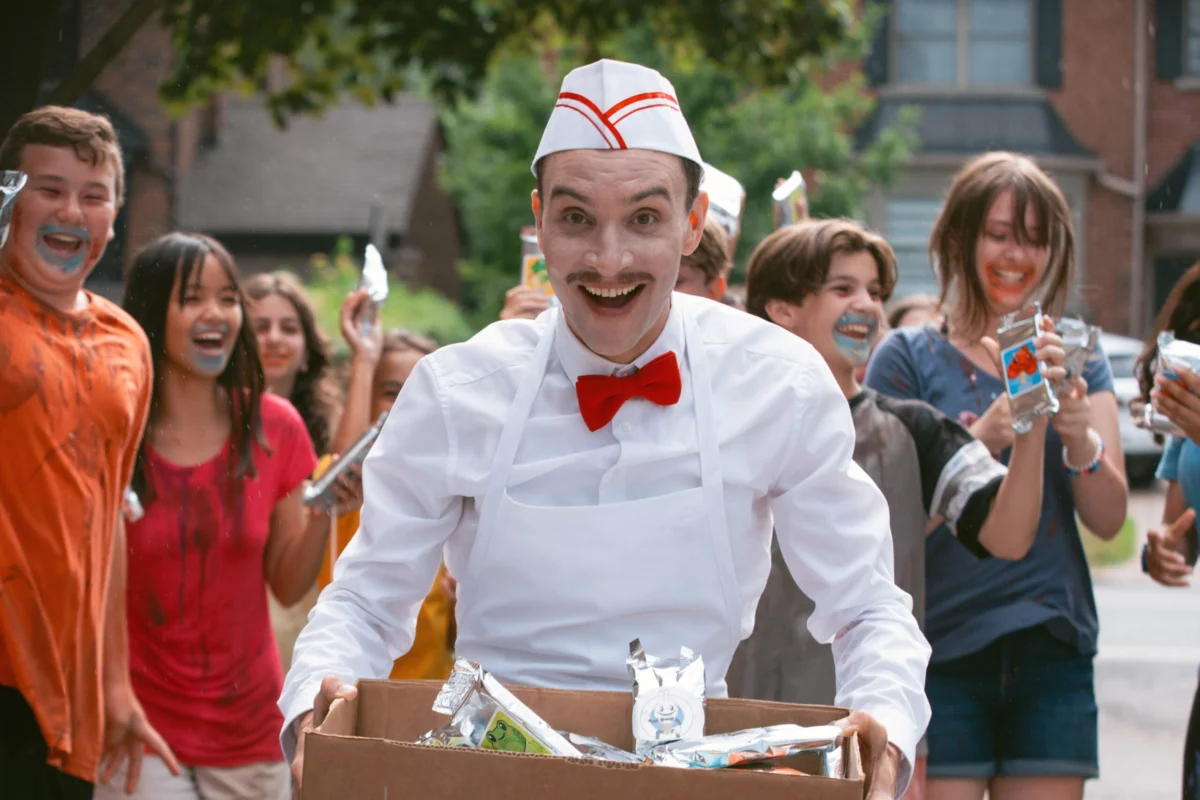
A high-profile example of this phenomenon occurred with director Eli Roth and his independent genre label, The Horror Section. Roth’s film Ice Cream Man (2026) became a lightning rod for "AI slop" accusations. Despite the film being a product of human labor, the critical climate has become so paranoid that any independent film with a distinct or "unusual" aesthetic is immediately scrutinized for "philosophical smoking guns"—namely, the use of generative AI to cut corners.
The satirical outlet The Onion highlighted this absurdity with the headline: "Eli Roth Admits Most Of ‘Ice Cream Man’ Not Made Using AI." The joke underscores a grim reality: we have reached a point where creators must prove their work was made by humans, and even then, it may still be dismissed as "slop" if it doesn’t meet the standards of the corporate mainstream.
Reclaiming the ‘Slop’?
Interestingly, some corners of the gaming world have attempted to reclaim the term. The rise of "friendslop"—inexpensive co-op games like Peak or R.E.P.O.—has seen fans embrace the "slop" label as a badge of chaotic, unpretentious fun. In film, this mirrors the audience reaction to movies like Five Nights at Freddy’s or A Minecraft Movie, where the theatrical experience is defined by collective reaction rather than traditional "high art" standards. However, for most independent filmmakers, the "slop" label remains a death sentence for professional credibility.
Implications: The Death of Nuance and the ‘Flattening’ of Art
The implications of "indie slop" rhetoric extend far beyond hurt feelings in the comments section. It represents a fundamental shift in the relationship between the artist and the audience.

1. The Erosion of Critical Vocabulary
When "slop" becomes the primary descriptor for art we don’t like, we lose the ability to engage in meaningful criticism. Traditional critique explores why a film fails—perhaps the pacing is off, the character arcs are thin, or the themes are underdeveloped. "Slop" bypasses this analysis entirely, moving straight to a declaration of worthlessness. It is an intellectually lazy shortcut that prioritizes cruelty over curiosity.
2. The Definition of ‘Indie’ is Breaking
The term "indie" itself is undergoing a crisis of meaning. Today, a film can be "indie" if it is:
- Independently financed (like the works of Markiplier).
- A24-style "prestige indie" (which often has significant corporate backing).
- A grassroots Kickstarter project.
When "indie slop" is used, it targets the most vulnerable of these categories. The result is a "flattening" where only the most well-funded or the most viral projects survive, while the mid-level independent film—the traditional backbone of cinema—is choked out by a culture that refuses to grant it a fair hearing.
3. The Reinforcement of Corporate Hegemony
By dismissing independent effort as "slop," audiences inadvertently reinforce the dominance of major studios. If the only art deemed "worthy" is that which possesses a $200 million sheen, then only a handful of corporations will ever be allowed to tell stories. "Indie slop" rhetoric, therefore, acts as an unpaid marketing arm for the very studios that are currently replacing human craftspeople with AI.

Conclusion: A Call for ‘Asshole Slop’
The current critical climate is defined by a toxic combination of limitless contempt and zero curiosity. If the public requires a term for the garbage currently flooding digital feeds, perhaps a more accurate label would be "asshole slop"—content produced not by struggling artists, but by the cynical feedback loops of social media engagement.
As the film industry navigates the challenges of 2026, the survival of independent cinema depends on the audience’s willingness to look past the "slop" label. Art requires effort, and effort, however flawed, deserves a more sophisticated response than a monosyllabic grunt of dismissal. Without a change in discourse, the next generation of filmmakers may find that the greatest obstacle to their success isn’t a lack of funding or the rise of AI, but an audience that has forgotten how to care.