The Sensory Frontier: Evaluating the bHaptics TactGlove DK3 and the Future of Hand-Tracked Immersion
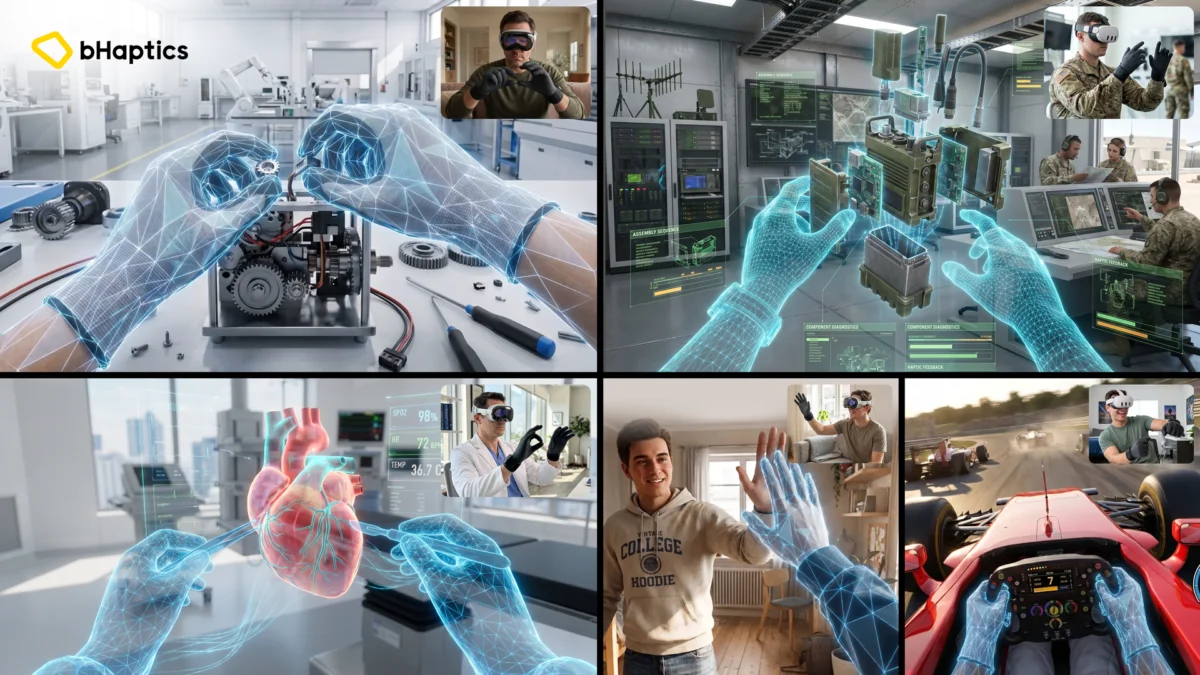
The pursuit of "presence"—the psychological state of feeling truly present in a virtual environment—has long been the North Star of the virtual reality (XR) industry. While visual fidelity and spatial audio have reached impressive heights, the sense of touch remains the final, most elusive frontier. At this year’s Augmented World Expo (AWE), bHaptics, a leader in consumer-grade haptic feedback solutions, unveiled its latest attempt to bridge this sensory gap: the TactGlove DK3.
Priced at $385 and scheduled to begin shipping on June 28, the TactGlove DK3 represents a significant iterative leap over its predecessors. However, as the hardware matures, the industry faces a burgeoning crisis of content. The DK3 sits at the intersection of remarkable engineering and a struggling software ecosystem, raising critical questions about whether the market is ready for high-end haptic accessories.
Main Facts: The Evolution of the TactGlove DK3
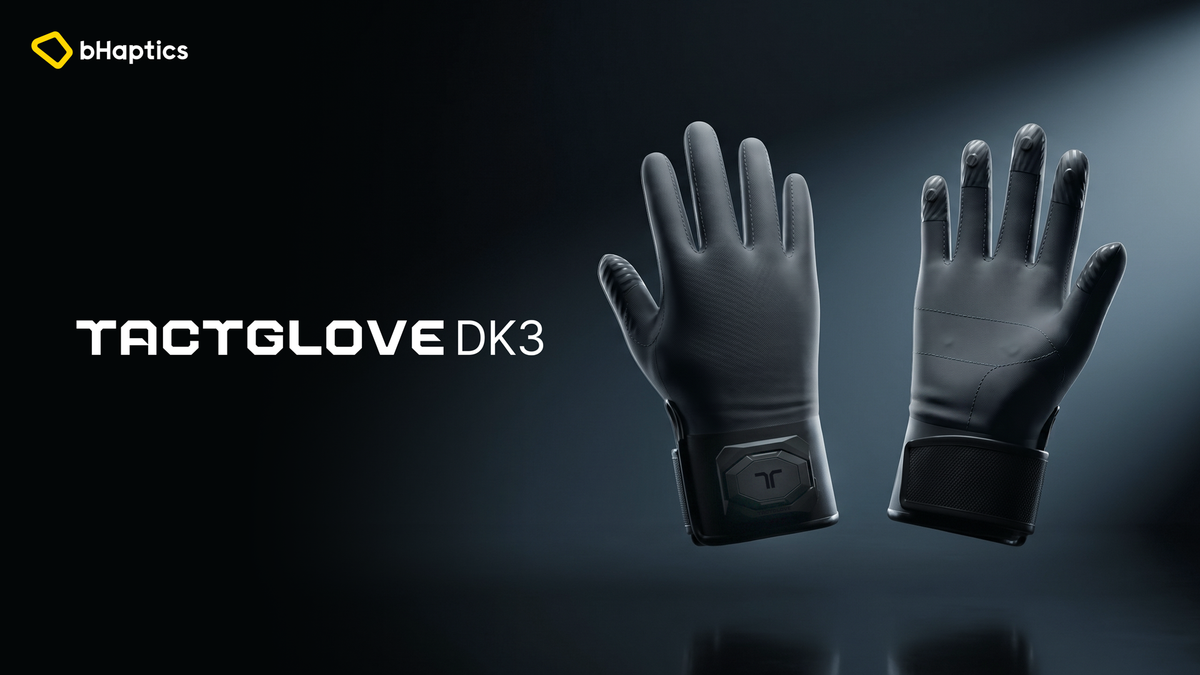
The TactGlove DK3 is a wireless haptic glove designed primarily for hand-tracking-enabled VR and AR experiences. Unlike high-end industrial gloves that use mechanical exoskeletons to provide "resistive" or "force" feedback—which physically stop your fingers from moving to simulate a solid object—the TactGlove DK3 utilizes Linear Resonant Actuators (LRAs). These motors provide sophisticated vibration patterns to simulate the sensation of texture, contact, and weight.
Key Technical Specifications:
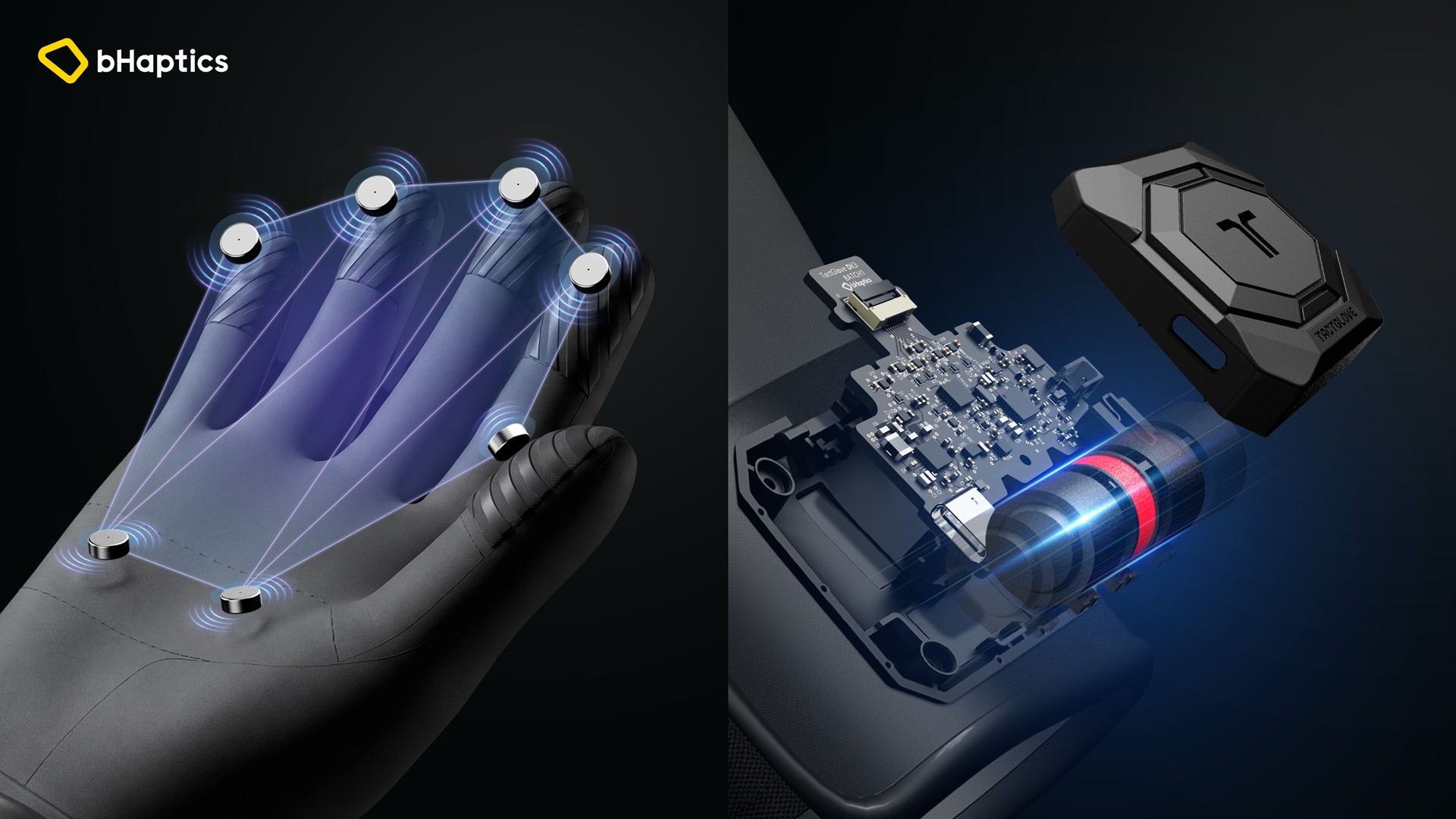
- Motor Count: Increased from six motors in the previous version to eight motors per hand.
- Placement: Six motors are positioned at the fingertips and thumb, with two newly added motors located in the lower palm to provide more comprehensive coverage.
- Connectivity: Bluetooth wireless integration, optimized for standalone headsets like the Meta Quest 3 and Pico 4.
- Hygienic Design: The retail units include washable inner gloves, addressing a long-standing concern regarding sweat and long-term wearability.
- Pricing: $385 USD.
While the hardware is undeniably more refined, the core challenge remains: a haptic glove is only as effective as the software that supports it.
Chronology: From Concept to DK3
The journey of the TactGlove began in the early 2020s, with bHaptics seeking to provide a more affordable, consumer-friendly alternative to the multi-thousand-dollar haptic gloves used in enterprise training.
- CES 2022: bHaptics debuted the original TactGlove prototype. It was hailed as a breakthrough for its $299 price point and its focus on camera-based hand tracking rather than bulky external sensors.
- The Iterative Phase: Following feedback from developers and early adopters (DK1 and DK2), the company focused on increasing motor density. Users reported that while fingertip feedback was excellent, the "void" in the palm broke the illusion of holding larger objects.
- AWE 2024: The DK3 was showcased with a polished demo titled Galactic Repair. This experience was specifically engineered to highlight the new palm motors and the nuance of the eight-motor array.
During the AWE demo, the transition from simple UI interaction to complex physics-based manipulation was evident. In Galactic Repair, players assume the role of an interstellar pilot. The experience begins with a hand scanner—a sequence designed to vibrate every motor in the glove simultaneously to calibrate the user’s expectations. As the player repairs ship modules and manipulates "electric balls," the feedback scales based on the intensity of the virtual interaction. The standout moment for many testers was the "heavy cube" sandbox, where lifting a large object required two hands; attempting to lift it with one resulted in an intense, localized vibration in the palm that effectively simulated the strain of weight.
Supporting Data: The Software Gap
Despite the hardware’s capabilities, data regarding application support reveals a significant hurdle for bHaptics. A survey of the bHaptics PC and standalone application libraries shows a limited selection of native titles.
Current Support Statistics:
As of June 2024, the bHaptics ecosystem for TactGlove includes approximately eleven primary supported applications. These include:
- First-Party Demos: Galactic Repair and the bHaptics official testing suite.
- Rhythm and Fitness: Synth Riders, a title that has consistently supported haptic peripherals.
- Niche Action/Puzzle: Rogue Ascent, Masters of Light, and Pathcraft.
- The "Alyx" Outlier: Half-Life: Alyx appears in the library, though this support is primarily facilitated through third-party mods rather than native integration by Valve.
The discrepancy between hardware availability and software adoption is stark. While bHaptics provides comprehensive SDKs for both Unity and Unreal Engine, the "developer tax"—the time and cost required to implement and test haptic profiles for a niche accessory—is proving too high for many studios.
Furthermore, bHaptics’ famous "Audio-to-Haptics" feature, which allows their TactSuit (vest) to vibrate in sync with game audio, is less effective for gloves. While a chest piece vibrating to the bass of an explosion feels natural, a glove vibrating to every sound effect in a game can feel "muddy" and immersion-breaking, necessitating dedicated, native haptic programming that many developers are currently avoiding.
Official Responses and Market Realities
During the AWE showcase, bHaptics technicians were candid about the challenges of developer adoption. When questioned about the slow rollout of supported titles, representatives admitted that the transition from controller-based input to hand-tracking-based input has been slower than the industry anticipated.
The core of the issue is the "Input Conflict." Most high-budget VR games are designed for motion controllers (like the Quest Touch controllers) which provide buttons, triggers, and thumbsticks. Wearing a haptic glove while trying to hold a plastic controller is cumbersome and practically unfeasible. Therefore, the TactGlove is almost entirely reliant on "pure" hand tracking—a technology that, while improving, still lacks the precision and haptic "click" of a physical button.
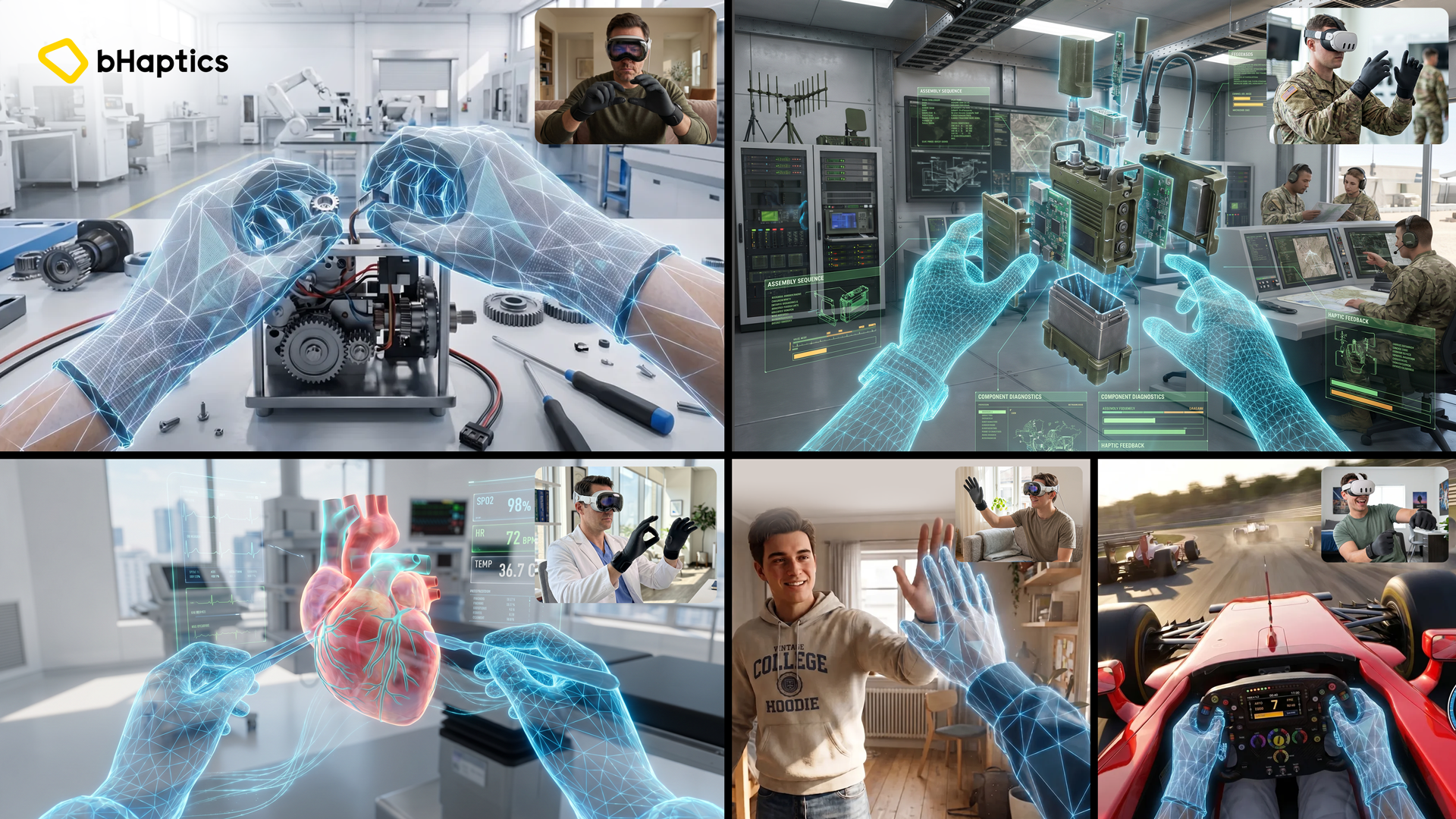
Industry analysts point out that even major studios like Owlchemy Labs (Job Simulator) and Resolution Games (Demeo), who are champions of hand tracking, have yet to announce native TactGlove support. This suggests that even the most innovative developers are waiting for a larger installed base before committing resources to haptic-specific builds.
Implications: The High Stakes of the XR Market
The launch of the TactGlove DK3 comes at a precarious time for the VR industry. The broader economic climate has forced a period of "rationalization" within XR development.
1. The Developer Crisis
The last 18 months have seen a wave of layoffs and studio closures. From the shuttering of Vertigo Games’ Amsterdam office to layoffs at Polyarc (the creators of Moss), the message is clear: developers are prioritizing survival over experimentation. In such a climate, adding support for a $385 peripheral that only a fraction of the player base owns is often seen as a luxury that studios cannot afford.
2. The Hand-Tracking Pivot
With the release of the Apple Vision Pro and the Meta Quest 3, there is a clear industry shift toward "controller-less" computing. This should, in theory, be a boon for bHaptics. However, the "prosumer" price point of the DK3 ($385) sits in a difficult middle ground. It is too expensive for the casual Quest user but perhaps not "heavy-duty" enough for the enterprise flight-sim or medical training markets that typically opt for $5,000 resistive gloves.

3. The Modding Community as a Lifeline
As is often the case with VR hardware, the enthusiast modding community may be the TactGlove’s greatest ally. Much of the support for the bHaptics TactSuit was driven by community-made mods for games like Skyrim VR and Fallout 4 VR. If bHaptics can incentivize modders to create "haptic wrappers" for popular hand-tracking games, the DK3 could find a second life outside of official storefronts.
Conclusion: A Masterpiece in Search of a Canvas
The bHaptics TactGlove DK3 is a triumph of consumer haptic engineering. It is lightweight, breathable, and provides a level of tactile nuance that was unthinkable at this price point five years ago. The addition of palm motors in the DK3 addresses the most significant physical feedback gap in the previous models, creating a truly convincing sensation of object manipulation.
However, the hardware is currently ahead of the market’s economic reality. Until "hand-tracking first" games become the standard rather than the exception, the TactGlove DK3 will remain a specialized tool for enthusiasts and researchers. For those who prioritize immersion above all else—and who have the patience to navigate the world of mods and limited native libraries—the DK3 offers a tantalizing glimpse into the future of digital touch. For the rest of the VR world, it serves as a reminder that in the realm of immersive technology, hardware is only half the battle; the heart of the experience will always lie in the hands of the developers.