The Social Frontier of Virtual Reality: FunFitLand and the Evolution of Shared Digital Wellness

Main Facts: A New Paradigm for Virtual Fitness
The landscape of home fitness is undergoing a fundamental transformation as virtual reality (VR) transitions from a solitary experience into a shared, social ecosystem. While VR fitness has long been lauded for its ability to turn grueling workouts into engaging gameplay, it has historically struggled with the "isolation factor"—the lack of communal motivation found in traditional brick-and-mortar gyms.
Enter FunFitLand, the latest VR fitness innovator to launch a comprehensive multiplayer mode on the Meta Quest platform. Unlike previous iterations of social VR fitness, FunFitLand’s approach focuses on "low-friction" entry and emotional expression, aiming to bridge the gap between physical exertion and social connection.
The core of the update includes:

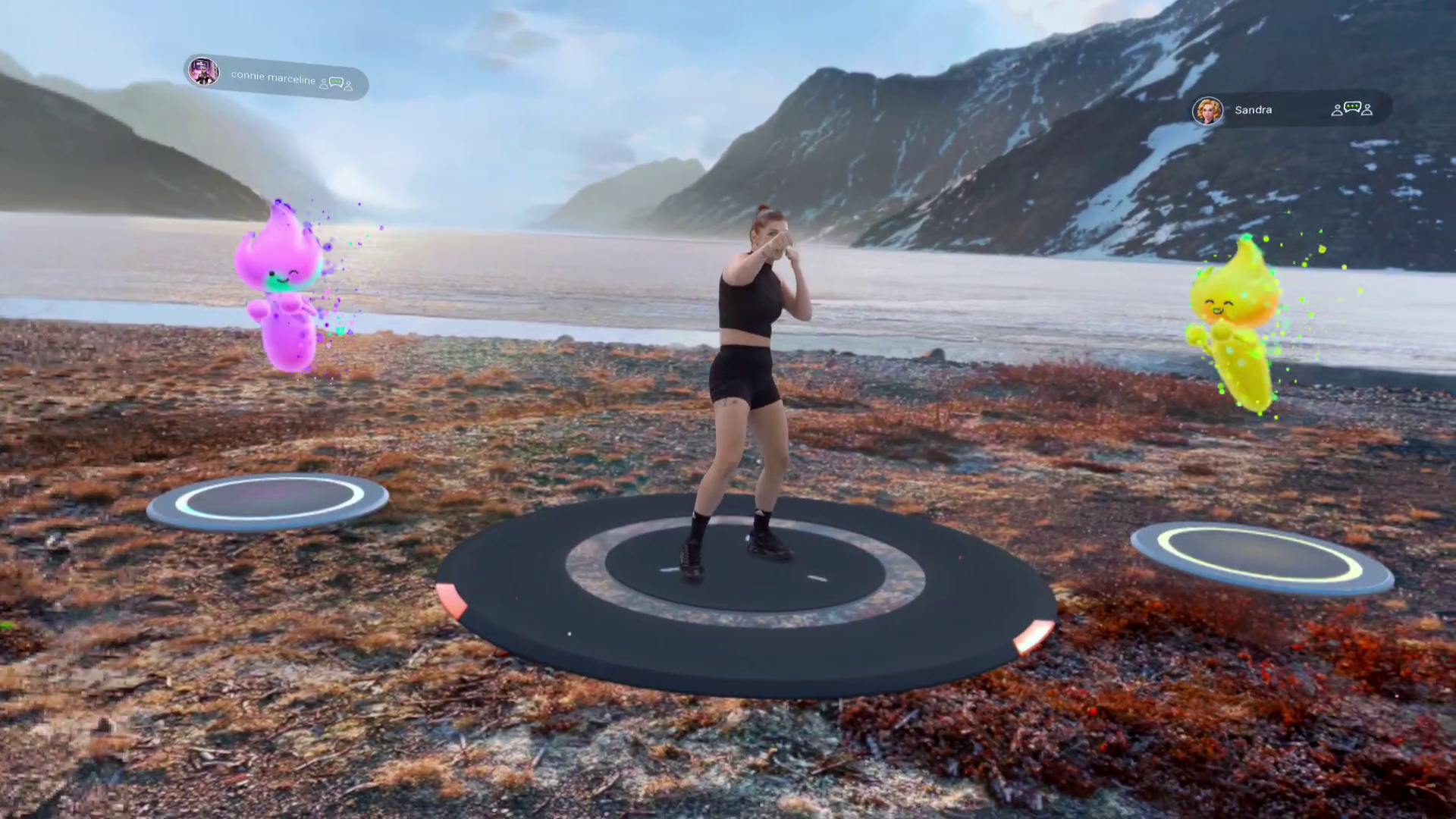
- Universal Multiplayer Integration: Every workout mode—from high-intensity boxing to meditative tai-chi—is now playable with others.
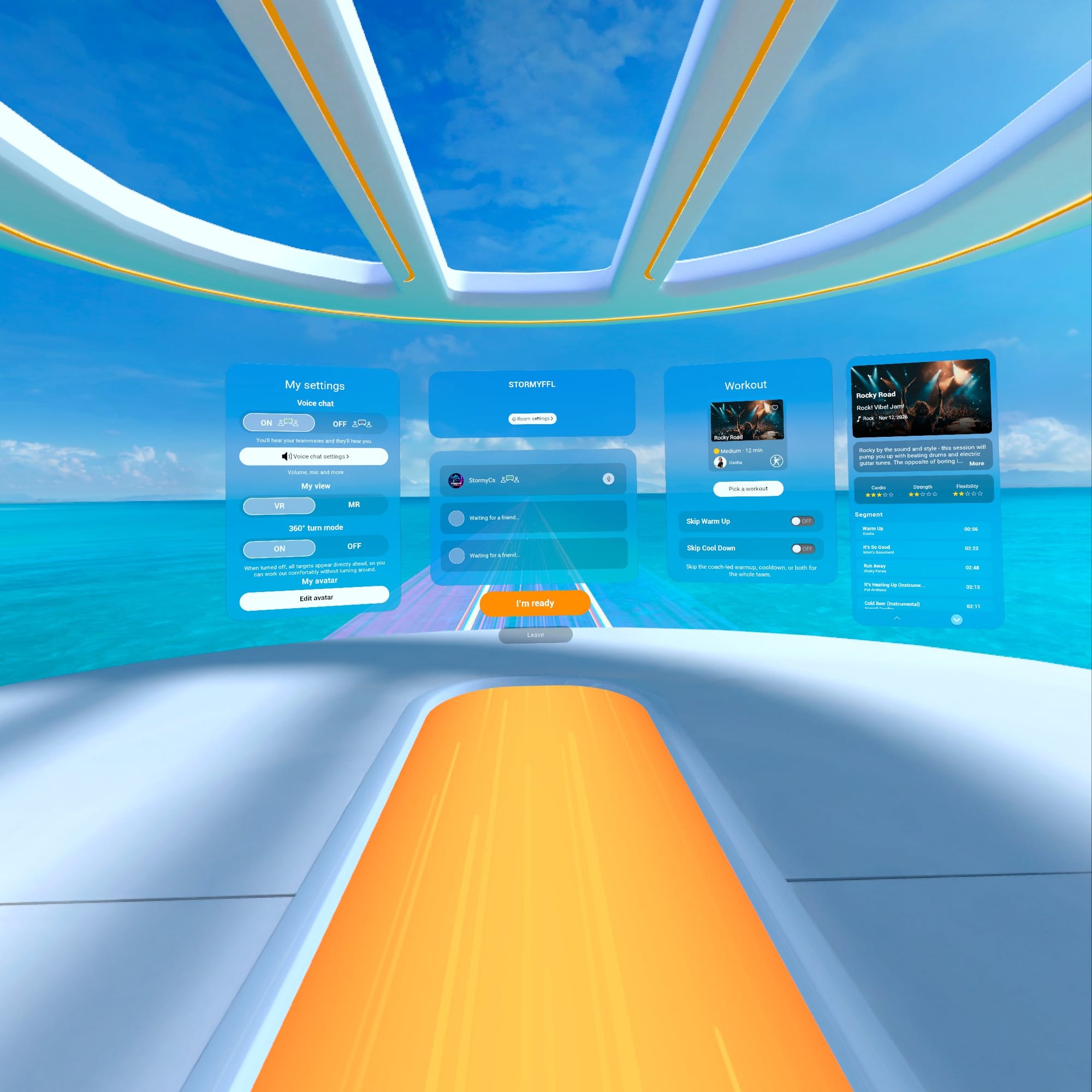
- "Join-in-Progress" Technology: A proprietary technical solution allowing users to jump into active sessions without waiting in lobbies.
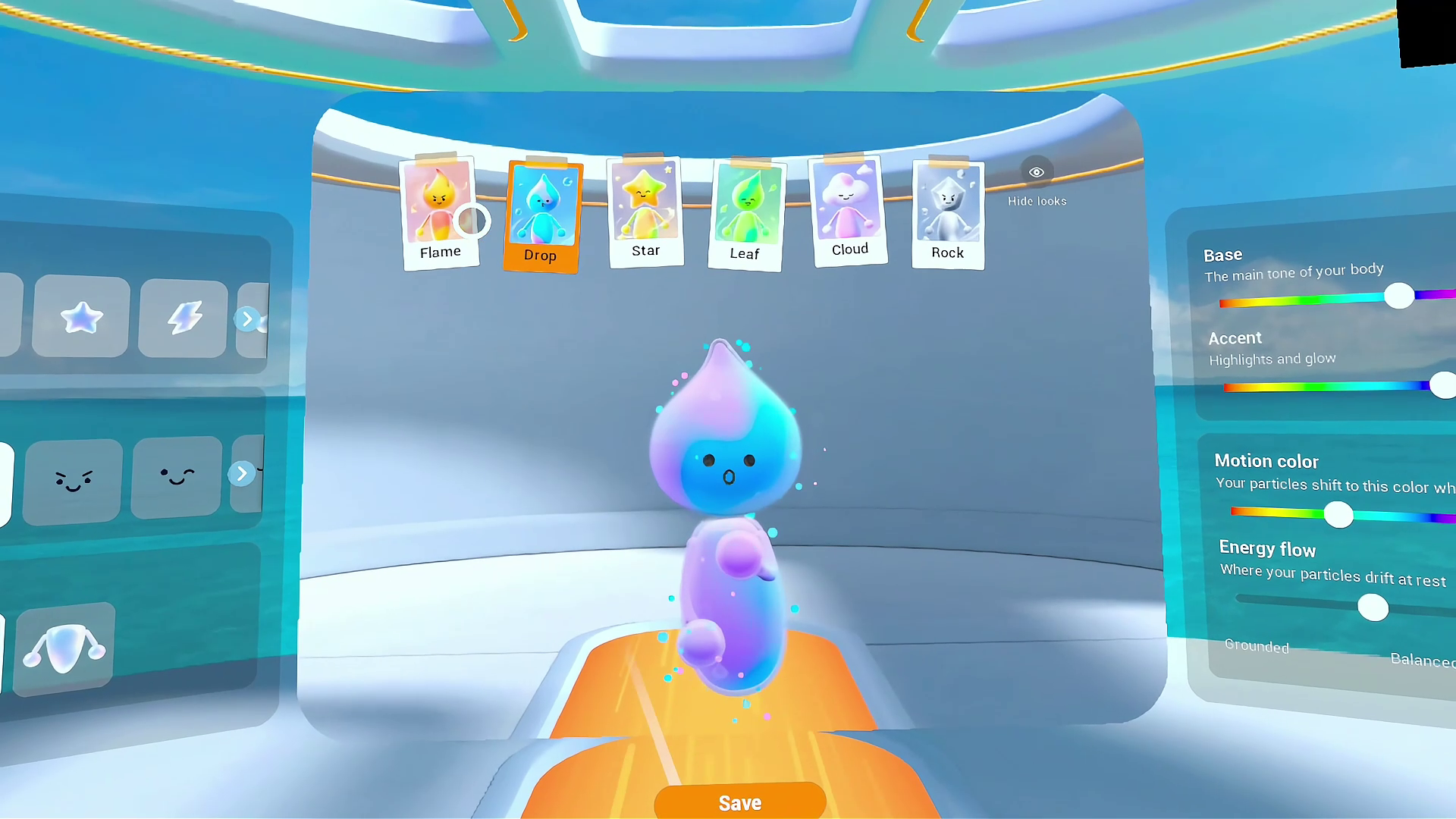
- Customizable "Mood" Avatars: A departure from hyper-realistic or Meta-standard avatars in favor of expressive, stylized characters.
- 360-Degree Social Mechanics: Innovative visual cues, such as translucent avatars, to maintain gameplay clarity during intense multi-directional movements.
Chronology: From Solitary Sweating to Synchronized Movement
The journey of VR fitness has moved through several distinct phases. In the early 2020s, the focus was primarily on "gamification"—convincing users to move by masking exercise as a rhythm game. Research during this period, including studies documented by Meta and the Washington Post, proved that VR workouts were not only effective at burning calories but also significantly improved adherence rates for individuals who struggled with traditional fitness regimens.
However, as the novelty of "working out in a headset" began to normalize, the industry identified a growing retention problem: the lack of a "third place." In urban sociology, the third place is the social surroundings separate from the two usual social environments of home and the workplace. Physical gyms often serve this role through casual "water cooler" conversations and the unspoken accountability of a group class.
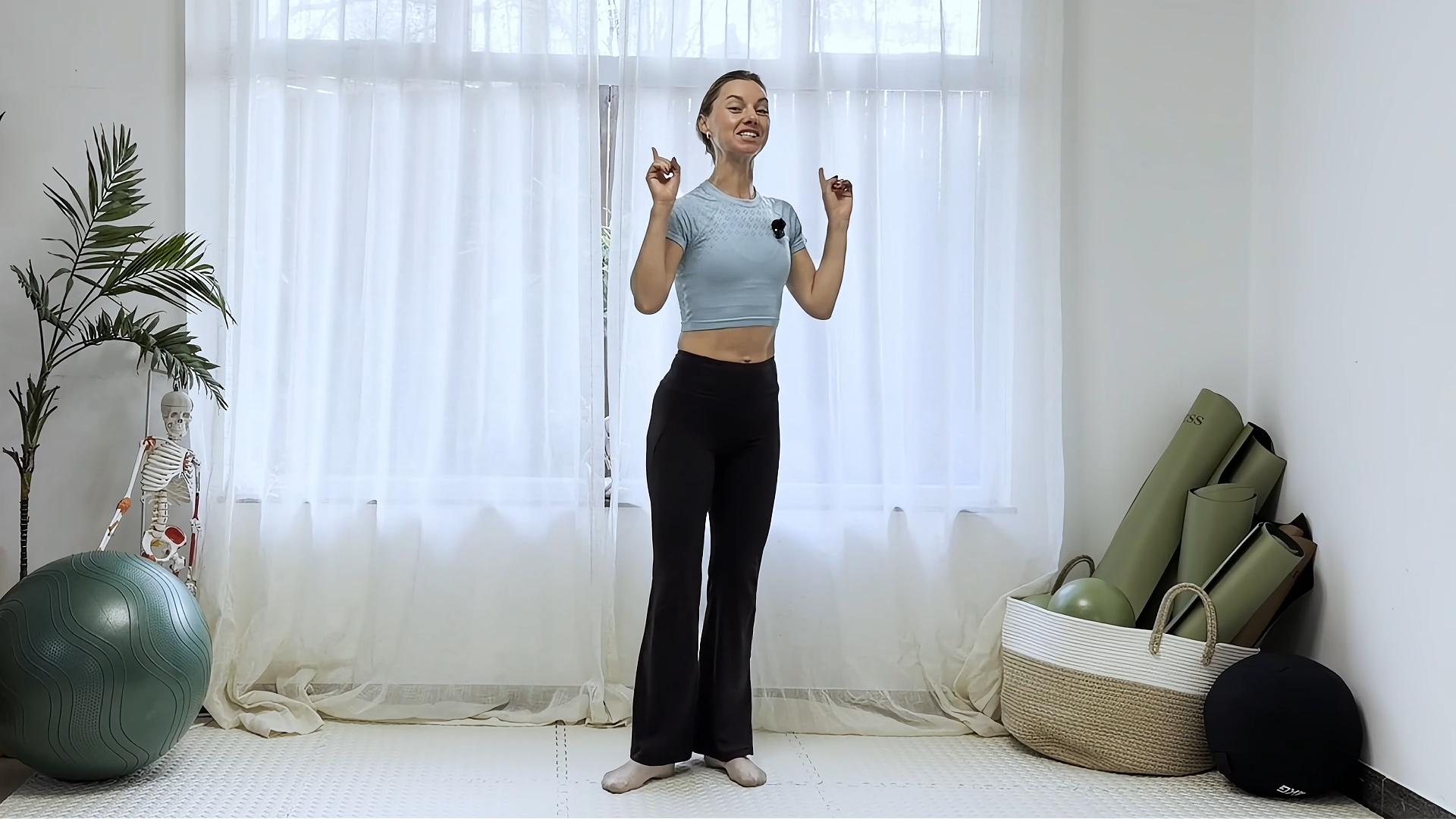
Recognizing this, the development team at FunFitLand, led by founder Dr. Meng Zhang, spent months conceptualizing a social layer that didn’t feel like a tacked-on feature. The development culminated in a intensive three-week "sprint" focused solely on the technical synchronization required for users to join live workouts at any moment—a feature that has traditionally been a significant hurdle for VR developers. This update, now live on the Meta Quest store, marks FunFitLand’s transition from a fitness tool to a "wellness destination."
Supporting Data: The Efficacy and Challenges of Virtual Exercise
The push toward multiplayer is backed by significant data regarding human behavior and fitness. According to the Köhler Effect, individuals tend to work harder when they are part of a group than when they are alone, particularly when they perceive their performance as being essential to a collective outcome or when they are being "watched" by peers.
In the VR space, this is balanced against the "Spotlight Effect"—the fear of being judged for one’s physical appearance or lack of coordination. Data from the VR Health Institute and independent studies cited by Meta suggest that:
- Retention: Users are 40% more likely to return to a fitness app if they have a social connection within the platform.
- Intensity: Heart rate data often shows a 10-15% increase in intensity during competitive or cooperative multiplayer modes compared to solo sessions.
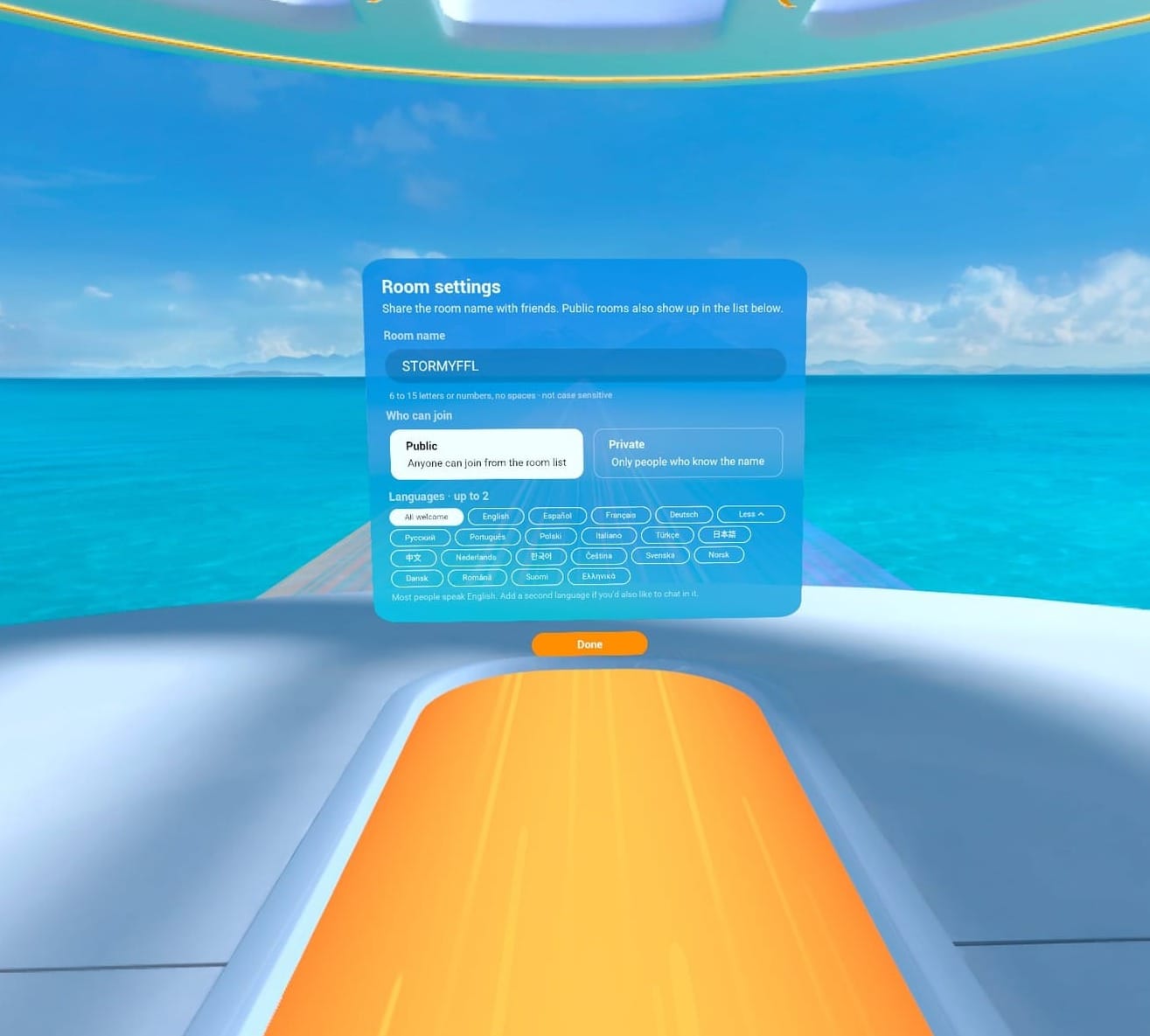
- Accessibility: For the "global gym" to work, language barriers must be addressed. FunFitLand’s inclusion of language tags addresses the fact that the Quest user base is now spread across dozens of countries, with significant growth in non-English speaking markets.
FunFitLand’s specific workout suite—CombatFit (boxing), GrooveFit (dance), SwingFit (flow with bats), and FlowFit (tai-chi)—targets different metabolic demands. CombatFit, in particular, has been noted by testers as one of the most effective rhythm boxing implementations in the medium, requiring high-velocity movements that benefit significantly from the added motivation of a partner.
Official Responses: Insights from the Founders and Coaches
In an exclusive dialogue regarding the launch, Dr. Meng Zhang emphasized that the multiplayer mode is the "connective tissue" of the FunFitLand vision.
"The team spent three weeks doing only one thing," Dr. Zhang explained, referring to the join-in-progress feature. "The challenge was: can I join you exactly where you are? Even if you are at the very last five seconds of a cooldown, I want to be there. We wanted to eliminate the ’empty lobby’ syndrome that kills so many multiplayer games."
Regarding the global nature of the platform, Zhang noted, "It’s a place where you can meet different people. Not just from Europe or the States, but every single corner of this world. It’s beautiful to connect with people in different cultures, speaking different languages." To facilitate this, the app now allows users to tag their rooms with specific languages, ensuring that the "casual gym chatter" is actually intelligible to the participants.
Fitness coach Mike Pistilli highlighted the mechanical nuances designed to prevent social features from interfering with the workout itself. During the development of the 360-degree workout lanes, the team realized that having a partner in the room could occasionally block the view of incoming targets.
"We implemented a translucency feature," Pistilli noted. "When targets come from the side lanes, your partner’s avatar becomes see-through. It’s a subtle detail, but it ensures that the social experience never compromises the safety or the efficacy of the workout."
Implications: The Future of the "Metaverse" Gym
The introduction of FunFitLand’s multiplayer mode has broader implications for the VR industry and the future of remote wellness.
1. The Death of the Waiting Room
By solving the "join-in-progress" technical debt, FunFitLand sets a new standard for VR UX. In many existing multiplayer VR apps, users must wait in a virtual lobby for a match to start. This "dead time" is the primary enemy of fitness adherence. If a user only has 20 minutes to work out, they cannot afford to spend five minutes waiting for a group. FunFitLand’s model suggests a future where virtual gyms are "always on," much like a physical gym where you can walk in and join a treadmill line or a stretching area at any time.
2. Identity and the "Abandon" of Exercise
The choice of quirky, customizable avatars over realistic Meta Avatars or the "fuzzy" silhouettes used by competitors like Supernatural (in its legacy version) is a strategic move. Psychological research into the "Proteus Effect" suggests that the appearance of a user’s avatar can influence their behavior. By providing "whimsical" avatars that reflect a user’s mood, FunFitLand encourages a sense of "abandon." Users feel less self-conscious about sweating or moving awkwardly in their living rooms when their digital representative is a colorful, expressive character rather than a cold, realistic humanoid.
3. Competitive Positioning
The VR fitness market is becoming increasingly crowded. With Supernatural (owned by Meta) and FitXR dominating the subscription space, smaller players must innovate through personality and specific feature sets. FunFitLand’s positioning as a "wellness destination" that includes non-workout "Spaces" for meditation and chatting suggests it is looking beyond just calorie burning. It is attempting to build a digital community that exists even when the heart rate is low.
4. Economic Models of Virtual Fitness
FunFitLand is available on the Meta Quest Store as a free download, with a subscription model priced at $9.99 monthly or $99.99 annually. This price point is significantly lower than the $15-$20 monthly fees commanded by industry leaders, suggesting a push for volume and community growth. By lowering the barrier to entry both financially and socially, FunFitLand is betting that the "magic" of connection will be the primary driver of long-term subscription retention.
Conclusion
As VR hardware becomes lighter and more accessible, the software must evolve to meet the human need for connection. FunFitLand’s multiplayer update is more than just a feature; it is a technical and social experiment in how we maintain our health in a digital age. By removing the friction of waiting, embracing the global diversity of its user base, and prioritizing the emotional state of the exerciser through expressive avatars, FunFitLand is carving out a unique niche in the virtual wellness landscape. As Dr. Zhang concludes, this is the "thread" that connects the dots of the virtual experience, transforming a solitary headset into a gateway for global community.