The State of Speculative Culture: From AI Retractions to the Fragility of Utopias

In a week defined by rapid shifts in the intersection of technology, politics, and speculative fiction, the cultural landscape has faced a series of reckonings. From Meta’s sudden withdrawal of its controversial AI image generator following industry-wide backlash to a sobering report on the decline of LGBTQ+ representation in cinema, the "fantastic" is increasingly grappling with the complexities of the real world. As the genre mourns the loss of aviation pioneer Wally Funk and prolific author R.S. Belcher, a new discourse has emerged regarding the nature of utopian storytelling and the enduring role of satire in modern democracy.
Main Facts: A Convergence of Industry and Imagination
The week’s primary headlines are dominated by a significant victory for labor and creative rights. Meta, the parent company of Instagram and Facebook, announced the deactivation of its "Muse Image" AI tool. The decision followed a blistering condemnation from the Creative Artists Agency (CAA) and the Screen Actors Guild-American Federation of Television and Radio Artists (SAG-AFTRA). The tool, which allowed users to generate images based on public Instagram feeds without explicit opt-in consent, was labeled a violation of likeness and creative integrity.
Concurrently, the advocacy group GLAAD released its annual film representation study, revealing a three-year low in LGBTQ+ inclusion within major studio releases. The data suggests that while mid-budget horror remains a sanctuary for diverse storytelling, the broader industry is retreating from inclusive narratives.
In the political sphere, the boundaries between speculative satire and electoral reality have blurred further. Count Binface, the "intergalactic space warrior" from planet Sigma IX, has officially entered the Clacton-on-Sea by-election in the United Kingdom. Standing against populist leader Nigel Farage, Binface’s candidacy highlights a unique British tradition of using absurdist costumed personas to challenge the political establishment.

Chronology of Recent Events
The sequence of events over the past several days reflects a high-velocity news cycle within the speculative fiction and broader entertainment communities:
- May 12, 2026: The passing of Alan Barrie Stewart, a pillar of UK and German science fiction fandom, at age 81.
- June 11, 2026: The centenary-plus celebration of Cordwainer Smith’s birth, sparking a renewed interest in his psychological-warfare-influenced space opera.
- July 5–7, 2026: Controversy erupts over Nigel Farage’s finances, leading to his resignation and the subsequent triggering of a by-election.
- July 8, 2026: Meta faces immediate pushback from CAA and SAG-AFTRA following the rollout of the "Muse" AI generator.
- July 9, 2026: GLAAD publishes its 2025 film report, sparking industry-wide debate on the "disappearing" queer character.
- July 10, 2026: Meta officially disables the Muse tool, admitting they "missed the mark." On the same day, the literary community is hit by the sudden passing of acclaimed author and private investigator R.S. Belcher.
- July 11, 2026: Reports confirm the death of Wally Funk, the aviation trailblazer who broke age and gender barriers in space travel.
Supporting Data: Representation and Literary Plausibility
The GLAAD Report: A Quantitative Decline
The annual study by GLAAD provides a stark statistical look at the health of diversity in Hollywood. Out of 225 films released in 2025, only 46 contained LGBTQ+ characters. This 20.4% inclusion rate represents a steady decline from the 28.5% peak seen in 2023.
The report notes a "disproportionate" impact on characters of color within the LGBTQ+ community. However, it also identified a successful niche: horror. Productions such as The Parenting, Companion, and Weapons not only featured queer characters but also proved economically viable, returning more than double their production budgets at the box office. This suggests a disconnect between studio risk-aversion and actual audience appetite.
The "Omelas" Discourse
In the realm of literary criticism, a new analysis of Ursula K. Le Guin’s The Ones Who Walk Away from Omelas has gained traction via Papyrus Rampant. The critique posits that modern audiences find utopias inherently implausible unless they are anchored by a fundamental flaw or "price."

The analysis suggests that the narrator’s introduction of the suffering child is what makes the city of Omelas "vivid" to the reader. This reflects a broader trend in contemporary storytelling where utopias are relegated to the "edges" of narratives—such as the borders of the Federation in Star Trek—because a perfect society offers no friction for traditional plot structures.
Official Responses and Tributes
The AI Standoff
Meta’s retraction of its Muse AI tool was accompanied by a rare admission of error. A spokesperson stated, "Our intent was to provide a useful creative tool… We’ve heard the feedback that this feature missed the mark, so it’s no longer available."
In response, CAA and SAG-AFTRA characterized the move as a necessary safeguard. CAA’s statement was particularly firm: "No one’s name, image, likeness, voice, or creative work should be used by any third party, including AI models, without clear, documented consent." This conflict underscores the ongoing tension between "Big Tech" and the protection of intellectual property in the age of generative models.
Legacies Remembered
The community has issued heartfelt tributes to three distinct figures:

- Wally Funk (1939–2026): Funk, a member of the "Mercury 13," finally reached space in 2021 via Blue Origin. Her caregiver, Duff O’Dell, noted that despite her recent health struggles, Funk’s legacy as an aviation pioneer remains unmatched. She held the record for the oldest woman in space, a testament to her lifelong persistence against NASA’s early gender barriers.
- R.S. Belcher: The MystiCon committee remembered Belcher as a "worldbuilder" whose imagination spanned novels like The Six-Gun Tarot and The Brotherhood of the Wheel. His background as a private investigator and occult crime taskforce member gave his urban fantasy a unique, gritty realism.
- Alan Barrie Stewart: Remembered by the British Science Fiction Association (BSFA) for his fanzine work and his role in bridging the UK and German fan communities during the 1970s.
Implications for the Future of the Genre
The convergence of these events suggests several emerging trends that will shape the next decade of speculative culture.
1. The Consent-First AI Model
The Meta/CAA clash establishes a precedent for the "Vault" approach to AI. As agencies begin to archive their members’ likenesses for authorized use only, the era of "scraping" public data for creative generation is facing its first major legal and social roadblocks. The industry is moving toward a future where AI is a tool of the creator, not a replacement for them.
2. The Satire-Reality Loop
The candidacy of Count Binface in the Clacton by-election, standing against figures like Nigel Farage, suggests that satirical performance art is becoming a vital component of political discourse. In an era of "populist versus establishment" rhetoric, the presence of an "intergalactic warrior" serves as a meta-commentary on the theatricality of modern politics.
3. The Survival of Mid-Budget Genre Film
The GLAAD report’s highlights of horror films like Weapons and Companion suggest that the mid-budget genre film is currently the most effective vehicle for social representation. While "tentpole" blockbusters may be retreating into safer, more homogenous territory, the speculative horror genre continues to push boundaries while remaining profitable.

4. The Enduring Power of the Far Future
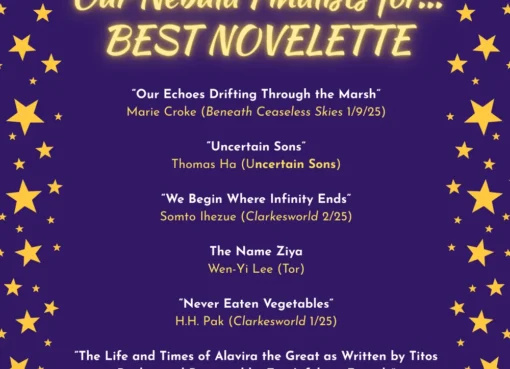
The celebration of Cordwainer Smith’s legacy—specifically his Instrumentality of Mankind series—reminds the community of the power of "deep time" storytelling. Smith’s ability to create a future that feels truly alien, yet remains "ultimately human and penetrable," continues to influence writers like Somto Ihezue, whose recent Locus Award win for "We Begin Where Infinity Ends" signals a vibrant future for African speculative fiction.
As we move further into 2026, the speculative fiction community remains a microcosm of global tensions. Whether it is the fight for digital consent, the struggle for visibility on screen, or the philosophical debate over what makes a utopia believable, the "fantastic" remains the most potent lens through which we view our own evolving reality.