
The State of the Sequential Arts: Awards, Bereavements, and the Critical Landscape of May 2026
Introduction
The first full week of May 2026 has emerged as a pivotal moment for the global comics industry, characterized by a complex intersection of high-prestige recognition and profound institutional loss. As the medium continues to bridge the gap between niche hobbyism and mainstream literary respectability—evidenced by the latest round of Pulitzer Prizes—it simultaneously grapples with the passing of several foundational architects of the underground and mainstream movements. From the halls of Columbia University to the bustling aisles of upcoming festivals like TCAF, the "sequential arts" are currently navigating a period of significant transition, marked by both the celebration of new journalistic frontiers and the somber duty of memorializing its pioneers.
1. Main Facts: Prestige and Recognition
The primary headline of the week is the announcement of the 2026 Pulitzer Prizes, which further solidified the role of comics in the realm of "Illustrated Reporting and Commentary." The top honor was awarded to Anand RK, Suparna Sharma, and Natalie Obiko Pearson for their work on trAPPed, published by Bloomberg. This win highlights a growing trend in the Pulitzer committee’s recognition of visual narratives as essential tools for investigative journalism.
Simultaneously, the industry is facing a generational changing of the guard. The deaths of Frank Stack (Foolbert Sturgeon), Yoshiharu Tsuge, Nicole Hollander, and Gerry Conway represent the loss of over two centuries of combined experience across underground comix, Japanese gekiga, feminist satire, and American superhero tropes.
On the corporate and organizational front, the Will Eisner Comic Industry Awards committee has introduced a revised, and somewhat controversial, voting registration process, signaling a move toward more stringent credentialing for industry professionals.
2. Chronology of the Week’s Events
- April 24–30, 2026: Pre-award buzz begins with the announcement of the Toronto Comic Arts Festival (TCAF) poster by manga artist Battan. The UK Comics Creator Survey is released, providing a grim look at the economic realities for artists in Britain.
- May 1–4, 2026: National Newspaper Awards and National Headline Awards announce their winners, highlighting editorial cartoonists like Michael de Adder and Jeff Koterba.
- May 4, 2026: The Pulitzer Prize winners are officially unveiled, placing Bloomberg’s illustrated reporting at the pinnacle of the year’s journalistic achievements.
- May 5–7, 2026: A wave of comprehensive obituaries and retrospectives are published in major outlets (The New York Times, The Guardian, Variety) following the confirmed passing of Gerry Conway and Nicole Hollander.
- May 8, 2026: The industry prepares for the May 13 deadline for Eisner Award voter registration, amid calls for more transparency in the nomination process.
3. Supporting Data: Awards and Critical Reception
The Pulse of the Awards Circuit
The 2026 awards season has seen a diversification of categories and winners. Beyond the Pulitzers:
- The Doug Wright Awards: Canada’s premier comics awards named Emily Hearn, Mark Thurman, and Arch Dale as this year’s "Giants of the North."
- National Headline Awards: Editorial cartooning remains a fierce battleground, with Adam Zyglis and Rick McKee taking second and third place, respectively, behind Jeff Koterba.
- Minicomic Awards: Cartoonists United (formerly the Cartoonist Cooperative) highlighted the grassroots level of the industry, nominating works across seven genres, including horror and sci-fi, with winners to be announced via digital ceremony.
Critical Highlights from the Week
The week’s reviews reflect an industry obsessed with both its history and its evolving social consciousness:
- Historical Re-evaluations: Critics at The Comics Journal (TCJ) revisited Alan Moore’s early 2000 AD work, noting that his "acute understanding of the comics page" was evident even in the early 1980s. Similarly, the archival collection Action – Before The Ban received scrutiny for its "inexorable formula" that preceded the UK’s moral panic over violent comics.
- Social Commentary: Joana Mosi’s Physical Education was praised for its depiction of Lisbon’s gentrification, while Aakar Patel’s Discovery of New India was noted for its pedantic but necessary critique of caste injustice.
- Genre Expansion: The manga Hibana (translated by Jocelyne Allen) and the manhwa Narrow Rooms (translated by Janet Hong) were highlighted for their psychological depth, signaling the continued dominance of translated works in the North American critical space.
4. Official Responses and Industry Infrastructure
The Eisner Voting Controversy
The Will Eisner Comic Industry Awards committee issued a directive that has caused friction among professionals. Potential voters must now apply for eligibility before the nominees are even announced. Industry analysts suggest this is an attempt to prevent "bloc voting" or "fan-driven" surges, but critics argue it creates an unnecessary barrier to entry for legitimate creators who may not yet know if their peers’ work is represented.
Labor and Economic Surveys
The release of the 2026 UK Comics Creator Survey has sparked intense discussion on social media. The report indicates that a vast majority of creators are living below the median wage, relying on secondary income. In response, the US Comics Worker Survey has officially opened its call for submissions, aiming to gather similar data to advocate for better labor conditions and collective bargaining in the American market.
The "Logan Paul" Effect
In a move that drew swift condemnation from the collector community, YouTuber Logan Paul announced his intention to "price-speculate" on high-grade copies of One Piece and Dragon Ball. Industry veterans responded with concern that this performative wealth-amassing would lead to an artificial bubble in the manga market, similar to the "speculator bust" of the 1990s in American superhero comics.
5. In Memoriam: The Passing of Giants
The industry is currently in a state of collective mourning for four individuals who defined the medium’s boundaries:
- Frank Stack (1937–2026): Known as the "Godfather of Underground Comix," Stack’s The Adventures of Jesus (published under the pseudonym Foolbert Sturgeon) effectively launched the underground movement. Colleagues like Denis Kitchen remembered him as an "outspoken" force who ignored the art world’s conventions.
- Yoshiharu Tsuge (1937–2026): A master of the gekiga style, Tsuge’s Nejishiki (Screw-Style) remains one of the most studied works of manga in history. His death marks the end of an era for the "Garo" generation of avant-garde Japanese creators.
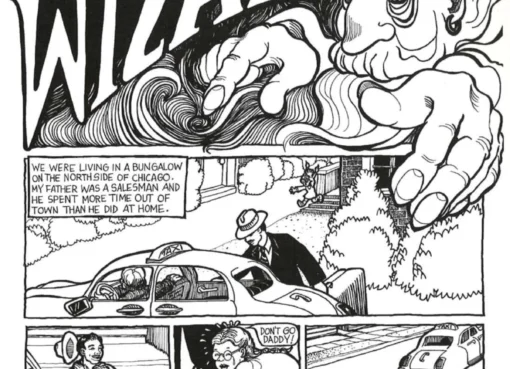
- Nicole Hollander (1939–2026): The creator of Sylvia, Hollander brought a sharp, feminist, and acerbic wit to the newspaper funny pages, proving that political commentary could be both deeply personal and hilariously cynical.
- Gerry Conway (1952–2026): A titan of the "Bronze Age" of comics, Conway is best known for scripting the "Death of Gwen Stacy" and co-creating The Punisher. His passing was marked by tributes from both Marvel and DC, acknowledging his role in maturing the superhero genre.
6. Implications: The Future of the Medium
The events of this week suggest several long-term implications for the comics industry:
The Institutionalization of "Graphic Journalism"
With the Pulitzer Prize for Illustrated Reporting becoming a mainstay, we can expect a surge in "long-form" graphic non-fiction. Publishers like Bloomberg and Reuters are no longer viewing comics as mere "infographics" but as a sophisticated medium for narrative journalism. This shift will likely lead to more funding for investigative cartoonists but may also increase the professional pressure on creators to meet rigorous journalistic standards.
The Preservation Crisis
The death of several pioneers in a single month has reignited the conversation regarding the preservation of physical archives. With the passing of Stack and Tsuge, there is an urgent call for academic institutions to secure original plates and letters before they are lost to private auctions. The "Comics and the Global South" initiative at the University of Cambridge is a step toward this, aiming to expand the reach of comics history beyond the Western canon.
Economic Realignment
The dual surveys in the UK and US suggest that the "romance" of the starving artist is being replaced by a demand for professional sustainability. As the industry loses its elders, the new generation is less interested in the "outlaw" status of the underground and more focused on healthcare, fair pay, and protection against the predatory speculation seen in the "Logan Paul" incident.
Conclusion
As of May 8, 2026, the comics world stands at a crossroads. It is a medium that has finally achieved the "high art" status its pioneers fought for, yet it is losing those very pioneers at an accelerating rate. The week’s links and news stories paint a picture of a vibrant, albeit struggling, ecosystem—one that is increasingly global, politically charged, and deeply aware of its own history. The challenge for the coming year will be to maintain this momentum of prestige while ensuring that the creators behind the pages can afford to survive in the world they so vividly illustrate.

Leave a Comment