
The Subtle Art of Suspense: Unlocking the Power of Microtension in Fiction
New York, NY – In the ever-evolving landscape of storytelling, where grand narratives and compelling plot twists often dominate discussions, a quieter, yet equally potent, force is gaining recognition: microtension. This subtle element, woven into the very fabric of prose, possesses the power to captivate readers from the first sentence, drawing them inexorably into the world of a story. Renowned writing instructor C.S. Lakin, in a recent insightful piece, elaborates on this critical craft component, arguing that mastering microtension is not merely an enhancement but an essential ingredient for compelling fiction.
The Immediate Impact: Why Microtension Matters
As K.M. Walton, a noted author and educator, observes, the initial encounter with a new book, whether in a bookstore or through an online sample, offers limited insight into the overarching narrative. While the intricate dance of plot, character development, and thematic resonance takes time to unfold, a writer’s ability to establish "microtension" is often discernible within mere pages, or even sentences.
"Within a page or two, I can feel whether the prose has energy," Walton explains. "I can tell whether there’s a sense of control in the writing itself. When an author understands how to handle tension at the sentence level, it shows. When it’s there, I trust them enough to buy the book and keep reading. Even before I know where the story is going, I’m willing to follow—because the experience of reading already feels alive."
This visceral reaction underscores the fundamental importance of microtension. While macro-level elements like plot twists and structural integrity are crucial for a story’s overall success, it is the granular, sentence-level tension that initially hooks the reader, creating an immersive and engaging experience. Lakin emphasizes that this intimate engagement with the prose is what ultimately allows the larger narrative elements to land effectively.
Defining Microtension: The "Sticky Bits" of Storytelling
Lakin defines microtension as "tension on a micro level—small bits of creative wording and imagery that heighten your prose." She likens it to adding "a few pinches of strong, flavorful spices to a bland stew." While the "big plot twists and reversals provide macrotension," microtension is the constant hum of engagement that keeps readers invested in every sentence.
This concept challenges the common tendency for writers to prioritize plot over the foundational building blocks of language. "Every word carries weight," Lakin asserts. "Microtension blooms in the phrasing, the imagery, and the subtle contradictions or incongruencies that make a reader pause and pay attention." She further describes these moments as "sticky bits" on the page – unexpected or evocative phrases that prompt a reader to think, "Wait, what?" The cumulative effect of these "sticky bits" imbues prose with energy and momentum, fostering curiosity, anticipation, and even a sense of unease, all of which are powerful drivers of reader engagement.
Crafting Compelling Microtension: Metaphor and Simile as Tools
Lakin identifies several literary devices that contribute to microtension, focusing on two particularly potent and accessible techniques: metaphor and simile.
1. The Art of Metaphor: Evoking Deeper Meaning
Metaphors, which describe one thing as another without using "like" or "as," are powerful tools for creating microtension by adding layers of meaning and prompting readers to make connections. Lakin distinguishes between linguistic and visual metaphors.
Linguistic Metaphors: Injecting Nuance into Dialogue and Narration
In Percival Everett’s short story "The Fix," Lakin highlights Sherman’s metaphorical pronouncements as a prime example of linguistic microtension. When Sherman states, "If you irrigate a desert, you might empty a sea. It’s a complicated business, fixing things," he imbues his practical advice with a philosophical weight that hints at deeper, perhaps personal, complexities. The tension escalates when Sherman, weeping, declares, "I am the empty sea." This unexpected linguistic leap transforms a conversation about mechanical repair into a profound expression of internal despair, creating a powerful moment of emotional resonance and reader intrigue.
Visual Metaphors: Painting Pictures of Inner Turmoil

Gillian Flynn’s Gone Girl provides a striking example of visual metaphor used to amplify a character’s internal state. As Nick Dunne heads to work, the setting is not described idyllically but through stark, unsettling imagery. The "concrete-and-weed parking lot" and a river running "urgently" with "strong ropy currents" are not mere descriptions but reflections of Nick’s guilt, anxiety, and sense of being trapped. The men walking "steadfastly nowhere" alongside the river evoke a sense of imprisonment and futility, mirroring Nick’s own perceived predicament. The sun, described as an "angry eye," further intensifies the atmosphere of dread and scrutiny. These deliberate visual choices create a palpable sense of unease, drawing the reader into Nick’s troubled psyche and raising questions about his hidden actions.
Lakin also offers concise examples of single-line metaphors that pack a punch:
- Carlos Ruiz Zafon’s The Shadow of the Wind: "I glided up to the first floor, blessing the blades of a fan that swirled above the sleepy readers melting like ice cubes over their books."
- Maggie Stiefvater’s Lament: The Faerie Queen’s Deception: "Delia was an overbearing cake with condescending frosting, and frankly, I was on a diet."
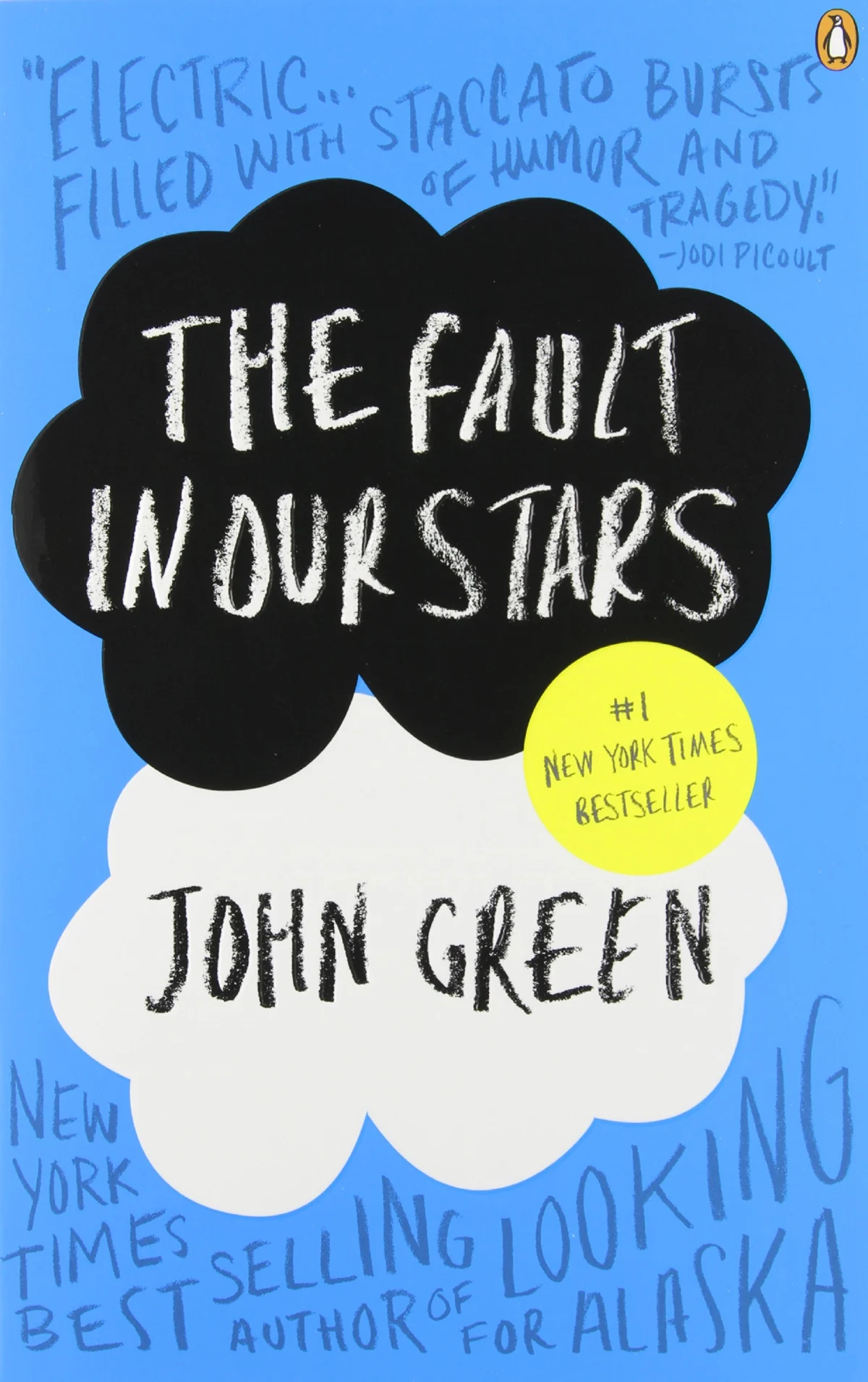
- John Green’s The Fault in Our Stars: "My thoughts are stars I cannot fathom into constellations."
- Frances Hardinge’s A Face Like Glass: "Wishes are thorns, he told himself sharply. They do us no good, just stick into our skin and hurt us."
These examples demonstrate how even brief metaphorical comparisons can inject vividness and emotional weight into a scene, creating those "sticky bits" that linger with the reader.
2. The Nuance of Simile: Drawing Comparisons with Impact
Similes, which use "like" or "as" to compare two things, are another accessible yet potent tool for generating microtension. While common, their effectiveness hinges on creativity and strategic application.
In her own novel, Conundrum, Lakin illustrates this point: "The thought of starting over… softened my anxiety… Everything here on this property carried a taint on it now. Tainted by my mother’s cruelty. I placed the vases throughout the house, splashing color into every room, every corner, filling the house with the smell of beauty, a scent strong enough to mask the permeating pain, disappointment, and outrage that seeped from the walls as potent as the stench of a fleabag motel room." Here, the juxtaposition of the beauty of roses with the "stench of a fleabag motel room" creates a jarring contrast that heightens the reader’s awareness of the underlying emotional turmoil.
Other notable examples include:
- Bonnie Garmus’s Lessons in Chemistry: "It wasn’t until Elizabeth noticed that Madeline’s clothes began to hang on her bony frame like bad drapes that she began to wonder what was going on." This simile subtly conveys a sense of neglect and unease surrounding Madeline.
- James Lee Burke’s The House of the Rising Sun: "Death was bad only when it was degrading, when it caught you sick and alone and lying on sheets soiled with your smell, your fears assembling around you like specters in the darkness." This simile imbues the abstract concept of death with a visceral, almost tangible dread. In another passage, Burke describes the judge’s spectacles "perched like magnifying glasses on an owl" and his eyes resembling "giant bugs trying to swim underwater," creating unsettling and memorable imagery.
Lakin stresses that metaphors and similes are not mere embellishments but precise instruments for infusing scenes with microtension. By employing simple yet creative comparisons, writers can deepen their prose, spark reader imagination, and add richness to their narratives.
Implications for Writers and Readers
The concept of microtension offers a valuable framework for writers seeking to elevate their craft. By consciously incorporating subtle linguistic choices, evocative imagery, and unexpected comparisons, authors can create prose that is not only technically sound but also emotionally resonant and inherently engaging. This focus on the micro-level of writing can transform a functional narrative into an experience that pulls readers in, sentence by sentence.
For readers, understanding microtension provides insight into why certain stories captivate them. It highlights the deliberate artistry behind compelling prose and the subtle ways in which authors build suspense and emotional depth, even in the absence of overt conflict.
As Lakin concludes, "Regardless of the genre you’re writing in, there will be places for these literary devices. Watch for them in the novels you read, observe the effect they have on you as a reader, then apply these techniques in your own stories. These bits of microtension will add richness to your prose and delight your readers."
C.S. Lakin’s new book, Masterful Microtension: The Essential Element of Powerful Fiction, delves further into this topic, offering practical techniques and exercises for writers to master this crucial aspect of storytelling. The book promises to equip authors with the tools to create prose that consistently draws readers in, ensuring that every sentence contributes to the overall impact and memorability of their work. The growing appreciation for microtension signifies a deeper understanding of the intricate artistry involved in crafting truly captivating fiction.


Leave a Comment