The Phantom Architect: Unearthing George Lucas’s Lost Palpatine Prequel Series
The architectural history of the Star Wars galaxy is littered with "what ifs" and abandoned blueprints. Since George Lucas sold Lucasfilm to the Walt Disney Company in 2012 for $4.05 billion, fans have parsed every interview and archival scrap to understand what the creator’s vision for the future—and the past—of the franchise might have looked like. While much has been made of Lucas’s treatments for a sequel trilogy involving "microbiotic worlds" and a hermit-like Luke Skywalker, a recent revelation has cast light on a different, darker corner of his imagination.
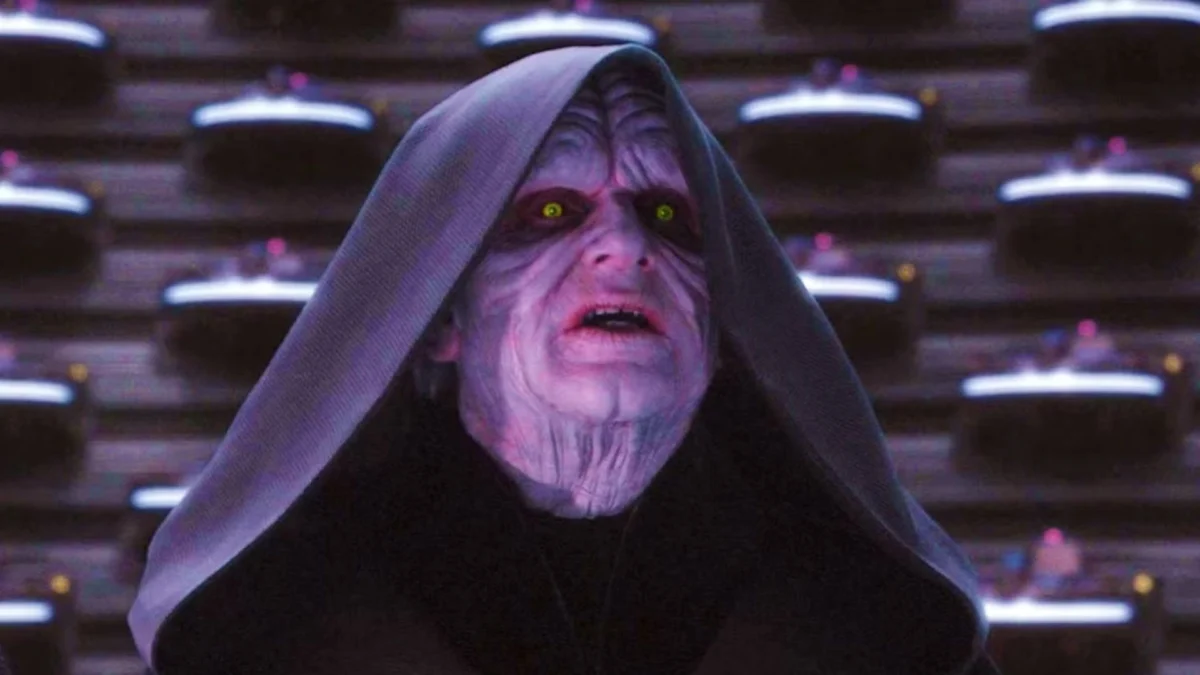
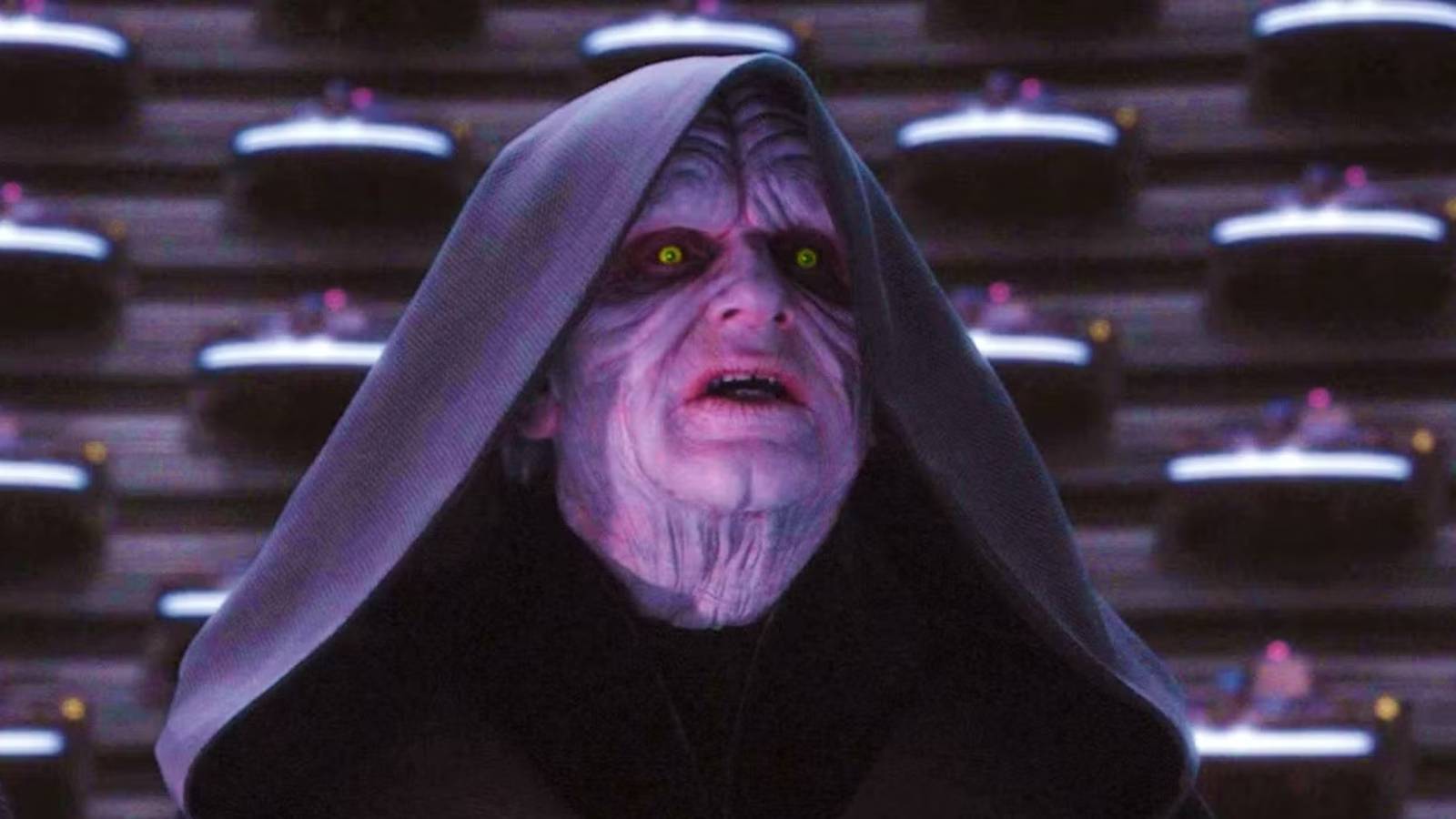
During a high-profile panel at SpaceCon San Antonio in June 2026, Ian McDiarmid, the actor synonymous with the sinister Emperor Palpatine, revealed that George Lucas had once been deeply interested in developing a live-action prequel series centered entirely on the rise of Sheev Palpatine. This project, which predated the Disney acquisition, represents one of the most significant "lost" narratives in the franchise’s history—a character study of the man who would dismantle a thousand-year Republic from within.
Main Facts: The Revelation at SpaceCon
The disclosure came during a retrospective panel featuring McDiarmid alongside prequel trilogy stars Hayden Christensen (Anakin Skywalker) and Jimmy Smits (Bail Organa). McDiarmid, who has portrayed the Dark Lord of the Sith across four decades, shared that Lucas had discussed the potential for a television expansion that would explore Palpatine’s early years on Naboo and his clandestine apprenticeship under Darth Plagueis.
According to McDiarmid, the project was envisioned as a "political thriller meets psychological horror," focusing on how a young man from an aristocratic family could be seduced by the ancient, forbidden lore of the Sith. The series was reportedly intended to bridge the gap between the era of the High Republic and the events of Episode I: The Phantom Menace, providing a definitive origin for the galaxy’s most enduring antagonist.
This revelation aligns with long-standing rumors regarding Lucas’s "live-action TV project," which spent years in pre-production under the working title Star Wars: Underworld. While Underworld was often described as an ensemble piece set in the Coruscant slums, McDiarmid’s comments suggest that a Palpatine-centric narrative was either a core pillar of that show or a standalone sister project Lucas was quietly nurturing.
Chronology: The Evolution of the Palpatine Narrative
To understand the significance of this lost series, one must look at the timeline of Lucas’s creative output between the release of Revenge of the Sith (2005) and the sale to Disney (2012).
2005–2008: Post-Prequel Expansion
Following the completion of the prequel trilogy, Lucas turned his attention to animation with Star Wars: The Clone Wars. However, he remained fascinated by the live-action medium. During this period, he began commissioning scripts for a live-action show. It was during these creative sessions that the idea of Palpatine’s backstory began to take a more concrete shape.
2010–2012: The "Underworld" Era
By 2010, Lucasfilm had reportedly produced over 50 scripts for a live-action series. Technology was the primary barrier; Lucas famously stated that the scripts were "too expensive" to produce with the VFX capabilities of the time. It is believed that the Palpatine prequel ideas were part of this massive creative bank. During this window, Palpatine’s "backstory" was being explored in the "Expanded Universe" (now Legends), most notably in James Luceno’s 2012 novel Darth Plagueis. Sources suggest Lucas worked closely with Luceno, indicating that the creator was actively thinking about the Emperor’s origins just before the Disney sale.
2012–Present: The Disney Pivot
When Disney acquired the franchise, Lucas’s treatments for the sequels and his television concepts were largely sidelined in favor of the "Force Awakens" trajectory. Palpatine remained a presence, eventually returning in The Rise of Skywalker (2019), but his foundational history remained largely untouched in the new "Canon," leaving the door open for the very stories Lucas had once hoped to tell.
Supporting Data: The Lore Vacuum
The demand for a Palpatine-centric series is supported by the sheer lack of "Canon" information regarding his early life. While the "Legends" continuity provided a detailed account—depicting Palpatine as a sociopathic youth who murdered his family to prove his worth to Darth Plagueis—the current Disney Canon has been remarkably silent.

Key areas of Palpatine’s life that remain unexplained include:
- The Naboo Aristocracy: How Palpatine leveraged his family’s status to enter the Galactic Senate.
- The Discovery of Force Sensitivity: Unlike the Jedi, who sought out children, the Sith had to remain hidden. The story of how Plagueis identified and recruited Palpatine is a crucial missing link.
- The Murder of Plagueis: While Palpatine recounts the "Tragedy of Darth Plagueis the Wise" to Anakin in Revenge of the Sith, the actual mechanics of the betrayal and the years Palpatine spent as a "Master" before The Phantom Menace are unmapped.
Furthermore, industry data shows a growing appetite for villain-centric media. The success of series like The Penguin (DC) and the cultural footprint of characters like Thanos (Marvel) suggest that a sophisticated, R-rated or TV-MA style exploration of a political monster like Palpatine would perform exceptionally well on streaming platforms.
Official Responses and Creative Perspectives
While Lucasfilm and Disney have not officially announced a revival of Lucas’s Palpatine project, recent creative choices suggest they are circling the idea. The 2024 series The Acolyte, created by Leslye Headland, took the first steps into this territory by introducing a live-action Darth Plagueis in its season finale.
Headland has spoken openly about her desire to explore the "Sith side" of the equation, stating in interviews that the "lineage of the Dark Side" is one of the most compelling untapped resources in the Star Wars mythos. However, with the cancellation of The Acolyte after its first season, the future of the Plagueis/Palpatine narrative is once again in flux.
For his part, George Lucas has remained largely retired from active development, though he continues to serve as an occasional consultant for Dave Filoni. In past interviews, Lucas has emphasized that his interest in Palpatine was rooted in historical parallels—how democracies evolve into dictatorships. "It’s not that the Empire conquered the Republic," Lucas told the New York Times in a 2012 profile. "It’s that the Republic became the Empire. That requires a very specific kind of politician."
Implications: Why Lucasfilm Should Revive the Concept
The revelation of this abandoned project carries several implications for the future of Star Wars storytelling.
1. Strengthening the Skywalker Saga
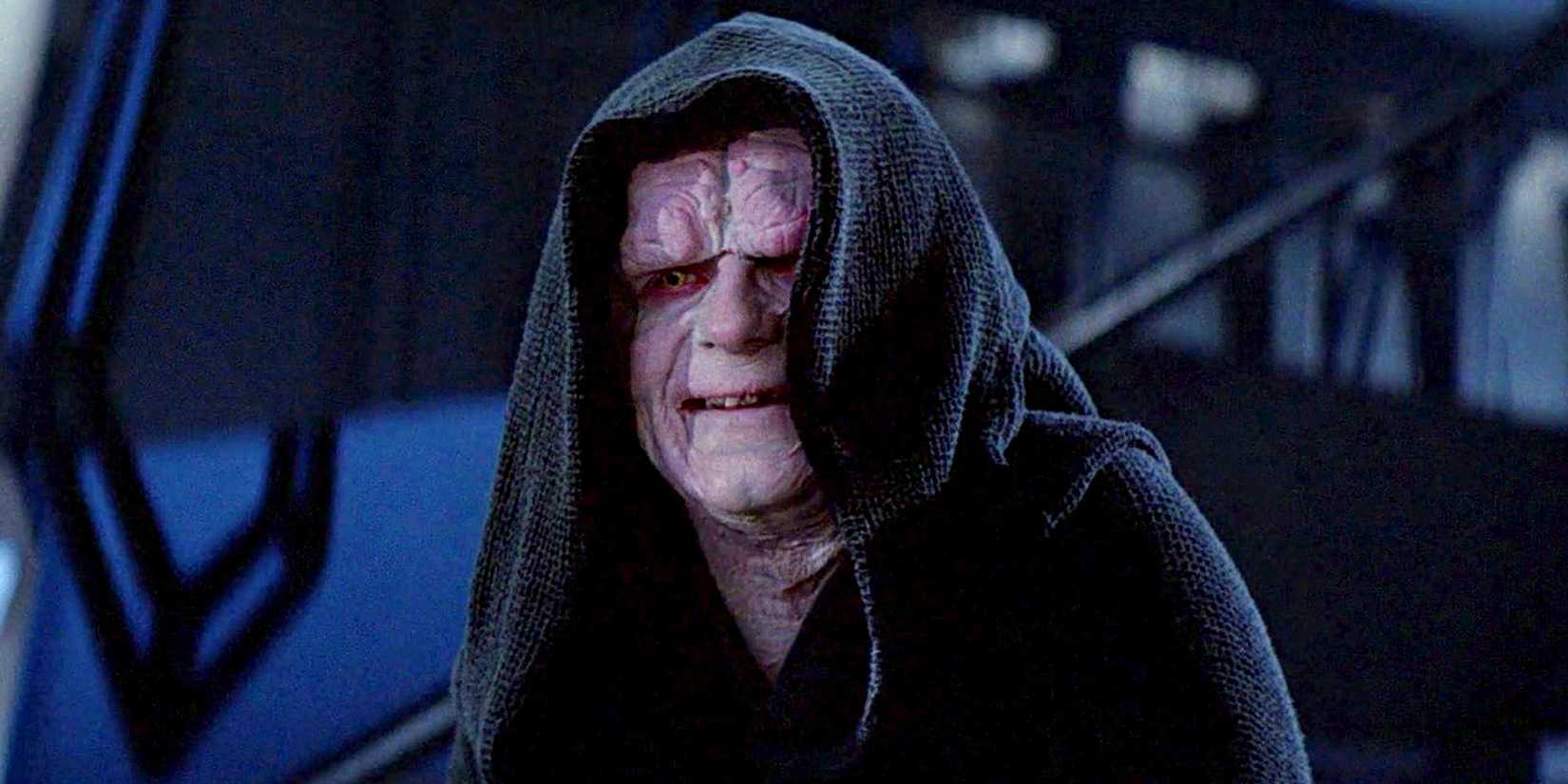
As the "connective tissue" of all nine episodic films, Palpatine’s motivations dictate the entire arc of the Skywalker family. A prequel series would transform him from a "pure evil" archetype into a three-dimensional antagonist, making his eventual defeat in Return of the Jedi and The Rise of Skywalker carry more weight.
2. A New Format for Star Wars
Most Disney+ Star Wars content has focused on the "Western" or "Samurai" tropes (e.g., The Mandalorian, Ahsoka). A Palpatine series offers the chance for a "House of Cards" style political drama. This would diversify the brand’s output and appeal to an older, more prestige-television-oriented audience.
3. The Recasting Challenge
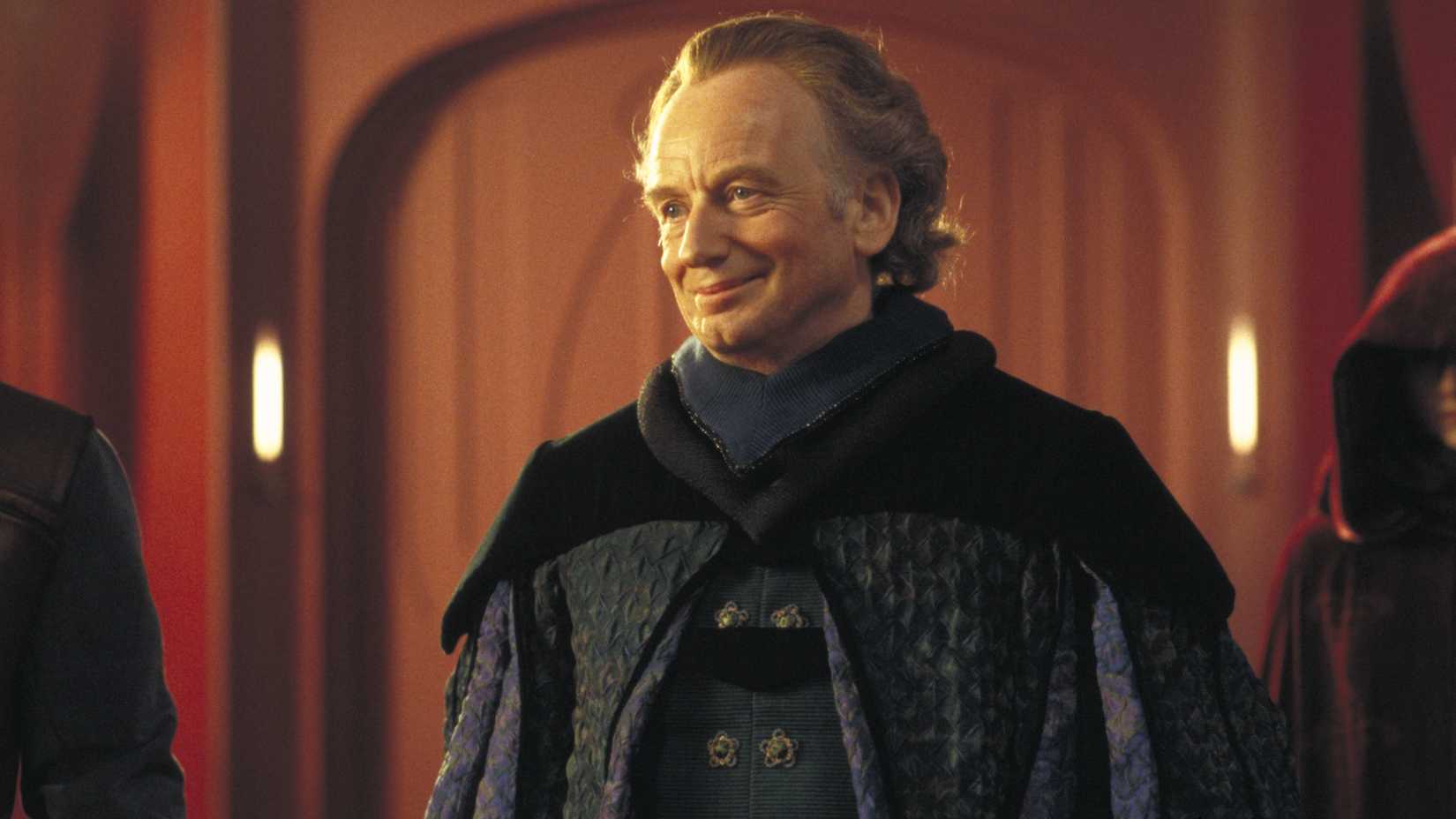
Perhaps the most significant implication is the necessity of recasting. While Ian McDiarmid remains the face of the character, a prequel series would require a younger actor to portray Palpatine in his 20s and 30s. This presents an opportunity for Lucasfilm to find a new lead who can capture the chilling charisma McDiarmid established, similar to how Donald Glover took on the mantle of Lando Calrissian.
4. Addressing the "Sith Rule of Two"
The series could finally provide a visual representation of the "Rule of Two" in practice. Seeing the dynamic between a Master (Plagueis) and an Apprentice (Palpatine) who are both plotting to kill one another while simultaneously plotting to topple a galaxy would provide a tension unlike anything seen in the Jedi-focused stories.
Conclusion: The Shadow of the Creator
George Lucas’s vision for Star Wars was always more expansive than what reached the screen. The revelation that he intended to humanize—or perhaps further dehumanize—the Emperor through a dedicated series reminds us that the "Age of the Sith" remains the most fertile ground for future storytelling.
As Lucasfilm moves into a new era of theatrical releases and streaming expansions, the "Palpatine Prequel" stands as a testament to the creator’s enduring fascination with the dark side of power. Whether Disney chooses to honor that vision or leave it in the archives, the ghost of Sheev Palpatine’s untold origin continues to haunt the galaxy far, far away. For fans, the hope remains that the story of how the Republic fell will one day be told through the eyes of the man who pushed it.