
"Widow’s Bay" Delivers a Spellbinding Summer Surprise with Ambitious Two-Part Episode, Unpacking Centuries of Horror and Heartbreak
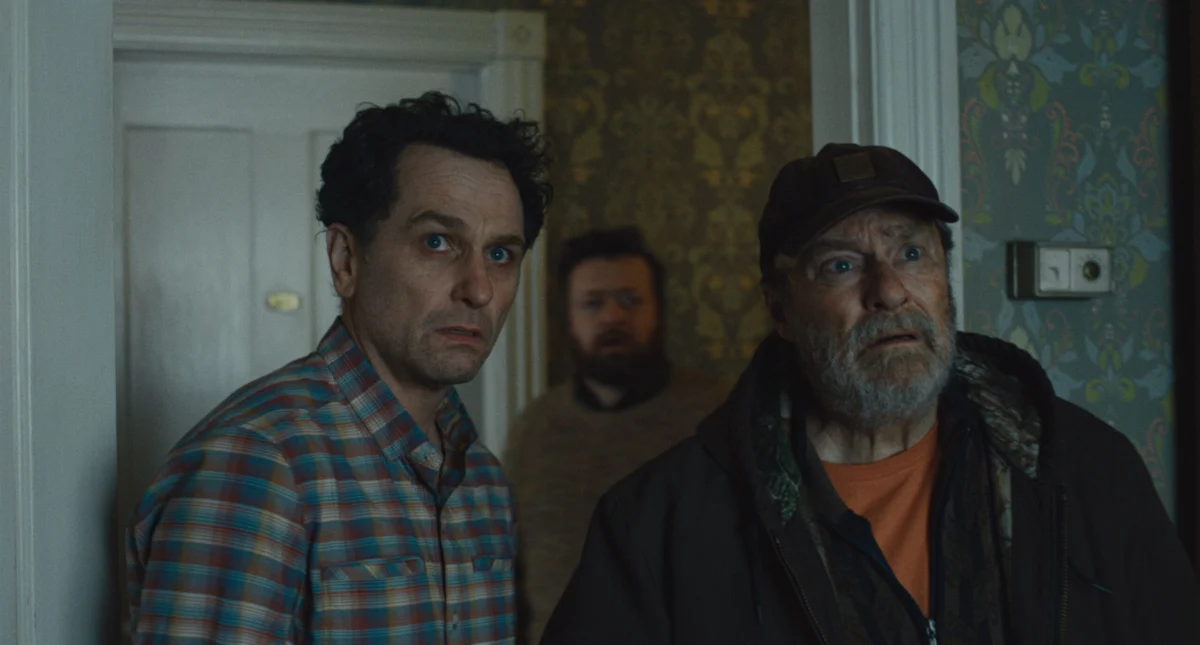
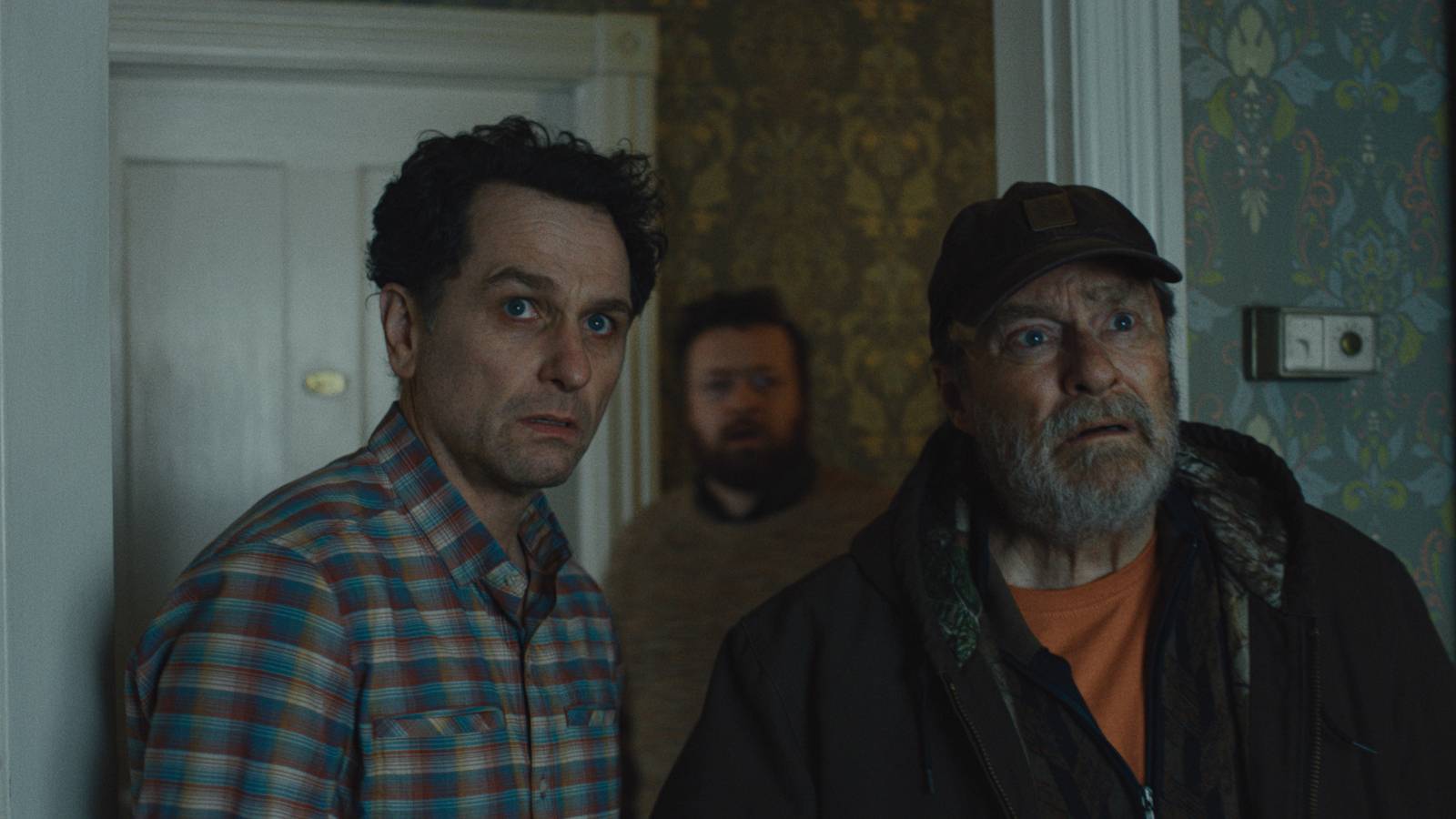
Apple TV+’s horror-comedy series "Widow’s Bay" has consistently charmed audiences with its quirky premise: Mayor Tom Loftis (Matthew Rhys) desperately tries to revitalize his island town through tourism, only to be thwarted by increasingly bizarre supernatural occurrences. From malevolent sea hags to cursed ancient texts, each episode has offered a fresh dose of macabre amusement. However, the show’s latest offering, a two-part installment consisting of episodes six and seven, marks a significant and highly acclaimed departure from its established formula. These episodes, released as a double feature, delve deep into the town’s cursed origins and its lingering impact, proving to be not just a narrative pivot but potentially the most compelling horror cinematic experience of the summer.
Polygon sat down with showrunner Katie Dippold and the standout cast members, including Hamish Linklater and Betty Gilpin, to dissect the creative risks and rewards behind these ambitious installments. Their insights reveal a deliberate and daring approach to storytelling that has captivated both critics and viewers alike.
The Shockwave of "Our History": A Colonial Descent into Darkness
Episode six, enigmatically titled "Our History," throws a historical curveball at the audience. Shifting gears entirely, the episode transports viewers approximately 400 years into the past, offering a stark black-and-white portrayal of Widow’s Bay’s foundational trauma. This departure from the show’s contemporary setting and vibrant palette is a bold move, especially considering it features entirely new characters and a narrative disconnected from the main cast’s ongoing struggles.
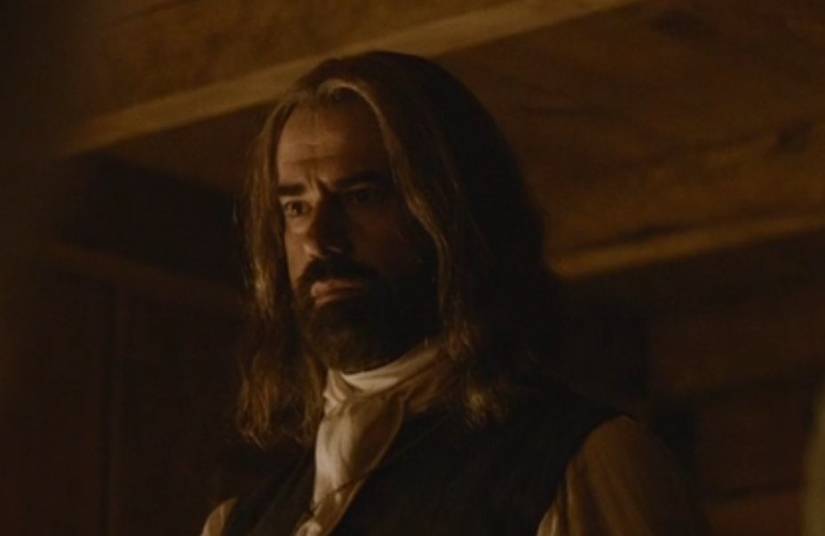
The episode introduces Richard Warren, the island’s revered founder, a figure previously referenced but never fully fleshed out. In this historical interlude, Warren is brought to life by the versatile Hamish Linklater, known for his roles in "Midnight Mass" and "Batman: Caped Crusader." The narrative begins with Warren awaiting the arrival of a new wife from the mainland to care for his motherless children. This role is brilliantly portrayed by Betty Gilpin, acclaimed for her performances in "Glow" and "American Primeval." Her arrival heralds a discovery that shatters the idyllic facade of colonial life: her new husband has forged a pact with the devil, a deal that has rendered him an immortal, monstrous entity tasked with protecting the island.
Linklater, reflecting on the episode’s audacious placement within the season, described it as "baller." He told Polygon, "The show is so bold to just drop this flashback to colonial times in the middle of the season. Right in the middle, we’re going to have an episode where none of our stars are there and these two randos show up and take over the narrative. That’s baller."
While Linklater humorously labels himself and Gilpin as "randos," their presence injects a profound gravitas into the historical narrative. The decision to dedicate an entire episode to a centuries-old backstory, rather than a brief childhood flashback as often seen in other series, underscores "Widow’s Bay’s" commitment to world-building and thematic depth.
Showrunner Katie Dippold explained that this historical detour wasn’t a manufactured attempt at shock value but rather an organic evolution of the show’s narrative. "I know it sounds really basic," Dippold admitted, "but a lot of this show was just us following the fun. To surprise people with a pretty dry colonial horror episode, and still try to make it feel like the show, was very exciting to us. That was the real challenge."
The casting of Linklater was pivotal in realizing Dippold’s vision. "We mentioned this old founder, Richard Warren, throughout the show, and so you want someone that is exciting," she stated. Linklater’s portrayal masterfully navigates the complex character of Warren. Initially appearing as peculiar and perhaps severe, he gradually reveals a darker, more ruthless side, demonstrated by his willingness to eliminate anyone who questions his authority.
The episode’s climax escalates when Warren’s new wife, in alliance with the local priest, orchestrates an assassination attempt. This betrayal, however, only serves to reveal the horrifying truth of Warren’s undeath. The devil’s pact not only grants him immortality but transforms him into a being of immense power, inadvertently cursing the island and its inhabitants for generations to come.
The Moral Ambiguity of the Immortal: Hero or Villain?
The question of whether Richard Warren is a villain is one that Linklater actively engages with, arguing for a more nuanced interpretation. "He thinks he’s doing the best for the community that he can under the circumstances," the actor explained. "He’s going to try to keep as many of them alive by killing as few of them as he possibly can, but the island’s going to want what the island’s going to want. The ends justify the means in his head. Also, he takes a lot of hallucinogens, so that may cloud his judgment." Linklater’s playful assertion, "I’m very comfortable with you calling him a hero," highlights the character’s complex motivations and the show’s willingness to explore the grey areas of morality within its horror framework.
The episode concludes with Warren’s temporary defeat: the townsfolk drug him and bury him alive. This act of preservation, however grim, sets the stage for the present-day narrative. In a desperate bid to break the town’s curse, Mayor Loftis unearths Warren’s undead body, leading to a dramatic confrontation.
"Seasickness": A Corpse Reborn and a Harrowing Voyage
Episode seven, "Seasickness," picks up directly from the chilling cliffhanger, showcasing the resurrected Richard Warren. More ghastly revenant than man, he is a visceral representation of centuries of interment. The meticulous makeup and prosthetic work effectively convey the horrifying decay of an immortal being trapped underground for four hundred years, a testament to the show’s commitment to visual storytelling.

Linklater found a peculiar freedom in the extensive prosthetics. "The freedom of sitting for three-and-a-half hours getting prosthetics put on you," he mused, "You’re blind. You’re like this mole, and you’re like, Well, no one can touch me. I’m like a mole man. I can do whatever I want. I’m in total disguise. It’s like superpowers."
Emerging from his tomb, a disoriented and weakened Warren encounters Mayor Loftis and Wyck (Stephen Root), a recurring antagonist in the series. Warren offers them a desperate bargain: end his immortal existence, and the town’s curse will finally be lifted. The catch, however, is a cruel twist of fate inherent to the curse itself – anyone born on Widow’s Bay perishes the moment they step foot off the island. The only way to kill Warren, therefore, is to take him out to sea, a perilous journey for all involved.
This perilous voyage becomes a central set piece for the episode. The trio embarks on Wyck’s small boat under the cover of night, a journey fraught with tension and dark humor. For Linklater, sharing these scenes with Rhys and Root was a significant highlight, amplified by the "chaotic" and "hilarious" atmosphere behind the scenes.
"It was totally chaotic," Linklater recalled. "Steven and Matthew, being on a boat with them, they’re just hilarious." Rhys chimed in, praising Linklater’s improvisational prowess. "Hamish was coming up with some stellar improvisation lines," Rhys said. "I lost it when he goes, ‘I’m going to make you eat your own cock.’ I know I shouldn’t say that, but it made me laugh a lot."
The voyage, initially proceeding with a semblance of order, descends into pandemonium when Warren, fueled by a surprisingly potent batch of canned sausages, regains a portion of his strength. The prospect of eternal death suddenly becomes far less appealing, and he turns on his captors, attempting to murder them.
Stephen Root described the surreal experience of grappling with a resurrected Linklater on a small boat. "I’m fighting a zombie, really? When did I sign on for this?" he quipped.
The Aftermath and Lingering Horrors
Despite the harrowing ordeal, Loftis and Wyck manage to overpower Warren and fulfill his request, seemingly vanquishing the immortal curse. This moment of triumph, however, is likely to be short-lived, given the show’s remaining episodes. Yet, for the actors involved, the most indelible memory of the scene wasn’t the zombie combat or the climactic victory, but rather the unappetizing sustenance that inadvertently fueled Warren’s resurgence.
"The food was disgusting on that boat," Linklater declared emphatically. "They have to fire the chef or caterer. I mean, geez, Vienna sausages are disgusting. Vienna should apologize to sausages for what they did to it. They taste like vomit." He further elaborated on the unpleasantness of consuming the food with his prosthetic teeth: "What’s even better," he continued sarcastically, "is when you have fake teeth, then you can’t even just spit it out because it gets inside of the denture. So the flavor is with you always."
Rhys offered a more lighthearted observation of Linklater’s plight: "Watching Hamish eat with a fake beard was glorious, much as he hated it."
The Broader Impact and Future of "Widow’s Bay"
The success of these two episodes lies not only in their ambitious storytelling but also in their ability to enrich the overarching narrative of "Widow’s Bay." By delving into the town’s origin, the show has provided a deeper understanding of the supernatural forces at play and the enduring legacy of its cursed past. This historical context adds layers of complexity to Mayor Loftis’s ongoing struggle and raises the stakes for future endeavors to break free from the island’s malevolent grip.
The critical acclaim for these episodes suggests that audiences are receptive to narrative risks and appreciate shows that are willing to experiment with form and content. The blend of historical horror, character-driven drama, and the signature comedic sensibilities of "Widow’s Bay" has proven to be a potent combination. As the season progresses, viewers will undoubtedly be eager to see how the events of "Our History" and "Seasickness" continue to reverberate through the present-day narrative, potentially shaping the ultimate fate of Widow’s Bay and its beleaguered mayor. The double feature has undoubtedly solidified "Widow’s Bay’s" position as a standout series, demonstrating its capacity for both chilling scares and profound storytelling.
Widow’s Bay is currently streaming on Apple TV+.




Leave a Comment