The Summer of 2026: How ‘Moana’ and ‘Evil Dead Burn’ are Poised to Redefine the Blockbuster Double-Bill
The cinematic landscape of 2026 is rapidly shaping up to be one of the most robust periods for the global box office since the pre-pandemic era. While the industry recently weathered the disappointment of high-profile misses like Supergirl, the tide is turning thanks to a string of mid-budget sleeper hits such as Obsession and Backrooms. However, the true test of the summer’s staying power arrives on July 10, 2026, with a high-stakes double feature that highlights the industry’s most reliable pillars: Disney’s penchant for live-action reimagining and the enduring, visceral pull of the R-rated horror franchise.
With Disney’s live-action Moana and Warner Bros.’ Evil Dead Burn set to debut simultaneously, analysts are predicting a weekend that caters to nearly every demographic. This strategic "counterprogramming" is not just a scheduling coincidence; it is a calculated move to maximize theater foot traffic by offering two diametrically opposed experiences: a sweeping, family-friendly musical adventure and a grueling, gore-filled descent into supernatural terror.
I. Main Facts: Projections and Preliminary Box Office Targets
As the July 10 release date approaches, industry tracking services and financial analysts are narrowing their projections for what is expected to be a lucrative weekend. According to data from Box Office Theory, Disney’s Moana—a live-action remake of the 2016 animated classic—is currently tracking for a domestic opening weekend between $70 million and $89 million.
While these figures may appear conservative when compared to the record-breaking performance of Moana 2 in late 2024, they represent a strong start for a live-action adaptation. The film, directed by Hamilton visionary Thomas Kail, carries a reported production budget in the neighborhood of $200 million. For Disney, a domestic opening nearing $90 million, coupled with the anticipated dominance in international markets (specifically in the Asia-Pacific region), would put the film on a clear path to profitability.
Simultaneously, Warner Bros. is preparing for the release of Evil Dead Burn, the latest entry in the 45-year-old franchise created by Sam Raimi. Early tracking suggests a domestic debut in the $21 million to $30 million range. While this is significantly lower than Moana’s raw numbers, the "relative win" for Evil Dead is arguably greater. Horror films typically operate on a fraction of a Disney blockbuster’s budget. With a projected opening of $25 million, Evil Dead Burn would likely recoup its production costs within its first week, continuing the franchise’s streak of high-yield returns.
II. Chronology: The Evolution of Two Cinematic Titans
To understand why these two films are expected to succeed, one must look at the historical trajectory of their respective franchises.
The Moana Legacy: From Animation to Live-Action
The original animated Moana debuted in 2016 to critical acclaim and a solid $56.6 million opening weekend. It eventually grossed $684.3 million worldwide, but its true power was felt in its "long-tail" success on streaming platforms and merchandise. By 2024, the demand for the world of Motunui had reached a fever pitch, leading to Moana 2. That sequel shattered records, leading the biggest Thanksgiving weekend in history with a $225.4 million five-day opening and eventually crossing the $1 billion threshold.
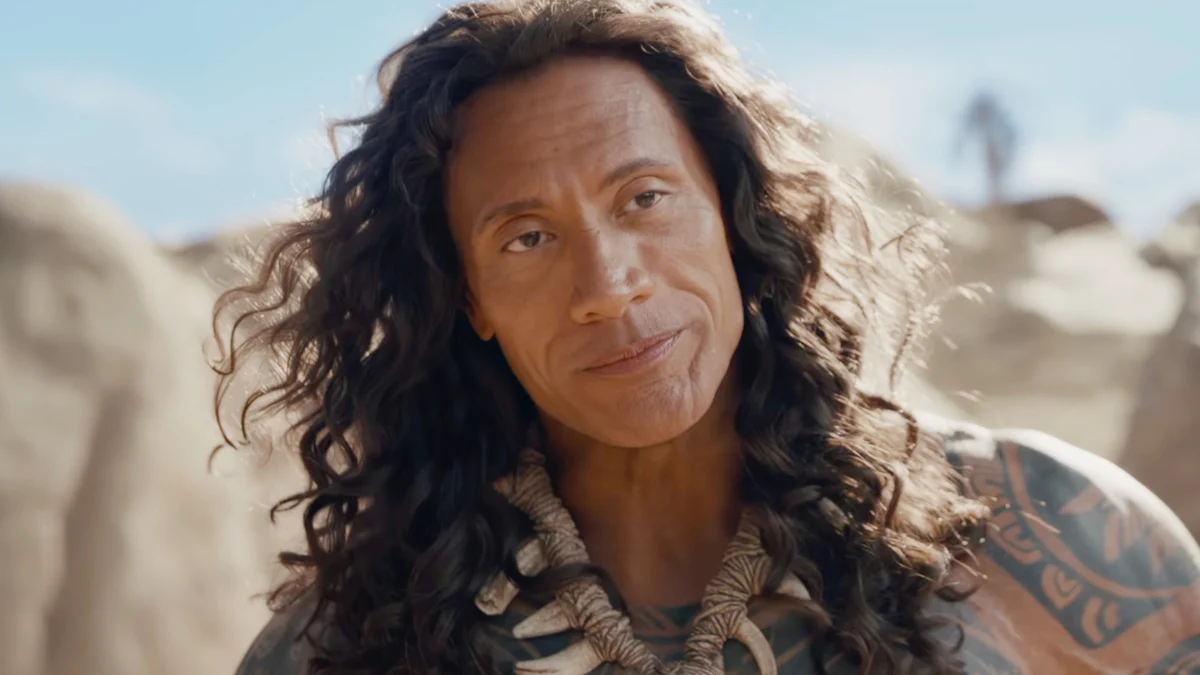
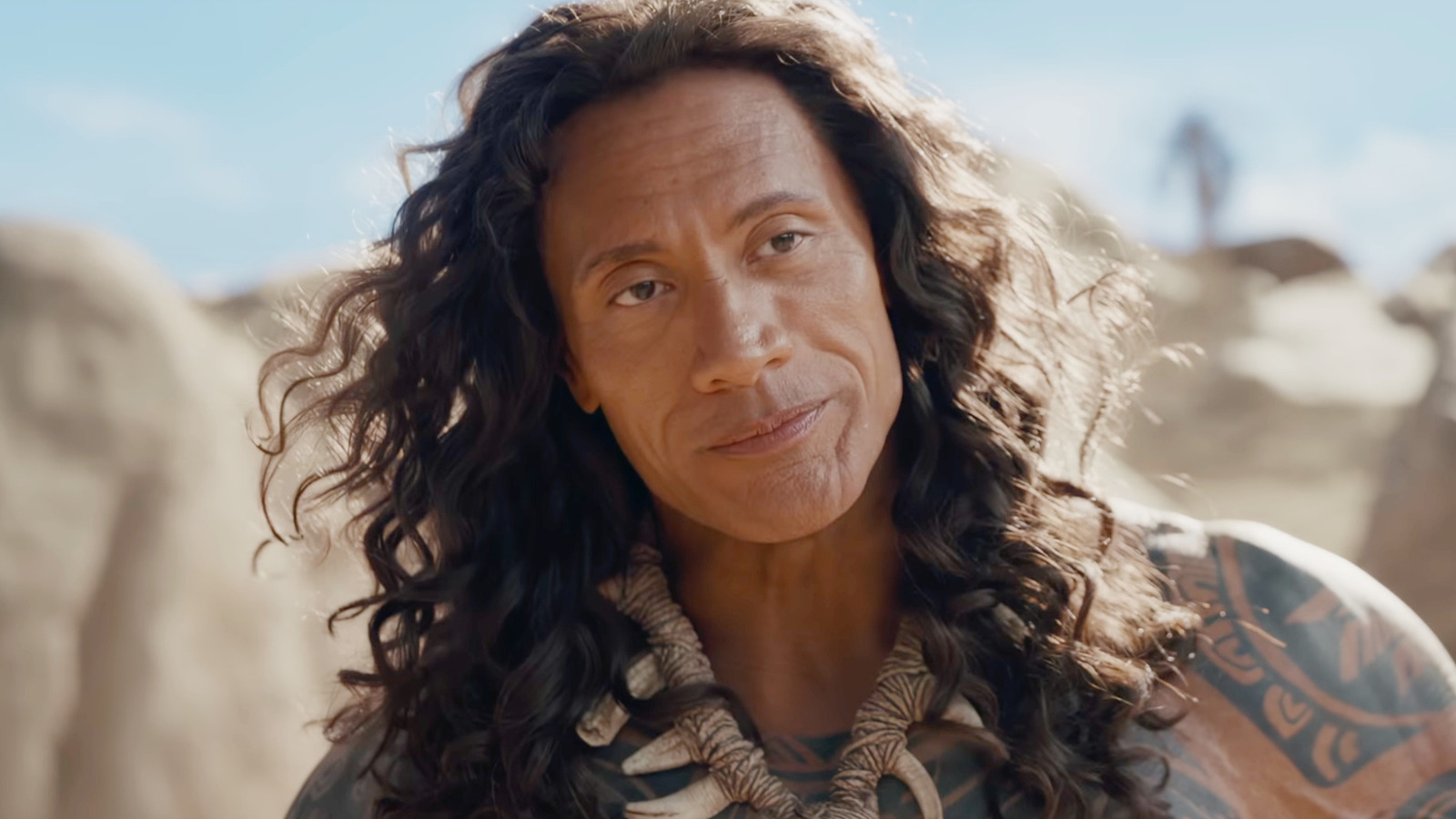
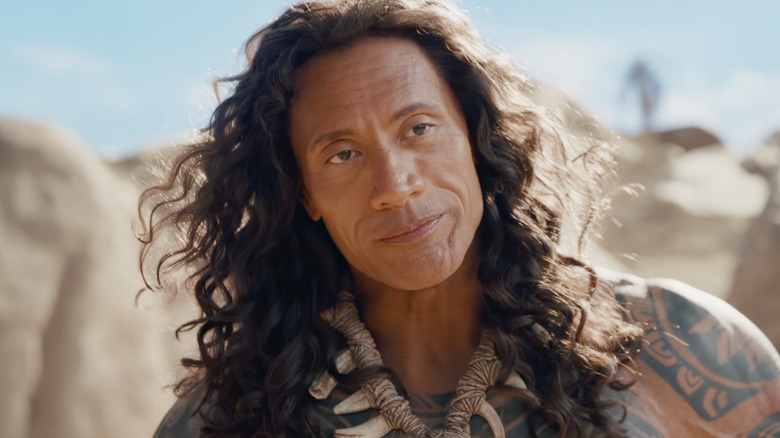
The decision to fast-track a live-action version—starring Catherine Laga‘aia as the titular heroine and Dwayne "The Rock" Johnson reprising his role as Maui in the flesh—was seen by some as a risk given the proximity to the animated sequel. However, Disney’s strategy relies on the "multi-generational bridge." By 2026, the children who saw the original in 2016 are young adults, and the children who saw Moana 2 are the new primary audience, creating a perfect storm of nostalgia and fresh interest.
The Evil Dead Resurrection: 45 Years of Deadites
On the opposite end of the spectrum, Evil Dead has proven to be one of the most resilient brands in horror. Following the 1981 original, the series saw a successful "serious" reboot in 2013, which opened to $25.7 million and earned nearly $100 million worldwide.
The franchise reached a new commercial peak in 2023 with Evil Dead Rise. By moving the action from a cabin in the woods to a condemned city apartment, Rise opened to $24.5 million and finished its run with a staggering $147.2 million worldwide. Evil Dead Burn represents the next step in this evolution, directed by Sébastien Vaniček, the French filmmaker behind the acclaimed creature-feature Infested. This chronology suggests a franchise that is not just surviving, but actively expanding its reach.
III. Supporting Data: The Financial Logic of Disney and Horror
The "double win" predicted for July 2026 is backed by a decade of box office data. Between 2010 and 2019, Disney’s live-action remakes generated more than $7 billion in global revenue. While purists often question the necessity of these remakes, the data shows that general audiences—those who do not frequent film forums or social media debates—consistently show up for "safe" hits. The Lion King (2019) and Beauty and the Beast (2017) both cleared $1 billion, proving that the visual spectacle of seeing animated worlds brought to life is a massive draw.
For Warner Bros. and the horror genre, the data is even more encouraging regarding Return on Investment (ROI). Horror remains the most reliable genre in the modern theatrical era. Unlike massive superhero epics that require $500 million to break even, horror films like the Evil Dead series often have "break-even" points as low as $40 million to $50 million.
Comparison of Recent Franchise Performance:
- Moana (Animated, 2016): $56.6M Opening / $684M Total
- Moana 2 (Animated, 2024): $225.4M (5-day) Opening / $1B+ Total
- Evil Dead (2013): $25.7M Opening / $99M Total
- Evil Dead Rise (2023): $24.5M Opening / $147M Total
The projected $21M–$30M for Evil Dead Burn places it perfectly in line with its predecessors, suggesting a stable and loyal fanbase that is unaffected by the competition of a Disney giant.
IV. Official Responses and Creative Direction
While official studio statements often focus on "excitement for fans," the creative choices behind these films reveal a deeper strategy.
For Moana, Disney has leaned heavily into cultural authenticity. The casting of Catherine Laga‘aia, a young actress with Samoan heritage, was a response to the growing demand for genuine representation in Hollywood. Thomas Kail, known for his work on Hamilton, has hinted that the live-action version will lean more into the "scale and mythic nature" of the Pacific Islands, utilizing cutting-edge water-simulation technology that surpasses what was possible in the animated format.
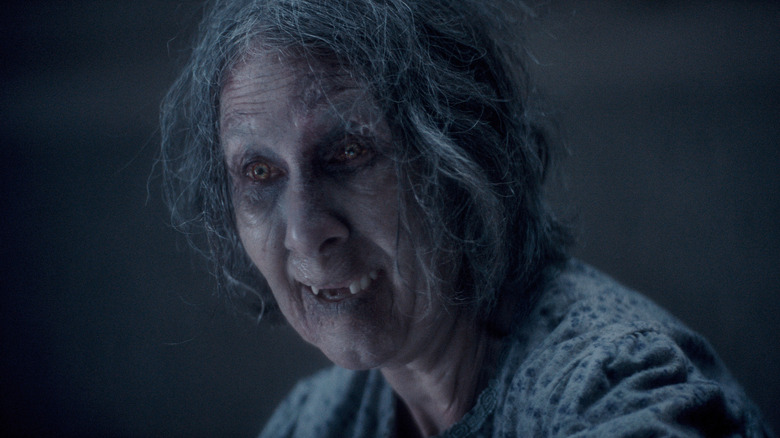
Conversely, the team behind Evil Dead Burn is leaning into the "visceral and uncomfortable." Early reactions to the trailers suggest that Vaniček has maintained the franchise’s reputation for extreme practical effects. In a move to reassure the "hardcore" fanbase, the production has emphasized its commitment to the R-rating, with trailers that reportedly made even seasoned horror journalists "wince." This commitment to the "splatter" roots of the series is a direct response to the "sanitization" of other horror franchises.
V. Implications: The Return of the "Barbenheimer" Strategy
The most significant implication of the July 10 weekend is the return of aggressive counterprogramming as a viable industry health indicator. In the immediate years following the 2020 theater closures, studios were hesitant to release major films on the same weekend, fearing they would "cannibalize" each other’s audiences.
The "Barbenheimer" phenomenon of 2023—where Barbie and Oppenheimer both thrived simultaneously—shattered that myth. It proved that a "theatrical event" weekend can actually lift all boats. When a theater is packed for Moana, the trailers for upcoming films are seen by more people, and the general "buzz" of a crowded cinema lobby creates a cultural moment that streaming cannot replicate.
What This Means for the Future:
- Genre Specialization: Studios are realizing they don’t need to compete for the same audience. Moana owns the 6–14 age bracket and their parents, while Evil Dead Burn owns the 18–35 horror-enthusiast demographic.
- Franchise Longevity: For Disney, a successful Moana live-action film validates their plan to continue remaking their "New Classics" (films from the 2010s). For Warner Bros., it paves the way for the already-announced Evil Dead Wrath in 2028.
- Theatrical Primacy: This double-bill reinforces the idea that "event" films are the only way to ensure theatrical survival. Both films offer experiences—large-scale musical numbers and communal scares—that are significantly diminished on a home television.
In conclusion, while the box office can be a volatile environment, the upcoming clash between the demigod Maui and the Deadites represents a sophisticated, mature approach to film distribution. If projections hold, July 10, 2026, will be remembered as the weekend Hollywood successfully balanced the magical with the macabre, proving that there is still plenty of room for both in the hearts (and wallets) of the global audience.