
The Symphony of the Startup: How PlayStation Mastered the Art of the Boot-Up Sequence
For over three decades, a familiar ritual has unfolded in living rooms worldwide. The press of a button, a brief flicker, and then, a captivating cascade of motion and sound. Before the familiar dashboard of a PlayStation console appears, a meticulously crafted sequence plays out – a prologue designed not merely for function, but as an experience in itself. This brief, seconds-long overture, with its distinct beginning, build, pause, and release, has evolved across generations, becoming an indelible part of the PlayStation identity, a testament to the power of deliberately designed transitions.
The Genesis of a Gaming Overture: From Functional Necessity to Artistic Statement
The inception of the PlayStation’s signature startup sequence can be traced back to the console’s nascent stages. Manabu Sakamoto, the visionary behind the original PlayStation logo, aimed to encapsulate one of the console’s most revolutionary promises: the advent of 3D gaming. His iconic interlocking ‘P’ and ‘S’ weren’t merely static elements; they were designed to evoke a sense of depth and spatial immersion, a departure from the flat visuals of previous eras.
By the spring of 1994, this nascent identity was poised to leap into motion. The task of transforming the static logo into a dynamic animation was entrusted to sound designer Takafumi Fujisawa. Dubbed a "motion logo" by the development team, this animated sequence was accompanied by a crucial directive: imbue it with a sense of anticipation, a feeling akin to stepping into a grand cinema. Fujisawa, working within the stringent technical limitations of the time, was given a broad canvas. His goal was to create a sonic and visual atmosphere that hinted at the immersive worlds awaiting the player.
"A straight cut from power-on to interface would give you a change of state and nothing else," explains the article. "Motion gives those few seconds structure; sound and visual design give them character. They are all working together, but motion is what determines how the experience unfolds through time." This fundamental understanding laid the groundwork for a design philosophy that would endure. The startup was not an afterthought; it was an integral component of the user experience, a deliberate design choice that elevated functional downtime into a moment of brand immersion.
A Chronology of Cinematic Transitions: Evolution Across Console Generations
The evolution of the PlayStation startup sequence mirrors the technological advancements and aesthetic shifts in the gaming landscape. Each iteration, while distinct in its visual language and sonic palette, has retained the core principle of crafting an engaging pre-game experience.
-
PlayStation (PS1, 1994): The Cinematic Overture. Fujisawa’s original vision for the PS1 startup was a masterclass in subtle anticipation. The iconic pulsing of the logo, accompanied by a distinctive, almost ethereal hum that crescendoed into a triumphant chime, was designed to signify the console’s readiness and the successful loading of the game disc. This was not just an aesthetic flourish; it served a crucial functional purpose. In an era where disc read errors were not uncommon, the startup sequence’s audio cues provided vital feedback. A looping sound indicated a problem, effectively communicating a hardware or disc issue to the user before they even attempted to launch a game. This fusion of form and function was groundbreaking, establishing a precedent for future PlayStation generations.
-
PlayStation 2 (PS2, 2000): The Evolving Orb. The PS2 era saw a significant leap in graphical capabilities, and its startup sequence reflected this. The iconic orb, which spun and pulsed with increasing intensity, accompanied by a more complex and layered soundscape, conveyed a sense of power and sophistication. The visual design became more fluid and dynamic, moving away from the simpler animation of the PS1. This iteration further cemented the idea that the startup was an opportunity to showcase the console’s advanced technology and artistic direction.

-
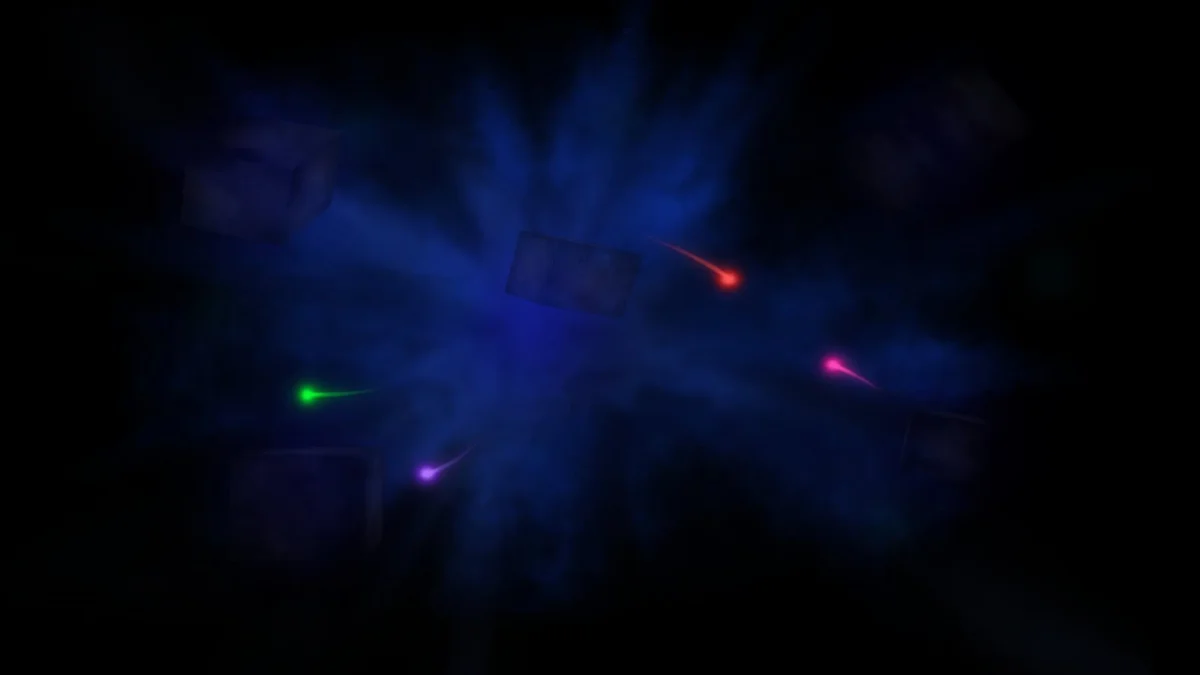
PlayStation 3 (PS3, 2006): The Expanding Cosmos. With the advent of HD graphics, the PS3 startup sequence embraced a grander, more expansive visual theme. The swirling particles and abstract cosmic imagery, coupled with a richer orchestral score, created a sense of immense scale and possibility. This was a deliberate move to position the PS3 as a powerful entertainment hub, capable of delivering cinematic experiences even before a game began.
-
PlayStation 4 (PS4, 2013): The Streamlined Pulse. The PS4 introduced a more minimalist and sleek approach. The iconic blue light and pulsing sound returned, but with a refined and modern aesthetic. The sequence was quicker and more direct, reflecting the industry’s increasing emphasis on seamless user interfaces and immediate access to gameplay. The focus shifted towards a sense of calm readiness and efficient transition.
-
PlayStation 5 (PS5, 2020): The Immersive Dawn. The PS5’s startup sequence represents a culmination of decades of design evolution. It opens with a more abstract and ethereal visual, gradually coalescing into the familiar PlayStation logo. The sound design is equally intricate, building from a subtle ambient tone to a powerful, resonant chord. This iteration aims to evoke a sense of wonder and anticipation, preparing the player for the immersive worlds that await. The PS5’s startup feels like a deliberate invitation into a new realm of gaming, a sophisticated blend of visual artistry and sonic immersion.
Beyond the main console iterations, handheld devices like the PSP (2004) and PS Vita (2011) also featured their own unique startup animations, each designed to align with the device’s portability and specific user experience. While the visual and auditory elements have undergone significant transformations, the underlying principle remains consistent: to provide a branded, engaging, and anticipatory transition into the gaming environment.
The Strategic Imperative: More Than Just an Atmosphere
The PlayStation startup sequence is far more than a mere aesthetic embellishment; it serves multiple strategic functions that contribute to the overall brand experience.
1. Communicating System Status and Readiness:
As highlighted with the PS1’s initial design, the startup sequence played a critical role in conveying the console’s operational status. The success of hardware initialization and disc loading was audibly and visually communicated, providing immediate feedback to the user. This practical function, while less critical in modern consoles with more robust error-handling systems, laid the foundation for the startup’s importance in establishing a sense of system integrity.
2. Orchestrating the User Journey:
The sequence acts as a crucial organizational tool, guiding the player through the transition from power-on to active gameplay. It creates a discernible sense of progression, a structured pathway that makes the eventual arrival at the dashboard or game selection screen feel deliberate and earned. This structured approach helps to manage user expectations and prepare them for the interactive experience that follows.

3. Building Brand Identity and Emotional Resonance:
Perhaps the most significant function of the startup is its role in reinforcing brand identity. The unique visual and auditory elements become intrinsically linked with the PlayStation brand. This consistent exposure over generations creates a powerful emotional connection with consumers. The startup is a familiar comfort, a signal that they are entering a world they know and trust. It fosters a sense of belonging and anticipation, turning a technical necessity into a cherished ritual.
4. Enhancing Perceived Value and Sophistication:
A well-designed startup sequence elevates the perceived value of the console. It suggests a commitment to detail and quality from the manufacturer. The effort invested in these seemingly small moments communicates a dedication to creating a premium user experience, differentiating PlayStation from competitors and reinforcing its position as a leader in the gaming industry.
Official Statements and Industry Recognition
While Sony, the parent company of PlayStation, rarely issues explicit statements solely about its startup sequences, the enduring presence and consistent evolution of these animations speak volumes about their strategic importance. The fact that each new console generation introduces a reimagined, yet thematically consistent, boot-up experience underscores Sony’s commitment to this element of brand storytelling.
Industry analysts and design critics have frequently lauded PlayStation’s startup sequences as exemplary instances of motion design and brand integration. Articles and discussions often highlight these moments as prime examples of how even brief transitions can profoundly impact user experience and brand perception. The sequences are frequently cited in design discourse as benchmarks for effective visual communication and emotional branding.
The inclusion of a YouTube video compiling all PlayStation startups, as seen in the provided content, further emphasizes the cultural impact and fan appreciation for these animated intros. This user-generated content signifies the sequences’ place in the collective memory of gamers.
Implications and the Future of Designed Transitions
The enduring success of PlayStation’s startup sequences offers significant implications for broader design principles, particularly in the realm of user experience.
1. The Power of "In-Between" Moments:
The PlayStation example demonstrates that the moments between primary interactions are not empty voids but fertile ground for brand building. Companies across various industries can learn from this by recognizing that app openings, payment confirmations, loading screens, and other transitional periods are opportunities to reinforce brand identity, manage user expectations, and create a more cohesive and engaging experience.
2. Motion as a Material of Time:
As the article aptly states, "Motion matters disproportionately in those spaces because it works in the same material the moment is made of: time." This is a crucial insight. Motion graphics can effectively control pace, signal change, build anticipation, and prepare users for what’s next in a way that static visuals cannot. As technology advances, the potential for dynamic and interactive transitions will only grow.
3. Consistency Through Evolution, Not Stagnation:
PlayStation’s ability to maintain a consistent brand identity across generations while continuously evolving its startup sequences is a masterclass in strategic branding. It shows that consistency doesn’t require repetition of the same expression but rather a recognition of the core value and purpose of a design element. This approach allows brands to remain relevant and engaging in a constantly changing landscape.
4. The Unseen Architect of Brand Loyalty:
The emotional resonance built through these repeated, deliberately designed moments contributes significantly to brand loyalty. Gamers don’t just buy a console; they invest in an ecosystem, and the startup sequence is an early, consistent signal of belonging to that ecosystem. This subtle yet powerful reinforcement of brand identity can be a key differentiator in a competitive market.
In conclusion, the PlayStation startup sequence is far more than a technical necessity; it is a meticulously crafted piece of brand artistry. From its functional origins to its current status as a beloved ritual, it exemplifies how deliberate design, particularly the strategic use of motion and sound, can transform mundane transitions into powerful moments of brand immersion, emotional connection, and enduring loyalty. As technology continues to evolve, the lessons learned from PlayStation’s symphony of the startup will undoubtedly continue to shape how brands engage with their audiences in the ever-critical space of digital experience.


