
The TARDIS Takes Another Turn: Doctor Who’s Fragmented Future on US Streaming
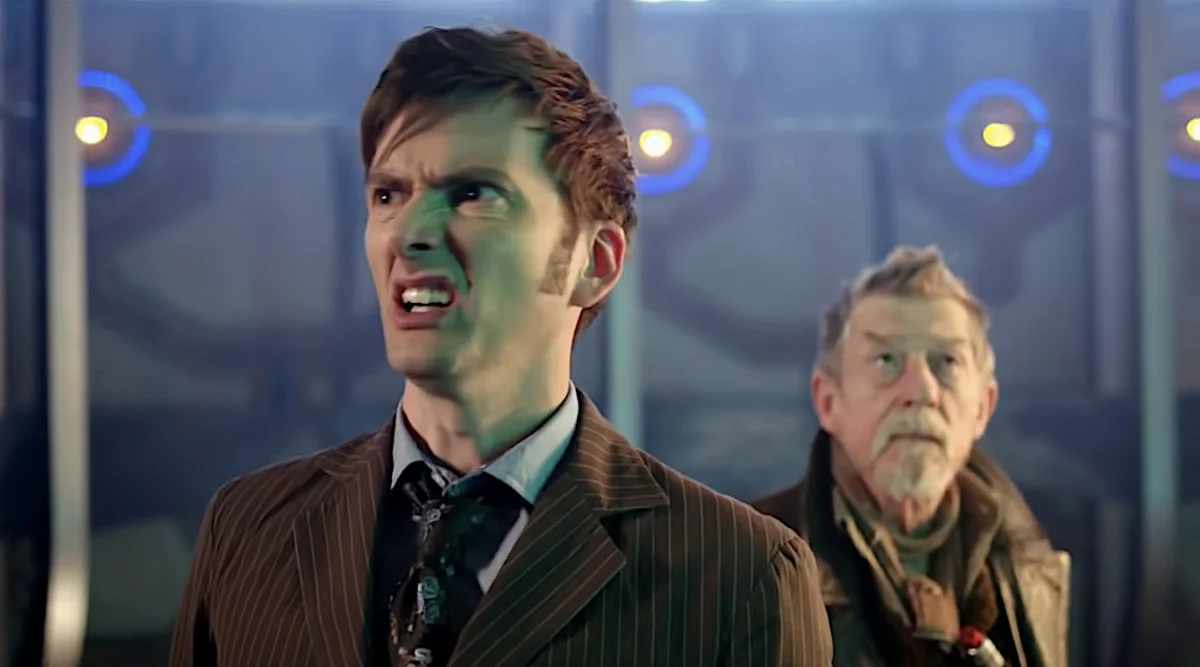
The beloved British time-travel saga, Doctor Who, finds itself once again navigating the tumultuous currents of the American streaming landscape. In a move that brings both relief and renewed complexity for fans, AMC+ has secured the exclusive US streaming rights to a significant portion of the modern Who era. However, this acquisition, while welcome, underscores a persistent challenge for enthusiasts: the increasingly fractured nature of the Whoniverse across multiple digital platforms.
For over a year, 13 seasons of the Doctor Who revival (spanning the Ninth through Thirteenth Doctors) have been largely unavailable for streaming in the United States, following their departure from HBO Max. Their return to AMC+ marks a crucial step in making these pivotal chapters accessible once more. Yet, for those aspiring to watch all of Doctor Who – from its classic beginnings to its most recent adventures – the journey remains a complex, multi-subscription odyssey.
Main Facts
A New Home for the Modern Era
Effective June 11, AMC+ will become the exclusive streaming destination in the United States for 13 seasons of the Doctor Who revival, encompassing the eras of Doctors Christopher Eccleston (the Ninth Doctor), David Tennant (the Tenth Doctor), Matt Smith (the Eleventh Doctor), Peter Capaldi (the Twelfth Doctor), and Jodie Whittaker (the Thirteenth Doctor). This acquisition breathes new life into a substantial body of work that had been frustratingly unstreamable for American audiences since its removal from HBO Max (now simply Max) approximately a year prior. For many fans, this news is a welcome relief, ensuring that the foundational seasons that reintroduced Doctor Who to a new generation are readily available on a single platform. The return of these seasons, which revitalized the franchise globally, is a significant win for AMC+, bolstering its content library with a high-profile, critically acclaimed series known for its passionate fanbase.
The Fractured Whoniverse
Despite AMC+’s substantial acquisition, the landscape of Doctor Who streaming in the US remains anything but unified. Fans seeking a comprehensive viewing experience will find themselves juggling multiple subscriptions. While AMC+ will host the core revival series from 2005 to 2022, it will notably not include the foundational classic Doctor Who serials (1963-1989), nor the recent 60th anniversary specials, nor the two seasons starring Ncuti Gatwa, which are currently produced in partnership with and exclusively stream on Disney+. For classic Doctor Who, viewers must turn to platforms like Britbox, Tubi, or even Pluto TV, each offering a varying selection of the show’s extensive back catalogue. This dispersal of content across different services transforms the act of being a complete Doctor Who fan into a logistical and financial challenge, demanding loyalty (and payment) to several distinct streaming ecosystems.
The Cost of Fandom
The current streaming arrangement places a considerable burden on dedicated Doctor Who fans who wish to consume the entirety of the franchise. To access the breadth of the Whoniverse, a viewer would theoretically need subscriptions to AMC+ for the 2005-2022 revival, Disney+ for the latest seasons and specials, and at least one of Britbox, Tubi, or Pluto TV for the classic era. This multi-platform requirement translates directly into increased monthly expenses and the inconvenience of navigating different user interfaces and content libraries. What should ideally be a seamless journey through time and space becomes a fragmented, and often frustrating, experience. The current situation forces fans to make difficult choices about which segments of the show they prioritize, potentially alienating those unwilling or unable to bear the cumulative cost of full immersion in the Doctor Who saga.
Chronology of Streaming Shifts
The HBO Max Exodus
The journey of Doctor Who‘s modern revival through the US streaming market has been characterized by significant transitions. For a considerable period, HBO Max served as the primary digital home for the 2005-2022 seasons, providing a relatively stable and accessible platform for fans to revisit their favorite Doctors. However, as is common in the increasingly competitive and complex world of content licensing, these rights eventually expired. Around a year ago, the 13 seasons departed HBO Max, leaving a gaping hole in the digital availability of the series for American viewers. This "exodus" created a period of uncertainty and frustration for fans, as a core component of the modern Whoniverse became largely unstreamable, forcing many to resort to physical media or forego re-watching their favorite episodes entirely. The move highlighted the impermanence of streaming deals and the vulnerability of even the most established franchises to shifting corporate strategies and licensing negotiations.
Disney+’s Grand Entrance and Uncertain Departure
In late 2022, a groundbreaking partnership between the BBC and Disney+ was announced, positioning Disney+ as the new global home for Doctor Who outside the UK and Ireland, starting with the 60th anniversary specials and the subsequent Ncuti Gatwa era. This deal was heralded as a major step forward, promising a significant boost in the show’s international reach and production budget. However, the initial optimism has been tempered by a cloud of uncertainty regarding the long-term viability of this partnership. The original article itself highlighted a particularly bewildering hypothetical future scenario to underscore the sheer unpredictability, positing that the second Disney+ season starring Gatwa might conclude in 2025 with a surprise regeneration into Billie Piper, all without further seasons announced and amidst questions about the BBC/Disney collaboration. While this specific scenario is presented as a speculative illustration of the confusion, the underlying concern about the partnership’s future gained traction when the BBC officially announced in October 2025 that the Doctor would return at Christmas 2026, a statement widely interpreted as confirming the conclusion of the Disney+ partnership for the main series. This implied separation, even as Disney+ continues to host the initial Gatwa seasons and the 60th specials, leaves fans pondering the show’s next international distribution strategy.
The Classic Conundrum
While the modern era of Doctor Who has seen its share of streaming musical chairs, the classic series (1963-1989) has maintained a more consistent, albeit still segmented, presence. For years, Britbox, a streaming service specializing in British television, has been the most comprehensive home for the classic Doctors in the US, offering a vast library of serials from the First through Seventh Doctors. However, other platforms have also dipped into the classic archives. Tubi, a free, ad-supported streaming service, hosts a selection of classic Doctor Who episodes, making them accessible to a broader audience without a subscription fee. Similarly, Pluto TV, another ad-supported platform, has also featured various classic episodes, often rotating its offerings. This fragmented approach to the classic series means that while many episodes are available, no single platform provides the entire 26-season run in one convenient location. This distribution model, while offering free options, still requires fans to know where to look for specific eras or Doctors, adding another layer of complexity to the overall Doctor Who viewing experience in the US.
Supporting Data and Industry Context
The Streaming Wars and Content Segmentation
The fragmented streaming landscape for Doctor Who is not an isolated incident but a microcosm of the broader "streaming wars" phenomenon. In an increasingly saturated market, media companies are fiercely competing for subscriber attention and loyalty. This intense competition often leads to content segmentation, where popular franchises are strategically distributed across different platforms to maximize revenue, drive new subscriptions, or bolster existing services. As major studios and broadcasters launch their own direct-to-consumer platforms, they are increasingly pulling back valuable intellectual property from third-party services. Licensing deals, once long-term and comprehensive, are now often shorter, more granular, and subject to frequent renegotiation. For a global phenomenon like Doctor Who, with its extensive back catalogue and ongoing production, this translates into a complex web of rights ownership, resulting in a fractured viewing experience that can leave even the most dedicated fans feeling bewildered.
The Value of a Franchise
Doctor Who represents a prime example of a highly valuable, globally recognized franchise. With over six decades of history, a dedicated multi-generational fanbase, and a constantly regenerating lead character, it possesses immense cultural capital and proven longevity. For streaming services, acquiring rights to such a property is a strategic investment aimed at subscriber acquisition and retention. A beloved series like Doctor Who can serve as a "tentpole" offering, attracting new users who might then explore other content on the platform. Its association lends prestige and credibility to a service, especially for those looking to expand their international or genre-specific appeal. The BBC, as the originator of the franchise, leverages these global licensing deals to secure crucial funding for production, ensuring the show’s continued existence and high-quality output, even as it navigates complex international distribution partnerships to balance creative control with financial viability.
Audience Frustration and "Streamer Fatigue"
The current Doctor Who streaming situation perfectly illustrates the growing phenomenon of "streamer fatigue" among consumers. What began as a promise of convenient, all-you-can-eat entertainment has evolved into a labyrinth of multiple subscriptions, escalating costs, and the frustrating hunt for specific content across myriad platforms. Fans, particularly those who remember a simpler era of television consumption, express significant frustration with having to subscribe to several services just to follow a single show or franchise. This user-unfriendly environment can lead to increased viewer churn, where subscribers cancel services after watching their desired content, or even, in some cases, a resurgence in illegal streaming as a response to the inconvenience and expense. The expectation among fans is for ease of access and consolidation, not further fragmentation, making the current state of Doctor Who‘s availability a direct challenge to fan loyalty and engagement.
Official Responses and Future Outlook
AMC+’s Strategic Play
While AMC+ has not issued a detailed public statement specifically addressing the broader fragmentation of Doctor Who content, their acquisition of the 2005-2022 revival seasons is a clear strategic move. For a niche streaming service looking to carve out its identity, securing a universally beloved and critically acclaimed franchise like Doctor Who is invaluable. It serves as a significant draw, promising to attract new subscribers who have been eagerly awaiting the return of these unstreamable seasons. The timing, just ahead of the summer viewing season, is also strategic, positioning AMC+ as a go-to destination for fans seeking to re-immerse themselves in the modern era of the Doctor. This move solidifies AMC+’s commitment to offering premium, fan-favorite genre content, adding a powerful anchor to its existing library of acclaimed dramas and sci-fi series. The focus for AMC+ will undoubtedly be on promoting the completeness of the 9th through 13th Doctor eras on its platform.
BBC’s Balancing Act
The BBC’s recent announcement in October 2025, confirming the Doctor’s return at Christmas 2026 and implicitly signaling the end of the comprehensive Disney+ partnership for the main series, highlights the broadcaster’s ongoing efforts to balance global reach with the long-term financial health and creative integrity of its flagship show. The initial Disney+ deal provided significant investment, allowing for a higher production budget and expanded global marketing. However, the BBC likely seeks optimal terms for future distribution, potentially exploring new partnerships or even a more direct global strategy. This careful calibration of licensing agreements is crucial for maintaining Doctor Who‘s status as a global cultural touchstone while ensuring it remains a commercially viable property for the BBC. The upcoming Christmas 2026 return suggests a clear plan is in motion, even if the details of its international distribution remain under wraps for now.
Disney+’s Evolving Strategy
Despite the apparent conclusion of the main Doctor Who series partnership, Disney+ is still expected to air the spinoff series The War Between the Land and the Sea at some point this year in the US, following its broadcast in the UK. This suggests a more nuanced or evolving relationship with the BBC, possibly shifting from a broad, exclusive deal for the main show to more selective collaborations on specific projects or spinoffs. For Disney+, retaining some Doctor Who-related content, even a spinoff, allows them to maintain a connection to the franchise’s fanbase and continue to leverage its brand recognition. It could also be a final fulfillment of existing contractual obligations. This selective approach might indicate Disney+’s broader strategy of curating its content library, focusing on properties that align most closely with its core demographic and long-term vision, rather than indiscriminately acquiring all rights to external franchises.
The Unanswered Questions
The most pressing unanswered question for American fans revolves around the upcoming Doctor Who Christmas special scheduled for this year. With the 2005-2022 revival moving to AMC+, and the main Disney+ partnership seemingly winding down for future seasons, it remains "entirely unclear who might air this year’s Christmas special in the US." This ambiguity underscores the chaotic nature of the current streaming environment. Will it be a standalone deal with a new partner? Could it temporarily reside on AMC+ or even Disney+ as a transitional offering? The lack of clarity creates significant anxiety for fans, who cherish the annual Christmas special as a cornerstone of the Doctor Who calendar. This uncertainty highlights the urgent need for a more transparent and consolidated distribution strategy to prevent further fan confusion and potential missed viewing opportunities.
Implications for the Whoniverse and Fandom
The Doctor’s Dispersed Presence
The current state of Doctor Who streaming in the US means that the Doctor’s presence is more dispersed than ever before. Rather than a singular, accessible home, the franchise is scattered across multiple platforms, each holding a piece of the vast Whoniverse puzzle. This dispersion fundamentally alters the viewing experience, transforming it from a simple act of selection into a complex quest for content. It reflects a broader trend in the entertainment industry, but for a show with such a rich, interconnected history as Doctor Who, this fragmentation poses a unique challenge. New fans might struggle to understand the chronological order or access key narrative arcs, while long-time enthusiasts face the practical hurdles of multiple subscriptions. The TARDIS, a vessel designed to traverse time and space seamlessly, now ironically symbolizes the disconnected nature of its own stories on streaming.
The Call for Consolidation
Amidst this complexity, a clear demand emerges from the Doctor Who fanbase: a call for consolidation. The ideal scenario for many would be a single, comprehensive streaming hub that houses every episode, from the First Doctor’s black-and-white adventures to Ncuti Gatwa’s latest escapades. Such a platform would not only simplify access but also enhance the overall fan experience, fostering a sense of community and ease of discovery. While the economic realities of content licensing make such an all-encompassing platform challenging to achieve, the persistent fragmentation actively works against the convenience and accessibility that streaming services originally promised. The hope remains that future negotiations and industry shifts might eventually lead to a more unified digital home for the Doctor, respecting the integrity of the franchise and the loyalty of its viewers.
A Test of Loyalty
The ongoing streaming shifts represent a significant test of loyalty for the Doctor Who fanbase. While the show commands an incredibly dedicated following, even the most ardent Whovians have their limits when it comes to subscription fatigue and escalating costs. The need to subscribe to multiple services to keep up with the show could lead to some fans opting out of certain eras or even the current run, potentially impacting viewership numbers and long-term engagement. Conversely, the enduring appeal and cultural significance of Doctor Who might prove strong enough to compel fans to navigate these hurdles, showcasing the remarkable resilience of the franchise and its ability to retain its audience despite external challenges. The commitment of fans will be crucial in determining how successful these fragmented distribution models ultimately prove to be.
Hope for the Future?
Despite the current complexities, hope for the future of Doctor Who on streaming remains. The show’s ability to regenerate, both narratively and in its distribution, has been a defining characteristic throughout its history. The return of the 2005-2022 seasons to AMC+ is a positive step, ensuring a significant portion of the modern era is accessible once again. As the streaming landscape continues to evolve, new models and partnerships may emerge that prioritize fan experience and content consolidation. The BBC’s commitment to the show’s future, as evidenced by the 2026 return announcement, suggests that solutions will eventually be found for its international distribution. Ultimately, the enduring power of Doctor Who‘s storytelling, its iconic characters, and its passionate global community are the strongest guarantees that, no matter how many streaming platforms it traverses, the Doctor will always find a way to reach their audience.



Leave a Comment