
Marshall Redefines the On-Ear Experience: An In-Depth Analysis of the Milton ANC
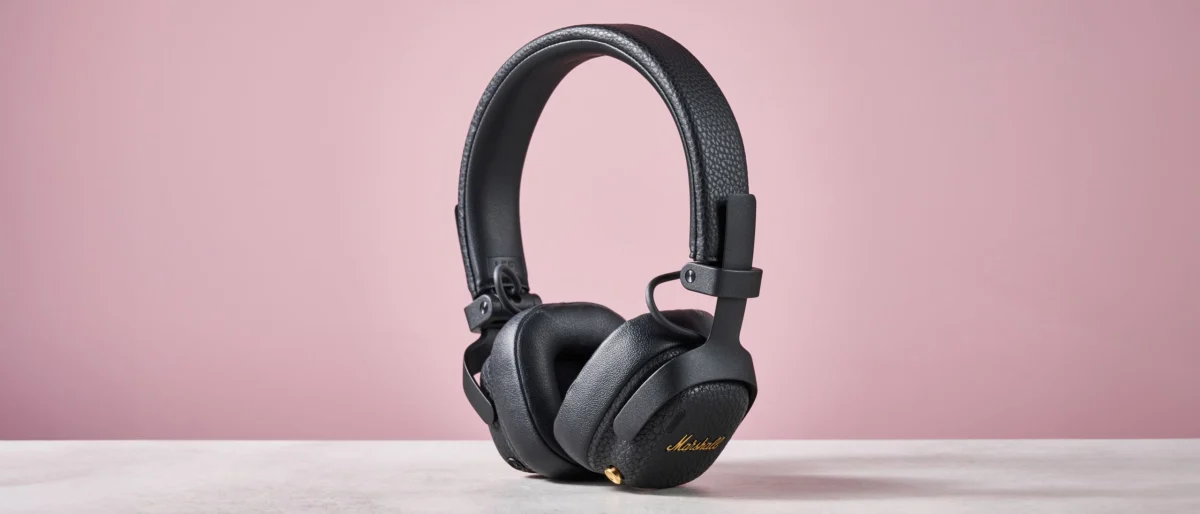
The landscape of personal audio is witnessing a significant shift as the boundaries between portability, performance, and sustainability continue to blur. Marshall, the Swedish-owned audio powerhouse with British rock-and-roll heritage, has officially unveiled its latest contender in the wireless headphone market: the Marshall Milton ANC. Positioning itself as a strategic bridge between the entry-level Major series and the flagship Monitor line, the Milton ANC attempts to solve one of the most persistent challenges in audio design—delivering effective active noise cancellation (ANC) within a compact, on-ear form factor.
Main Facts: The Strategic Middle Ground
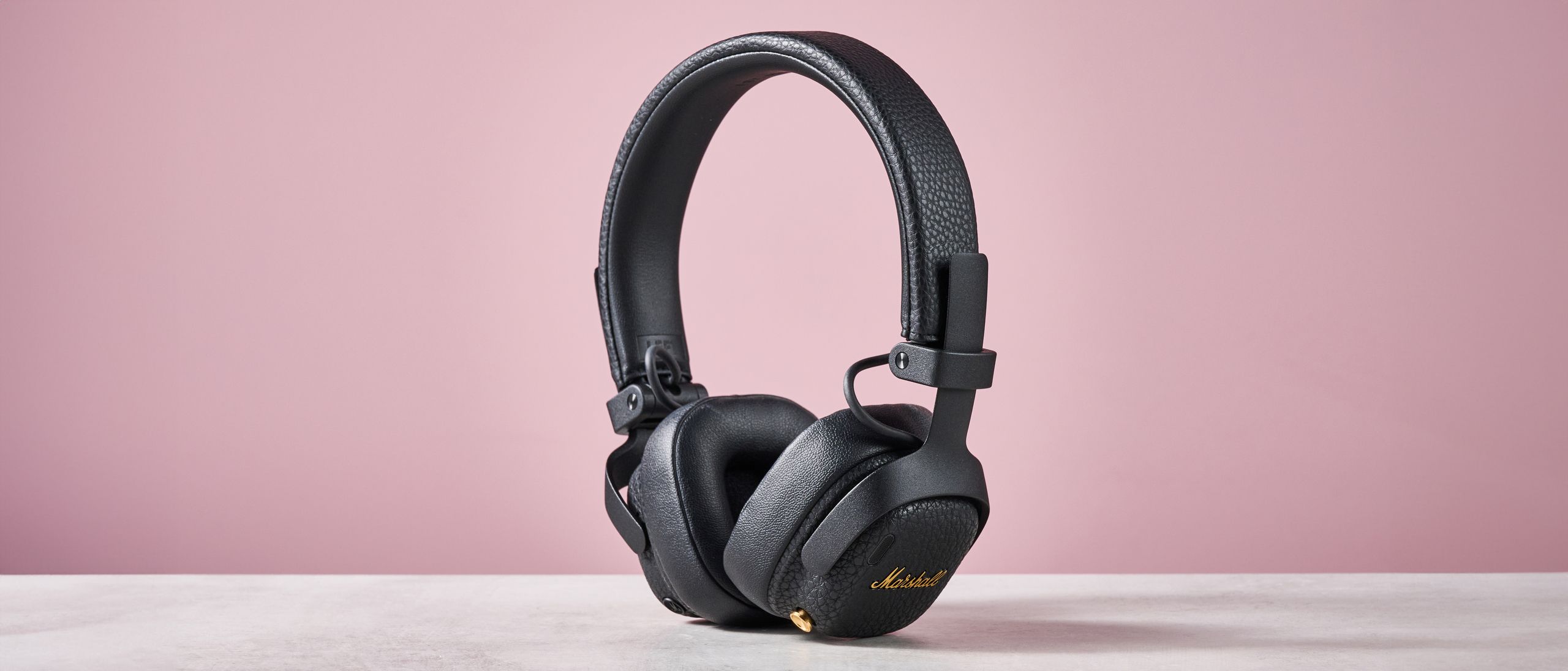
The Marshall Milton ANC enters the market with a clear mission: to offer the iconic, retro-aesthetic of the Major V while incorporating the high-end features and noise-cancelling tech of the Monitor III ANC. Priced at $229 / £179 / AU$329, the Milton ANC is a direct response to a consumer base that finds over-ear headphones too bulky for daily commutes but remains unwilling to sacrifice the serenity provided by active noise cancellation.
Key technical highlights include:
- Battery Superiority: A staggering 80 hours of wireless playtime (50 hours with ANC enabled).
- High-Resolution Audio: The first Marshall product to support the LDAC codec alongside USB-C lossless audio.
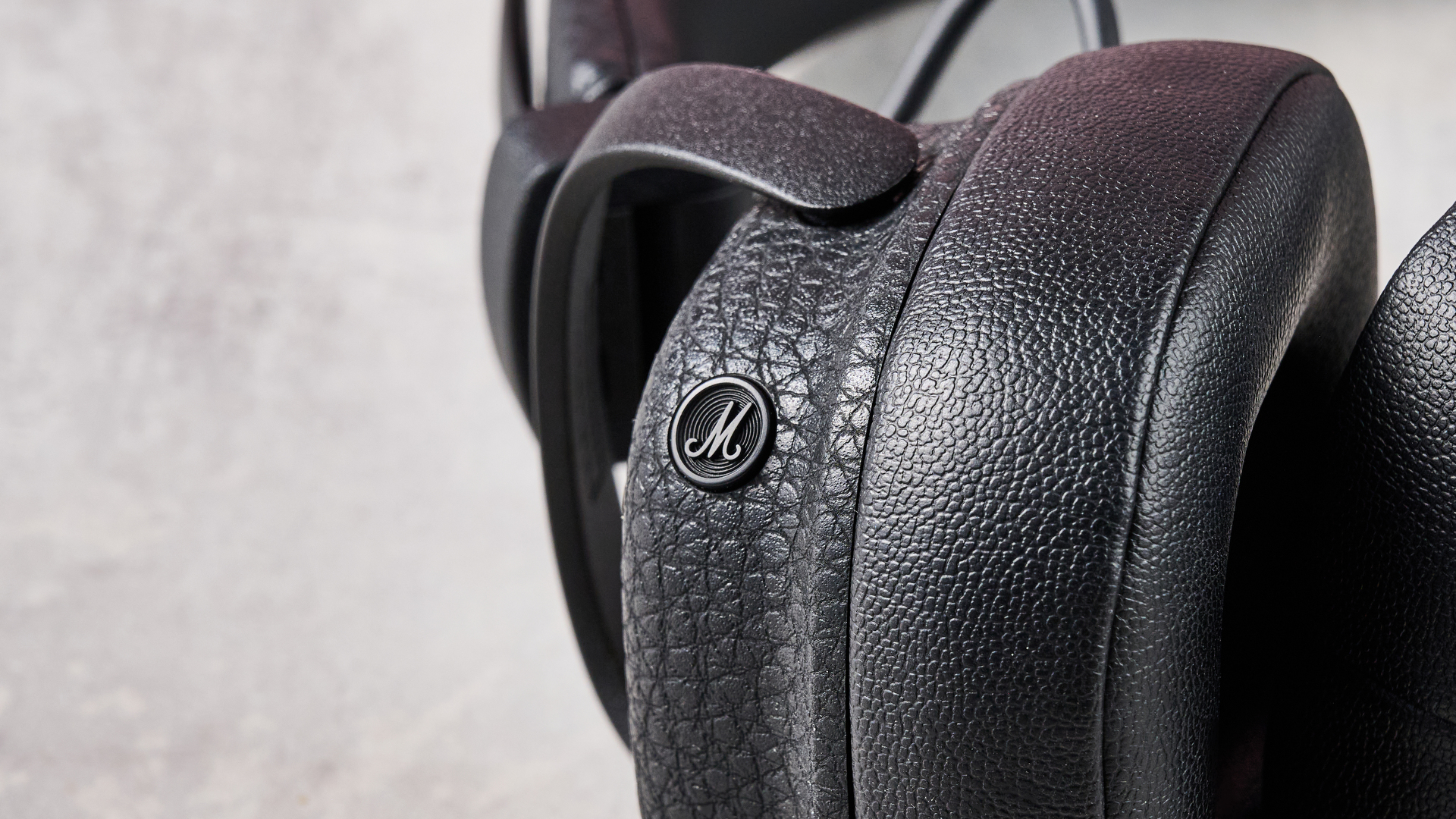
- Sustainable Engineering: Constructed from 42% recycled materials with a modular design intended for user-led repairs.
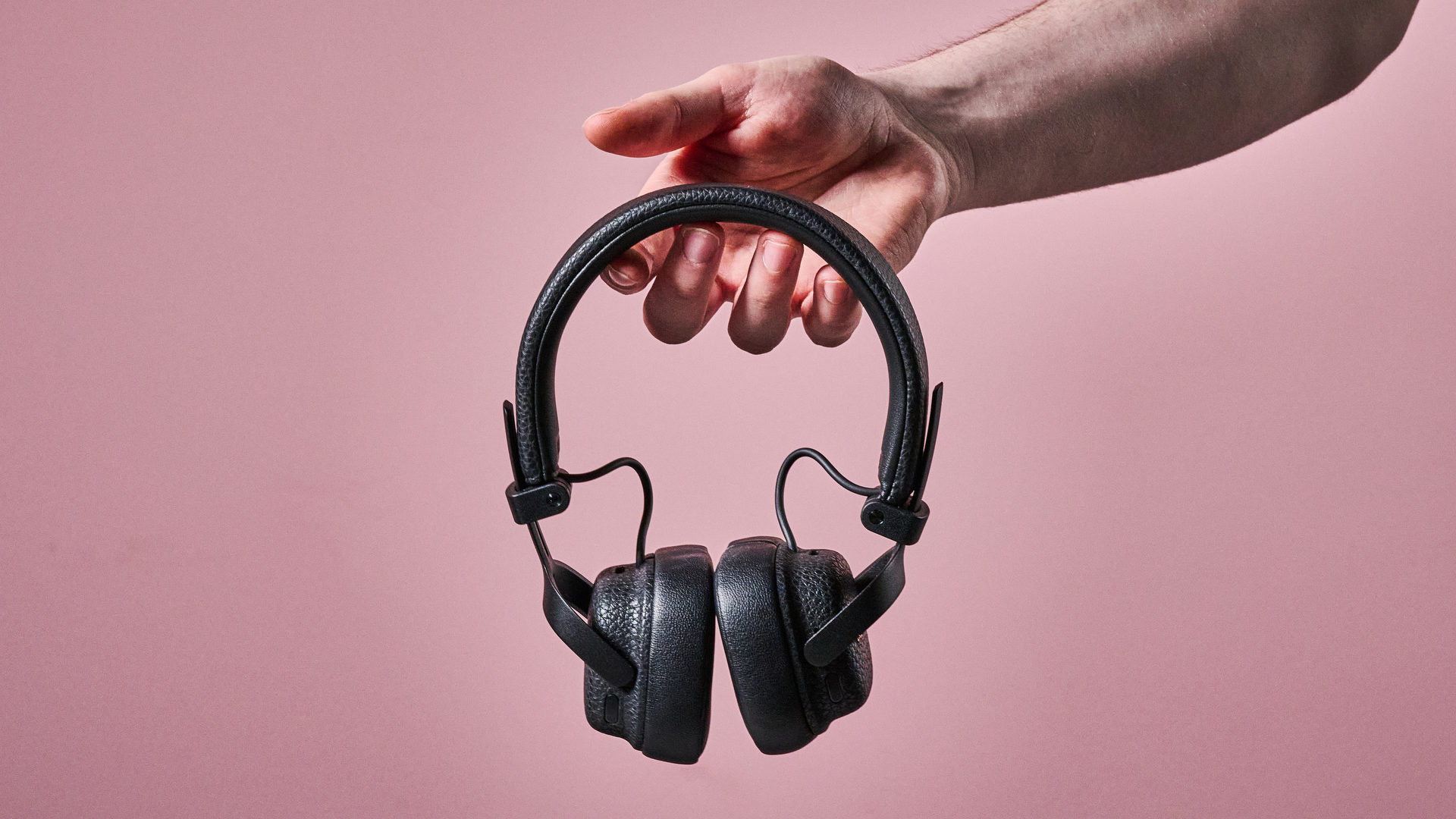
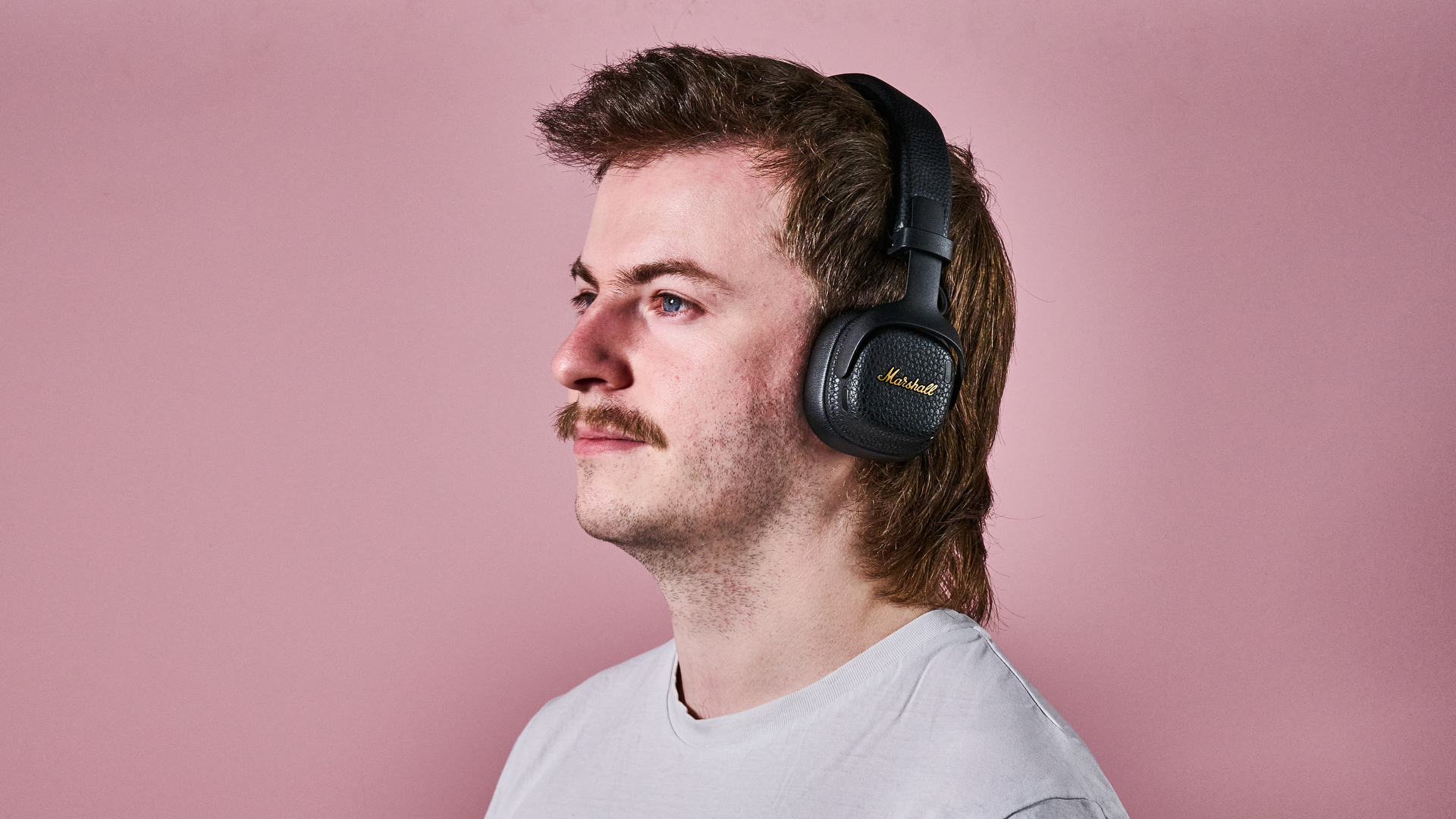
- Extreme Comfort: A redesigned headband and earcup architecture that the manufacturer claims provides a "weightless" experience.
By launching the Milton ANC, Marshall is not merely iterating on a design; they are targeting a specific price-to-performance ratio that challenges established players like Sony, Bose, and Beyerdynamic.
Chronology: From the Stage to the Street
To understand the significance of the Milton ANC, one must look at the evolution of Marshall’s consumer electronics division. For decades, the brand was synonymous with the "Wall of Sound" behind legendary rock guitarists. However, the last decade has seen Marshall successfully pivot into a lifestyle audio brand.
The chronology of this development reveals a calculated expansion:
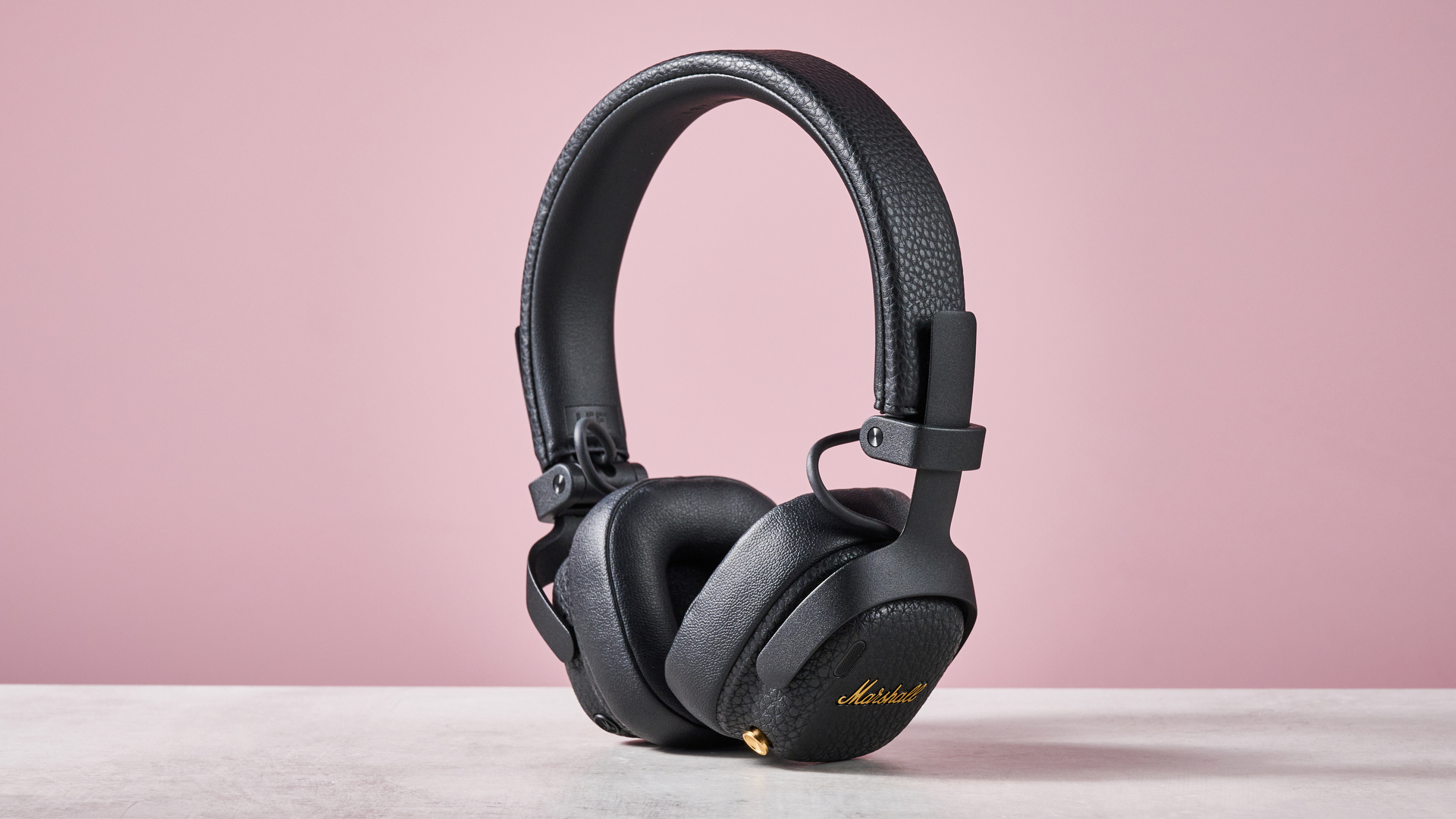
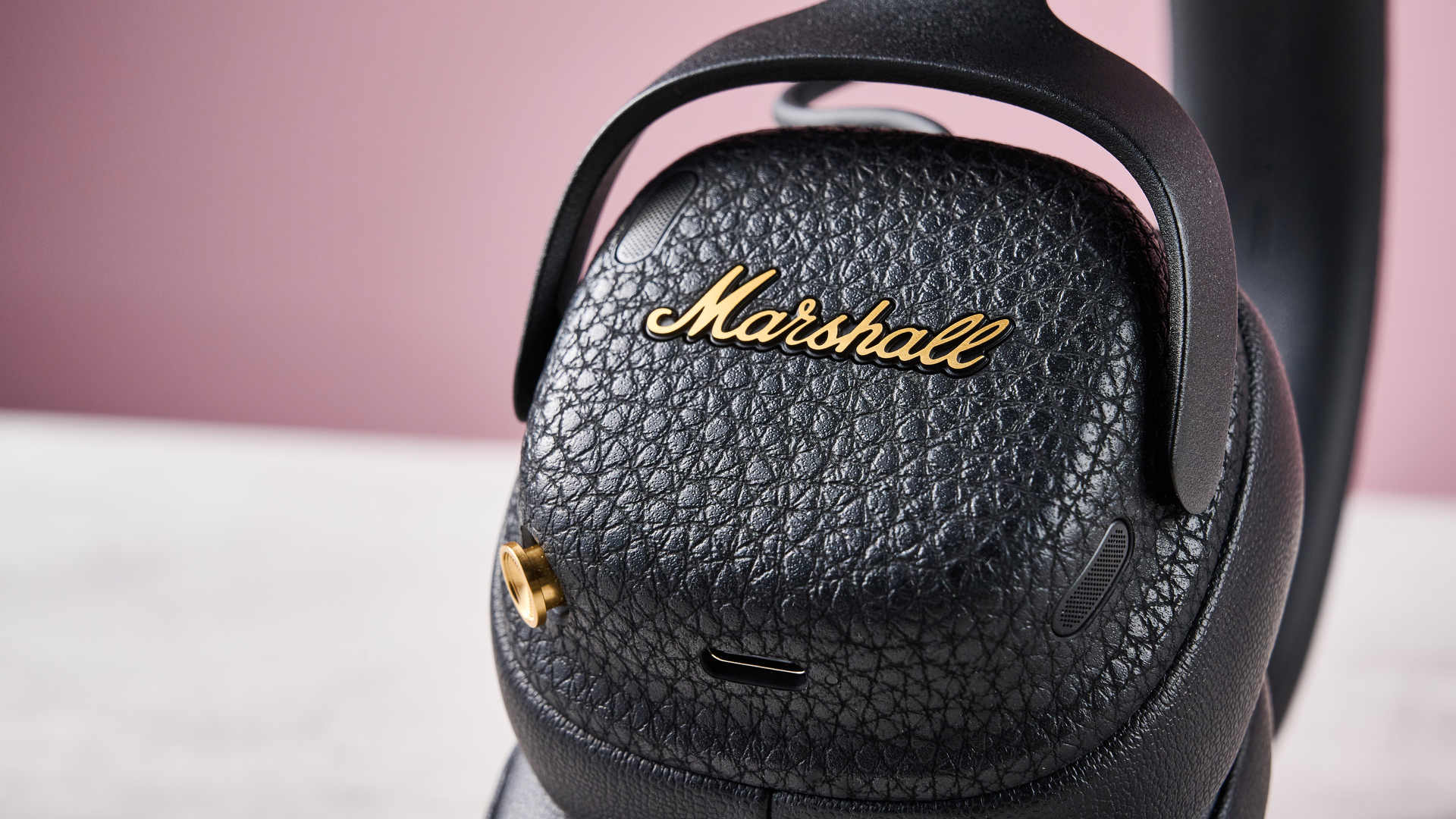
- The Major Series Legacy: The Major line established the "on-ear" look—square cups, vinyl texture, and brass accents. While popular, it lacked the technical "oomph" required by power users.
- The Monitor Series Expansion: Marshall introduced the Monitor line to compete with premium over-ear headphones, bringing ANC and larger drivers to the fold.
- The Sustainability Pivot: Following recent global trends and upcoming EU "Right to Repair" regulations, Marshall began re-evaluating the longevity of its hardware.
- The Milton ANC Announcement (May 2026): Representing the culmination of these eras, the Milton ANC was released on Marshall’s official channels on May 19, 2026, with a wider retail rollout following on May 27.
This timeline indicates that the Milton is not an experimental product but a refined "best of" compilation of Marshall’s engineering successes over the last five years.
Supporting Data: Technical Performance and Benchmarks
Audio Fidelity and Codec Support
The Milton ANC utilizes 32mm dynamic drivers, tuned for what the company describes as an "energetic" sound signature. In technical testing, the headphones demonstrate a frequency range of 20Hz to 20kHz. A significant breakthrough for the brand is the inclusion of the LDAC codec. This allows for the streaming of high-resolution audio over Bluetooth at a much higher bitrate than standard SBC or AAC, bringing the wireless experience closer to a wired studio connection.
Furthermore, the inclusion of USB-C audio passthrough ensures that purists can bypass Bluetooth entirely. By using the provided USB-C to 3.5mm cable, the Milton ANC delivers a truly lossless signal, a feature often omitted in this price bracket.
The ANC Challenge on On-Ear Designs
Traditionally, ANC is most effective in over-ear headphones because the physical seal around the ear (passive isolation) does the heavy lifting. The Milton ANC counters the inherent "leakage" of on-ear designs with an adaptive ANC system. Testing in high-ambient environments—specifically inside a jet cabin—showed that the Milton effectively dulled low-frequency hums and mid-range chatter. While it cannot provide the "total silence" of a $400 over-ear flagship, it represents a high-water mark for the on-ear category.
Battery and Power Management
Data provided by the manufacturer and confirmed through rigorous testing shows the Milton ANC outperforming nearly all competitors in its class.
- Marshall Milton ANC: 80 hours (ANC Off) / 50 hours (ANC On)
- Bose QuietComfort Ultra: ~24 hours
- Sony WH-1000XM5: ~30 hours
- Beyerdynamic Aventho 100: 60 hours (ANC Off)
This longevity is supported by "Battery Preservation" settings within the Marshall Bluetooth app, which limits the charge cycle to 90% to extend the chemical life of the lithium-ion cells.
Official Responses: Sustainability and Repairability
Marshall has been vocal about its commitment to the environment, a stance that is increasingly becoming a legal requirement in the European market. The Milton ANC is the flagship for this "green" initiative.
According to official statements from Marshall’s design team, the Milton ANC is composed of 42% recycled plastic (by weight), sourced from post-consumer electronics like used water bottles and air conditioners. However, the most revolutionary aspect is the user-replaceable battery.
"We designed the Milton to push ANC performance further than on-ear headphones have gone before, but we also designed them to last a decade, not just a few years," a Marshall representative stated during the product launch. The earcups utilize a bayonet locking system, allowing users to screw off the cushions and access a service panel. This allows the battery to be swapped out with standard tools, a direct challenge to the "disposable" nature of modern wireless tech.
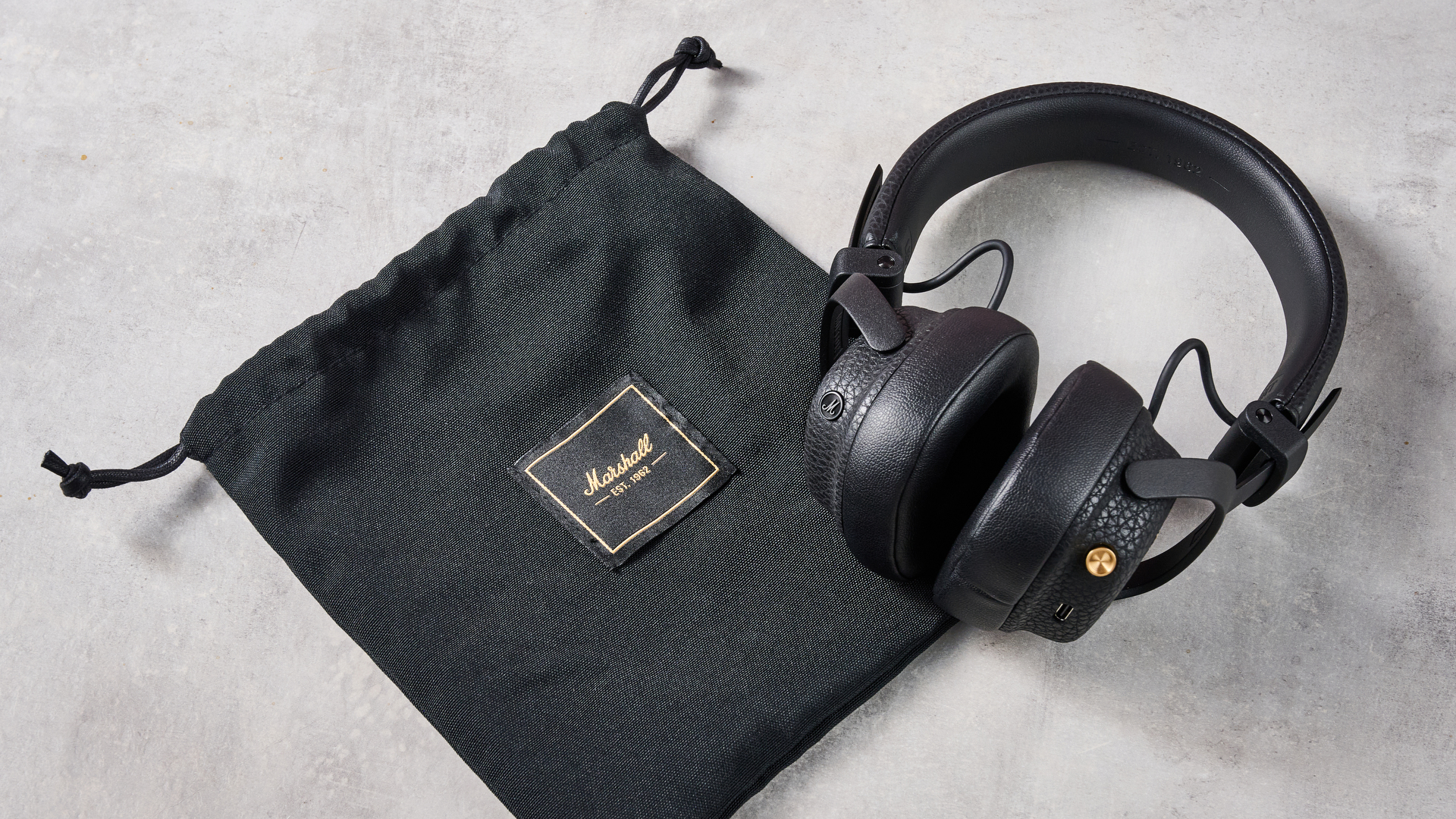
Marshall also confirmed that they will offer a full catalog of replacement parts—including headbands, cables, and cushions—directly through their webstore, ensuring that a broken hinge or a dead battery no longer necessitates a trip to the landfill.
Implications: A New Standard for Consumer Audio?
The release of the Marshall Milton ANC has several implications for the broader audio industry.
1. The Comfort Revolution
The "weightless" feel reported by early reviewers suggests that Marshall has solved the "clamping force" issue that plagues most on-ear headphones. If the Milton ANC can remain comfortable for an eight-hour workday, it may lure a significant portion of the "remote worker" market away from traditional headsets.
2. The Mid-Range Squeeze
By pricing the Milton at $229, Marshall is putting pressure on both ends of the market. Budget brands will struggle to match the Milton’s 80-hour battery and LDAC support, while premium brands may find it harder to justify $400 price tags for over-ears that offer less than half the battery life.
3. Sustainability as a Feature
If the Milton ANC is a commercial success, it will force competitors like Apple and Sony to reconsider their sealed-unit designs. The ability to replace a battery is no longer just a niche request for audiophiles; it is becoming a core demand for the environmentally conscious "Gen Z" demographic that Marshall so successfully courts.
4. Technical Omissions
Despite the glowing technical specs, the Milton ANC is not without its flaws. The absence of wear detection—the feature that pauses music when headphones are removed—is a notable omission in 2026. This suggests that even with a $229 budget, manufacturers must still make strategic cuts to maintain profit margins.
Conclusion
The Marshall Milton ANC is more than just a stylish accessory for those who appreciate the rock-and-roll aesthetic. It is a highly engineered piece of hardware that successfully fuses the portability of on-ears with the sophisticated technology of premium over-ears. With its class-leading battery life, commitment to repairability, and impressive audio fidelity, the Milton ANC sets a new benchmark for what consumers should expect from mid-range headphones. While it may not satisfy the "audiophile" looking for perfect neutral balance, it offers a compelling, energetic, and sustainable package that is perfectly tuned for the modern, mobile listener.




Leave a Comment