The Traveling Disc: How "Handle With Care" is Redefining Indie Distribution in a Digital Age
In an era where cinema is increasingly defined by the invisible hand of the algorithm and the ephemeral nature of streaming "content," a single, hand-burned DVD is making a quiet, radical protest across the American landscape. The film is Handle With Care, a debut feature from writer-director Matthew James Thompson. Paradoxically, while the movie explores the painful disintegration of a marriage, its distribution method has become a singular engine for human connection.
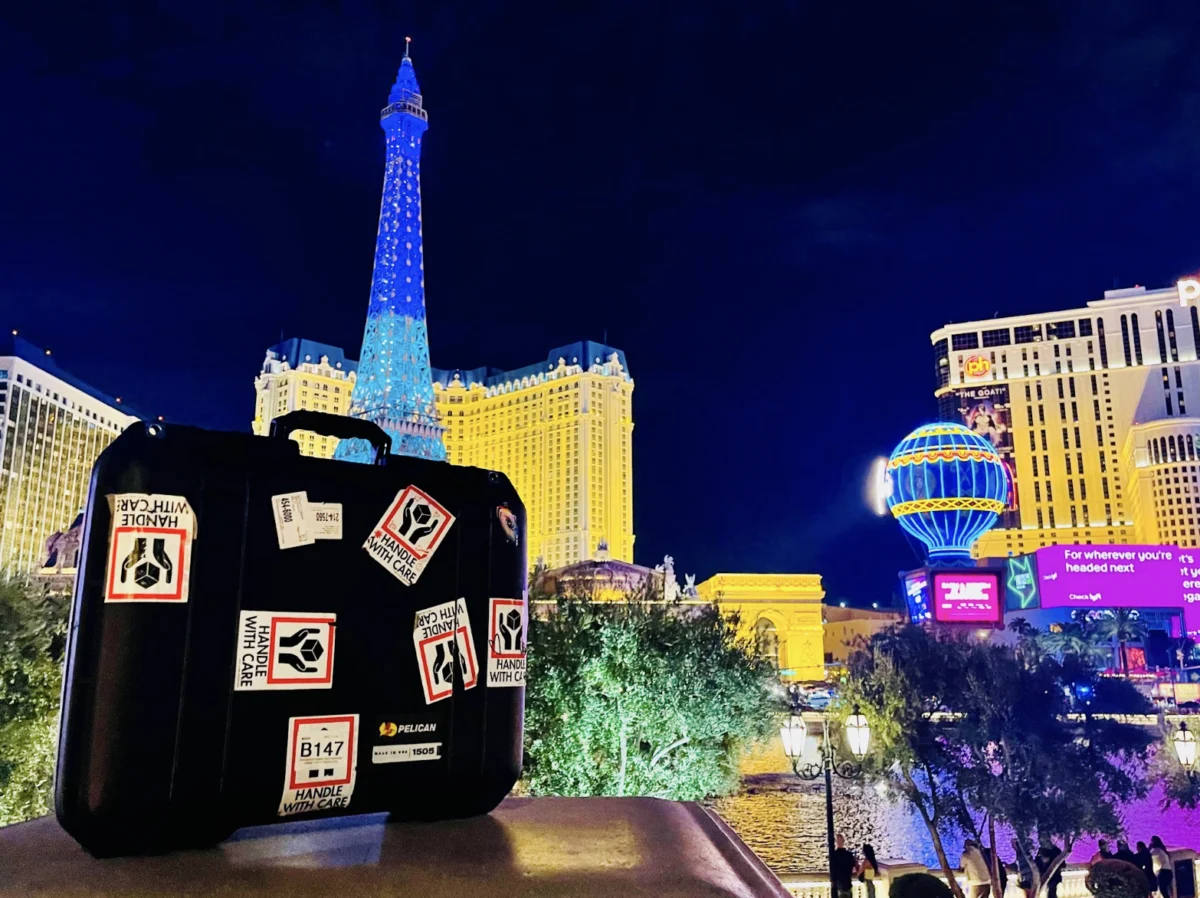
Since April, a heavy black Pelican case—looking more like a high-stakes ransom drop than a film screener—has been traversing the United States. It has moved from the humid subway platforms of New York City to the suburbs of Tennessee, the coasts of Florida, and the deserts of Nevada. Inside is the only physical copy of the film in circulation, accompanied by a portable player and a notebook that has become the project’s most sacred artifact.
This grassroots experiment represents a growing friction in the independent film world: the struggle between the desire for artistic tangibility and a consolidated industry that often feels inaccessible to those without major stars or studio backing.

Main Facts: A Physical Manifestation of Independent Spirit
At its core, Handle With Care is a witty, fast-paced dramedy starring Justin H. Min (After Yang, The Umbrella Academy) as Cole, a copywriter in New York City grappling with the debris of a short-lived marriage. The narrative follows Cole as he attempts to navigate the awkward logistics of divorce, specifically the burden of unwanted wedding gifts—objects that symbolize a future that never arrived.
The distribution strategy mirrors the film’s preoccupation with physical objects. The "Traveling DVD" project is comprised of:
- The Case: A rugged, sticker-covered Pelican case designed for durability and "shipping ease."
- The Media: A single DVD-R, hand-labeled with a Sharpie, containing the feature film and curated bonus features.
- The Hardware: A portable DVD player, a remote, and all necessary charging cables.
- The Keepsakes: A "grab-bag" of items collected by previous viewers.
- The Notebook: A journal containing handwritten reviews, reflections, and signatures from every person who has held the case.
Director Matthew James Thompson describes the notebook as the only irreplaceable part of the package. "Everything else can be replaced," he told IndieWire. The project is currently managed through a website designed to look like a Craigslist listing, where interested viewers can sign up for the "DVD Club."

Chronology: From Festival Rejection to DIY Success
The journey of Handle With Care began long before it was placed in a suitcase. Thompson, who honed his craft shooting skateboarding videos rather than attending traditional film school, wrote, shot, and edited the film as a labor of love.
The Festival Gauntlet
Upon completion, the production team, led by producer Ashim Ahuja, entered the traditional festival submission cycle. This period was marked by the high costs and low yields common to modern independent cinema. The team spent $1,438 on festival fees, facing the daunting reality of a "bracket system" where small, star-led "indies" often crowd out truly independent, grassroots productions.
Thompson notes that the psychological toll of the festival circuit is significant. "If you don’t get into Sundance and you don’t have a bidding war all night from A24, it feels like your film inexplicably loses value," he explained.

The Turning Point
The film eventually found its footing at the Rhode Island International Film Festival. It didn’t just screen; it thrived, winning the Grand Prize for Best Feature Film and earning Justin H. Min a category win for his acting performance. Despite this success, the path to a traditional distribution deal remained opaque.
The Birth of the DVD Club
In April, Thompson decided to stop waiting for gatekeepers and started the DVD Club. The project launched with a budget of just $521—less than half of what was spent on festival entries. Thompson initially acted as a personal courier in New York, hand-delivering the case via subway and bicycle, often feeling like he was reliving the "cycle" of his protagonist’s life. Since then, the case has been shipped across the country, reaching approximately 30 of the 90 people currently on the waiting list.
Supporting Data: The Economics of the "Slow" Release
The metrics of the Handle With Care distribution model offer a stark contrast to the "opening weekend" obsession of Hollywood.

| Metric | Traditional Festival Strategy | DIY DVD Club Strategy |
|---|---|---|
| Initial Cost | $1,438 (Submission Fees) | $521 (Hardware/Shipping) |
| Reach | Festival Attendees (Geographically limited) | National (One person at a time) |
| Viewer Engagement | High (Theater setting) | Extreme (Personal possession for days) |
| Feedback Loop | Social Media/Press | Handwritten Notebook (Private/Direct) |
While the film is reaching far fewer people than it would on a major streaming platform, the quality of engagement is significantly higher. Thompson argues that the "Blockbuster experience"—the tangibility of holding a disc and the ritual of pressing "play" on a dedicated device—creates a psychological space that streaming cannot replicate.
The data suggests a hunger for this format. With 90 sign-ups for a single disc, the "waiting list" stretches months into the future, creating a form of "artificial scarcity" that has ironically generated more buzz than a standard digital screener link ever could.
Official Responses: Reclaiming the Audience
The creators of Handle With Care view this project not as a marketing gimmick, but as a philosophical statement on the state of the arts.

Matthew James Thompson, Director:
Thompson emphasizes the importance of human goodness in this experiment. "I personally have found people to be profoundly good, shockingly good," he said, referring to the fact that the case has yet to be stolen or damaged. He views the project as a way to "break through the noise" of an industry that demands constant digital content. "Cynicism is not wisdom," Thompson frequently notes, a sentiment that serves as the project’s unofficial mantra.
Ashim Ahuja, Producer:
Ahuja highlights the disconnect between modern filmmaking "business" and the actual "heartbeat" of creation. He notes that the current festival landscape requires movies to "already have distribution and stars who are way bigger than would be in a normal indie movie." For Ahuja, the DVD Club is about reclaiming the "tangibility" of the viewing experience. "It’s kind of replicating the Blockbuster experience… I think we miss that."
The Viewers:
The responses recorded in the traveling notebook reflect a sense of intimacy rarely found in modern film criticism. One viewer from Brooklyn noted the "crazy feeling" of being the only person in the world watching the film at that specific moment. Another from Nashville expressed that they were "not mad" about the film skipping a wider release if it meant they got to experience it through this unique physical medium.

Implications: The Future of Grassroots Distribution
The success of the Handle With Care DVD Club carries several significant implications for the future of independent cinema and physical media.
1. The Resistance Against "Algorithmic Flattening"
In the current streaming landscape, films are often treated as "assets" that can be deleted for tax write-offs or buried by an algorithm that prioritizes watch-time over artistic merit. Thompson’s project is "unable to be affected by an algorithm." It requires a physical hand-off, a conscious choice to participate, and a commitment to return the object. This restores a sense of agency to both the filmmaker and the viewer.
2. Redefining the "Indie" Label
The struggle Ahuja described—competing against "indies" with multi-million dollar budgets and A-list stars—suggests that the term "independent film" is undergoing a crisis of identity. Projects like Handle With Care suggest that the future of true independence may lie in "micro-distribution" networks and niche communities rather than trying to fit into a consolidated corporate pipeline.

3. The Renaissance of Physical Media
As digital ownership becomes increasingly tenuous, there is a burgeoning movement toward physical media (vinyl, zines, DVDs). The Handle With Care experiment proves that physical formats are not just for collectors; they are viable tools for storytelling and community building. The "bonus features" on Thompson’s disc—including a documentary about a neighbor and personal audition tapes—offer a depth of context that is often lost in the "skip intro" culture of streaming.
4. The "Slow Art" Movement
Much like the "slow food" movement, this distribution strategy prioritizes the quality of the experience over the speed of consumption. By allowing the film to travel slowly from house to house, Thompson is building a legacy that is measured in memories and handwritten notes rather than "clicks" or "impressions."
As Handle With Care prepares for its next public screening at the Newport Beach Film Festival in October, the black Pelican case continues its journey. It remains a testament to the idea that in a world of infinite, disposable content, there is still profound power in a single, well-traveled object. The project stands as a reminder to the industry that while technology may change the way we watch, the human desire for connection remains the true North Star of cinema.