Nabu: The Enduring Legacy of Mesopotamia’s Divine Scribe and Prophet
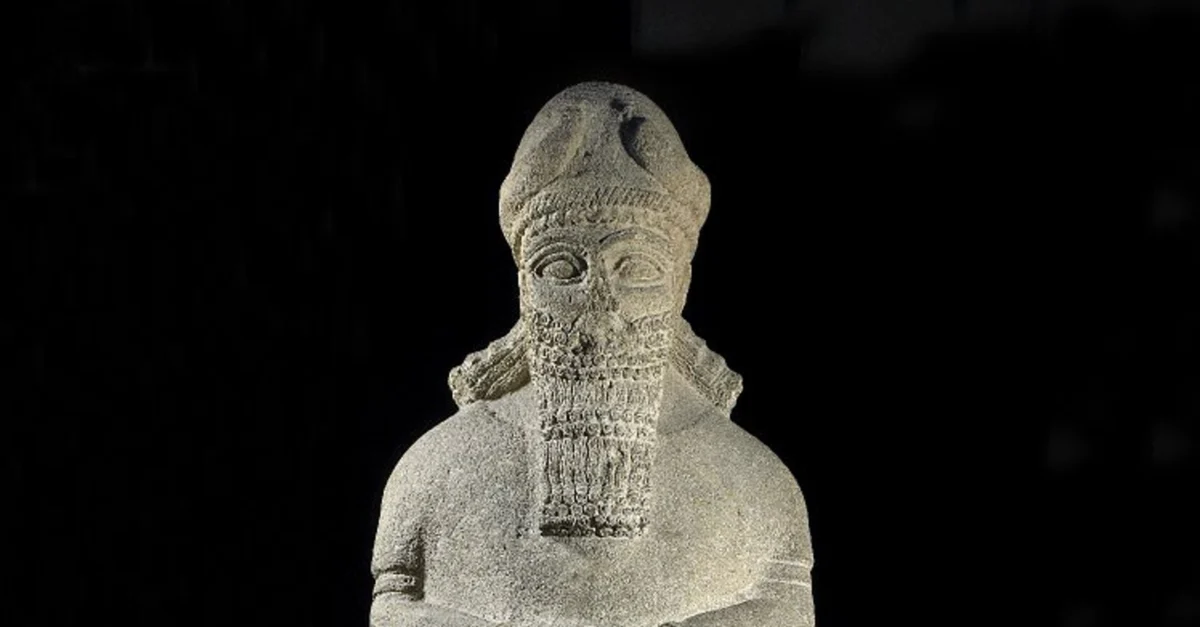
Babylon, Mesopotamia – In the rich tapestry of ancient Mesopotamian mythology, few deities held as pervasive and enduring an influence as Nabu. Known variously as Tutu, "the Announcer," this Babylonian god was the quintessential patron of wisdom, learning, prophecy, scribes, and the sacred act of writing. His domain extended beyond the intellectual, encompassing the bountiful harvest and all growing things, underscoring a profound connection between knowledge, creation, and life itself. His epithet, "the Announcer," not only alluded to his prophetic foresight but also to his creative power, capable of calling forth words, abundant crops, and visions of the future.
Nabu’s significance permeated Babylonian society, from the royal court to the common farmer, reflecting a civilization that deeply valued literacy, record-keeping, and the divine insights derived from learned men. His story is one of evolution, adaptation, and remarkable longevity, spanning millennia and influencing cultures far beyond the fertile crescent.
Main Facts: The Multifaceted Deity of Mesopotamia
A Pantheon of Knowledge and Growth
Nabu’s portfolio was impressively broad, reflecting the interconnectedness of intellectual and natural prosperity in the ancient world. As the god of wisdom and learning, he was revered by scholars, teachers, and anyone seeking enlightenment. His role as the patron of scribes and writing placed him at the heart of Babylonian administration, religious practice, and intellectual life, as writing was the bedrock of their complex society. The very act of committing thoughts to cuneiform tablets was seen as a divine gift, channeled through Nabu.
Beyond the realm of intellect, Nabu was also responsible for the annual abundant harvest and the vitality of all plant life. This dual role — overseeing both the abstract world of knowledge and the tangible world of sustenance — highlighted a fundamental belief: that wisdom and foresight were essential for agricultural success and societal well-being. His name, "the Announcer," thus resonated deeply, signifying his power to declare both prophetic truths and the arrival of life-sustaining growth.
Divine Consorts and Sacred Symbols
Nabu’s divine companions further illustrate his complex identity. His primary consort was Tashmit, also known as Tasmetu. Over time, Nanaya, originally the divine partner of the Sumerian god Muati, became syncretized with Nabu, reflecting the fluidity and adaptation inherent in ancient pantheons. These goddesses, often associated with fertility and writing in their own right, complemented Nabu’s domains.
Visually, Nabu was represented by potent symbols. His most common emblem was a wedge-shaped cuneiform mark or, more evocatively, a stylus at rest upon a writing tablet, immediately identifying him with the scribal arts. However, he was also depicted anthropomorphically as a majestic, bearded man adorned in royal garb, clutching a stylus, and often standing atop the fearsome Mushussu Dragon. This mythical beast, a powerful protective spirit associated with Marduk and other prominent gods, was famously featured on the iconic Ishtar Gate of Babylon, lending Nabu an aura of strength and divine guardianship.
Familial Ties and Elevated Status
Nabu’s lineage placed him squarely within the most exalted echelons of the Babylonian pantheon. He was honored as the son of Marduk, the supreme king of the gods and the venerable patron deity of Babylon itself. This made him the grandson of Enki (or Ea), the ancient Sumerian god of wisdom, magic, and sweet waters. This illustrious ancestry solidified Nabu’s credentials as a deity of profound knowledge and influence.

Initially regarded as Marduk’s vizier and chief scribe, Nabu’s status evolved dramatically over centuries. Following the Kassite period (circa 1595 BCE), he was increasingly depicted not just as a loyal servant but as Marduk’s direct son, a position that elevated him to near-equal power. This divine filial bond became a cornerstone of Babylonian theology, making Nabu, after Marduk, the most important god revered by the Babylonians.
Chronology: Evolution of a Divine Legacy
From Sumerian Roots to Babylonian Ascendancy
Nabu’s origins are deeply intertwined with the earliest spiritual traditions of Mesopotamia. His development can be traced back to the ancient Sumerian goddess Nisaba (also known as Nidaba or Nissaba), the goddess of writing and accounts, whose worship is attested to as early as the Early Dynastic period (circa 2900 to circa 2350/2334 BCE). Nisaba’s hymns and compositions, which traditionally concluded with the ritualistic phrase "Praise be to Nisaba!", set a powerful precedent. This paradigm was later adopted and adapted by the Babylonians, with their own works concluding with "Praise be to Nabu!", highlighting a clear line of divine succession and cultural continuity. In some myths, Nisaba even appears as Nabu’s divine assistant and wife, meticulously maintaining the library of the gods, much like the Egyptian goddess Seshat collaborated with Thoth. This illustrates a recurring motif across ancient civilizations: the divine partnership in the preservation and dissemination of knowledge.
Nabu’s popularity surged during the Old Babylonian period (circa 1894-1595 BCE), a transformative era for Mesopotamian religion. This rise was particularly pronounced during the influential reign of King Hammurabi (1792-1750 BCE). This period saw a significant societal and religious shift, where male deities generally gained prominence and were elevated in status, often at the expense of older, revered goddesses. Nabu, embodying male intellectual power and creative force, fit perfectly into this evolving theological landscape, cementing his position in the pantheon.
Vizier, Son, and Equal: Nabu’s Shifting Relationship with Marduk
Nabu’s relationship with Marduk, the supreme god of Babylon, was pivotal to his ascent. For a considerable time, Nabu was revered as Marduk’s trusted vizier and personal scribe, responsible for recording the decrees of the gods and managing celestial records. This role already conferred immense prestige, placing him at the administrative heart of the divine realm. However, a more profound transformation occurred after the Kassite period (circa 1595 BCE). From this point onward, Nabu was consistently depicted as Marduk’s direct son, a relationship that imbued him with inherited authority and power. This elevation was not merely symbolic; it implied a near-equality in divine influence, making Nabu an indispensable figure in the Babylonian state religion and popular worship. His connection to Marduk also meant he shared in the glory and protection associated with the king of the gods, further solidifying his own cult.
Enduring Worship Beyond Empires
Nabu’s influence was not confined to Babylonian borders. His popularity became so widespread that he was adopted by the mighty Assyrians, who revered him as the son of their supreme national god, Ashur (Assur). This integration into the Assyrian pantheon speaks volumes about Nabu’s universal appeal and the respect for his domains. Remarkably, Nabu’s worship demonstrated extraordinary resilience. Even after the catastrophic fall of the Assyrian Empire in 612 BCE, a period during which many gods closely identified with imperial power, like Ashur and Marduk, saw their cults diminish or cease, Nabu continued to be worshipped. His veneration persisted for centuries, enduring until at least the 2nd century CE, a testament to his unique status.
His cross-cultural appeal was evident in his syncretization with similar deities in other ancient civilizations: the Egyptians identified him with Thoth, their god of writing and knowledge; the Greeks with Apollo, god of prophecy, music, and healing; and the Romans with Mercury, messenger of the gods and patron of trade and eloquence. Furthermore, Nabu found a place in later religious texts, referenced as Nebo in the Bible, specifically in Isaiah 46:1-2, where he is mentioned alongside Marduk (referred to as "Bel"). Even Mount Nebo, the revered site from which Moses is said to have viewed the Promised Land, bears his name, a lasting echo of his profound impact on the ancient Near East. Among the multitude of Mesopotamian gods, Nabu’s memory outlasted even the great Marduk, cementing his place as one of the most prominent and enduring deities in human history.
Supporting Data: The Pillars of Nabu’s Influence
The Power of the Written Word and Nabu’s Patronage
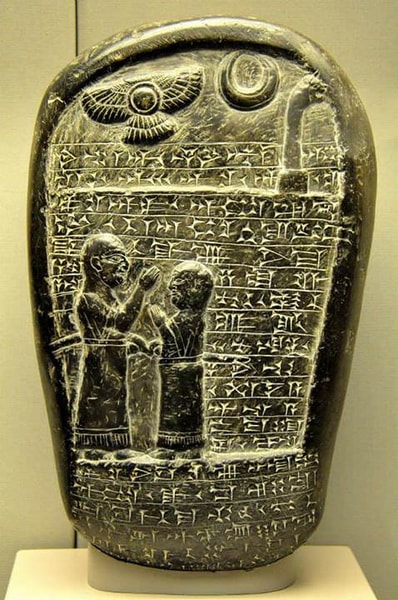
The invention of writing in Mesopotamia by the Sumerians, circa 3600/3500 BCE, marked a turning point in human civilization. This system, known as cuneiform, involved creating wedge-shaped marks in wet clay tablets, which were then dried. While initially developed out of practical necessity for trade, administration, and communication over vast distances, writing quickly acquired a sacred dimension. Like in ancient Egypt, where Thoth bestowed hieroglyphs, in Mesopotamia, cuneiform was considered a divine gift, primarily attributed to Nabu.

Scholar E. A. Wallis Budge eloquently summarizes Nabu’s extensive powers and importance:
"He was endowed with great wisdom, like his father; and he acted as scribe to the gods; he had charge of the Tablet of Fate of the gods and had the power of prolonging the days of men. Like the Egyptian Thoth, his eyes travelled over the circuit of the heavens and over all the earth. He was the personification of knowledge and, as a god of vegetation, he caused the earth to produce abundant crops." (85)
This passage highlights several critical aspects of Nabu’s divine authority. His wisdom, inherited from Marduk, made him a source of profound insight. His role as "scribe to the gods" placed him as the celestial record-keeper, privy to divine decrees and the destinies of mortals. The "Tablet of Fate," a crucial artifact in Mesopotamian mythology, was under his charge, granting him the awesome power to influence human lifespan. His omnipresent gaze, likened to Thoth’s, symbolized his comprehensive knowledge of all earthly and heavenly matters. Finally, his connection to vegetation underscored his life-giving aspect, blending intellectual prowess with the very essence of physical survival.
Borsippa: A Second Babylon, Nabu’s Sacred Seat
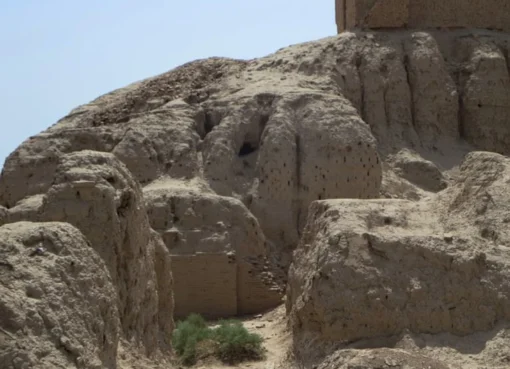
Nabu’s principal cult center was located at Borsippa, a city strategically positioned near Babylon. So significant was Borsippa to Nabu’s worship that it was often referred to as "a second Babylon," its importance rivaling even the Esagila, the magnificent temple-ziggurat dedicated to Marduk in the capital. Here, devoted priests of Nabu meticulously cared for his statue, managed the extensive temple complex, and conducted rituals that maintained the god’s favor. The societal reverence for the written word naturally extended to its divine patron and, by extension, to his earthly representatives, the priests, who were held in the highest esteem.
Borsippa also served as the starting point for one of the most important annual religious journeys in Mesopotamia: Nabu’s ceremonial travel to Babylon to visit his father, Marduk, during the Akitu festival. This pilgrimage underscored the filial bond between the two gods and their intertwined destinies, reinforcing the theological hierarchy and the importance of Nabu’s presence in the grandest celebration of the year.
Nabu’s Central Role in the Akitu Festival
The Akitu festival was arguably the most significant religious observance in Mesopotamia, a twelve-day celebration that marked the beginning of the New Year, honored the gods, and prayed for a bountiful harvest. Scholar Stephen Bertman notes the variations in its observance: "In some communities, like Babylon, the ceremonies were conducted once a year immediately after the barley harvest in March at the time of the spring equinox… In other communities, like Ur, there were two celebrations a year… Because the Mesopotamians looked upon the spring equinox as the beginning of their year, the Harvest Akitu was also a New Year’s holiday and a time of added celebration." (130)
Nabu’s role in the Babylonian Akitu festival was pivotal, particularly in the public ceremonies and the affirmation of royal authority. The festival unfolded roughly as follows, with Nabu’s presence being a recurring and essential element:
- Day One: Preparations commenced in earnest. Priests in Babylon began purifying and adorning Marduk’s sanctuary, while simultaneously, priests in Borsippa undertook similar preparations for Nabu’s temple. These initial rites were crucial for creating a sacred space worthy of the gods’ presence.
- Day Two: The high priest of Marduk engaged in a profound renewal ceremony, reaffirming his dedication to the god and offering prayers for Marduk’s continued protection of Babylon and gratitude for his divine gifts. This ritual cemented the spiritual covenant between the deity and the city.
- Day Three: In Babylon, the high priest oversaw the crafting of two wooden effigies, believed to represent human worshippers of Nabu. While their precise significance remains debated, they were likely fashioned as male and female figures, perhaps symbolizing the community’s collective devotion.
- Day Four: As the high priest and lesser clergy offered prayers to Marduk, a critical journey began. The king of Babylon departed for Borsippa to personally escort the statue of Nabu back to the capital. This royal act of deference underscored Nabu’s importance and the symbolic link between the two cities. Concurrently, in Babylon, the high priest blessed the temple and city, and, toward evening, solemnly recited the Enuma Elish, the Babylonian creation epic, recounting Marduk’s triumph over chaos and his establishment as king of the gods and creator of humanity.
- Day Five: A day of intense purification and ritual. Priests of both Marduk and Nabu cleansed their respective temples and shrines. Nabu’s shrine in Babylon was then lavishly covered with a canopy of gold, signifying his esteemed arrival. The populace eagerly awaited the king’s return with Nabu’s statue. It was on this day that a dramatic and deeply symbolic ceremony took place, as described by Bertman:
"Then followed a dramatic ceremony: the high priest divested the king of his royal insignia, slapped his face, and forced him to kneel before the god’s holy image – an act of humbling debasement that asserted the power of church over state, of god over man. On his knees, the king made confession, swearing that he had not abused the authority entrusted to him and had not sinfully forsaken the interests of Babylon, its people, and its god. In its negative formulation ("I have not…") this confession is reminiscent of the "Negative Confession" found in the Egyptian Book of the Dead… and also of the biblical Ten Commandments… At the conclusion of the royal confession, the high priest again slapped the face of the king until tears flowed from his eyes, a sign of his genuine contrition." (131)
This powerful ritual underscored the king’s subservience to the divine will and his accountability to both god and people. Following this, the king joined the priests in prayer, and sacrifices were offered to the planet Mercury, associated with both Marduk and Nabu. Nabu’s statue was then reverently placed in its shrine, concluding the day with city-wide prayers. - Day Six: Statues of gods from other city-states, having made their pilgrimage to Babylon, arrived and were positioned between Nabu’s shrine and Marduk’s temple. The two wooden figures created on Day Three were then brought forth, offered to Nabu, decapitated, and ritually burned. While Bertman suggests this might symbolize "an ancient human sacrifice or of an unknown episode in mythology," the precise meaning of this ritual remains a subject of scholarly debate (131).
- Days Seven and Eight: The festival reached its public zenith. The king performed the symbolic act of "taking the hand" of Marduk’s statue, signifying his personal dedication and commitment to the god’s will. He then led Marduk’s statue out of his temple into the streets, initiating the grand procession. Throngs of people followed as the divine images moved through Babylon’s avenues to the Shrine of Destinies, located near Nabu’s sanctuary. Here, Nabu was invoked to deliver his prophecy concerning the king and the fortunes of the coming year, which was diligently recorded by the priests. The statues of Marduk, Nabu, and the other gods were strategically positioned to honor the king. It is at this point that the sacred marriage ritual may have been observed, with the king ritually uniting with a priestess representing the goddess Inanna, either through actual intercourse or symbolic simulation. Afterward, the procession recommenced, guiding Marduk out of the city to the bit-Akitu, a special sanctuary adorned with flowers and plants, surrounded by a large public park.
- Days Nine and Ten: The bit-Akitu park became the site of a magnificent public banquet. The state provided lavish food, drink, and entertainment, fostering a communal atmosphere of celebration and thanksgiving.
- Day Eleven: Marduk’s statue, accompanied by the other gods, was ceremoniously brought back into the city, making a crucial stop at Nabu’s shrine. Here, the prophecy Nabu had delivered on Day Seven was publicly read aloud, ensuring its dissemination among the people. A closing ceremony, attended by priests, nobility, and dignitaries from other cities, then took place.
- Day Twelve: The festival concluded with public ceremonies centered around Nabu. His statue was gently removed from its shrine and began its short return journey to Borsippa by ship. As Nabu departed, the statues of the other visiting gods also set off for their respective homes, bringing the grand annual celebration to a close.
The Akitu festival’s viability was entirely dependent on the presence of both Marduk and Nabu. Historical records, such as The Marduk Prophecy, document instances when the festival could not be held because Marduk’s statue had been taken as war booty by the Hittites, Assyrians, or Elamites. Similarly, the Akitu Chronicles note years when Nabu remained in Borsippa because Marduk was absent from Babylon, highlighting the indispensable role of both deities in the religious life of the capital.
Official Responses: Nabu’s Enduring Authority and Cross-Cultural Acclaim
Royal Endorsement and Divine Adoption
Nabu’s rise to prominence was not merely a matter of popular devotion; it was officially sanctioned and reinforced by royal decree and theological integration. The elevation of male deities during the Old Babylonian period, particularly under Hammurabi, provided a fertile ground for Nabu’s ascent. His role as Marduk’s vizier and later son was formally recognized, solidifying his place within the state cult. Kings actively participated in his worship, most notably through their central role in the Akitu festival, which included the humbling ritual before Nabu’s image, a powerful display of the divine authority over temporal power.
Perhaps the most significant official endorsement came from the Assyrian Empire. Despite their own supreme god, Ashur, the Assyrians formally adopted Nabu into their pantheon, acknowledging him as Ashur’s son. This was more than mere cultural exchange; it was a theological integration that reflected Nabu’s universal appeal. Crucially, while Marduk was also adopted by the Assyrians, his worship often retained strong political associations with Babylon. Nabu, however, largely transcended these political ties. This allowed him to be embraced by diverse ethnicities across the vast Assyrian Empire without being seen as a symbol of Babylonian hegemony, making him a more universally accessible and revered deity.
A Legacy Unshaken by Empire’s Fall
The resilience of Nabu’s cult stands in stark contrast to the fate of many other powerful deities after the collapse of their associated empires. When the Neo-Assyrian Empire, a formidable power that once dominated the Near East, fell in 612 BCE to a coalition of Medes, Babylonians, and Persians, its cities were razed, and the statues of its principal gods, particularly Ashur and Marduk, were often destroyed or carried away as spoils of war. These gods, deeply entwined with the imperial identity, suffered a precipitous decline in worship.
However, Nabu’s statue was notably spared and his cult continued to thrive. Scholar Gwendolyn Leick observes, "Nabu endured when other gods, who had been more closely identified with political power (e.g., Marduk) had lost popularity" (123). This remarkable endurance stemmed from his less direct association with state power and more universal attributes of knowledge and wisdom. His worship persisted throughout Mesopotamia and spread further afield, finding new adherents in Egypt, Anatolia, and Syria. This cross-cultural acceptance and continuous veneration underscore his unique appeal and the profound, timeless value placed upon the domains he governed. His identification with figures like Thoth, Apollo, and Mercury by later civilizations further cemented his enduring legacy, demonstrating how his core attributes resonated across diverse spiritual and intellectual traditions.
Implications: The Lasting Impact of the Announcer
The Sanctification of Knowledge and Art
Nabu’s pervasive worship had profound implications for the societies that revered him. By elevating a deity dedicated to knowledge, writing, and prophecy, ancient Mesopotamian cultures implicitly—and often explicitly—sanctified the pursuit of intellectual endeavors.