Return to Walnut Grove: Netflix Reimagines ‘Little House on the Prairie’ for a New Generation
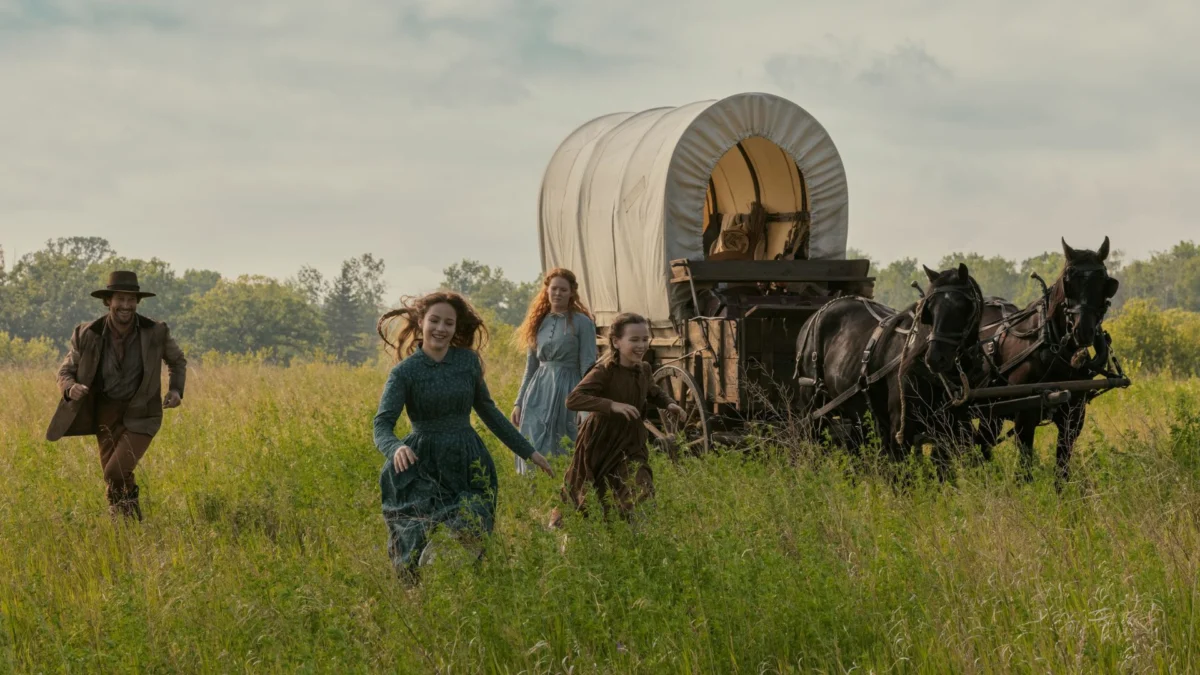
The sweeping vistas of the American frontier are set to return to the cultural zeitgeist. In a move that bridges the gap between mid-20th-century nostalgia and 21st-century streaming dominance, Netflix has officially announced the revival of Little House on the Prairie. Scheduled for a global premiere in the summer of 2026, this ambitious reimagining marks the first major adaptation of Laura Ingalls Wilder’s seminal literary works in over half a century.
As the television landscape continues to pivot toward established intellectual property (IP) with deep emotional resonance, the return of the Ingalls family represents more than just a remake; it is a strategic attempt by Netflix to capture a multi-generational audience. With a confirmed release date, a surprising early renewal, and a modernized production approach, the 2026 version of Little House on the Prairie is poised to be one of the most significant media events of the decade.
Main Facts: The Ingalls Family in the Digital Age
Netflix has confirmed that the first season of the Little House on the Prairie reboot will be available for streaming on July 9, 2026. Following the platform’s established distribution patterns, the series will drop at 12:00 AM Pacific Time (PT), making it simultaneously available to a global audience spanning from the United Kingdom to Tokyo.
Key Production Details
- Platform: Netflix
- Release Date: July 9, 2026
- Episode Count: Season 1 will consist of eight high-budget episodes.
- Renewal Status: In an unusual show of corporate confidence, Netflix has already greenlit Season 2, which is reportedly currently in active production.
- Format: The series is expected to utilize the "binge model," releasing all episodes of the first season at once.
This revival comes exactly 52 years after the original 1974 NBC adaptation first captured the hearts of viewers. While the original series was known for its long, episodic runs—often exceeding 20 episodes per season—the 2026 iteration adopts the "prestige drama" format, focusing on a tighter, more cinematic narrative arc across its eight-episode debut.
Chronology: From the Big Woods to the Streaming Screen
To understand the weight of this 2026 release, one must look at the century-long journey of the Ingalls family through various media.
The Literary Foundation (1932–1943)
The saga began with Laura Ingalls Wilder’s "Little House" series, a collection of autobiographical novels that chronicled her childhood in the American Midwest during the late 19th century. From Little House in the Big Woods to The First Four Years, the books became staples of American classrooms, praised for their depiction of perseverance, family bonds, and the harsh realities of frontier life.
The Landon Era (1974–1983)
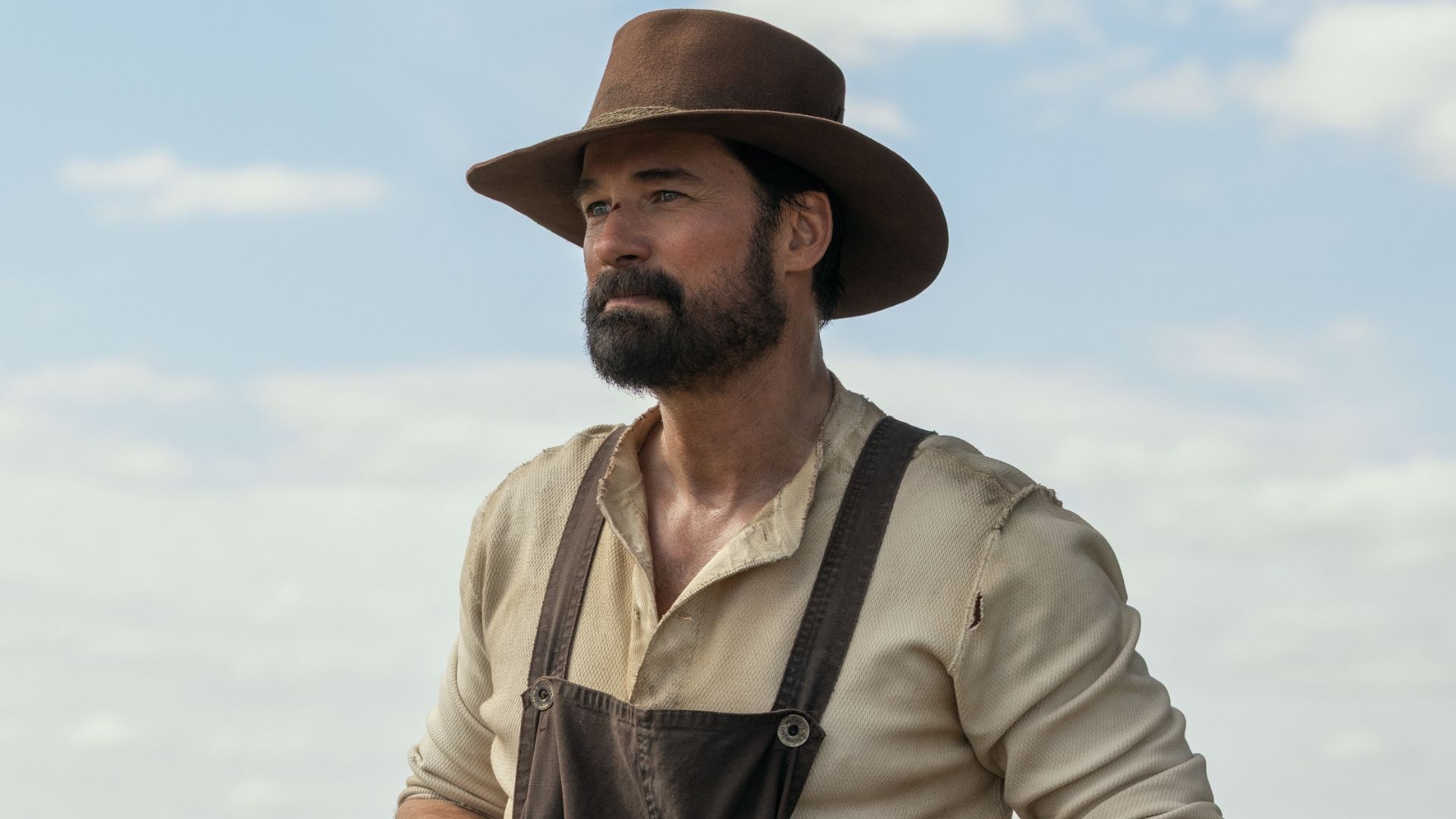
The most enduring image of the franchise was forged by Michael Landon, who produced, directed, and starred as Charles "Pa" Ingalls in the 1974 Western drama. Running for nine seasons on NBC, the show became a global phenomenon. It launched the careers of Melissa Gilbert (Laura) and Melissa Sue Anderson (Mary) and defined the "wholesome family drama" genre for a generation. Even after the series ended, it remained in constant syndication, ensuring the brand never truly left the public consciousness.
The Road to the 2026 Revival
After several smaller attempts at revival—including a 2005 Disney miniseries—the rights were eventually courted by major streaming services. Netflix emerged as the victor, seeking a "tentpole" family franchise that could compete with legacy content on platforms like Disney+ and HBO Max. Development reportedly began in the early 2020s, with a focus on utilizing modern filmmaking technology to capture the rugged beauty of the prairie in 4K resolution.
Supporting Data: The Logistics of a Modern Reboot
The transition from a 1970s broadcast model to a 2026 streaming model involves significant shifts in data-driven content creation.
The Eight-Episode Strategy
The decision to limit the first season to eight episodes is a calculated move. Data from streaming analytics suggests that modern audiences are more likely to complete a series—and thus trigger a "renewal-worthy" metric—when the commitment is under ten hours. This allows for a higher "per-episode" budget, ensuring that the 1870s setting is recreated with historical accuracy and cinematic scale that was impossible in the 1974 production.
Global Release Timing
Netflix’s decision to release the show at 12 AM PT on July 9, 2026, aligns with their global synchronization strategy. This ensures that:
- East Coast US viewers can begin watching at 3 AM.
- UK and European audiences receive the content in the mid-morning/afternoon.
- Asian and Australian markets can access the premiere during evening prime time.
The Confidence of the Early Renewal
Renewing a series for a second season before the first has even premiered is a rare "vote of confidence" in the industry. It typically indicates that internal test screenings have performed exceptionally well or that the "long-tail" value of the IP is considered a safe bet. For Little House, this suggests that Netflix is looking to build a multi-year ecosystem around the brand, potentially including spin-offs or documentary tie-ins.
Official Responses and Industry Context
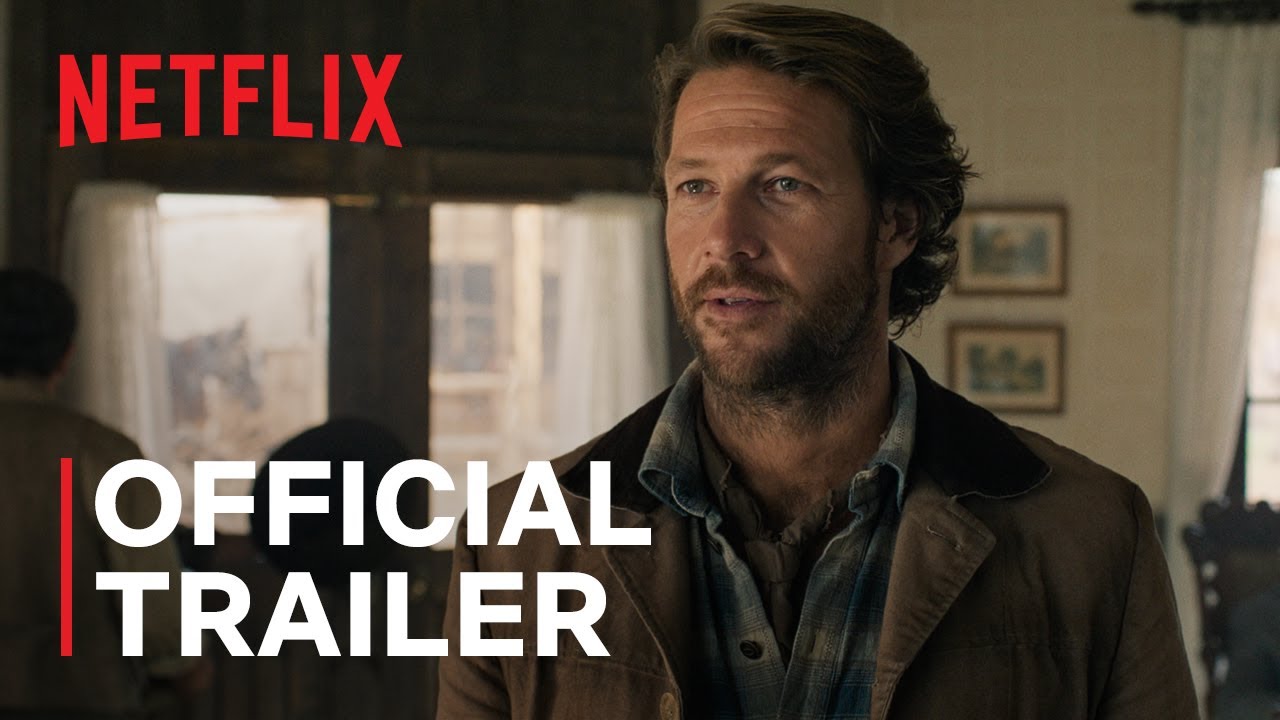
While the specific cast list for the 2026 version remains under tight wraps, industry insiders suggest that Netflix has opted for a blend of established veteran actors for the parental roles and fresh, unknown faces for the Ingalls children.
Netflix’s Strategic Vision
In internal communications regarding their 2026 slate, Netflix executives have reportedly emphasized the need for "comfort television." Following years of high-concept sci-fi and gritty crime dramas, there is a perceived market vacuum for earnest, sincerity-driven storytelling. Little House on the Prairie fits this "Prestige Family" niche perfectly.
The Nostalgia Factor
Market analysts note that the 2026 release date is strategically timed. The children who grew up watching the 1974 series are now grandparents, and the "90s kids" who watched reruns are now parents. This creates a "co-viewing" opportunity where three generations can sit down to watch the same program—a holy grail for streaming services looking to reduce "churn" (subscriber cancellations).
Addressing Historical Accuracy
One of the most anticipated "official" aspects of the new production is how it will handle the more controversial elements of Wilder’s books, particularly the portrayal of Native Americans and the complexities of manifest destiny. Production notes suggest that the 2026 version has employed historical consultants and Indigenous writers to provide a more nuanced and accurate depiction of the 19th-century American West than its predecessors.
Implications: What the Prairie Means for the Future of TV
The return of the Ingalls family in 2026 carries several profound implications for the entertainment industry and the cultural landscape.
1. The Death of the "Remake" and the Birth of the "Reimagining"
Unlike the 1974 series, which often veered into fictionalized "frontier-of-the-week" storylines, the 2026 version is expected to adhere more closely to the source material’s tone. This reflects a broader trend in Hollywood where reboots are becoming more "book-faithful," treating the original novels as sacred texts rather than loose suggestions.
2. Technological Storytelling
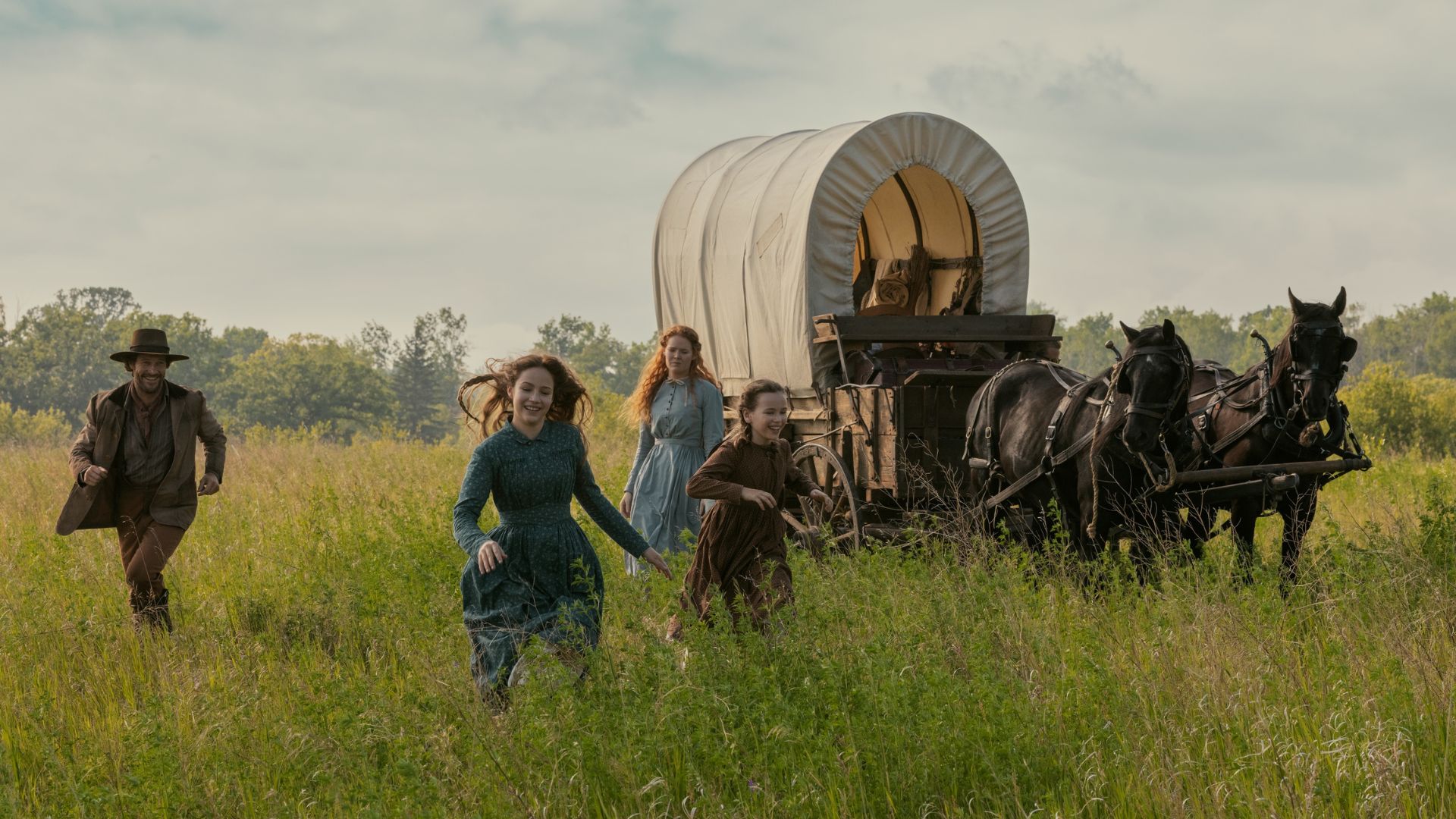
With the 2026 release, Little House on the Prairie will be the first version of this story to utilize advanced CGI for environmental world-building and high-dynamic-range (HDR) cinematography. This will transform the "Prairie" from a simple backdrop into a living, breathing character, highlighting both the terrifying danger of a blizzard and the serene beauty of a summer harvest in ways that were previously unachievable.
3. The Future of Family Streaming
If Little House is a hit, it will likely signal a wave of "Rural Classic" revivals. We could see streaming giants looking toward other properties like Anne of Green Gables or My Friend Flicka for similar prestige treatments. Netflix is essentially betting that in an increasingly digital and chaotic world, audiences will crave a return to "simpler times," even if those times are viewed through a high-definition screen.
4. A New Cultural Conversation
The 2026 series will inevitably spark a re-evaluation of Laura Ingalls Wilder’s legacy. As the show trends on social media and reaches millions of households, a new generation will grapple with the themes of self-reliance, community, and the American identity.
As July 9, 2026, approaches, the industry remains watchful. Will the 2026 Ingalls family find the same longevity as Michael Landon’s crew? With a second season already in the chamber and the full weight of the Netflix marketing machine behind it, the odds are firmly in favor of the prairie blooming once again. The Ingalls are coming home, and this time, the whole world is invited to the housewarming.