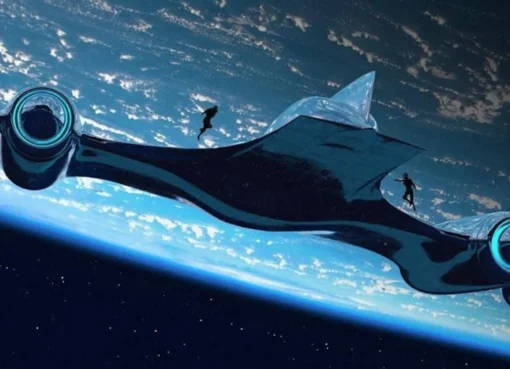
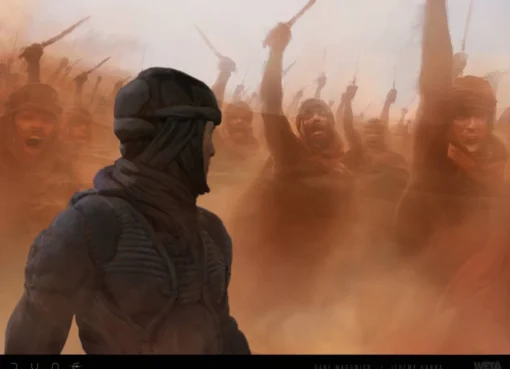
The Unseen Architects of Cinema: Concept Art World Highlights the Visual Mastery Behind Modern Blockbusters
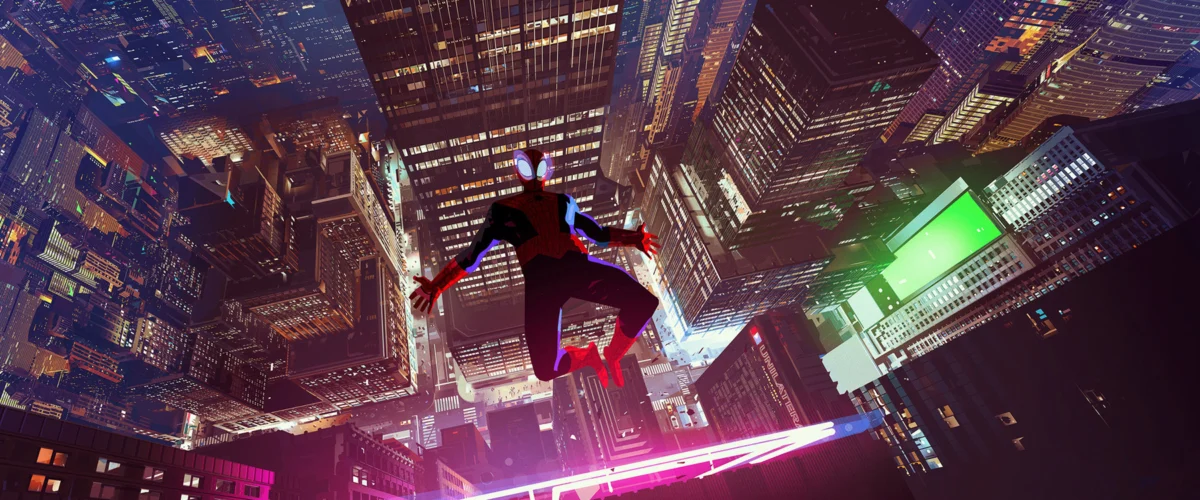
In the high-stakes world of contemporary filmmaking and AAA game development, the gap between a written script and a finished frame is bridged by a group of specialized visionaries known as concept artists. These individuals are the first to "see" the worlds that audiences eventually inhabit. Recently, Concept Art World (CAW), a premier industry resource for visual development, showcased a series of significant updates to its digital archives, highlighting the seminal work of artists like Dennis Chan, Joshua Min, Nick Gindraux, and Peter Konig.
These updates do more than just showcase pretty pictures; they offer a rare diagnostic look into the creative engines of major franchises, including the MonsterVerse’s Kong: Skull Island and Sony’s The Amazing Spider-Man 2. As the industry grapples with technological shifts and the rise of generative AI, the preservation of these human-led creative processes has become a focal point for professionals and enthusiasts alike.
Main Facts: The Digital Archive of Visual Development
Concept Art World has long served as a digital museum for the entertainment industry. Its recent curation highlights two major cinematic milestones and two legendary individual portfolios that represent the pinnacle of modern visual storytelling.
Kong: Skull Island (2017) by Dennis Chan
Dennis Chan’s contributions to Kong: Skull Island represent a pivotal shift in the "MonsterVerse" aesthetic. Moving away from the gritty, desaturated tones of earlier creature features, Chan’s work emphasizes a vibrant, primal, and atmospheric "Vietnam-era" aesthetic. His concept art was instrumental in establishing the scale of the titular ape and the bioluminescent, prehistoric ecosystem of the island itself.
The Amazing Spider-Man 2 by Joshua Min
Joshua Min’s work on Marc Webb’s The Amazing Spider-Man 2 (2014) focuses on the intersection of high-tech corporate environments and the chaotic energy of New York City. Min’s designs for Oscorp and the visual manifestation of Electro’s powers provided the film with its distinctive neon-electric color palette, which sought to modernize the comic book aesthetic for a global audience.
Spotlight on Nick Gindraux and Peter Konig
Beyond specific film projects, CAW has updated its spotlights on Nick Gindraux and Peter Konig. Gindraux is widely recognized for his work with Naughty Dog on The Last of Us series, bringing a grounded, painterly realism to post-apocalyptic settings. Peter Konig, a veteran of the industry with a background in traditional sculpture and creature effects (working on classics like Jurassic Park and Starship Troopers), represents the bridge between physical makeup effects and modern digital concept design.
Chronology: From First Sketch to Final Frame
The evolution of a film’s visual identity follows a rigorous chronological path. Understanding this timeline is essential to appreciating the work highlighted by Concept Art World.
- The Blue-Sky Phase (Pre-Production): This is where artists like Dennis Chan begin. Often before a script is finalized, concept artists produce "mood paintings" to help producers and directors understand the "vibe" of the film. For Kong: Skull Island, this involved exploring the scale of Kong relative to the natural landscape.
- Iterative Design: Once the tone is set, artists move into specific character and environment designs. Joshua Min’s work on The Amazing Spider-Man 2 likely went through dozens of iterations for the Times Square battle, balancing the physics of electricity with the requirements of a PG-13 action sequence.
- Production and Post-Production Support: Concept art doesn’t stop when filming begins. Artists are often called upon to solve visual problems for the VFX team. This involves creating "paintovers" of raw footage to show the lighting and texture teams exactly how a digital creature (like Kong) should interact with the practical environment.
- Archival and Legacy: Years after a film’s release, platforms like Concept Art World curate these works. This allows the industry to study the lineage of design—tracing, for example, how Peter Konig’s creature designs from the 1990s influenced the digital monsters of the 2020s.
Supporting Data: The Technicality of Visual Development
Concept art is often mistaken for mere illustration, but the data and technical requirements behind the work are immense.
Scale and Perspective
In the case of Dennis Chan’s work for Kong, the primary technical challenge was "forced perspective." The art had to communicate that Kong was 100 feet tall without losing the human element. This required a deep understanding of atmospheric perspective—the way colors become desaturated and blue-shifted over long distances—to give the viewer a sense of the island’s vastness.
Material Science and Lighting
Joshua Min’s work on The Amazing Spider-Man 2 required a sophisticated understanding of how light interacts with different surfaces. Designing the interior of the Oscorp "Power Plant" involved calculating how Electro’s blue light would bounce off metallic surfaces and glass, a process that would later inform the work of the Cinematographer and the Lighting Leads in the VFX house (Sony Pictures Imageworks).
The "Naughty Dog" Aesthetic
Nick Gindraux’s work is often cited for its "narrative environmentalism." In his concept art, every crack in a wall or vine on a building tells a story of the time that has passed. This level of detail requires an artist to be part historian and part architect, ensuring that the world feels lived-in and authentic rather than just a digital backdrop.
Official Responses: Copyright and the AI Frontier
A significant portion of Concept Art World’s recent messaging surrounds the protection of intellectual property. In an era where generative AI can scrape images to create derivative works, CAW has taken a firm stance.
The Anti-AI Mandate
On its official platform, Concept Art World states: "All images are © by the artist(s) or their respective copyright holders. Any training of AI systems using this content is strictly prohibited."
This response is reflective of a broader industry-wide movement. Professional concept artists argue that AI-generated imagery lacks the intentionality and problem-solving capabilities inherent in human design. While an AI can generate a "giant ape on an island," it cannot understand the specific narrative needs of a director or the mechanical requirements of a 3D rigging team. CAW’s commitment to human-only art is a safeguard for the professional standards of the entertainment industry.
Industry Recognition
Studios like Legendary Pictures (behind Kong) and Sony Pictures have historically supported the release of "Art Of" books and digital galleries. These official channels serve as a marketing tool but also as a testament to the labor-intensive nature of film production. By showcasing the work of individuals like Joshua Min, studios acknowledge that their blockbusters are built on the foundations of individual artistry.
Implications: The Future of Visual Storytelling
The ongoing curation of concept art has profound implications for the future of media and education.
Educational Value for Aspiring Artists
For students and junior artists, the galleries provided by Concept Art World serve as a masterclass. Seeing the progression from Peter Konig’s creature sketches to a fully realized cinematic monster provides a roadmap for how to build a career in visual development. It demystifies the "magic" of Hollywood, showing that it is the result of thousands of hours of technical study and creative iteration.
The Preservation of the "Human Touch"
As the film industry becomes increasingly digitized, there is a risk of visual homogeneity—where every movie looks the same because they use the same digital assets. The work of artists like Nick Gindraux reminds the industry of the value of a unique, painterly "voice." By highlighting individual artists, CAW ensures that the industry remembers that "style" comes from human experience, not just software.
The Evolution of the "Concept Art World" Platform
Concept Art World’s expansion into social media—including Bluesky, Instagram, and LinkedIn—indicates a shift in how professional communities interact. It is no longer just a static website; it is a dynamic network where artists can find inspiration and protection for their work. As the platform moves toward 2026, its role as a gatekeeper of quality and an advocate for artist rights will likely become its most important function.
Conclusion
The latest updates from Concept Art World regarding Kong: Skull Island, The Amazing Spider-Man 2, and the portfolios of Gindraux and Konig serve as a powerful reminder of the artistry behind our most beloved films. These artists do more than draw; they build the visual grammar of our culture. In a world increasingly dominated by automated content, the human-led, intentional designs showcased by CAW stand as a testament to the enduring power of the human imagination. As the industry moves forward, the preservation and protection of these visual blueprints will remain essential to the survival of cinema as a true art form.