
The Resurrection of ‘Afterworld’: How a Scrapped Sony Project Found Its Way Home to Thailand
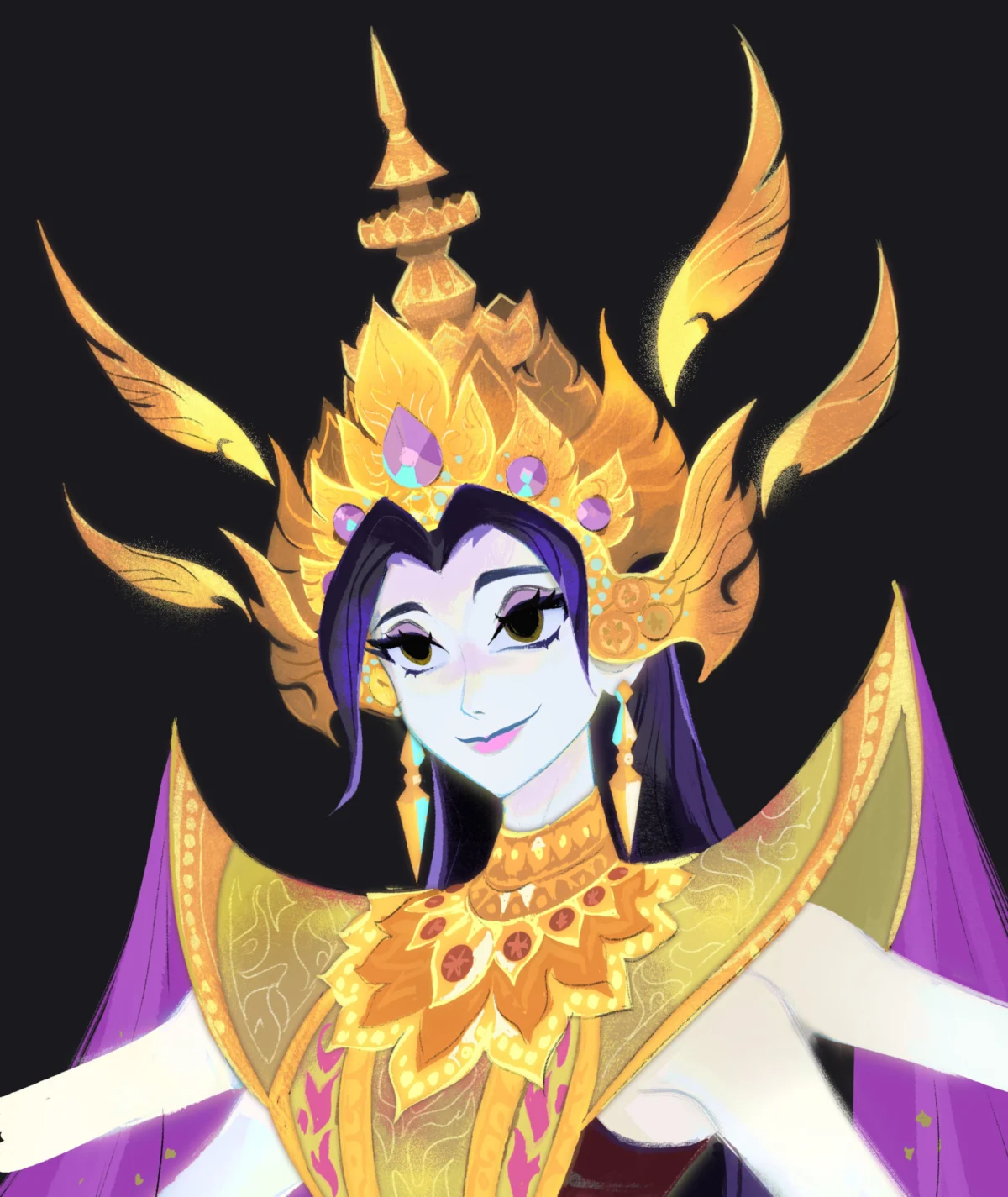
In an industry where the cancellation of a feature film usually marks the end of a narrative, Matt Braly’s Afterworld is proving to be a rare exception. Once a high-profile casualty of the shifting priorities at Sony Pictures Animation (SPA), the project has been pulled from the "graveyard" of abandoned features and placed into the hands of a studio uniquely suited to its cultural DNA.
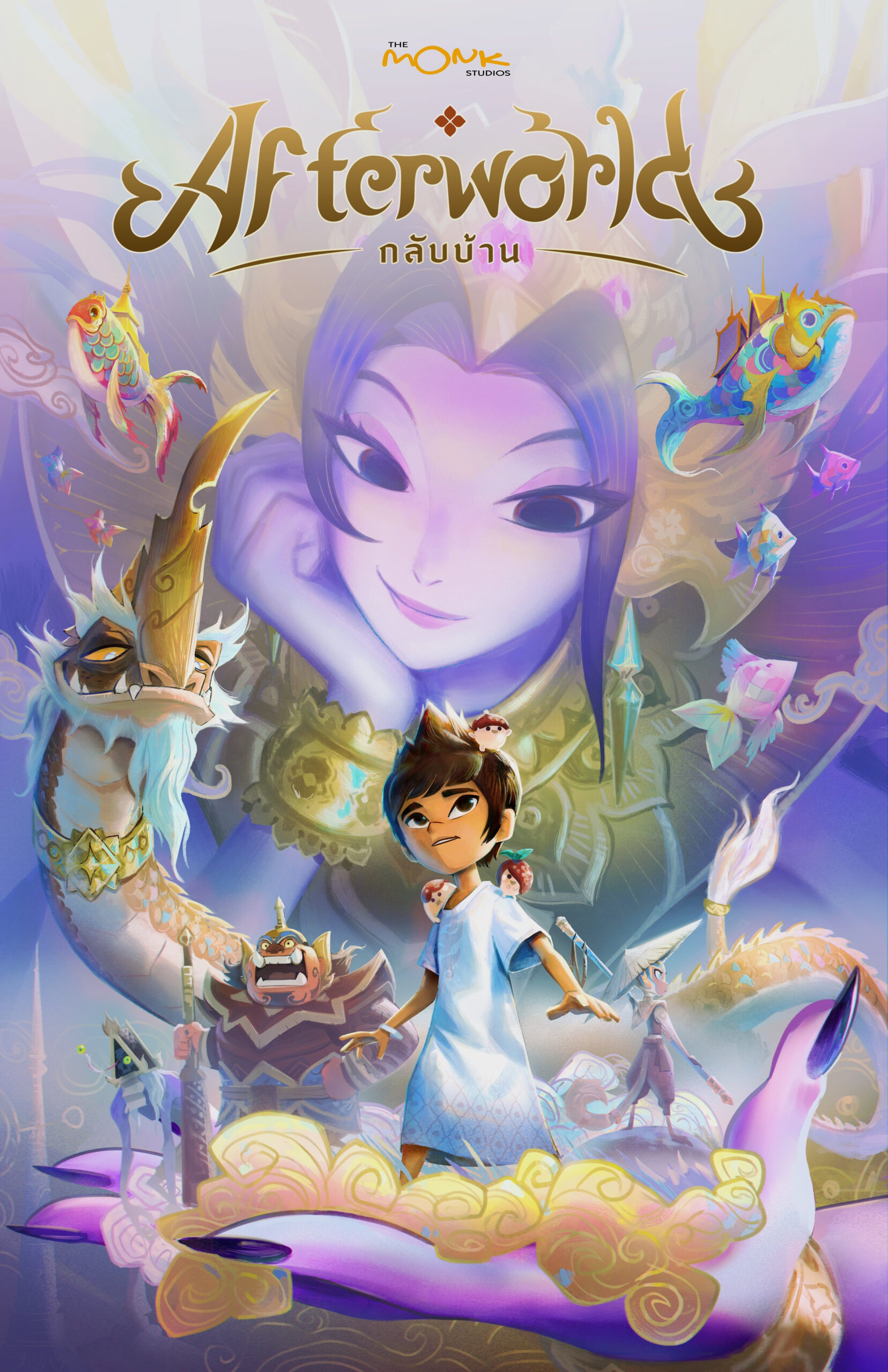
This week, Matt Braly—the acclaimed creator of Disney’s Amphibia—announced that Bangkok-based The Monk Studios has officially acquired the rights to his deeply personal feature project. Now titled Afterworld: กลับบ้าน (the Thai subtitle translating to "Return Home"), the film’s journey from a discarded Hollywood script to a Thai-led independent production represents a landmark moment in the global animation landscape. It is a story of cultural reclamation, the power of digital fandom, and a radical shift in how animated features are financed and produced in a post-streaming-boom economy.
Main Facts: A New Chapter for ‘Afterworld’
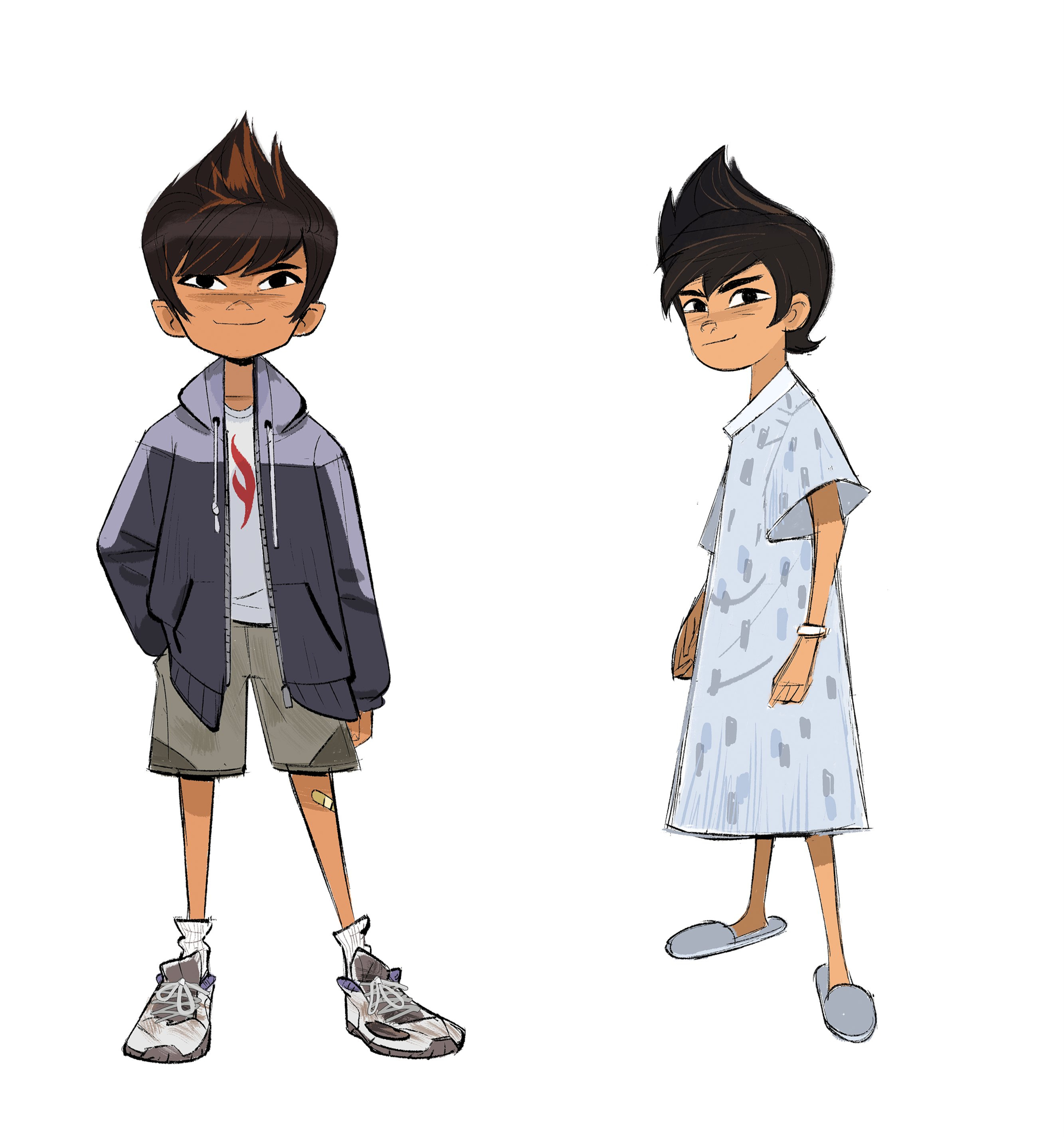
The acquisition marks a significant transition for Afterworld. Originally developed over three years at Sony Pictures Animation, the project was scrapped earlier this year, leaving fans and industry insiders reeling. The film, which Braly co-wrote with Steven Universe creator Rebecca Sugar, is inspired by Braly’s own Thai heritage and personal medical history.
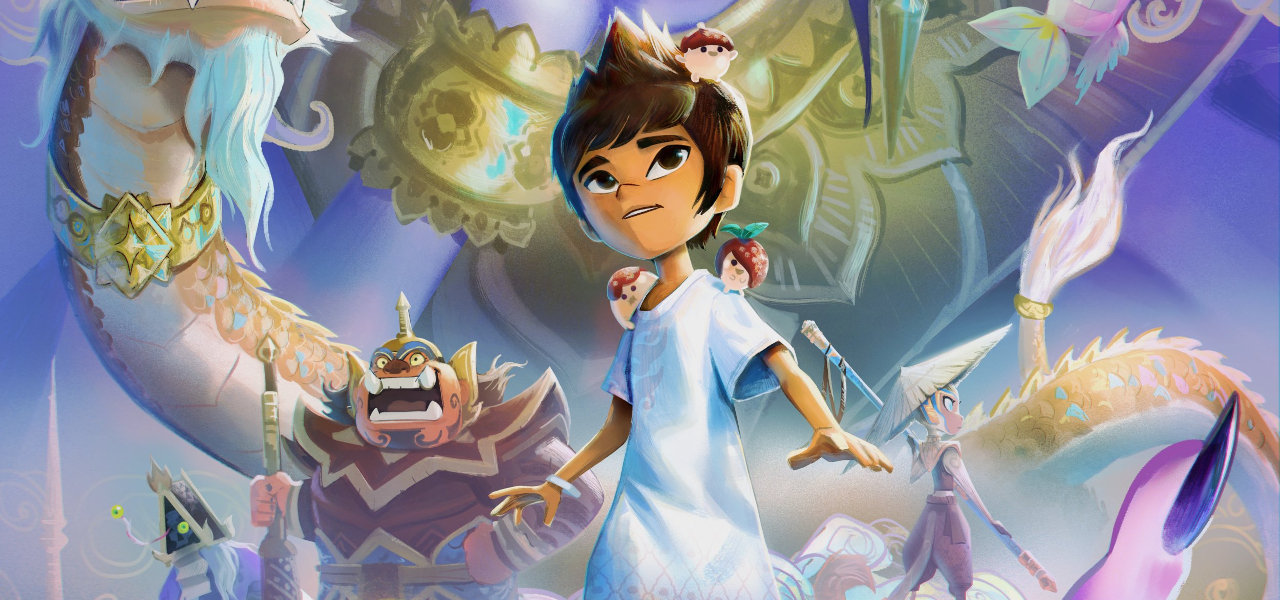
While the acquisition by The Monk Studios is a massive step forward, the project is not yet fully greenlit. It currently sits in a critical development phase, with Monk Studios preparing to pitch the film to international partners and investors at the upcoming Annecy International Animation Film Festival and its associated MIFA market.
Key details of the revival include:
- A Change in Scale: The film will move away from the high-budget, "blockbuster" visual style of major US studios in favor of a more stylized, artistic approach.
- Directorial Continuity: If financing is secured, Matt Braly is set to direct the feature, ensuring his original vision remains intact.
- A "No AI" Mandate: In response to industry concerns, Braly has secured a guarantee that no generative AI will be used in the production of Afterworld.
- Community Transparency: The studio is launching "production diaries" to document the building of the film in real-time, a strategy typically reserved for indie gaming or smaller-scale productions.
Chronology: From Development Hell to Thai Reclamation
The timeline of Afterworld is a microcosm of the volatility currently facing the animation industry.
The Sony Years (2021–2024)
For three years, Afterworld was one of the most whispered-about projects at Sony Pictures Animation. With Braly at the helm and Rebecca Sugar contributing to the screenplay, the project promised a unique blend of high-concept fantasy and grounded, culturally specific storytelling. However, as the industry began to contract following the "streaming wars" era, many studios began purging projects that didn’t fit immediate franchise requirements. Despite its pedigree, Afterworld was unceremoniously scrapped.
The Viral Limbo (Early 2026)
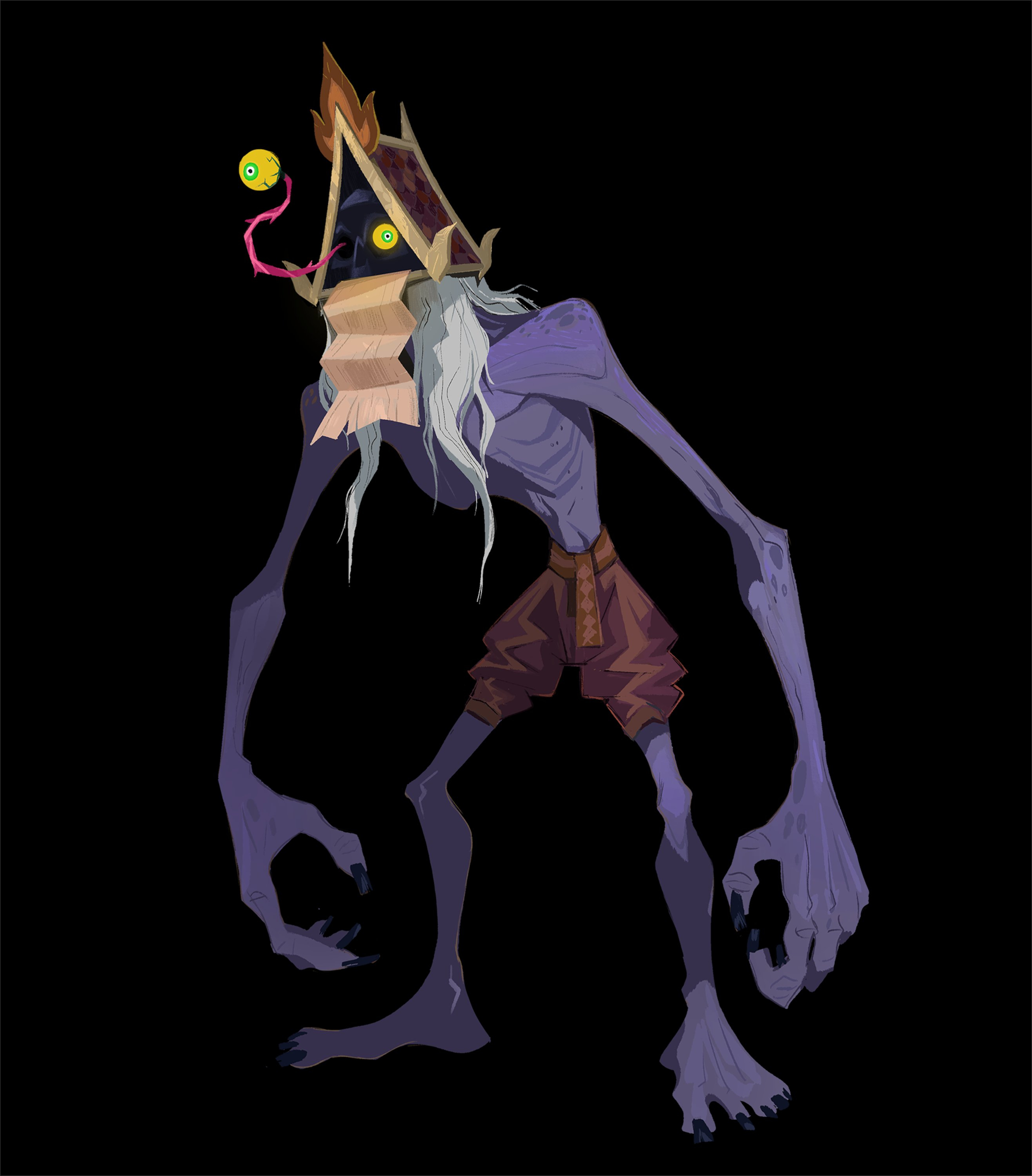
When news broke that Sony had walked away, the response was unprecedented. Usually, a canceled project disappears behind Non-Disclosure Agreements (NDAs). However, concept art by Brandon Wu and other artists began to circulate on social media. The imagery—featuring a striking multi-armed goddess and lush, Thai-inspired landscapes—ignited a firestorm of fan art and digital advocacy. This "viral afterlife" proved to be a crucial asset, demonstrating to potential investors that the film already possessed a dedicated, built-in audience.
The Monk Acquisition (May 2026)
The announcement on May 13, 2026, that The Monk Studios had acquired the rights turned the tide. Braly described the event as a homecoming. "It’s like if Mexico bought Coco," Braly remarked in an interview with Cartoon Brew. By moving the production to Bangkok, the project transitioned from a Western interpretation of a culture to a project being "reclaimed" by the very culture that inspired it.

Supporting Data: The Rise of Southeast Asian Animation
The move to The Monk Studios highlights a broader trend: the evolution of Southeast Asian animation houses from "service hubs" to "IP creators."
Historically, studios like Monk have been the "quiet giants" of the industry. They have provided essential animation services for massive global hits, including:
- Wish Dragon: A major collaboration between US and Chinese interests.
- The Tiger’s Apprentice: A high-end feature for Paramount+.
- Ne Zha 2: The sequel to one of the highest-grossing animated films of all time.
Data from the global animation pipeline suggests that while the US and France remain the traditional creative epicenters, Southeast Asia has developed a massive, highly skilled workforce. However, these studios have often lacked the visibility associated with original Intellectual Property (IP). By acquiring Afterworld, The Monk Studios is signaling its intention to move up the value chain, utilizing its technical prowess to lead a project with global appeal rather than just supporting one.

Financially, the move necessitates a "leaner" approach. Independent features produced outside the Hollywood system typically operate on budgets ranging from $10 million to $25 million—a fraction of the $100 million+ budgets common at Disney or DreamWorks. To compensate, Braly and Monk are looking toward stylized 3D aesthetics seen in successful independent features like Flow and Robot Dreams, which prioritize artistic direction over expensive, photorealistic simulations.
Official Responses: Directorial Vision and Ethical Boundaries
In his public statements, Matt Braly has been transparent about both the excitement and the anxiety surrounding this new path. He emphasized that the move to an independent Thai studio allows for a degree of creative purity that might have been diluted in a major studio system.
On Cultural Authenticity
"This project is intrinsically tied to me," Braly stated. "It’s my personal story about my medical history and my culture." He noted that the Thai subtitle, กลับบ้าน (Return Home), reflects the narrative arc of the characters as well as the meta-reality of the film’s production moving to Bangkok.
On the "Siren Call" of AI
One of the most significant hurdles in the announcement was the concern regarding The Monk Studios’ previous experimentation with Artificial Intelligence. Several industry professionals in Thailand pointed out that the studio had openly explored AI tools for efficiency.
Braly addressed this head-on, stating that his contract includes a strict prohibition on generative AI for Afterworld. "There is a strong temptation for some of these scrappier studios to experiment with AI… It’s an unavoidable siren call to studios looking to save a little coin," Braly admitted. However, he maintained that the "short-term gains" of AI are a "deal with the devil" that he refuses to make, asserting that he would walk away from the project if this boundary were crossed.
On the Visual Philosophy
Braly is adamant that Afterworld should not try to "mimic" Hollywood. He criticized the trend of international films trying to look like Illumination or DreamWorks productions. "Once you start making the same jokes and hitting all the familiar beats, they all start to look and sound the same," he argued. Instead, he aims to "do for 3D what Cartoon Saloon did for 2D"—creating a signature, painterly look that emphasizes imagery over complex particle effects and camera moves.

Implications: A New Blueprint for Animation
The resurrection of Afterworld carries heavy implications for the future of the animation industry.
1. The End of the "Studio Graveyard"
For decades, if a major studio owned your rights and decided not to make your movie, that movie died. The Afterworld deal suggests a new fluidity where creators and smaller international studios can collaborate to buy back and "rescue" IP. This could lead to a more diverse marketplace where projects deemed "too niche" for a US conglomerate find a home in the regions they actually represent.
2. Fandom as a Stakeholder
The role of social media in this acquisition cannot be overstated. The sheer volume of fan art created while the project was "dead" served as a market proof-of-concept. Monk Studios’ decision to launch "production diaries" suggests a future where fans are treated as part of the journey, helping to build momentum and "pre-sell" a film long before it hits theaters.
3. The Decentralization of "Prestige" Animation
If Afterworld succeeds, it will prove that "prestige" animation—films with deep emotional resonance and high artistic ambition—does not require the backing of a Hollywood "Big Five" studio. It positions Thailand as a potential leader in the global indie animation scene, moving beyond the role of a service provider to a creative powerhouse.
As Matt Braly prepares to head to Annecy to "smash the wine bottle on the barge," the industry will be watching closely. Afterworld is no longer just a movie; it is a test case for whether a culturally specific, artist-driven vision can survive the collapse of the traditional studio model and find a new, more authentic way to exist. For now, the takeaway is simple: in the modern animation era, a cancellation is no longer a death sentence—it might just be the beginning of the journey home.


Leave a Comment